

Table of Contents
Shinobi: Art of Vengeance on PC
It’s been over a decade since SEGA last unsheathed the Shinobi name, and even longer since we had a proper 2D entry in the series. With Shinobi: Art of Vengeance, Lizardcube, the studio behind the excellent Streets of Rage 4, steps in to breathe new life into the franchise. The result? A bold, hand-drawn revival that pays homage to its roots while layering in modern action sensibilities.
What begins as a routine day soon turns into a living nightmare not just for Joe Musashi and his loved ones, but for the entire Oboro Clan. As the last remaining resistance against the all-conquering forces of Lord Ruse and the ENE Corp, a preemptive strike sees the village burned to the ground and the entire clan turned into stone. The only way forward is a quest for vengeance, one that our hero is more than capable of embarking on.
Poetry in Motion
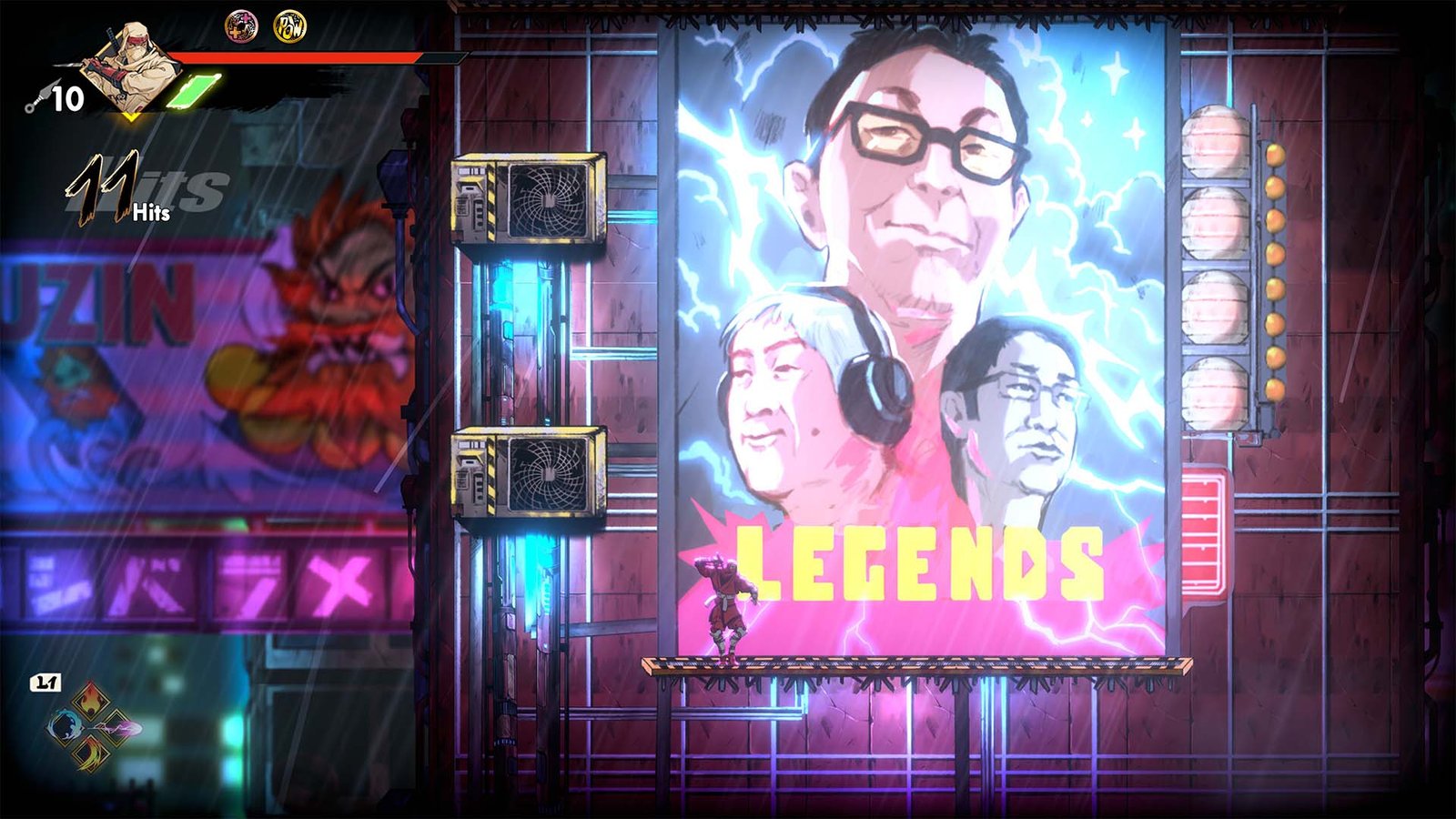
The first thing that instantly stands out in Shinobi: Art of Vengeance is the art direction. Every frame feels like it’s been pulled from a moving illustration — thick brush strokes, ink-like outlines, and colours that pop like a Japanese woodblock print come alive.
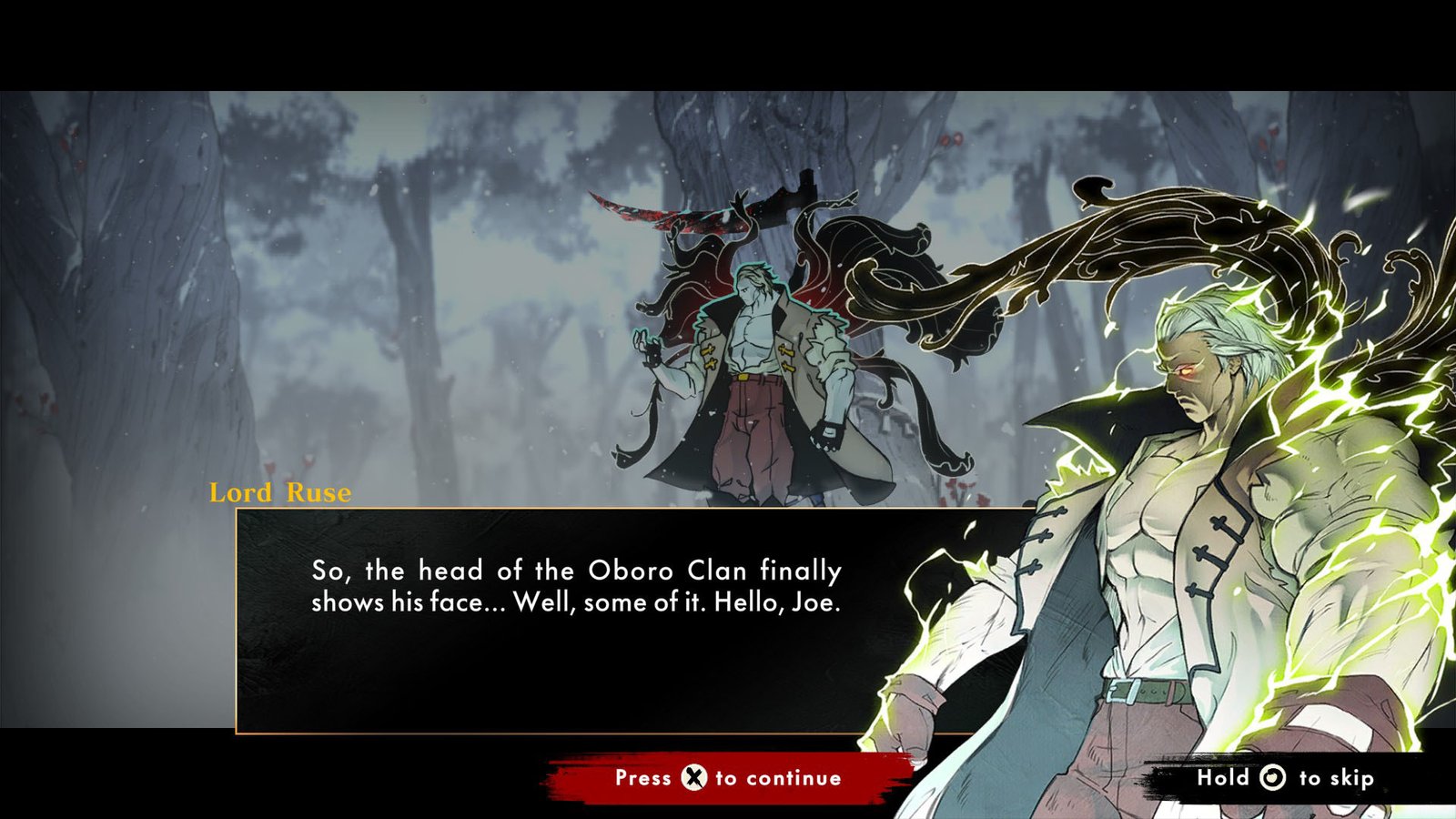
From neon-lit festivals to war-torn deserts, the stages are as much a feast for the eyes as they are arenas for combat. Environments feel as natural as they are stylish, with no two areas ever looking the same. It won’t be a surprise for players to take a breather every once in a while to admire what is before them, such is the quality on show.
Lizardcube has always had a knack for stylish visuals, but here they’ve outdone themselves. Even standing still feels rewarding when the background is brimming with subtle details, and Musashi is just exuding a heroic energy that gets players all amped up to take the fight to Lord Ruse.
The same can be said for every action that he can pull off. Jumping from platform to platform, dashing, wall-climbing, it all looks great. As more tools become available to players, that sense of discovery is always accompanied by stellar animation and visual work, truly immersing you into this watercolour tapestry brought to life.
Steel and Precision
And beneath the paintwork lies a combat system that thrives on precision. At its core, Shinobi: Art of Vengeance is about chaining combos — sword strikes, kunai throws, dodges, Ninpo spells, and all-powerful Ninjutsu that weave into a graceful yet deadly dance.
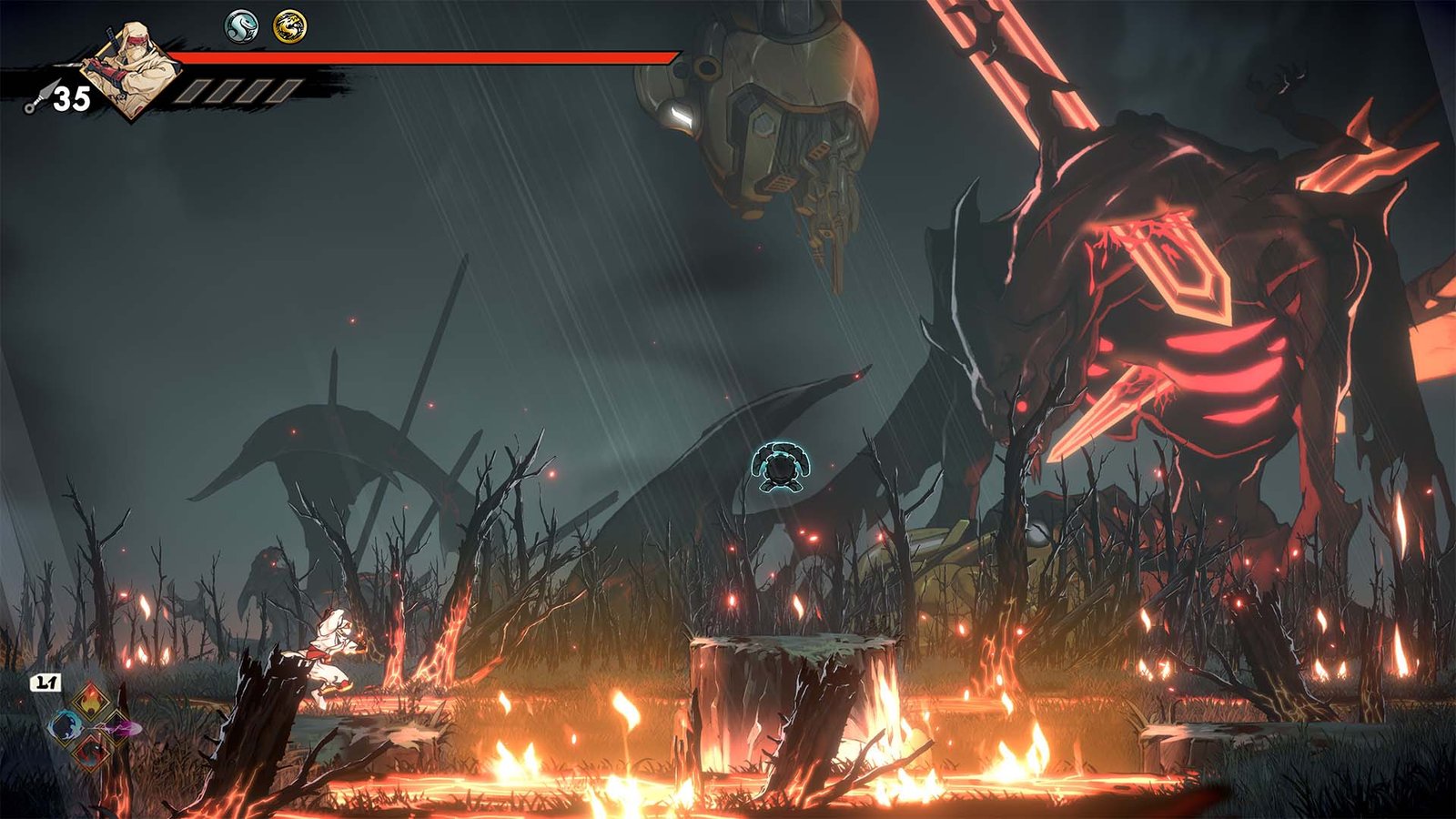
The system demands timing and commitment. Enemies stagger if you read them right and use the right moves, punish if you overextend, unleash Dark Attacks that can’t be dashed through, and bosses test every ounce of your patience and pattern recognition. That pure joy from executing a chain of Shinobi Executions, which is only possible if you build up the execution gauge on enemies instead of reducing their health, is hard to replicate anywhere else.
Watching this master shinobi leap from one unfortunate foe to the next, slashing them into pieces, and instant-killing them for a bunch of resources and health orbs isn’t just exhilarating, it’s an essential tool of survival.
There’s more nuance here than the average hack-and-slash; fans of fighting games will feel right at home juggling combos and watching the frame data play out in their head.
By avoiding damage and building up your combo meter, you enable the use of powerful Ninpo, such as lightning dashes or a burst of fiery flames. By equipping the right amulets at the same time, these abilities can be further enhanced with the tradeoff of requiring a higher combo meter. The tactical depth here can be exploited by players willing to pay attention, but even if you do not, the base systems still get the job done.
It helps that there is a healthy variety of enemies to take down in Shinobi: Art of Vengeance, offering both ranged and melee resistance that make them perfect for you to test your mettle. Cannon fodder soon gives way to enemies with armour, foes who take flight, and even those who can use the elements against you. No one solution fits every problem, and figuring out the best way to take down varied groups of enemies is always a pleasure.
Tools of the Ninja
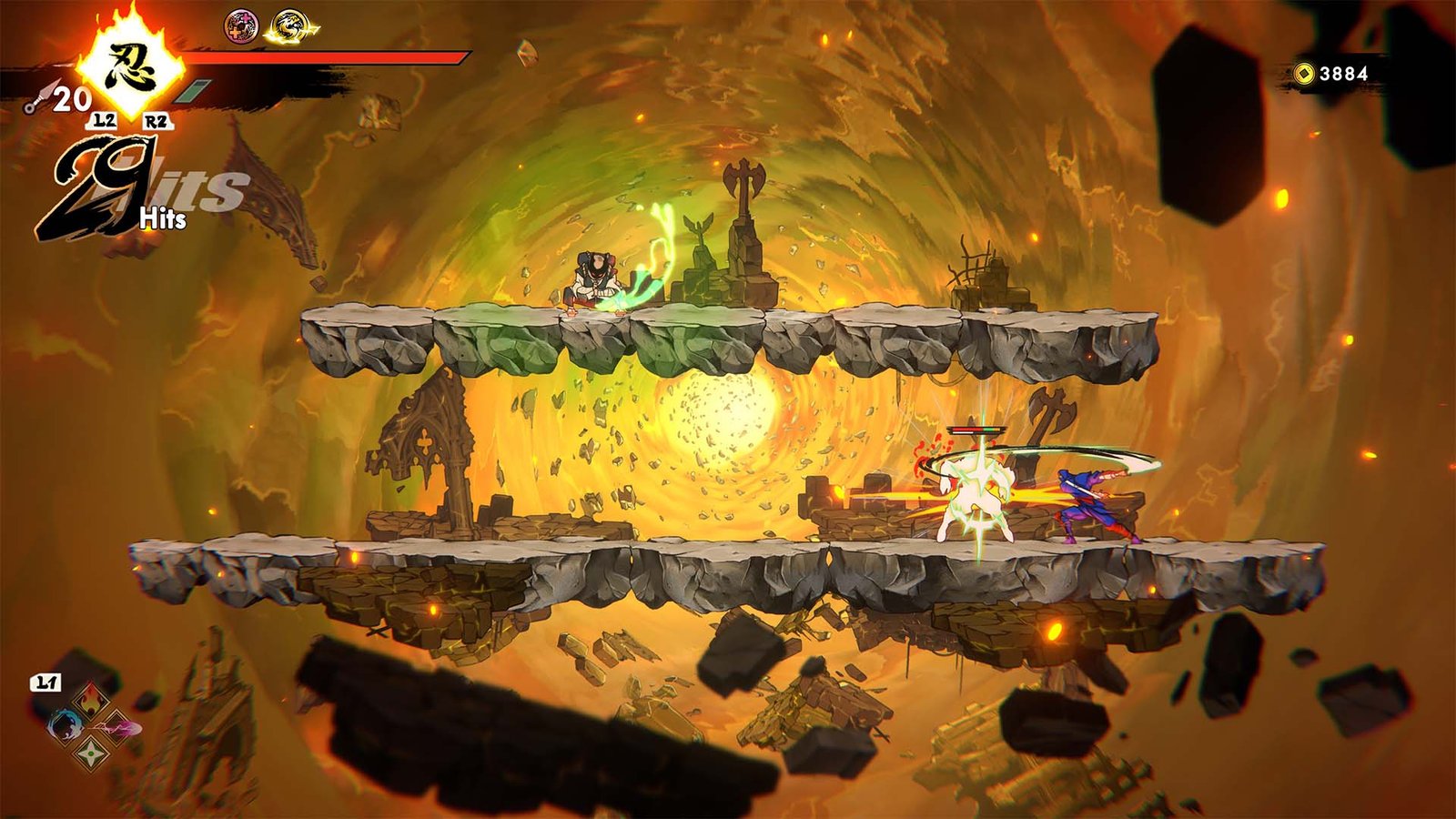
Progression is more layered than expected. The aforementioned amulets grant passive buffs and open up new combo possibilities, while Ningi tools like grappling hooks and claws not only expand mobility but also uncover hidden paths. Currency earned along the way can be used to upgrade your arsenal — more health, new moves, or extra magic charges.
Exploration is not necessarily mandatory, but it pays off just to have a sense of curiosity. Once you have the right tools, levels open up in new and interesting ways. Alternate paths can lead you to Oboro Relics, which can be turned in at the shop to unlock new selections. Costume customisation options, new amulets, and undiscovered Ninpo are also there to be discovered.
Furthermore, most levels contain several Elite ENE Corp Squads, which bring together souped-up versions of familiar enemies, and are among the toughest challenges in Shinobi: Art of Vengeance. Clear all of them, and you will receive a sweet reward, with some of them key to one of the game’s best-kept secrets and probably the baddest opponent yet.
Then there are the Ankou Rifts, which transport Musashi to another dimension that requires your utmost attention to clear. These can be platforming challenges that make full use of all the tools at your disposal, combat gauntlets that throw in environmental hazards, or a hybrid combination of the two. Once more, the tantalising reward up for grabs makes it all worthwhile, and it is a good way of seeing just how far you have come in the game.
Trials by Fire
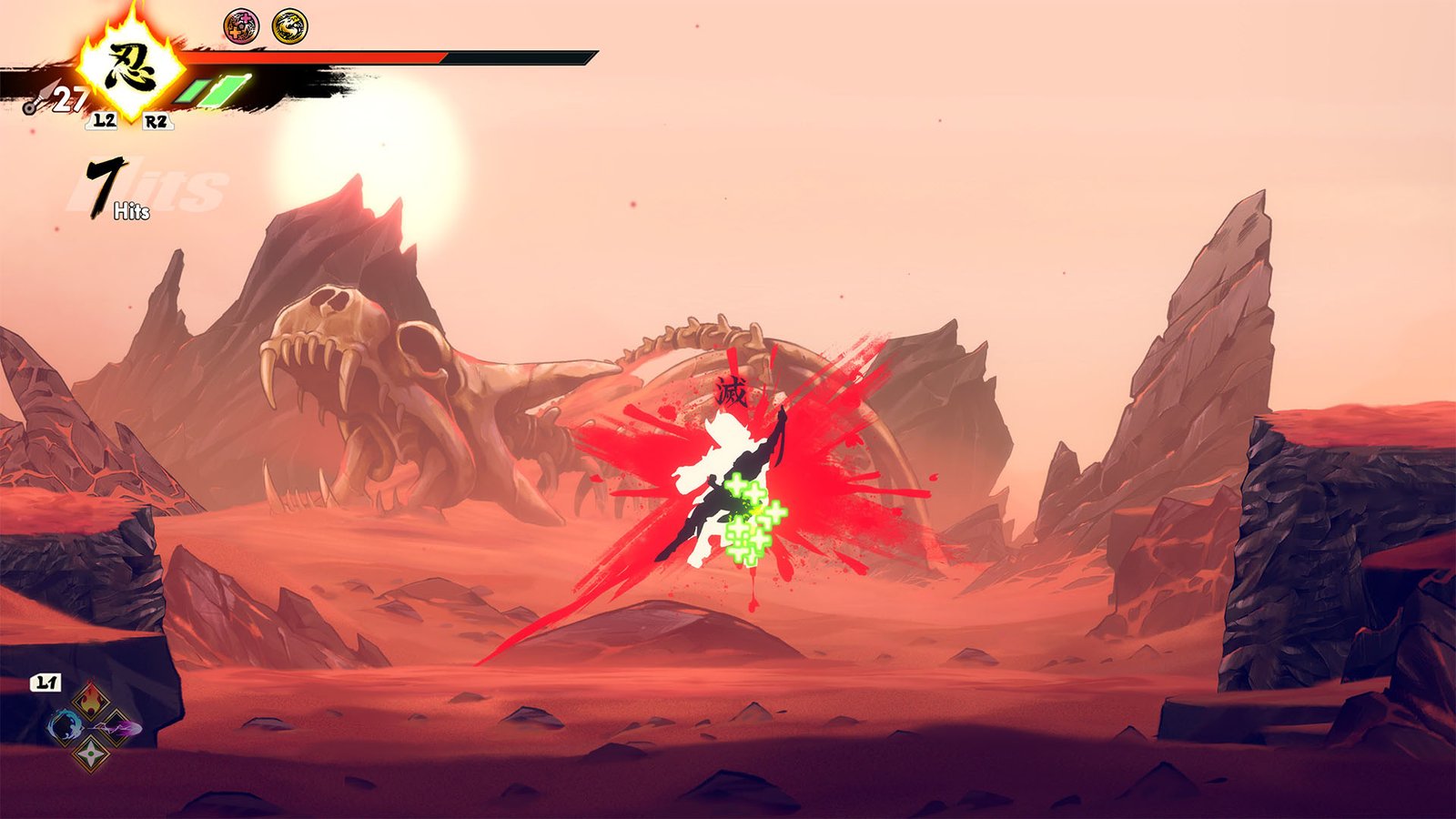
Difficulty is a big part of the franchise’s legacy, and Shinobi: Art of Vengeance doesn’t shy away from it. Even early levels force you to sharpen your reactions, and later bosses will chew up sloppy players. The difference is that this time around, you have some help: tutorials ease you in, upgrades give you an edge, and Amulets soften the sharper edges. There are also accessibility options to tweak if you want a more tailored experience for different skill levels.
Still, it’s not for everyone. Some will find the steep difficulty spikes frustrating, especially if they’re here purely for the visual spectacle. This is a game that asks you to learn its rhythms, or suffer the consequences.
Similarly, for all its polish, Shinobi: Art of Vengeance isn’t flawless. Some stages early on can feel overly tutorial-like, dragging pacing when you want to cut loose. Other levels are massive and require much more time spent in combat and exploration. The two special segue stages that involve distinct traversal companions are over way too quickly to leave a lasting impression.
There’s also the matter of narrative. The classic revenge setup — lone ninja versus shadowy clan — does its job, but feels more like background dressing than a compelling hook. In a world where 2D action games like Hollow Knight and Dead Cells deliver comprehensive lore and depth, the straightforward approach may come across as underwhelming for those who are looking for more beyond Musashi’s signature grunt.
From the Shadows Into the Light
Yet, by the time the smoke’s cleared, it is clear as day that Shinobi: Art of Vengeance is more than just about bringing a classic back from the annals of history; it’s about setting a new course for newcomers and old fans alike.
The visuals and music are fantastic, the combat stellar and invigorating, and the platforming and exploration elements are masterfully done. Plus, you’ll get access to Boss Rush and Arcade Mode upon clearing the game, adding even more replayability to a modern masterpiece. This revival hits all the marks with glittering, sharp kunai – what more can you ask for?
Shinobi: Art of Vengeance arrives August 29 on PlayStation 4, PlayStation 5, Xbox One, Xbox Series X|S, PC, and Nintendo Switch.
SavePoint Score
Summary
A dazzling revival of SEGA’s classic — exhilarating combat and visuals shine, though pacing stumbles keep Shinobi: Art of Vengeance just short of perfection.
