

Table of Contents
Death Howl on PC
Death Howl is the sort of experiment that immediately piques curiosity. A deckbuilder shaped by Soulslike design principles is not a marriage we see every day, and the game wears its ambition openly from the first encounter.
With deliberately punishing duels, fragile windows of opportunity, and a card system that governs every decision, developers The Outer Zone and publisher 11 bit studios aim to create a hybrid of tactical friction and high-risk combat. The result is intriguing, stylish, and often absorbing, though not always as cohesive as its premise suggests.
A Duel Built on Timing and Nerves
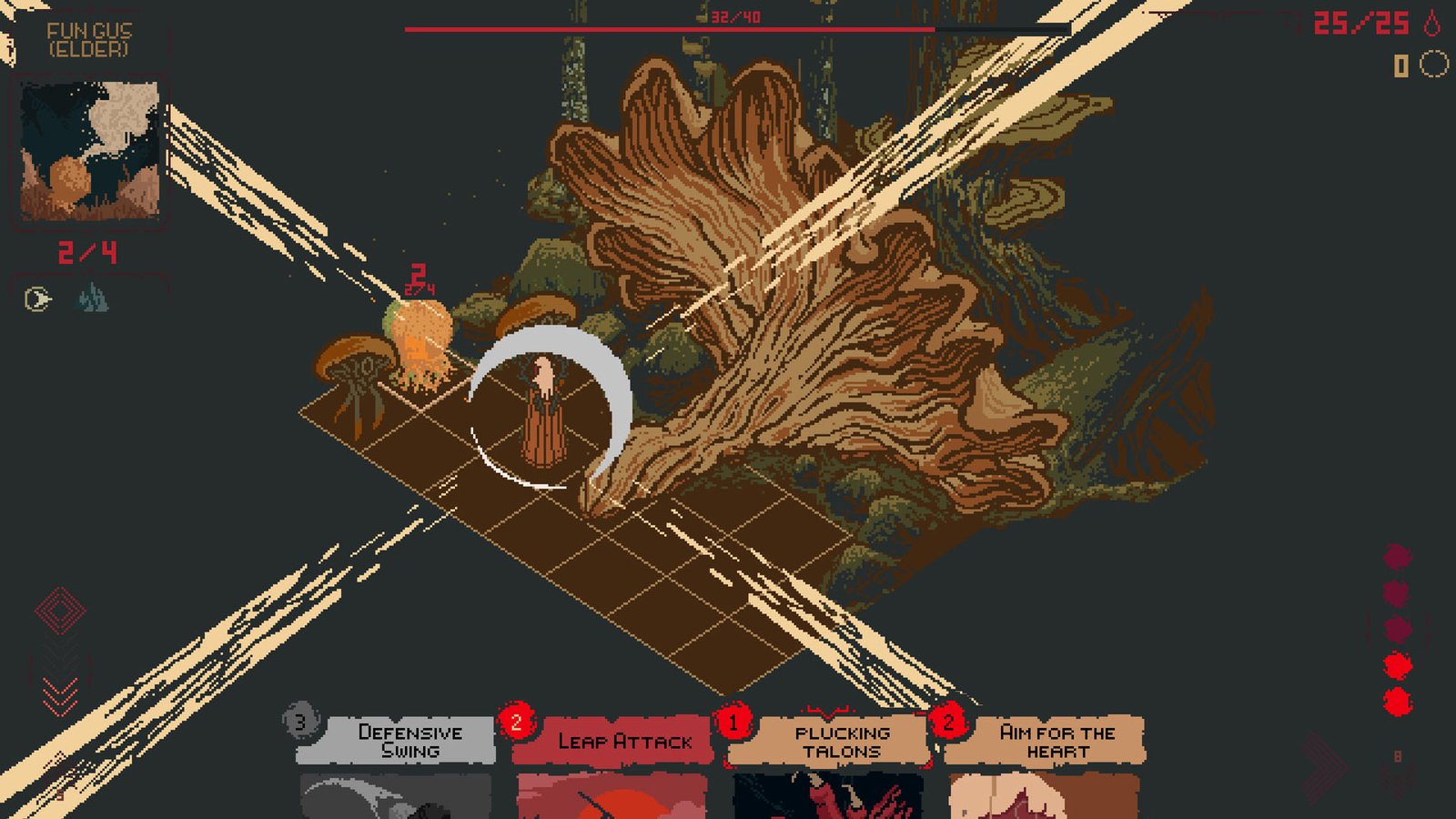
Every confrontation in Death Howl feels like a contest of nerve rather than brute force. The Soulslike influence is evident in the slow, deliberate telegraphs, where a mistimed move or a hasty strike carries real consequences. Yet your options are not defined by reflexes. Instead, the deck becomes the heart of the experience, shaping each action with an economy that forces restraint.
Combat is less about piling on damage and more about shaping the tempo of the duel. A defensive stance that stalls a dangerous attack. A risky card that opens a brief vulnerability. A resource-heavy ability that can break an enemy’s rhythm only if you commit to its downside.
When these systems converge, Death Howl achieves an impressive tension that rewards calculated precision.
Deckbuilding as a High-Stakes Puzzle
Where most deckbuilders lean towards accumulating synergies and escalating power curves, Death Howl uses cards as a constraining force. Each addition to the deck alters your strategic cadence, and mistakes echo far more loudly than in typical roguelike card games.
The strongest runs come from leaning into a clear identity early. Some decks favour relentless pressure with aggressive interrupts. Others thrive on patient counterplay where survival hinges on two or three perfectly timed responses. This is where the game shines, making every choice feel significant.
However, the system’s rigidity can also make certain runs feel stagnant. Poorly aligned draws stall momentum, and some builds peak too early, losing tactical nuance once you have solved their rhythm. It does not break the experience, but it does leave the sense that the design would benefit from a broader range of transformational cards that allow strategies to evolve more dynamically.
Atmospheric and Weighty
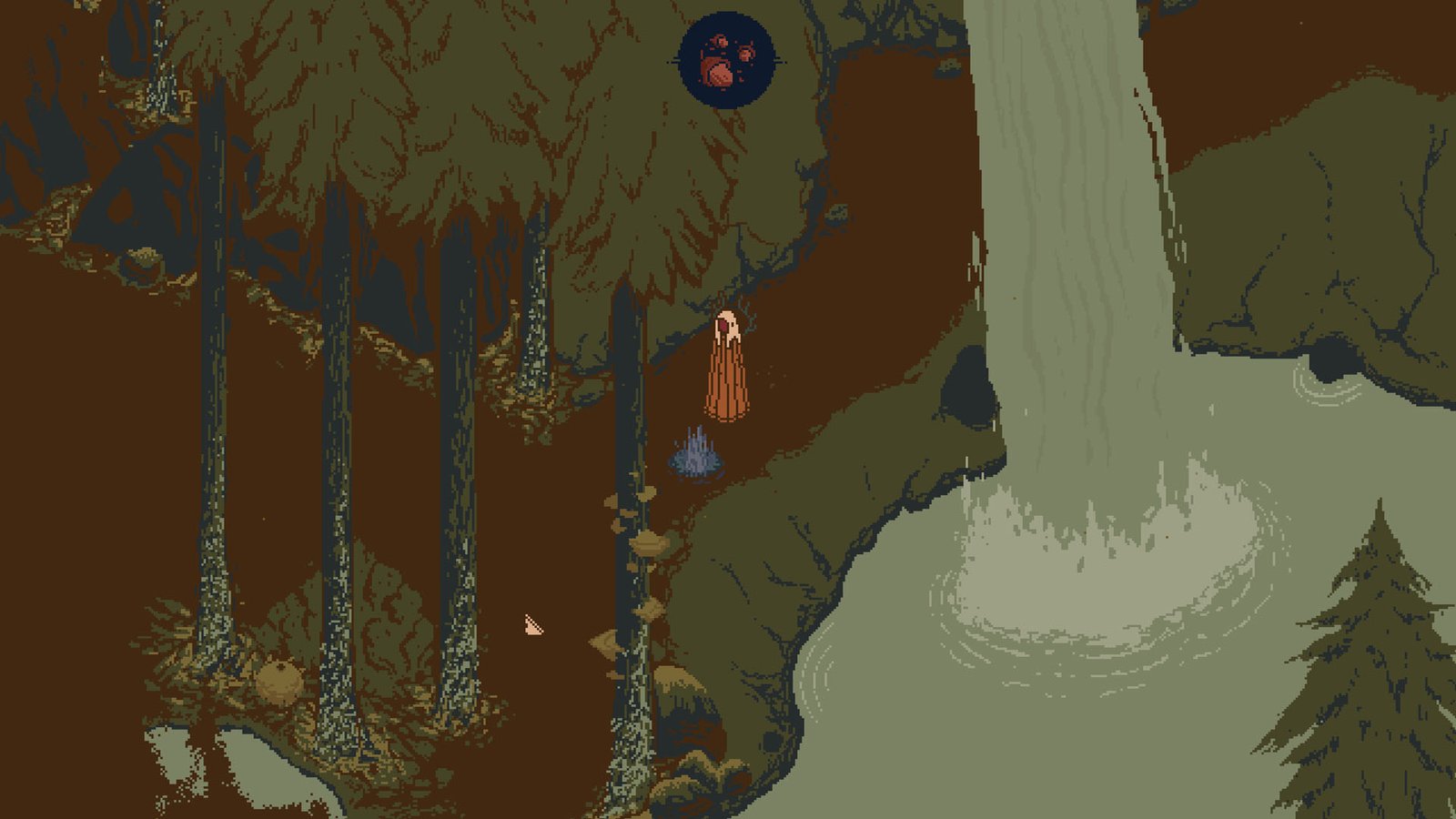
There is something starkly compelling about the game’s presentation. The muted palette, harsh lighting, and brooding silhouettes give the world a sense of perpetual tension. Every animation lands with clear intention, from the slow arc of an enemy’s lunge to the decisive snap of a counter-card taking effect.
The soundtrack reinforces this identity. Rhythms pulse under each duel, rising and receding with the pace of combat. It creates a consistent mood that the game sustains throughout. Yet the landscapes between encounters offer fewer surprises. Once you recognise the structure of its progression, the journey through each area settles into a predictable cadence.
Where the Howl Softens
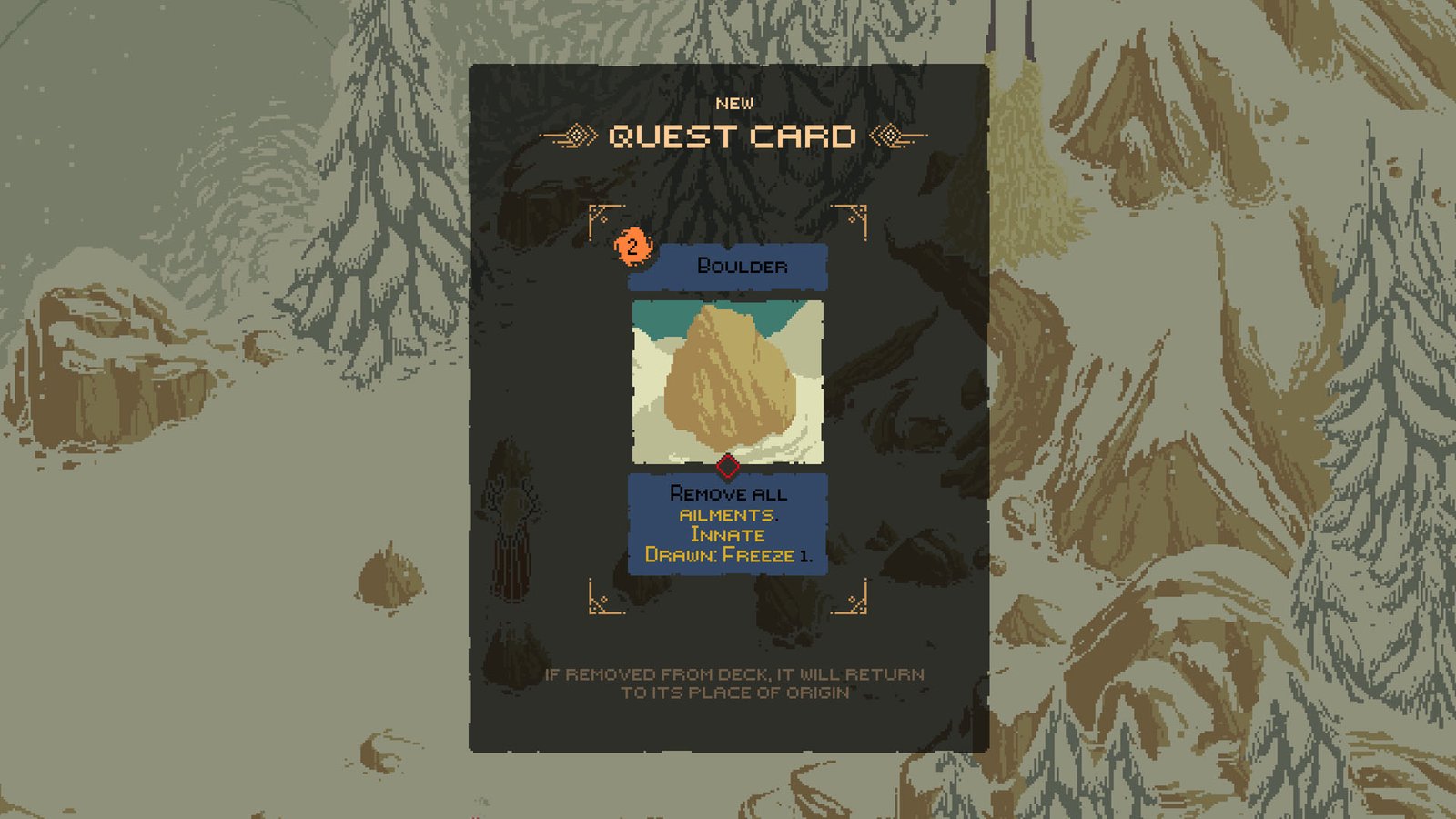
The overarching progression provides steady unlocks, but its impact on long-term play is modest. New cards and modifiers expand the toolbox slightly, though they rarely redefine how you approach the game. This creates an experience that is satisfying in the moment but struggles to reinvent itself across repeated runs.
Death Howl feels designed for tightly curated encounters rather than sprawling variety. This approach works beautifully for a few hours, but players looking for dramatic build evolution or escalating complexity may feel the ceiling sooner than expected.
For all its thematic strength, the game’s difficulty can waver. Certain enemies punish defensive decks disproportionately, while aggressive builds can collapse instantly if a few key cards fail to appear at the right moment. The balance does not feel unfair, but it can feel uneven, especially as encounters intensify.
Likewise, the deckbuilding system, while clever, sometimes hinders experimentation rather than enabling it. With limited ways to pivot a failing deck mid-run, Death Howl does not always offer escape routes from a collapsing strategy.
Finding a Voice That Never Fully Roars
Death Howl is an ambitious fusion of ideas, and in its strongest moments, it delivers a captivating blend of tactical pressure and Soulslike discipline. Its combat has weight, its card system demands thought, and its atmosphere builds a compelling tension that few deckbuilders attempt. Yet its narrower breadth and uneven pacing keep it from reaching its fullest potential.
For players who enjoy deliberate combat and tight decision-making, this title offers a distinctive and memorable experience. It may not be the genre breakthrough it aspires to be, but it stands as a stylish and worthwhile experiment.
Death Howl is now available on PC. It will arrive on PS5 and Xbox Series X|S in 2026.
SavePoint Score
Summary
Death Howl bursts out of the gate with stylish momentum and responsive combat, making a strong first impression. Yet its shallow depth and uneven balance keep it from rising beyond a solid addition to the genre.
