

Table of Contents
Black Ops 7 Falls Short of Expectations as Activision Promises Franchise Overhaul
Activision Addresses the Franchise’s Strained Annual Cycle
Releasing a large-scale AAA first-person shooter every year is a demanding approach. Activision has continued this strategy with Call of Duty, even after its acquisition by Microsoft, and the strain has become more visible with the collapse of the franchise’s intended three-studio rotation.
This breakdown led to consecutive releases from the same subseries, including the recently launched Call of Duty: Black Ops 7, and players have noted that the results have become increasingly uneven.
It is now clear that the latest entry did not reach the commercial or critical heights expected of a Call of Duty title. Activision’s marketing avoided the usual celebratory sales milestones and instead used cautious language suggesting the reception was less enthusiastic than hoped. Fans and industry analysts quickly recognised that the game was not performing at the level of its predecessors.
Activision has now addressed the issue directly. In an official blog post, the publisher acknowledged that Black Ops 7 did not meet the expectations of a portion of the community. The company stated that it is committed to improving the game, with ongoing updates aimed at elevating both the experience and long-term engagement.
Modern Warfare and Black Ops Will No Longer Release Back-to-Back
One of the most significant announcements in Activision’s update is a shift in the franchise’s release strategy. The company confirmed that the Modern Warfare and Black Ops titles will no longer be released in consecutive years. This decision is intended to prevent the series from feeling repetitive and to ensure each annual instalment stands on its own with a distinct gameplay identity.
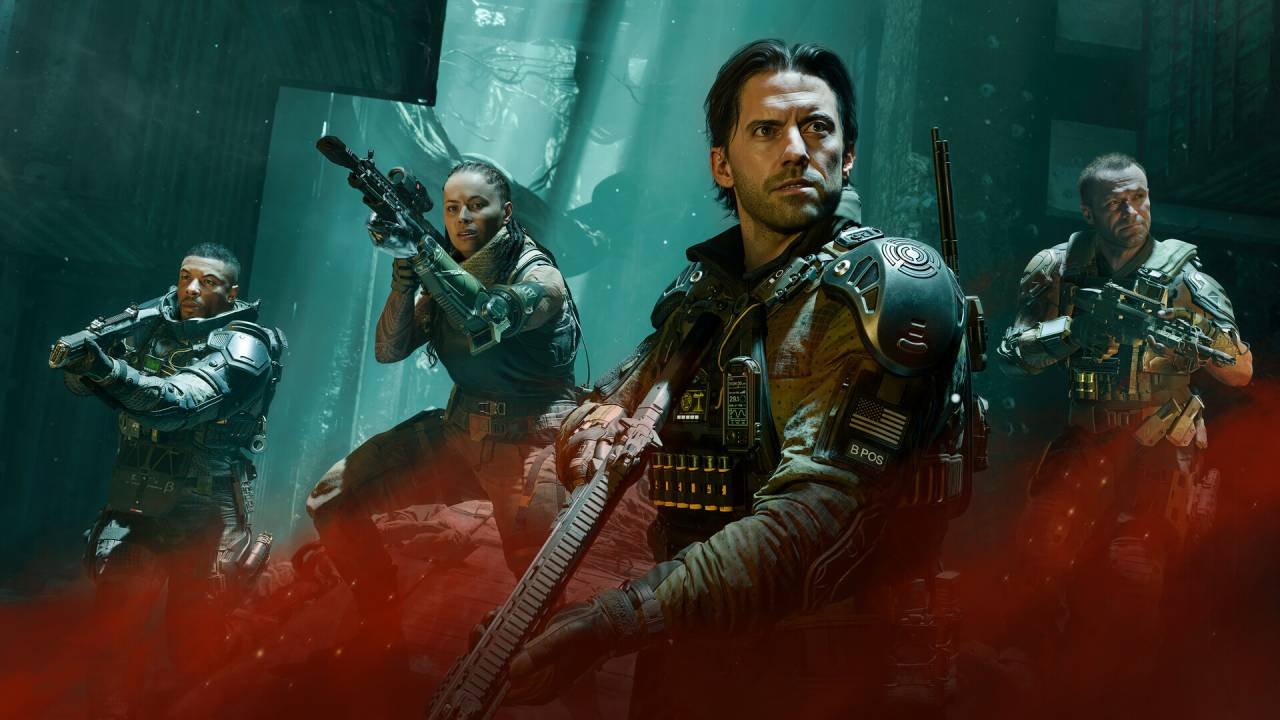
Activision stated that future Call of Duty entries will deliver meaningful innovation rather than minor or incremental adjustments. The publisher emphasised that players should be able to feel the difference between releases, whether through new mechanics, a refreshed design philosophy, or expanded narrative frameworks.
The revised approach indicates that the company is aware of the fatigue caused by the previous release structure. By spacing out the major subseries and restoring a more deliberate rotation, the publisher aims to give individual studios more time to craft unique experiences.
Activision Remains Confident in the Future of Call of Duty
Despite the challenges, Activision maintains confidence in the long-term strength of the Call of Duty brand. The company reiterated that the franchise has succeeded for decades by adapting to player expectations and evolving alongside the wider FPS genre. It believes upcoming titles will restore momentum and introduce new ideas that push the series forward.
Activision’s messaging suggests a renewed commitment to quality and differentiation. With the next Call of Duty already in development under this updated strategy, the publisher appears intent on re-establishing the level of polish and innovation that defined earlier standout entries.
For players, the coming years may represent a turning point, as Activision moves away from back-to-back subseries releases and refocuses on what makes each new release distinct.
