

Table of Contents
Metroid Prime 4: Beyond on Nintendo Switch 2
For a franchise so revered, Metroid has always existed in long stretches of absence. Years pass, hardware cycles come and go, and yet Samus Aran remains patiently awaited.
Metroid Prime 4: Beyond has lived in that waiting room longer than most, first announced in 2017, quietly restarted in 2019 with Retro Studios, and now finally landing on Nintendo Switch and Switch 2 with the weight of expectation firmly on its shoulders.
That history matters. Not because it excuses shortcomings, but because it explains why this latest entry feels so careful. This is not a game interested in redefining its identity. Instead, it aims to reassure, to remind, and to reaffirm what Metroid Prime has always been. That approach brings confidence and polish, but it also reveals a reluctance to move beyond familiar ground.
Viewros and the Comfort of Isolation
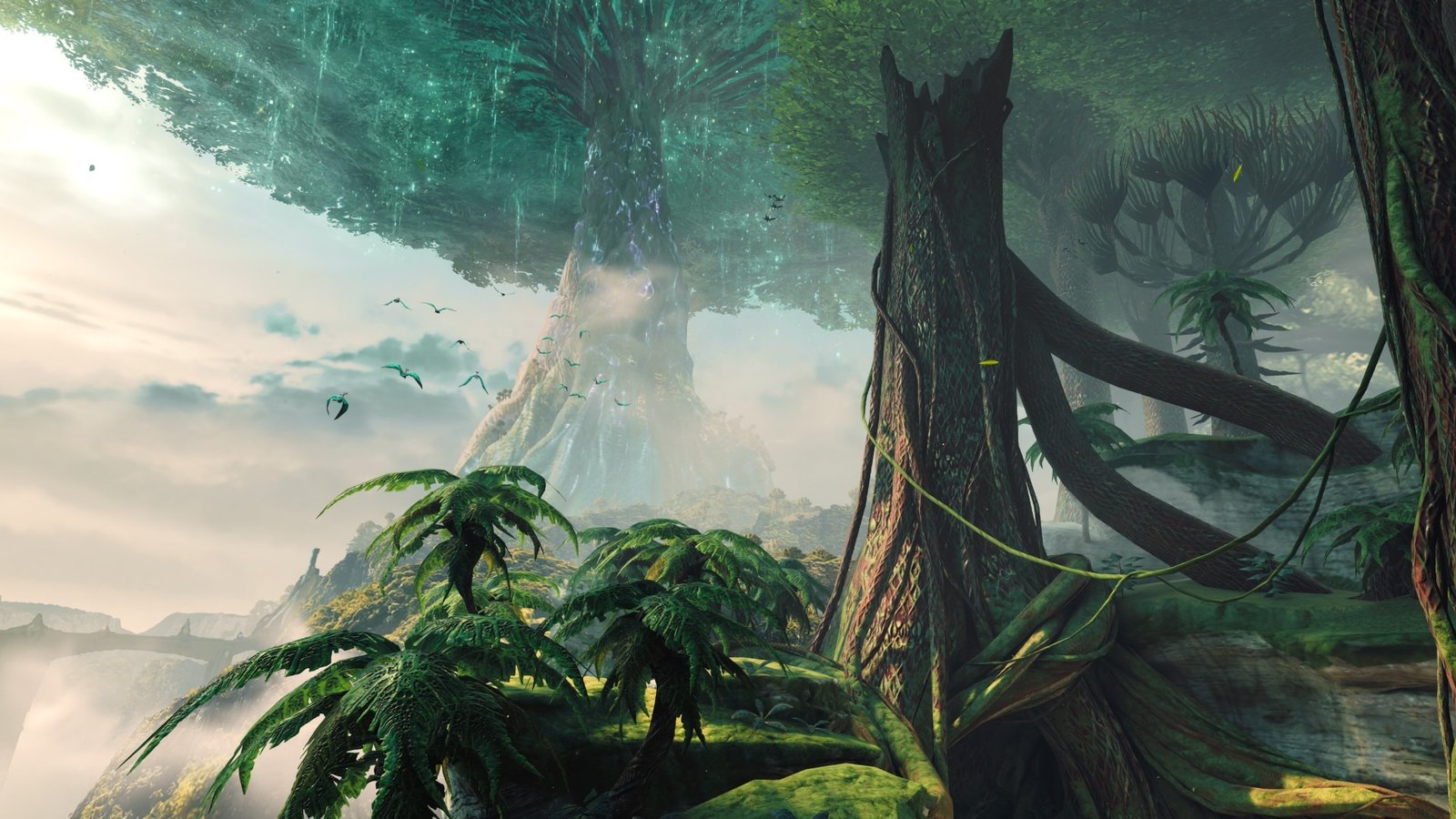
Metroid Prime 4: Beyond opens with a subtle shift rather than a dramatic one. Samus finds herself stranded on Viewros, a planet scarred by an ancient collapse known only as The Great Tragedy. The objective is initially simple. Escape. It is a premise that leans into isolation, uncertainty, and quiet discovery, all pillars of Metroid’s identity.
Viewros itself is beautifully realised. Its five major regions, connected by a central hub, each carry a strong visual and thematic identity. Fury Green’s overgrown ecosystems contrast sharply with the sterile corridors of Ice Belt, and every environment feels deliberate in its construction.
On Switch 2, the experience is especially striking. Running at 1080p with a smooth 120 frames per second in performance mode, Metroid Prime 4 Beyond feels technically confident in a way Nintendo releases rarely do.
Yet even here, there is a sense of restraint. Viewros is impressive, but it is also carefully guided. Its beauty invites curiosity, while its structure quietly limits it.
When Metroid Thinks Like Zelda
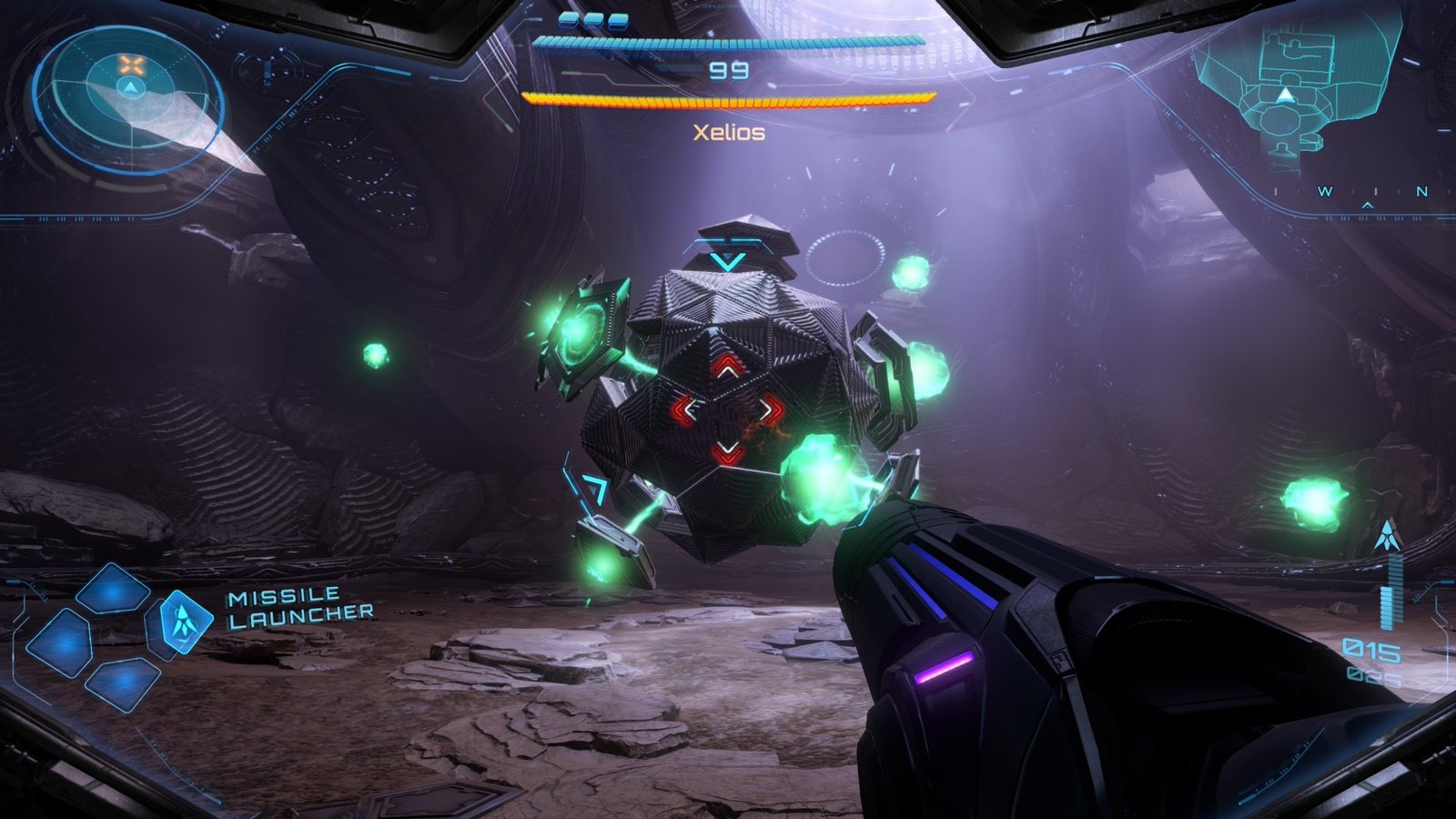
As the campaign unfolds, Metroid Prime 4: Beyond begins to take on an unexpected form. Its structure mirrors classic 3D Zelda more than traditional Metroid. Each region functions like a self-contained dungeon. You explore, acquire a map, locate the boss, unlock a new ability, and use it to progress. Sequence breaking, once a defining feature of the series, is largely absent.
This rigidity will be divisive. For veterans who relish bending Metroid’s systems, the tight control can feel stifling. For newcomers, however, the clarity is welcoming. In a post-Breath of the Wild era, there is something refreshing about a focused, authored experience that knows exactly how it wants to be played.
The problem is not the linearity itself, but how little room it leaves for expression. For most of the 10 to 12-hour campaign, the game rarely trusts the player to wander, experiment, or fail forward. Freedom arrives late, and by then, much of the thrill has already passed.
Familiar Tools, Muted Rewards
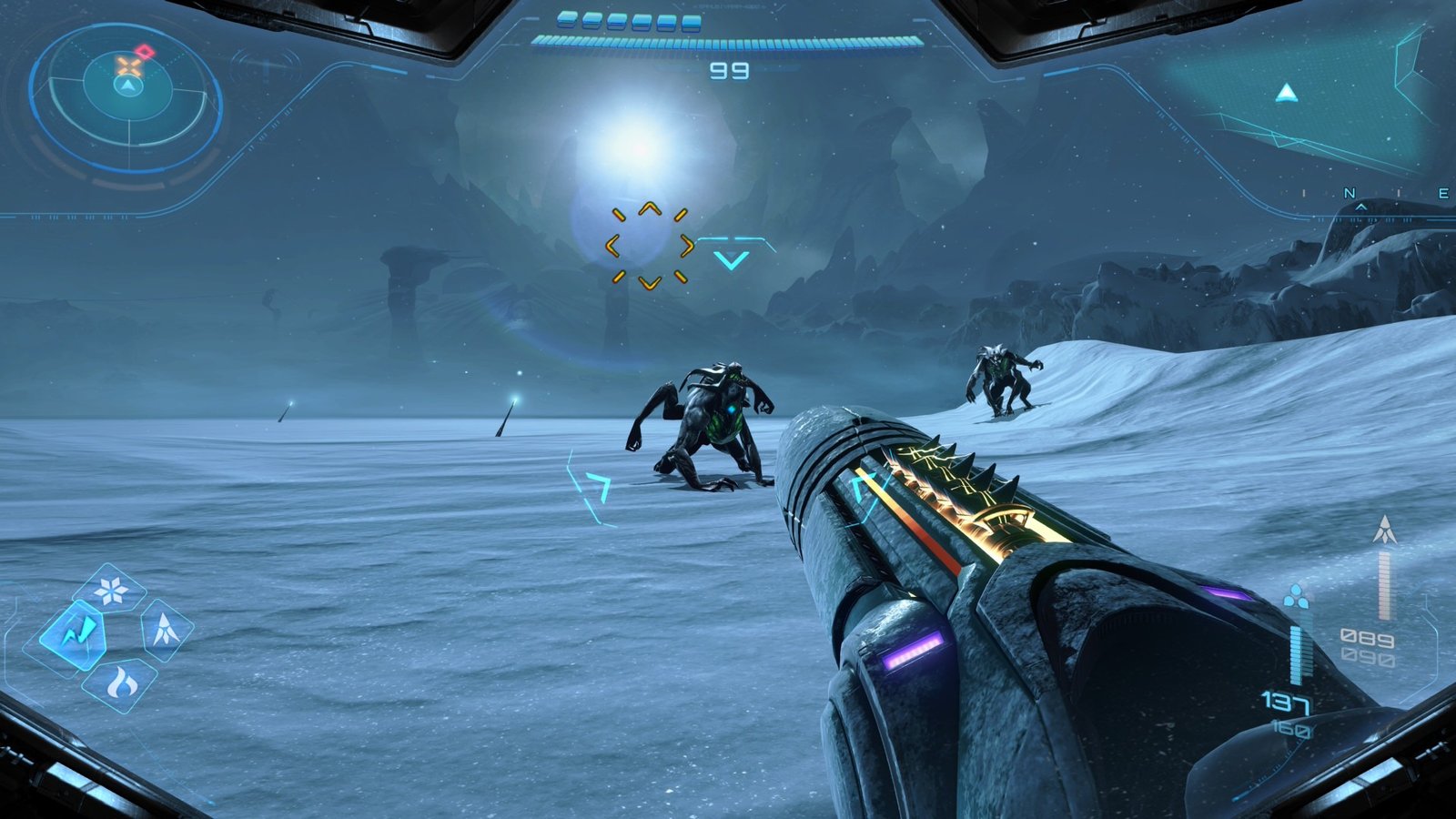
Mechanically, Metroid Prime 4: Beyond is unmistakably Metroid in its prime. First-person exploration, deliberate combat pacing, and environmental puzzles all return in solid form. Samus’s classic toolkit is present and reliable, from Morph Ball traversal to grappling and bomb-based problem-solving.
New additions, such as the Control Beam and elemental shot types, add modest variety without disrupting the core loop. They function well, but they rarely surprise. More importantly, they lack the transformative impact that new abilities once had in earlier entries.
Progression increasingly feels like unlocking keys rather than expanding possibilities. Backtracking, a traditional pleasure in the series, becomes less engaging when upgrades merely open colour-coded doors. Collectibles are plentiful but rarely demanding, and the satisfaction of mastery is replaced with obligation.
Too Much Company on a Lonely Planet
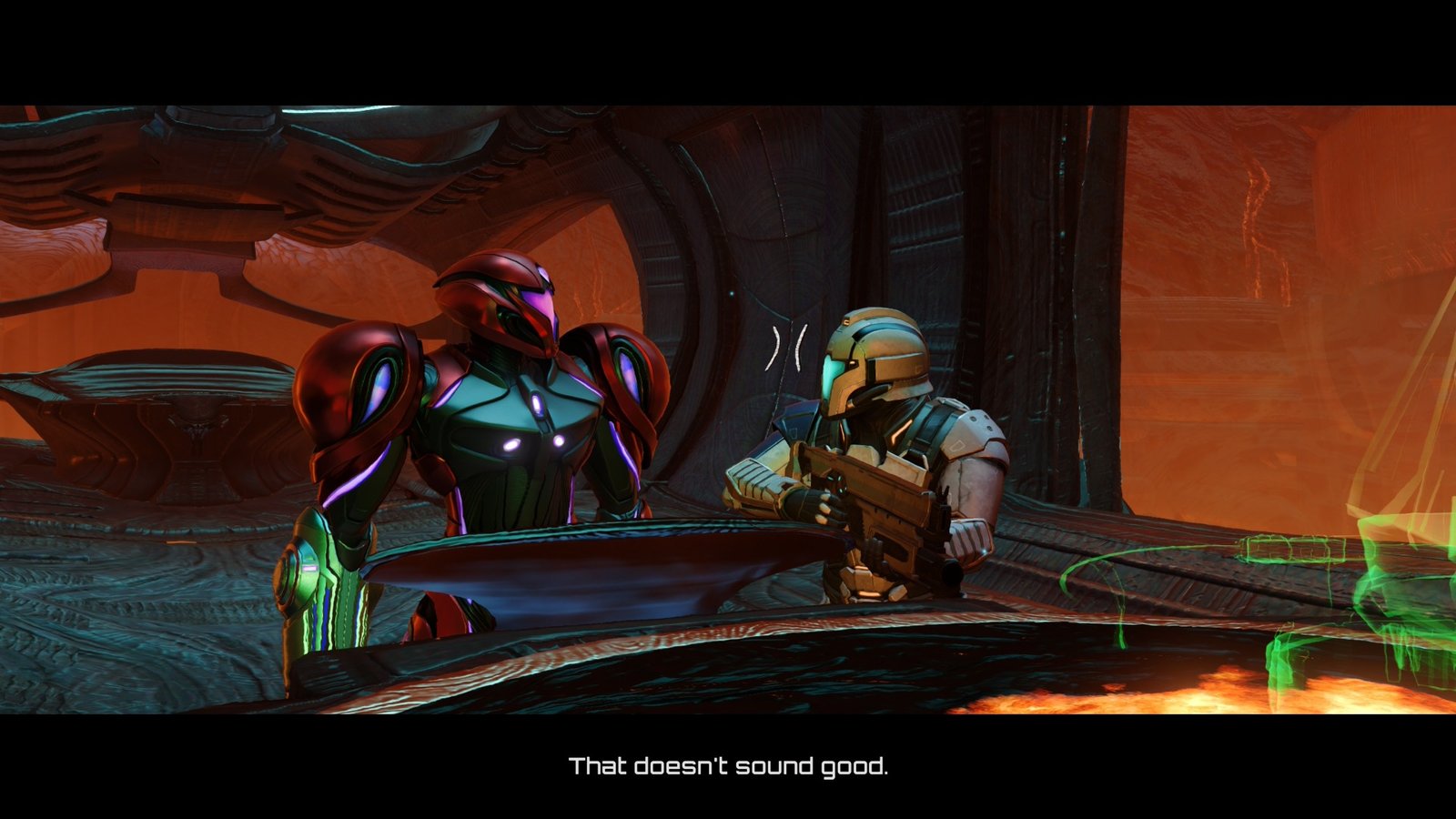
One of Metroid Prime 4: Beyond’s most controversial choices is its increased emphasis on supporting characters. Galactic Federation soldiers populate much of Viewros, frequently accompanying Samus and providing constant radio chatter. Sylux, positioned as a major rival, is more present in concept than in execution.
The issue is not the characters themselves, but their intrusion. The series’s strength has always been its atmosphere of solitude. Here, that atmosphere is regularly punctured. Moments that should feel tense or mysterious are softened by commentary, exposition, or misplaced levity.
There are sections early on where the game strips away the elements, leaving Samus alone with the environment. These moments are quietly powerful, and they highlight what is lost when the game feels compelled to explain itself.
An Endgame of Sol Crushing Tedium
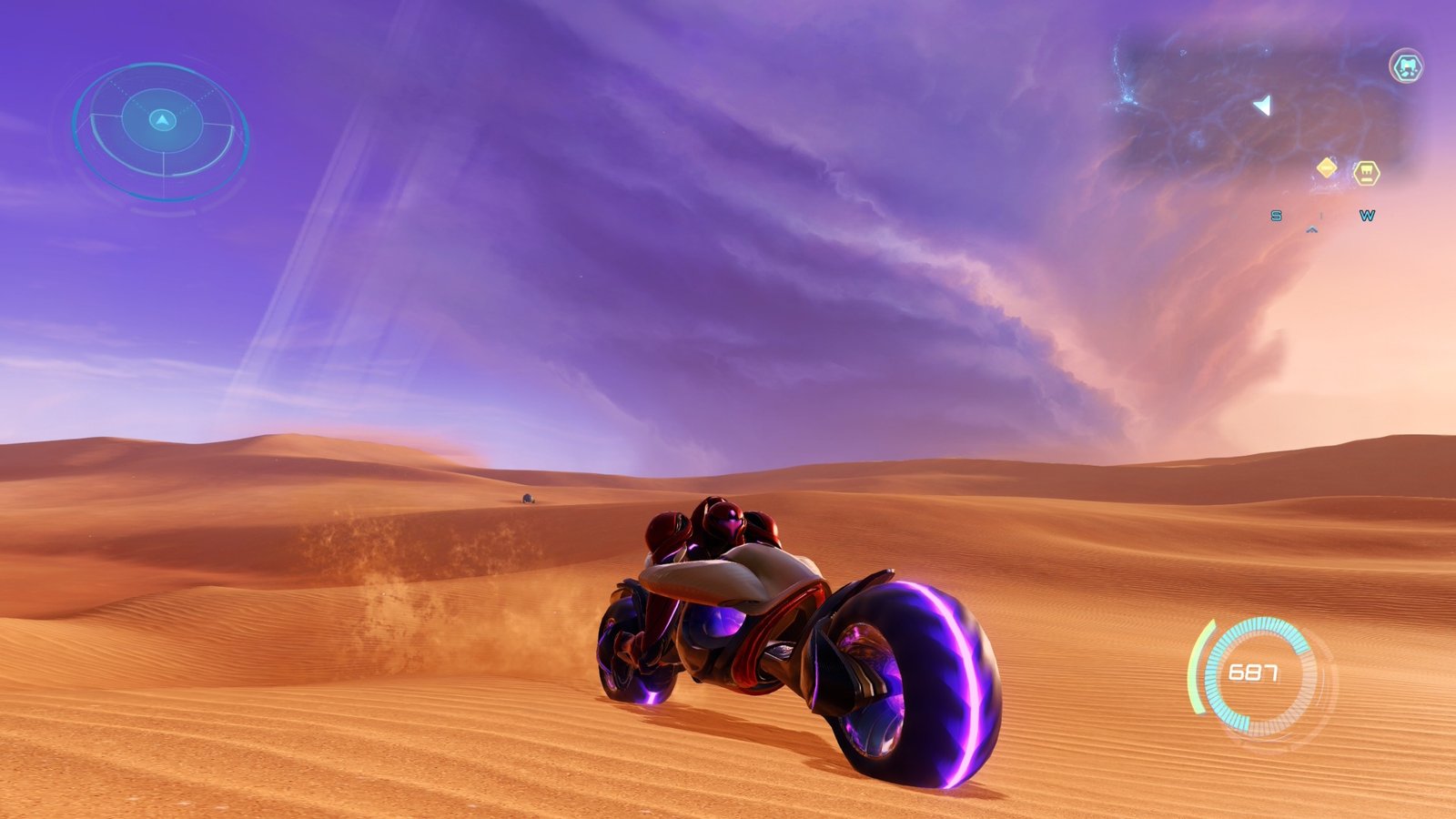
Late in the experience, Metroid Prime 4: Beyond falters most visibly. Sol Valley, the game’s central hub, becomes the focus of an extended collectible hunt centred around Green Crystals. What initially appears optional becomes mandatory, halting momentum just as the narrative should be accelerating.
Unless players have been diligently collecting throughout the campaign, the result is a prolonged scavenger hunt that feels more like padding than purpose. The comparison to Wind Waker’s Triforce Hunt is unavoidable, not because it is identical, but because it disrupts pacing in a similarly frustrating way.
It is a reminder that design conventions once accepted are not always welcome today.
Reluctant to Leap
Metroid Prime 4: Beyond feels like a game shaped by caution. It honours its lineage with care, executes its vision with technical confidence, and rarely falters in craftsmanship. At the same time, it avoids meaningful risk.
There is respect here. Respect for fans, for history, and for a formula that once defined exploration in three dimensions. What is missing is the sense of curiosity that once pushed the series forward. Metroid Prime 4: Beyond does not fail. It simply stops short of greatness.
For some, that will be enough. For others, it will feel like a missed opportunity wrapped in excellence.
Metroid Prime 4: Beyond is now available on the Nintendo Switch and Nintendo Switch 2.
SavePoint Score
Summary
Metroid Prime 4: Beyond is a beautifully crafted return that values restraint over reinvention, leaving a strong but slightly hollow impression that loses its wonder.
