

Table of Contents
Black Myth: Wukong Drives Record Tourism Growth in Shanxi Province
Black Myth: Wukong’s Cultural Impact Reaches Beyond Gaming
Not merely a critically acclaimed action RPG, Game Science‘s Black Myth: Wukong has emerged as a landmark achievement for China’s video game industry. Its success has already inspired a new wave of culturally grounded AAA ambitions among local developers. Now, the game’s influence has extended into an unexpected space: real-world tourism.
As reported by Automaton, Qingping Gao, CEO of the Shanxi Tourism Organization and Xuejun Xuan, curator of a Black Myth: Wukong–themed art exhibition, both shared that the game has played a significant role in driving renewed interest in Shanxi Province, turning digital mythology into tangible economic impact.
Real-World Locations Bring the Myth to Life
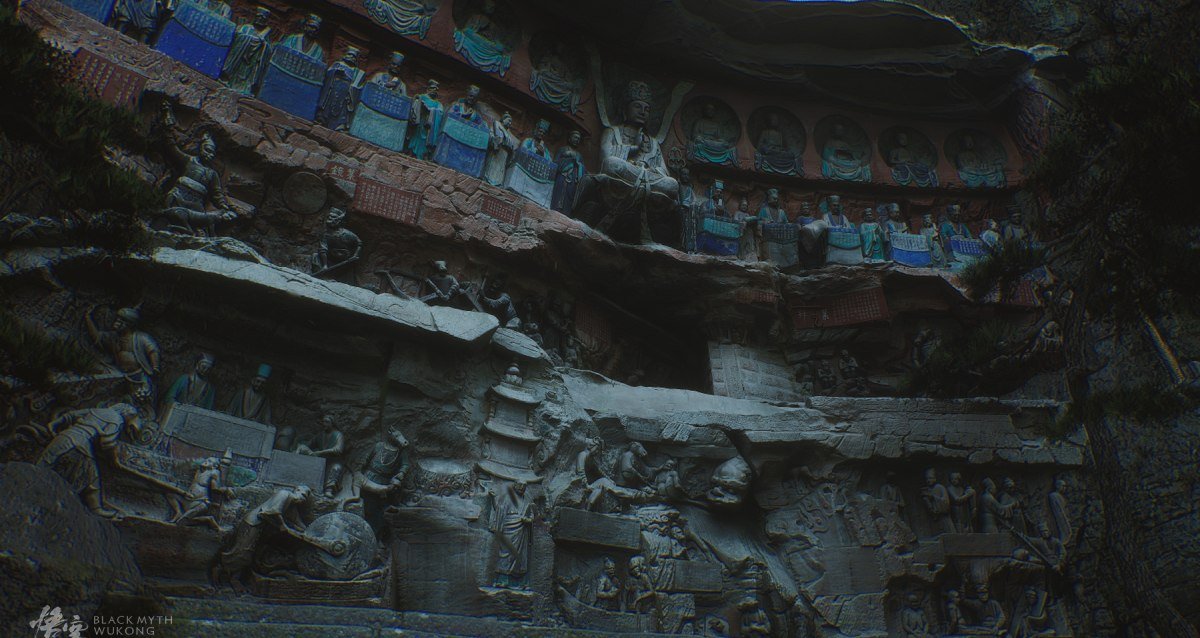
A major reason for this surge lies in the game’s environmental design. Black Myth: Wukong features at least 36 real-world locations, 27 of which are directly inspired by cultural heritage sites and historical landmarks in Shanxi. Rather than loosely referencing history, the game faithfully recreates architectural styles, religious structures, and natural landscapes, giving players a recognisable bridge between fantasy and reality.
This authenticity has encouraged players to visit the locations that inspired the game. Within two months of the game’s 2024 release, ticket sales at major heritage sites reportedly totalled 160 million Yuan (roughly USD 22.7 million). The impact extended to surrounding industries, including hotels, dining, transportation services, and local retail.
Search Traffic and Social Reach Surge
The effect was not limited to physical travel alone. Online interest in Shanxi tourism surged following the game’s launch. Tourism-related search queries tied to Shanxi reportedly rose by 3,178% year-on-year, indicating a massive surge in curiosity driven directly by Black Myth: Wukong.
Across social media platforms, content related to Shanxi accumulated over 40 billion views, transforming the province into a viral cultural talking point both domestically and internationally. The game effectively functioned as a global marketing campaign without traditional advertising spend.
Government Action Amplifies Momentum
Local authorities were quick to recognise the opportunity. Shanxi’s tourism division introduced targeted promotional initiatives positioning Black Myth: Wukong as a core cultural touchpoint, integrating the game into official tourism messaging and campaigns. This strategic response helped convert viral interest into sustained visitor engagement.
With multiple Chinese-developed titles currently in production and several high-profile releases expected next year, including Black Myth: Zhong Kui, this may be only the beginning. Its success suggests that video games could increasingly play a central role in shaping cultural tourism strategies across China’s provinces.
