

Table of Contents
Resident Evil Requiem Reframes the Franchise’s Horror–Action Identity
With its most recent showcase, Capcom has shared vital details clarifying how Resident Evil Requiem is shaping its identity within the long-running survival horror series. Rather than leaning fully into action or returning wholesale to slow-paced horror, the upcoming entry is positioned as a deliberate midpoint between both philosophies.
Capcom describes this next adventure as a project designed to reconcile the franchise’s modern scale with its classic sense of vulnerability, tension, and player restraint.
Classic Survival Mechanics Make a Return
One of the clearest signals of this intent is the return of ribbon-based saving, a mechanic synonymous with early Resident Evil titles. While optional, the system limits manual saves by requiring consumable ribbons, reintroducing risk management and decision-making into moment-to-moment play.
Capcom has confirmed that players will be able to toggle between classic and modern save systems, allowing newcomers to opt for accessibility while longtime fans can embrace a more punishing survival experience. This flexibility reflects a broader design goal of letting players define how tense or forgiving their playthrough becomes.
Dual Protagonists With Distinct Playstyles
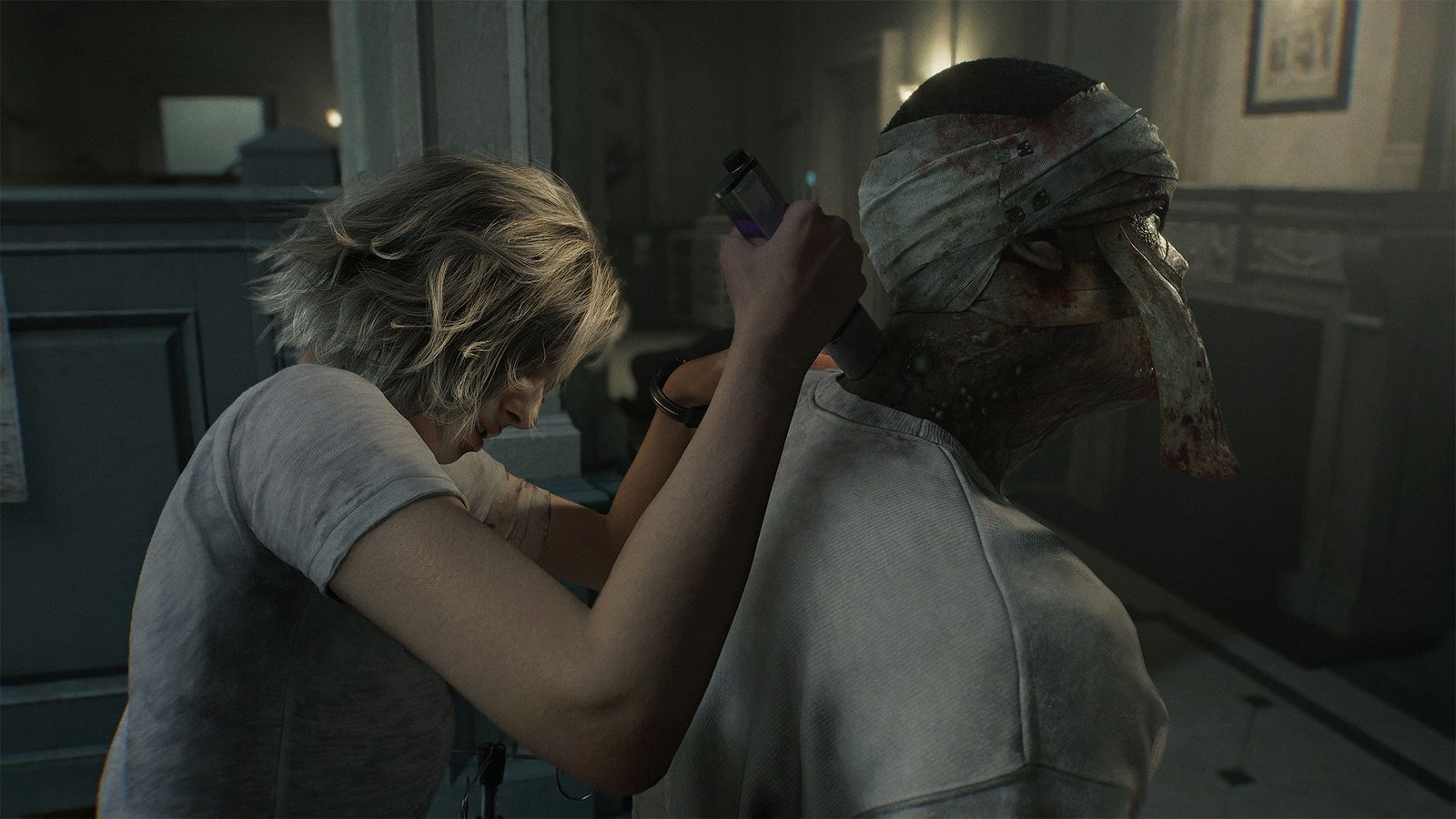
Resident Evil Requiem also introduces dual protagonists, each built around different gameplay priorities. Grace Ashcroft leans closer to traditional survival horror, emphasising limited resources, slower pacing, and environmental awareness.
Instead of confronting the undead, players will have to learn how to manage resources more stringently, while being holding in their fear and be patient to learn patterns. Capcom also showed off a new crafting system using enemies’ blood samples, which should make for a nifty risk-reward system.
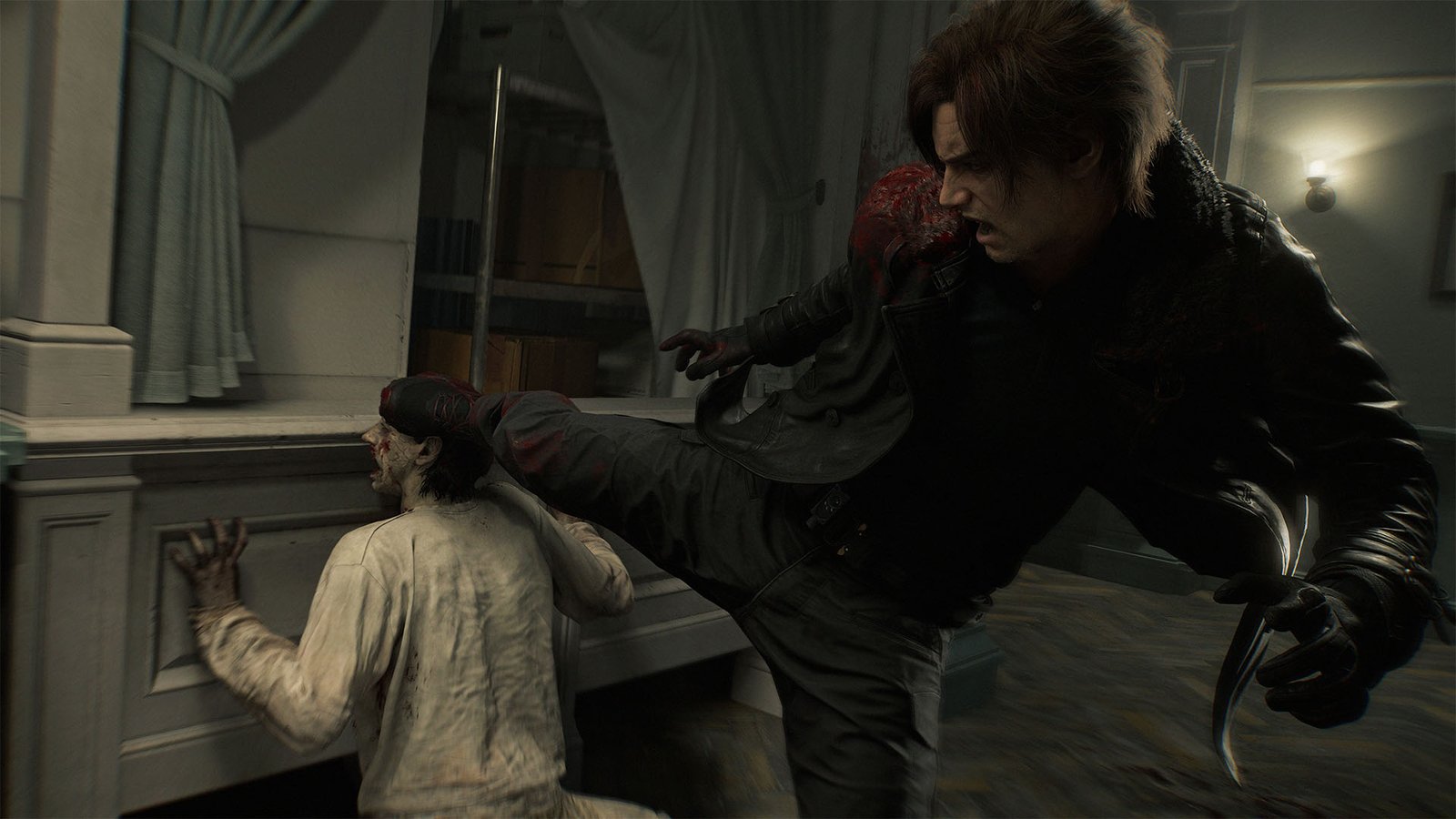
On the other hand, Leon Kennedy offers a more action-oriented approach, with greater combat proficiency and mobility. The veteran agent is not just handy with firearms, but with a sharp hatchet, he can brutalise the zombies coming his way like no other.
Rather than splitting the game into isolated campaigns, Capcom has structured the experience so that both perspectives feed into a single overarching narrative. This design allows the game to shift tone organically without abandoning its horror roots.
Horror Through Contrast, Not Escalation
Resident Evil Requiem does not aim to simply outdo previous entries in scale or spectacle. Instead, tension is created through contrast. Quiet exploration gives way to sudden encounters, while moments of empowerment are offset by renewed vulnerability.
Enemy behaviour has also been adjusted to reinforce this balance, with foes reacting dynamically depending on player actions, positioning, and available resources. The goal is to keep players uneasy even when they feel temporarily in control.
The way the undead will behave is key to this, adding another layer of tension to the proceedings. Rather than lying in wait, some of these foes will retain a form of autonomy, ensuring that even if you come back to a location later on, you will still be in for a nasty surprise.
A Bridge Between Old and New Resident Evil
Taken together, these systems suggest that Resident Evil Requiem is less about redefining the franchise and more about reconciling its past and present. By blending optional classic mechanics with modern pacing and structure, Capcom appears intent on creating an entry that speaks to both survival horror purists and players who came in through the series’ more action-heavy instalments.
While Capcom has yet to fully outline how these ideas will evolve across the full game, Resident Evil Requiem is shaping up to be a carefully considered response to years of debate over what Resident Evil should be.
