

Table of Contents
Yakuza Kiwami 3 & Dark Ties on PS5 Pro
Okinawa Revisited: A Quieter Chapter Restored for a Modern Era
There was always something contentious about the third chapter in Kazuma Kiryu’s saga. Where earlier entries thrived on escalating gang conflict and urban tension, Yakuza 3 slowed the tempo and relocated the Dragon of Dojima to Okinawa, placing him in the role of guardian rather than combatant. For some, that shift represented maturity. For others, it disrupted momentum.
Yakuza Kiwami 3 & Dark Ties, developed by Ryu Ga Gotoku Studio and SEGA, returns to that divisive arc with the benefit of hindsight and modern technology. Built in the Dragon Engine, the remake transforms Okinawa’s coastal calm and Kamurocho’s neon intensity into spaces that feel cohesive with the contemporary Like a Dragon lineage. Character models are expressive, environmental lighting adds warmth and grit in equal measure, and transitions between exploration and combat are seamless.
Yet the emotional core remains intact. Kiryu’s time running the orphanage is not sidelined or streamlined into something more action-driven. Instead, the remake leans into domesticity. The quiet conversations, the everyday responsibilities, and the sense of reluctant retirement still define the tone. That decision is admirable for its integrity, even if the pacing occasionally drifts.
Yakuza Kiwami 3 & Dark Ties is not a reinvention. It is a restoration that respects its past.
Dark Ties Rewrites the Moral Lens
If the remake restores history, Dark Ties reinterprets it. Mine was once a formidable ideological opponent, but his motivations were only partially explored. In Dark Ties, he becomes the emotional centrepiece. Playing through his perspective reshapes the conflict, allowing ambition, insecurity, and loyalty to surface in ways that complicate the original narrative.
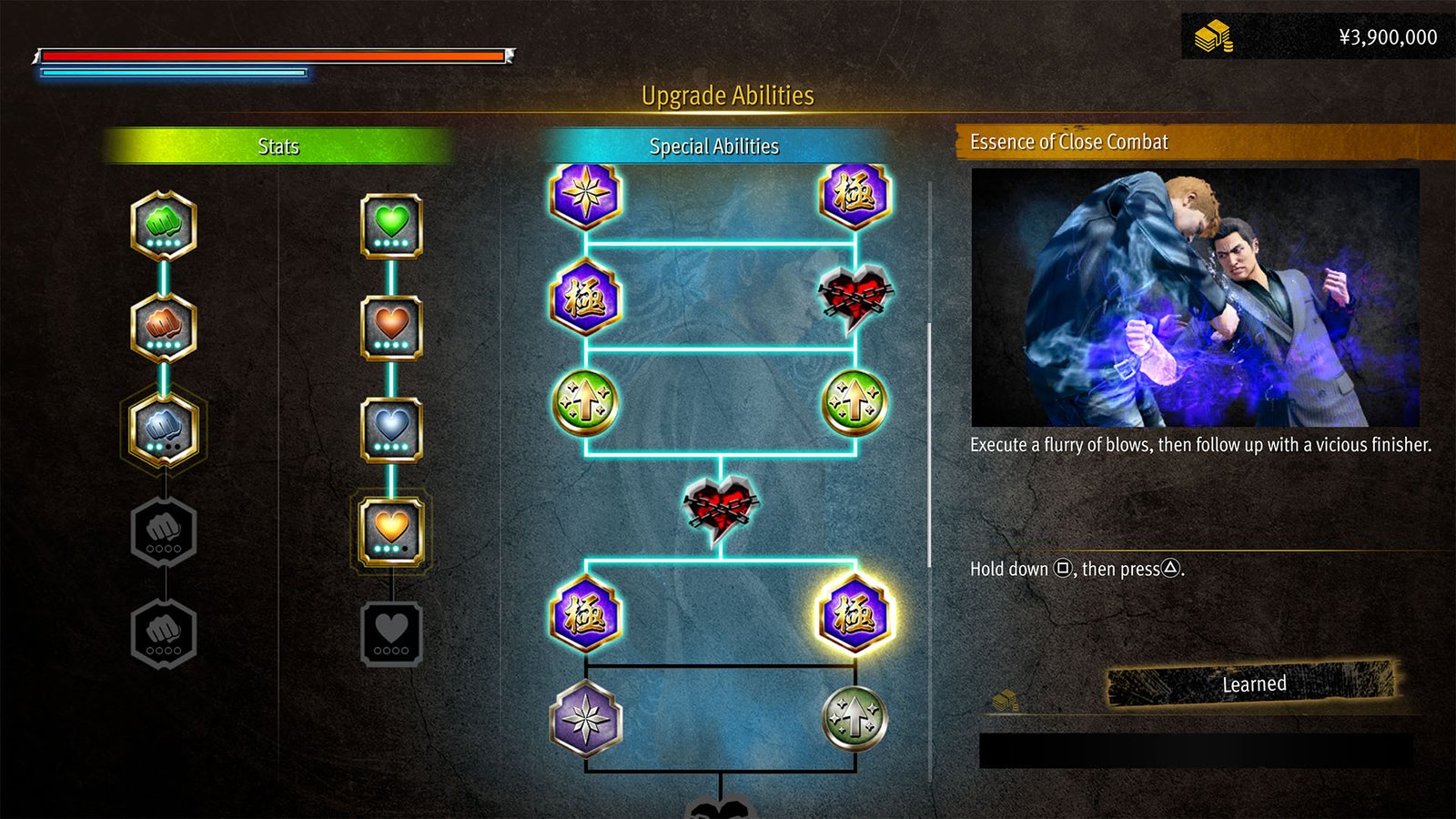
His combat style reinforces this distinction. Where Kiryu embodies resilience and control, Mine fights with sharper aggression and technical precision. Encounters feel distinct enough to justify the dual campaign structure, though they still operate within familiar mechanical boundaries.
More importantly, Dark Ties feels focused. It maintains thematic cohesion around identity and self-worth, avoiding some of the tonal zigzagging that defines the main campaign.
The expansion does not overwrite events. Instead, it deepens them, reframing Mine not as a mere antagonist but as a tragic figure shaped by ideology and pride. It is this addition in Yakuza Kiwami 3 & Dark Ties that elevates the bundle from an archival remake to a meaningful reinterpretation.
Fights Feel Better, But Not Transformative
Combat benefits significantly from the Dragon Engine overhaul. Animations are fluid, impacts are weighty, and heat actions deliver cinematic satisfaction. Environmental interactions add dynamism to street encounters, and boss fights retain the theatrical intensity the series is known for.
However, refinement is not the same as evolution. Compared to more recent entries in the broader franchise, the combat in Yakuza Kiwami 3 & Dark Ties remains iterative rather than innovative. Enemy encounters can feel repetitive in longer stretches, and certain mission chains reveal the age of the underlying design.
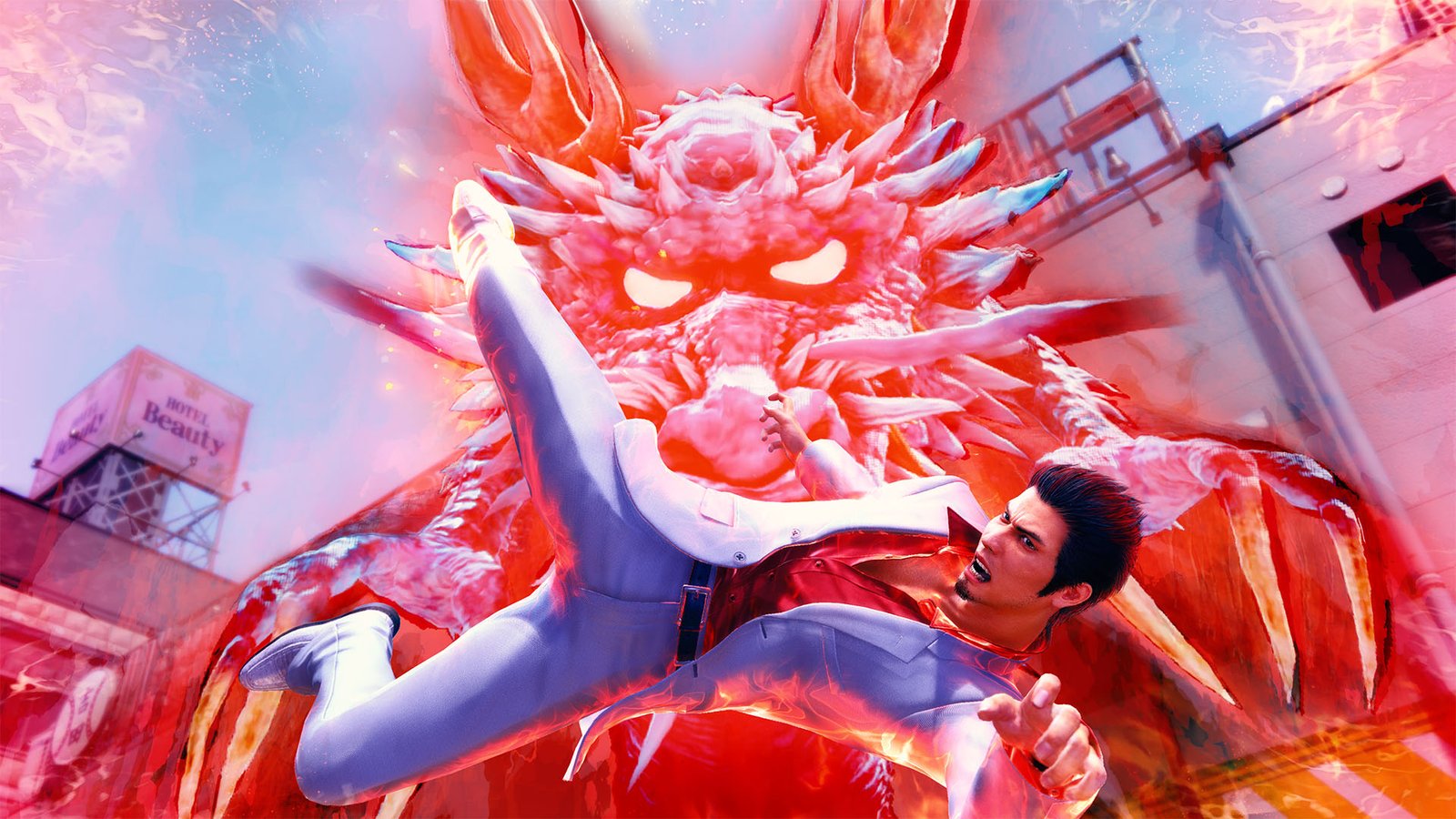
Boss battles shine brightest in Yakuza Kiwami 3 & Dark Ties. They combine spectacle, narrative tension, and mechanical challenge in ways that remind players why the series endures. Yet between those peaks lie quieter valleys where pacing slackens, and urgency fades. The systems are competent and enjoyable, but rarely surprising.
Drama, Domesticity, and the Rhythm That Divides
The most persistent issue is structural rhythm. The orphanage storyline grounds Kiryu emotionally, offering a rare portrait of vulnerability and responsibility. These scenes are heartfelt and human.
But the oscillation between domestic tenderness and organised crime melodrama can be jarring. Just as tension builds, side activities and tonal diversions intervene. For long-time fans, this contrast is part of the series’ charm. For others, it can dilute dramatic momentum.
Yakuza Kiwami 3 & Dark Ties smooths edges but does not fundamentally recalibrate this cadence. Nor should it. To erase that structure would be to erase the chapter’s identity. Instead, the game accepts its historical framework and modernises within those boundaries. That integrity is commendable, though it comes at the cost of pacing consistency.
A Thoughtful Bridge Between Eras
Visually polished and narratively enriched, Yakuza Kiwami 3 & Dark Ties stands as a bridge between the franchise’s past and present. It honours Kiryu’s quieter years without rewriting them into something louder. It grants Mine the depth he always hinted at but never fully realised.
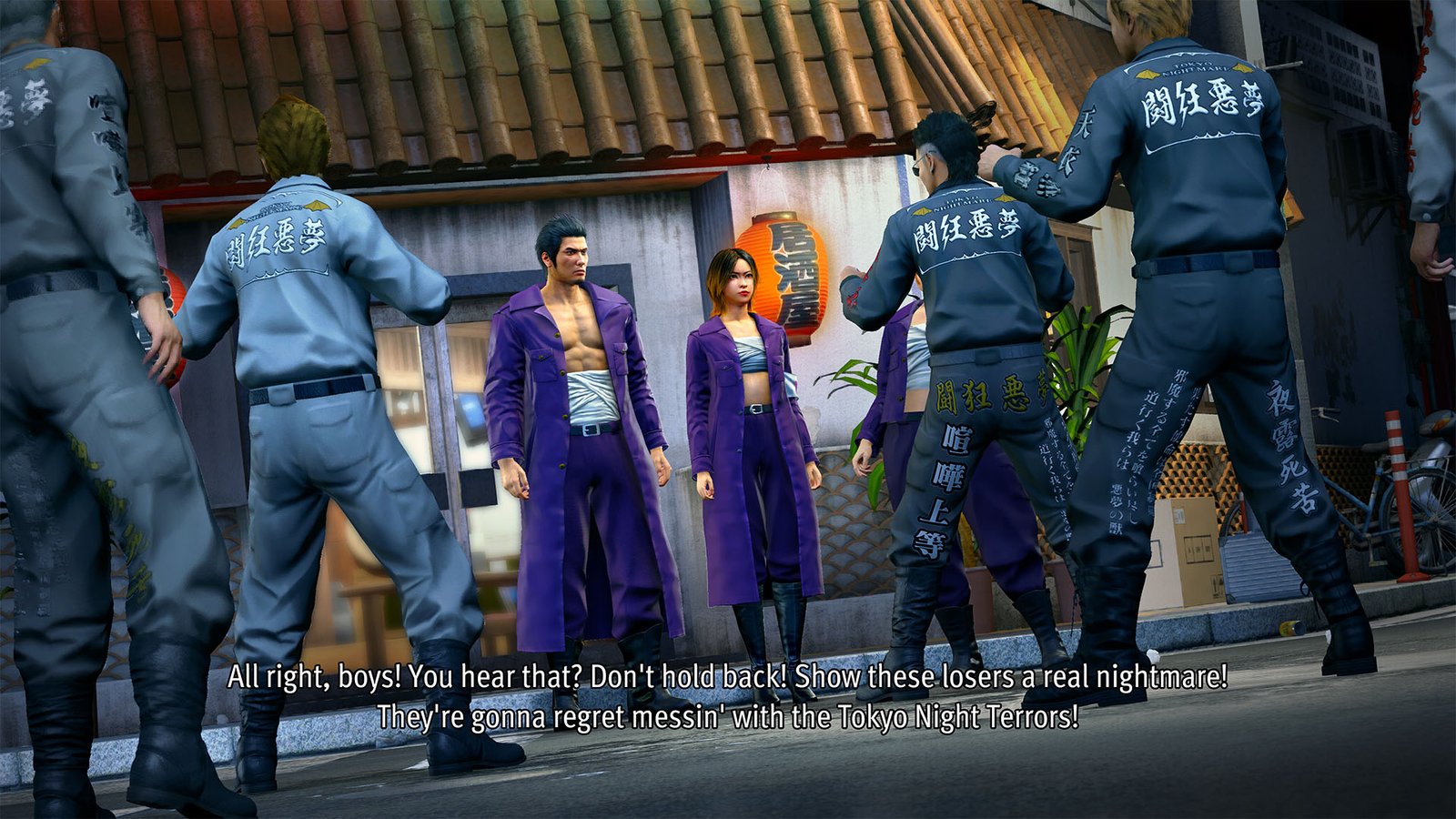
It does not redefine the series. It does not eclipse its most mechanically ambitious entries. What it offers instead is empathy and context, strengthening one of the saga’s most debated chapters through perspective and polish.
For devoted fans, this is a meaningful expansion of legacy. For newcomers, it is a compelling but imperfect window into a pivotal era.
Yakuza Kiwami 3 & Dark Ties is now available on PlayStation 5, PlayStation 4, Xbox Series X|S, PC, and Nintendo Switch 2.
SavePoint Score
Summary
Yakuza Kiwami 3 & Dark Ties delivers emotional character depth and strong value, but its structural age and uneven pacing prevent it from reaching the heights of the series’ best.
