

Table of Contents
Crimson Capes on PC
Crimson Capes makes a strong first impression. Poor Locke’s dark fantasy action RPG arrives on PC with real conviction, immediately standing out through its richly detailed pixel art, oppressive atmosphere, and weighty combat. This is not a game built around speed or easy empowerment. It wants every movement to feel deliberate and every fight to carry consequences. When that approach clicks, Crimson Capes feels distinctive and deeply considered.
That sense of intent is what makes the game easy to respect. It knows what it wants to be, and it commits to that vision with admirable confidence. Its combat is grounded in timing, spacing, and discipline rather than flashy excess, while its world carries enough visual character to rise above a crowded field of grim fantasy indies. For long stretches, it feels like the kind of game that has found its own voice.
The problem is that Crimson Capes does not always sustain that momentum. The same weight that gives the combat impact also makes the broader experience feel sluggish, and the longer the adventure goes on, the more its friction starts to outweigh its strengths. What remains is a good action RPG with a memorable style and a solid combat core, but one that asks for more patience than it consistently rewards.
A Bleak World That Knows Its Identity
The presentation does a great deal of the heavy lifting, and thankfully, it is very good. Crimson Capes uses pixel art not simply as a nostalgic flourish, but as the foundation of its identity. Its environments feel severe and haunted, with ruined spaces, shadowy paths, and hostile corners that suggest a world shaped by violence and fear. There is a clear artistic vision here, and it gives the entire experience a sense of purpose from the outset.
Animation is just as important to that effect. Swings have heft, enemies move with menace, and the world itself often feels dense enough to pull you into its rhythm. There is a tactile quality to the way characters move and collide that helps sell the game’s grim physicality. Even when the pace starts to drag, the art and atmosphere keep making a case for pushing onward.
Crimson Capes also handles tone well. It is serious without becoming theatrical, choosing to build mood through visual storytelling and fragments of lore rather than drowning the player in constant exposition. That restraint works in its favour. The world feels larger than what is directly shown, and there is enough mystery to keep curiosity alive.
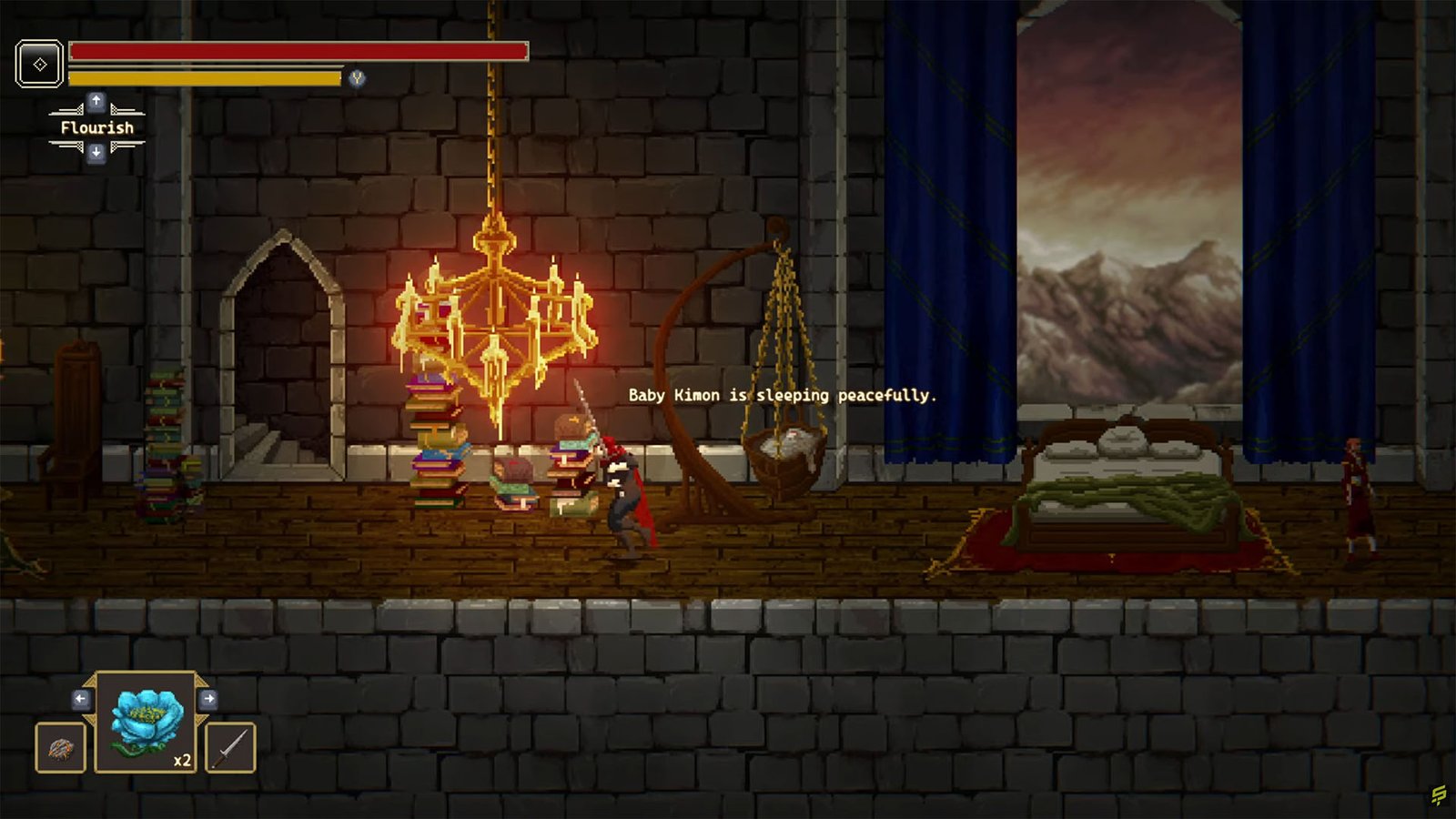
What does not quite land in the same way is the emotional side of the storytelling. The setting is intriguing, and the broader conflict has promise, but the narrative rarely reaches the same level as the presentation. You stay invested in the world itself, but not always in the people moving through it. It is enough to hold the game together, but not enough to elevate it.
Combat With Weight And Discipline
The combat is where Crimson Capes earns most of its goodwill. At its best, it delivers tense, deliberate encounters that demand focus. This is not a system that rewards button mashing or careless aggression. Every swing matters, positioning matters, and mistakes are punished quickly enough to make every small success feel deserved.
That measured pace gives the combat its identity. Rather than overwhelming the player with speed or spectacle, Crimson Capes leans into control and commitment. You watch enemy patterns, look for openings, and choose your actions with care. When the pieces line up, the game creates exactly the kind of pressure it is aiming for. Fights become less about domination and more about endurance, timing, and survival.
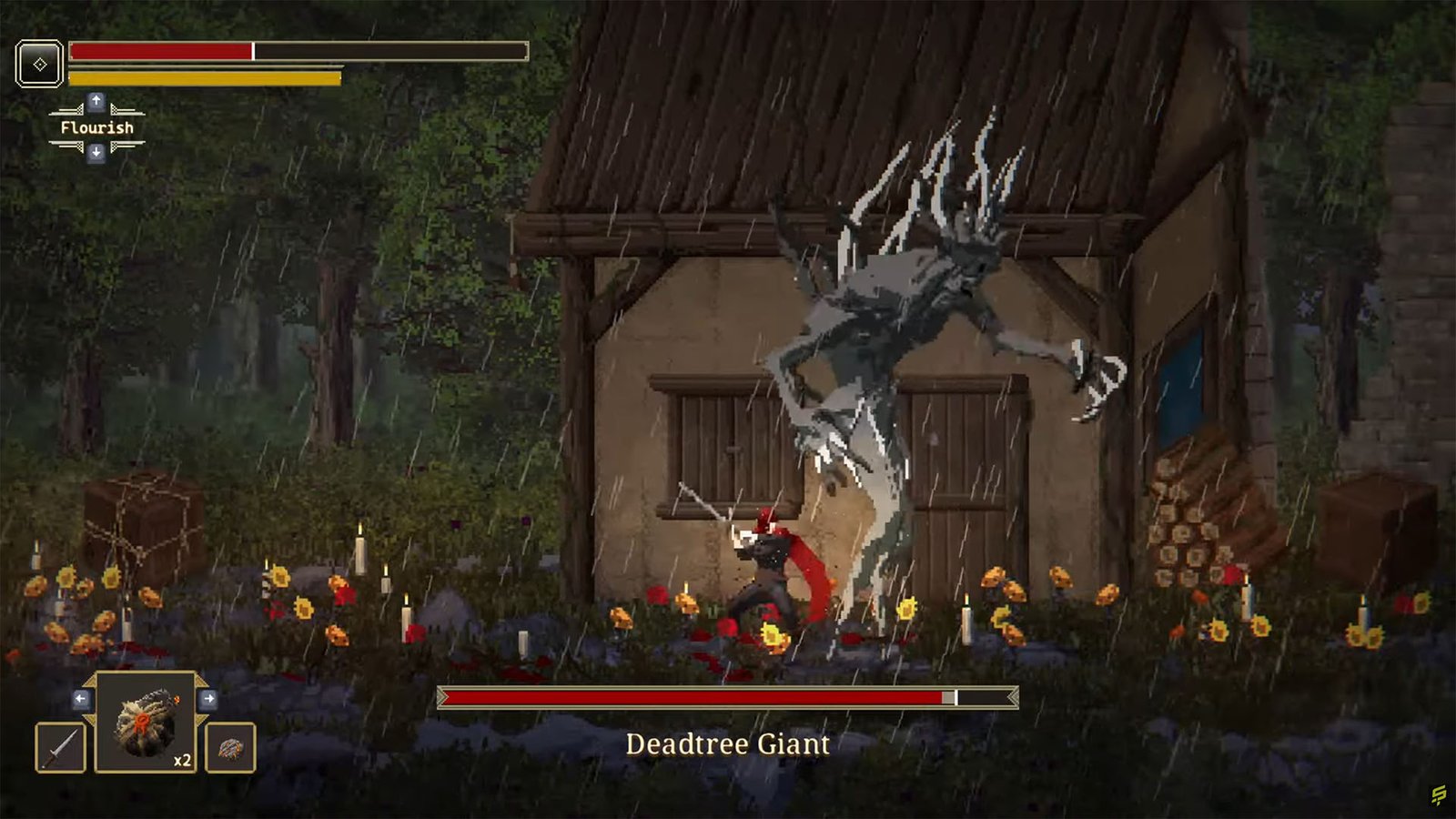
There is something satisfying about how uncompromising it can be. The game respects the player enough to ask for engagement, and its best encounters feel built around learning rather than cheap punishment. That rhythm translates well, especially for players who enjoy combat systems with a tangible sense of weight.
Still, the game does not always build on those strengths as well as it could. The fundamentals remain solid, but the long term variety does not always keep pace with the demands being placed on the player. After a while, the challenge remains, but the excitement fades. The combat still works, yet it begins to feel more repetitive than revelatory, and that weakens the overall journey.
Where The Weight Starts To Drag
Crimson Capes’ biggest issue is not its difficulty, but the way its heaviness extends into almost every part of the experience. Weight in combat can be a strength, giving actions consequence and helping the game stand apart. But outside of those moments, that same design philosophy can make movement and exploration feel slower than they need to be.
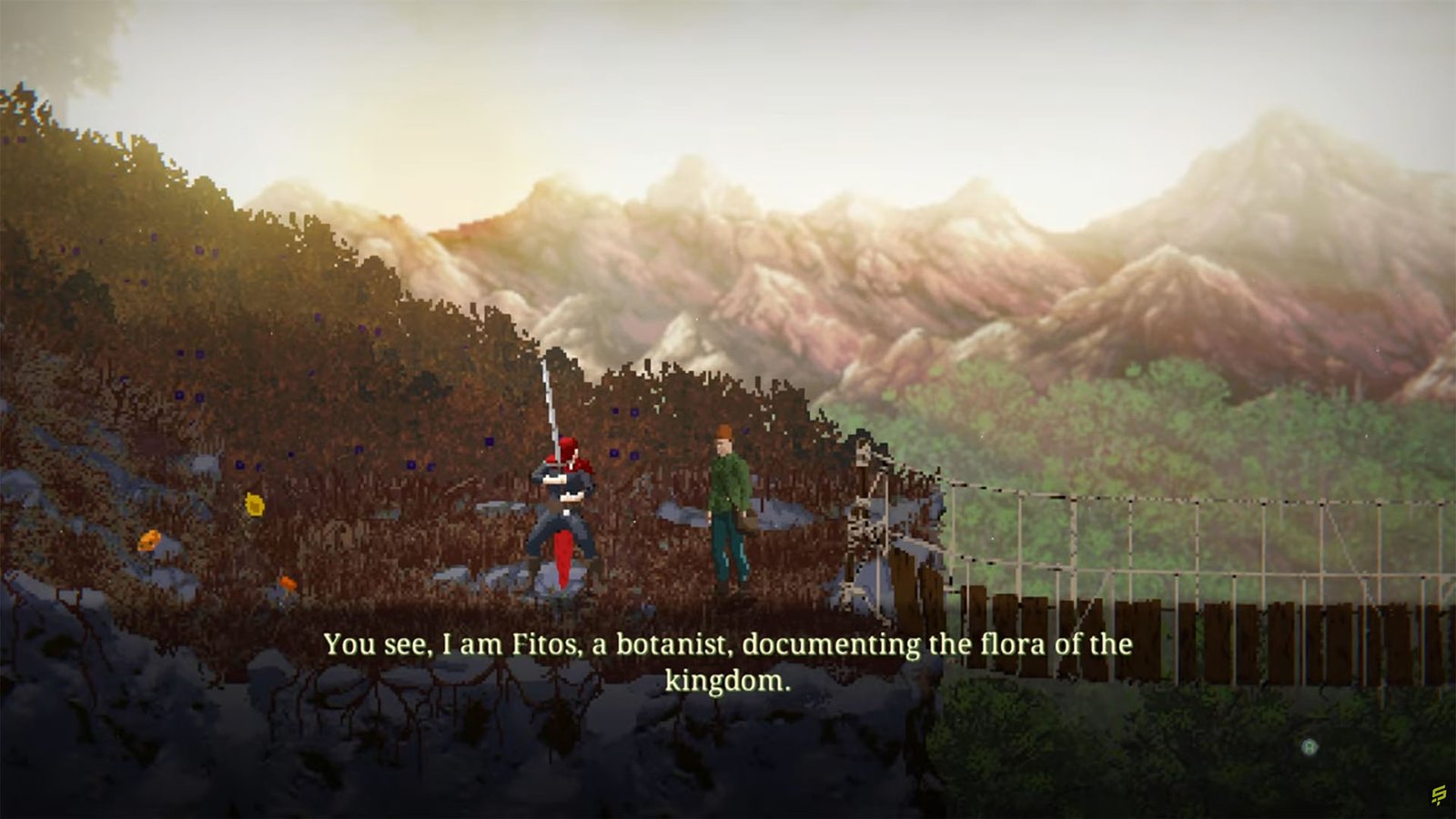
That drag becomes more noticeable the longer you play. Early on, the atmosphere and challenge create enough momentum to offset the friction. Later, the rhythm begins to wear thin. Encounters pile up, progression can feel vague, and the adventure starts to feel more exhausting than immersive. What initially feels deliberate can eventually come across as laborious.
Balance is part of that problem. The game clearly wants to be demanding, and there is nothing wrong with that in principle. But there are stretches where it feels less like the game is sharpening your skills and more like it is testing your tolerance. Toughness alone is not the issue. It is the broader sense of attrition that sets in over time.
There is plenty here to admire, and several elements genuinely impress, but the game cannot quite maintain its best qualities across the full run. Its strongest ideas remain intact throughout, yet the fatigue of getting from one high point to the next is too hard to ignore.
Falling Just Short Of Greatness
Even with those frustrations, Crimson Capes is still worth a look for players who enjoy dark fantasy action RPGs with a methodical edge. The combat has substance, the world has presence, and the visual identity is strong enough to leave a lasting impression. This is not a throwaway indie. It has confidence, craft, and a clear sense of self.
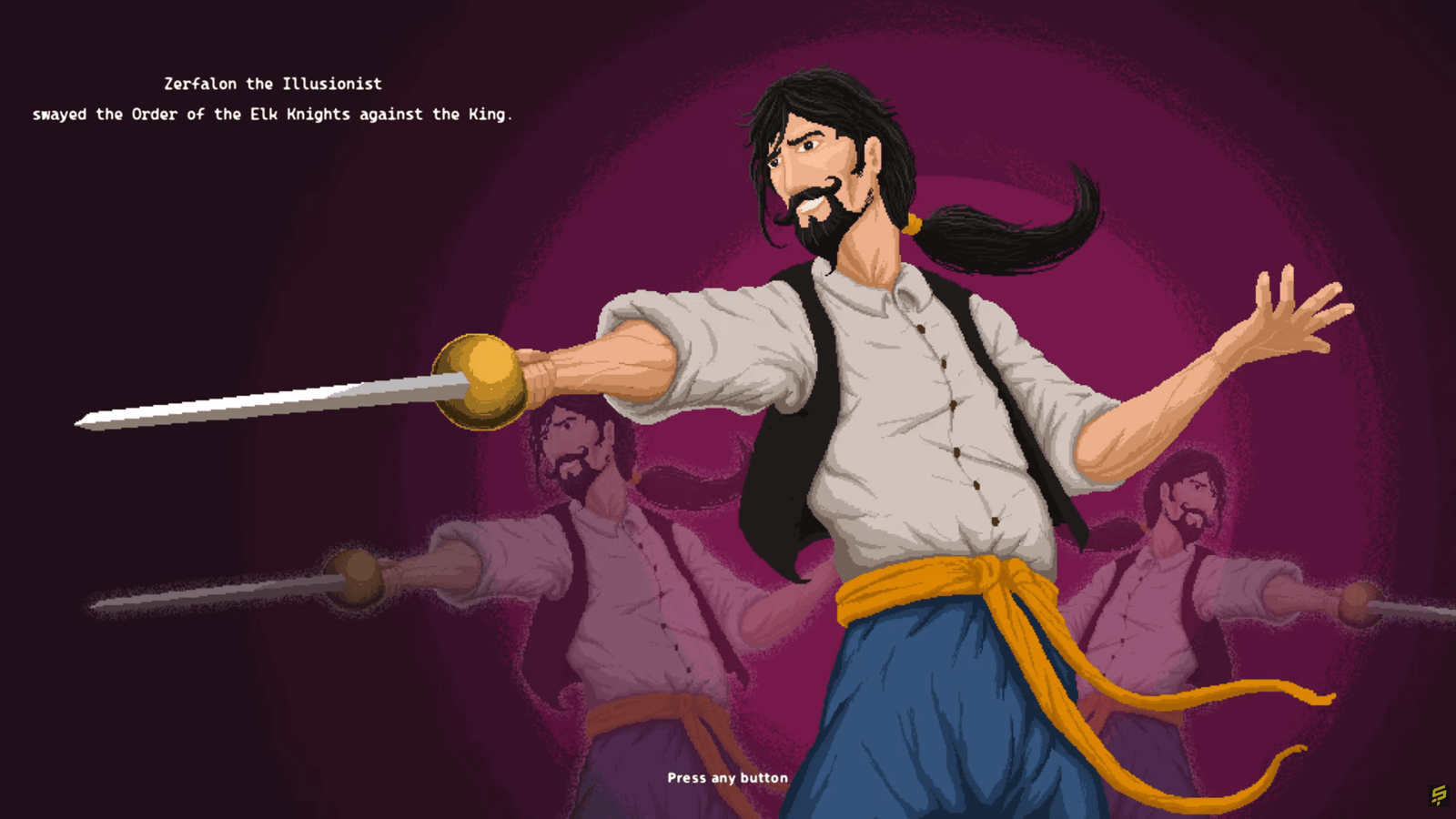
What holds it back is consistency. The experience can be striking, tense, and memorable, but it cannot sustain those qualities often enough to fully bloom. Its strengths are real, but so are its pacing and balance issues, and they shape too much of the experience to be dismissed as minor complaints.
For the right player, that trade off will still be worth it. Those willing to embrace its harsher rhythm will find a game with atmosphere and combat depth that feel genuinely distinct. Others may bounce off the same qualities that give it identity. Either way, Crimson Capes is a respectable effort with flashes of something greater, even if it never quite turns promise into a consistently excellent adventure.
Crimson Capes is available now on PC.
SavePoint Score
Summary
Crimson Capes delivers striking combat and atmosphere aplenty, but its heavy pacing and punishing flow keep it from greatness.
