

Table of Contents
Pokémon Pokopia on Nintendo Switch 2
Hot on the heels of Game Freak’s Pokémon Legends: Z-A, the long-running franchise celebrates its 30th anniversary with Pokémon Pokopia, a Nintendo Switch 2-exclusive spinoff that finally pushes the colourful universe closer to the cosy life sim space occupied by games like Animal Crossing and Stardew Valley, as fans wait for 2027’s Pokémon Winds & Pokémon Waves.
That said, “closer” is the keyword here. While Pokémon Pokopia borrows plenty from those modern classics, it soon becomes clear that it has even more in common with Minecraft and Omega Force’s own Dragon Quest Builders 2.
Add roaming fan-favourite Pokémon from across the series’ history, including icons like Charmander and Piplup alongside more overlooked picks such as Vikavolt and Carkol, and you have something that feels instantly distinctive.
A collaboration between Game Freak and Omega Force could easily have resulted in a smaller side project that leans on the franchise’s inherent cuteness and brand recognition to prop up a shallower life-sim and crafting-sandbox hybrid. Instead, Pokopia sits comfortably alongside its biggest inspirations and even pushes the formula in surprising ways. More importantly, it delivers one of the most mature storylines the Pokémon series has explored to date.
Making Friends

The premise of Pokémon Pokopia is simple. Humans are seemingly gone, at least from the familiar region where the Ditto protagonist awakens, and it falls to you to restore a variety of environments while building a “Pokopia” that Pokémon can return to and help develop.
If that sounds like a potentially aimless experience built entirely around grind and creative satisfaction, the good news is that the game does far more with the idea. As Ditto, you retain the iconic ability to mimic other Pokémon’s looks and skills, but you also seem to have prior experience with humans, which explains why you try to resemble one in the first place.
As Pokémon wander through the world alone and without direction, your job is to bring them together and work towards a brighter future that avoids humanity’s past mistakes. The series’ familiar themes of community, friendship, and living in balance with nature are all present in Pokémon Pokopia, but here they gain fresh weight as you rebuild without the usual framework of battles or human-led competition.
Summoning lost Pokémon back to regenerated environments is refreshingly intuitive. Restore specific habitats by grouping together certain blocks or items, with some requiring rarer resources, and before long, a new Pokémon appears.
From there, they become independent residents who are generally happy to help, can follow you around with impressively reliable pathfinding, and teach new tricks such as watering terrain, breaking rocks, or flying. In turn, those abilities open up even more ways to reshape each area and attract more Pokémon.
Humble Beginnings
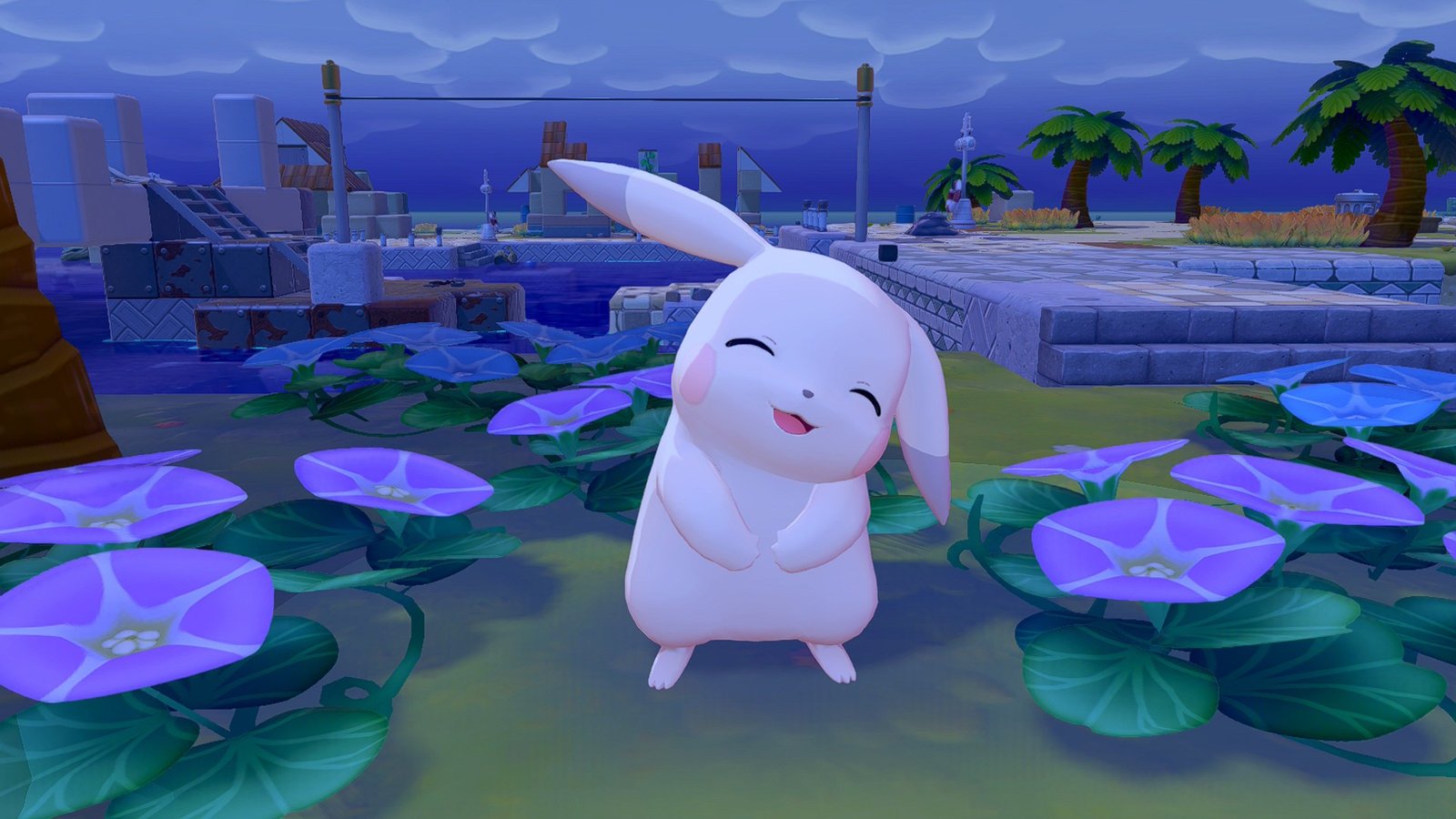
There is not much mystery to Pokémon Pokopia’s core structure. Across a handful of distinct areas, you fix what is broken, whether that means addressing environmental problems or fulfilling more personal requests. The ultimate aim is to make life better for everyone and, hopefully, uncover what became of humanity. The Pokémon can survive on their own, especially once Ditto starts putting things right, but the world still carries the sense that something important has been lost.
Of course, gathering basic materials and placing blocks to satisfy your Pokémon companions would quickly grow stale on its own, which is why requests both large and small begin stacking up at a steady pace. Some are critical to unlocking new regions and setting larger-scale story events in motion, while others simply enhance an area’s appeal and make its residents happier.
The result is a loop that always gives you something to pursue and a clear path forward, complete with a main quest that keeps objectives readable without becoming overbearing. That alone makes Pokémon Pokopia an easy recommendation for anyone with even a passing interest in the franchise or its underlying systems.
The developers also make the smart decision not to rush players forward or drag the central journey out beyond what it can support. There is plenty to do and uncover across the game’s four main areas, even before accounting for post-game content, side mysteries, and a fifth location built around near-limitless creativity. At the same time, the sense of progression remains measured, with discoveries arriving at a pace that steadily makes life easier for both you and the communities you are rebuilding.
Fluid Rhythm

What makes Pokémon Pokopia so enchanting, and such an easy game to lose hours to, is not simply the volume of content or the flexibility of its building, crafting, and terraforming tools. Its real strength lies in how effectively it strips away the kind of repetition that often weighs down life sims and survival crafting games.
Much of the tiresome resource management is removed. The Pokémon feel autonomous enough to live their own lives unless you decide to improve things further. Side stories are consistently funny, and they often reward players with discoveries or tools that meaningfully change how they approach larger requests. Pokopia is exceptionally good at keeping the player engaged without ever feeling punishingly grindy.
Pokémon Pokopia‘s sandbox structure also means it is easy to sequence-break major quest steps without even realising it, but the game is surprisingly graceful in how it responds. It usually acknowledges those moments with amusing dialogue and simply keeps things moving. Once the tutorial-heavy early hours are behind you, there is a good chance you will stay ahead of several requests simply by being curious whenever a new area opens up.
Professor Tangrowth actively supports that spirit, functioning as a gentle guiding hand who helps when players feel stuck or directionless. Need upgrades or fresh items? The personal computers in Pokémon Centres offer tasks and rewards, many of which rotate daily.
And if revisiting each area after solving its key mystery to transform it into a bustling, beautiful community does not already sound like enough, Pokémon Pokopia also offers other worlds to explore. You can visit other Dittos’ creations, venture into procedurally generated dream islands packed with resources and objects to bring home, and even establish Minecraft-style persistent islands where friends can build together freely. However you choose to play, the game offers fans plenty of reasons to keep coming back.
Growing Pains
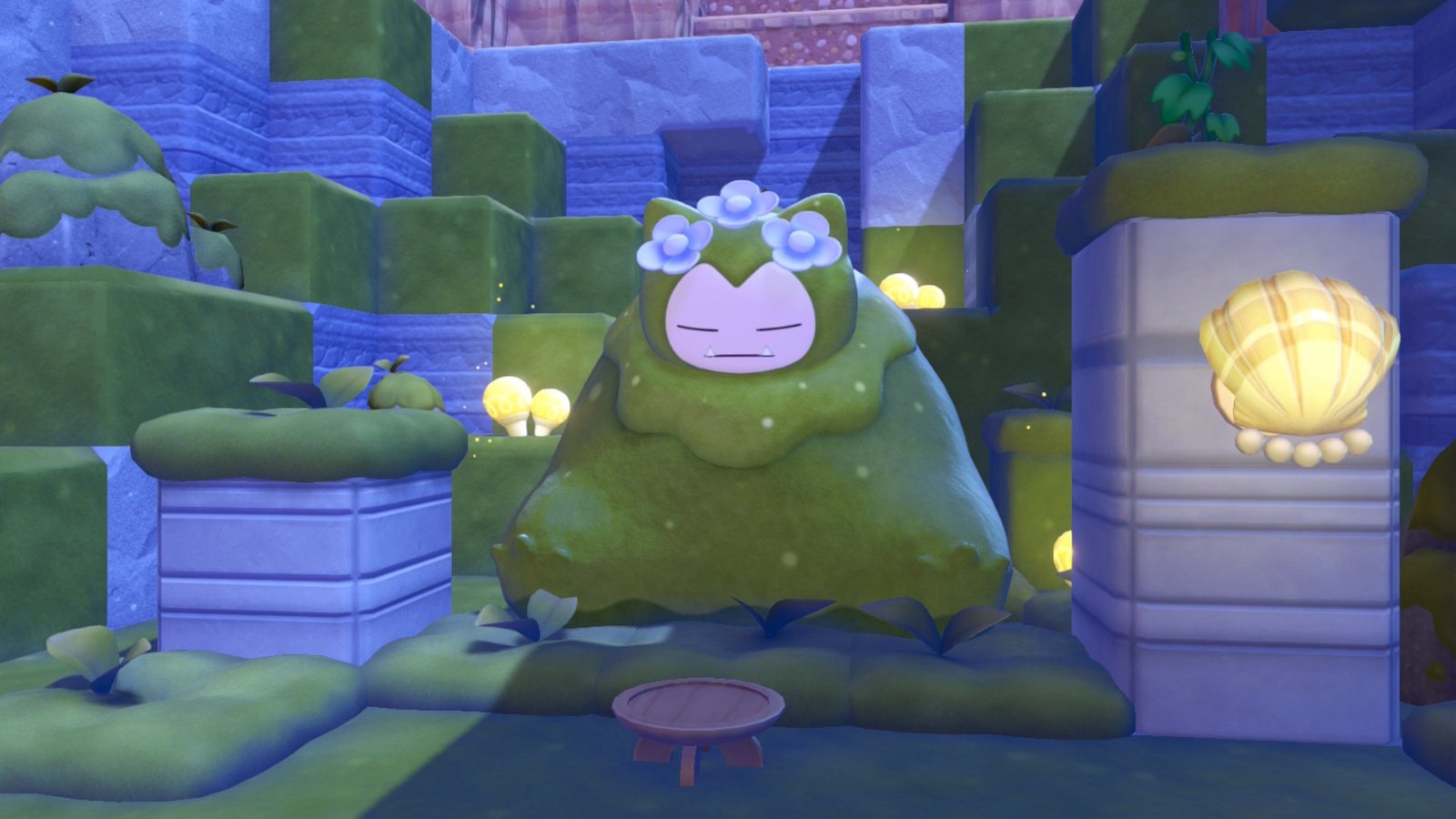
The biggest frustrations emerge on the crafting side. Early on, placing storage boxes everywhere feels like a sensible way to stay organised, and each area benefits from a few. The problem is that storage is not shared across regions, meaning you will often have to teleport back to another home just to grab the materials or items needed for a recipe in your current location.
In a game that works so hard to remove friction elsewhere, that feels like a baffling omission in Pokémon Pokopia, even if it is one that could theoretically be addressed in a future patch. Time-gating will likely prove divisive, too. The real-time day-night cycle itself is not especially restrictive, and “come back tomorrow” usually just means returning the following morning rather than waiting a full 24 hours.
Even so, properly expanding villages and completing major story requests can cause downtime that interrupts the rhythm. That is not ideal, especially when trying to review the game under a deadline. The logic behind the decision is understandable, but in a game this relaxed and player-friendly, it feels slightly out of step. A system closer to the build timers seen in real-time strategy games might have better suited the pacing of Pokémon Pokopia.
Past and Future
Pokémon’s upbeat energy runs through the entirety of Pokémon Pokopia, but it is still striking to see the series confront uneasy real-world parallels so directly. It is a choice that pays off beautifully the deeper you get into the otherwise slight story, lending the adventure an undercurrent of melancholy long before the late-game revelations arrive.
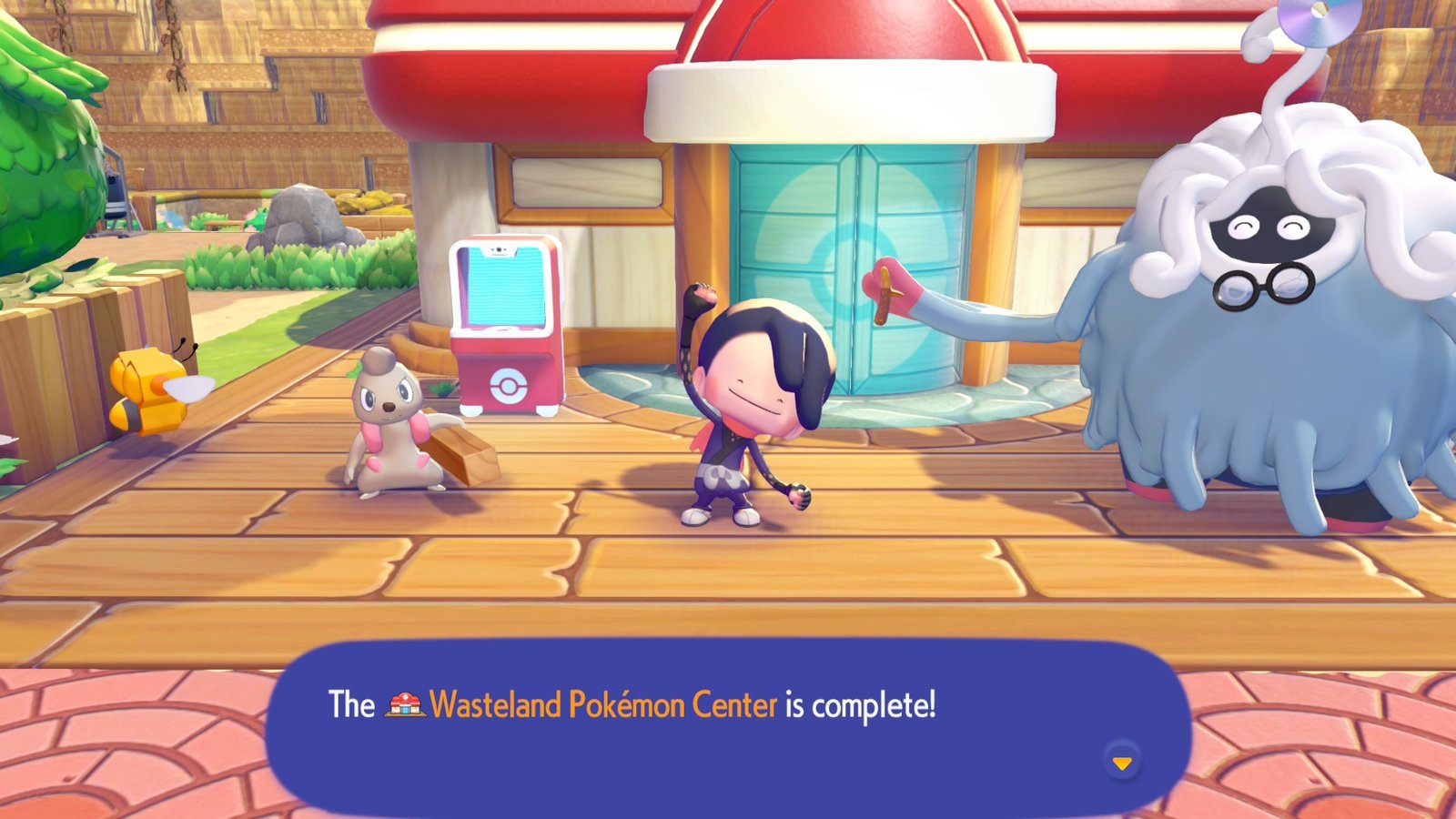
Those ideas also carry fascinating implications for the wider universe, and it will be interesting to see whether The Pokémon Company chooses to explore any of the concepts introduced here more fully in the future. In more ways than one, Pokémon Pokopia feels like an ideal celebration of 30 years of Pokémon.
It bridges the gap between the franchise’s past and future through a varied roster of creatures, explores the core concerns of its narrative without shying away from more uncomfortable truths, and uses nostalgia not as a crutch but as a springboard for something more ambitious. It is also a notably polished release, one that quietly throws the shortcomings of some recent mainline entries into sharper relief. I would go as far as to say many fans may come to regard it as one of the franchise’s very best instalments.
When you combine all of that with the smaller joy-inducing moments best left unspoiled, what emerges is a clear winner that should enchant both casual and hardcore players for years to come, or at least until a larger sequel inevitably arrives. Much as I loved Donkey Kong Bananza and Mario Kart World, this may well be the Nintendo Switch 2’s first true must-play exclusive.
Pokémon Pokopia is available now on Nintendo Switch 2.
SavePoint Score
Summary
Pokémon Pokopia finds new ways to revitalise the crafting and “cosy life sim” genres that extend beyond leaning on its IP power. It’s wide, deep, and charming in a way that feels special and could redefine expectations for Pokémon spinoffs going forward.
