

Table of Contents
Marathon on PS5
Since Escape From Tarkov first landed nearly a decade ago, the extraction shooter has often lived in the shadow of its louder, sweatier battle royale cousin. Lately, though, the genre feels like it is clawing its way back into the spotlight, with games like Arc Raiders drawing plenty of attention. It makes sense, then, that Bungie would take a swing at the format. After all, few studios understand first-person shooting as well as the team behind Destiny. Enter Marathon.
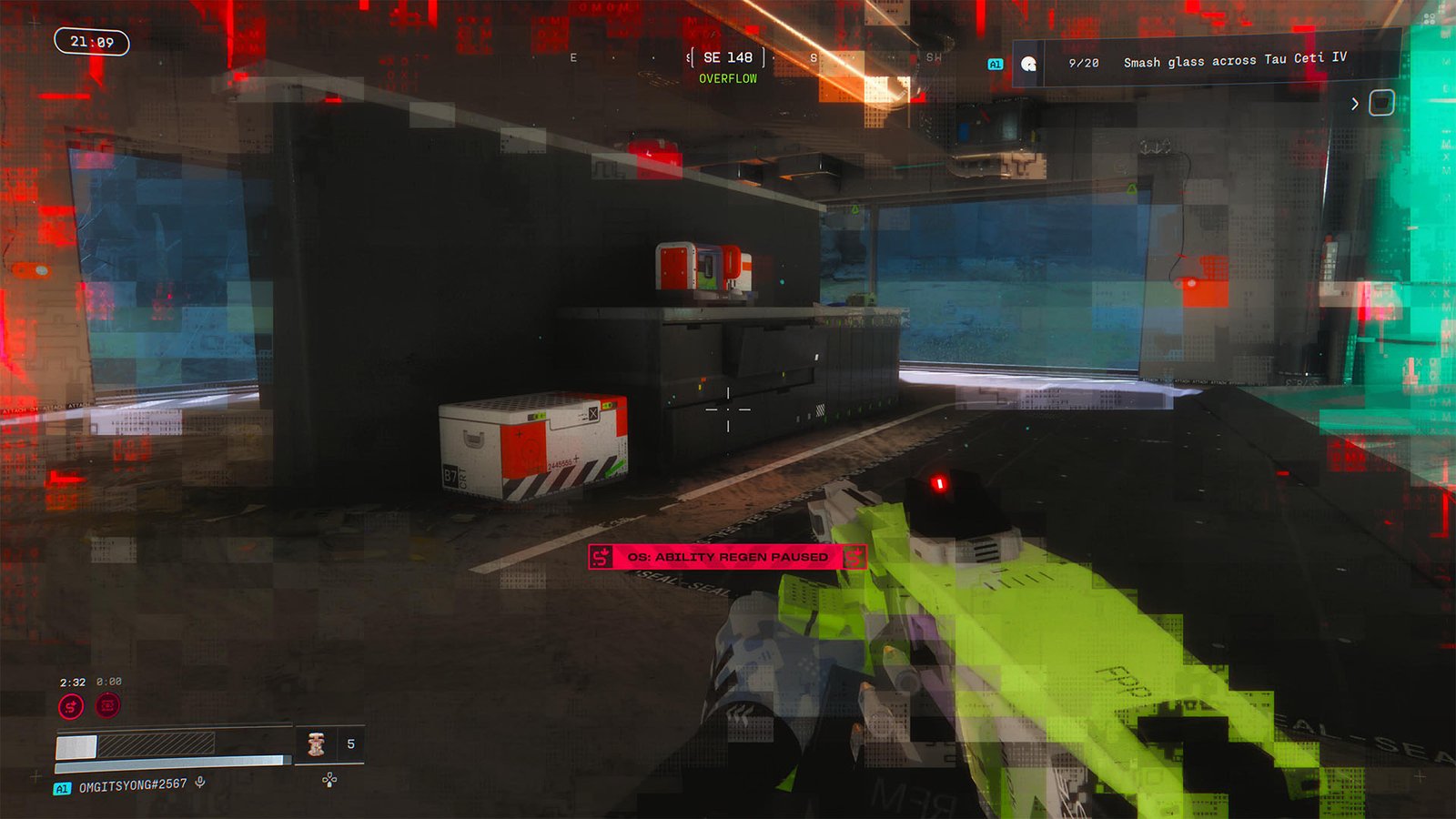
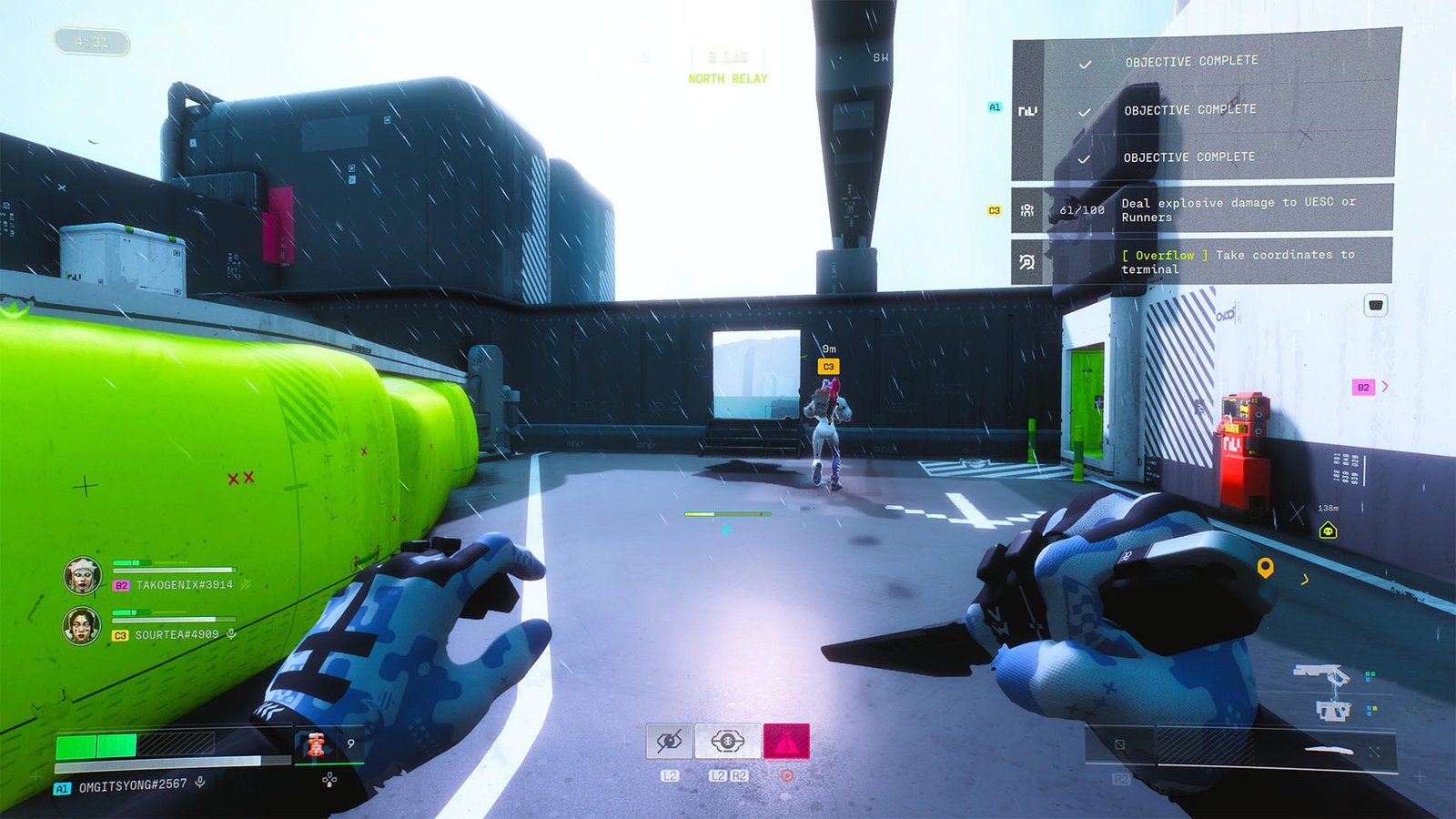
As soon as I booted up the game, I was dropped into a map called Perimeter. Within seconds of setting foot on the lush, eerie remains of Tau Ceti IV, my screen flashed red after I trampled over a claymore mine. Before I had even recovered from that, a sickly yellow-green mist swallowed my vision as I triggered some sort of poisonous plant, forcing me to rummage through my backpack for a Mechanic’s Kit before I keeled over. This, apparently, was the most beginner-friendly map in the game.
My tutorial by fire was not over yet. Not long after clearing the toxin effect, I heard the metallic clank of boots growing louder on the right side of my headphones, followed by gunfire. Peeking around the corner, I spotted another Runner methodically dismantling a group of robots. Once the noise died down, I watched them crouch over the remains to scavenge the loot. So naturally, I crept up behind them and put them down with a knife to the back.
At that point, my heart rate was probably doing something medically concerning. I barely had time to celebrate as I dug through their brightly coloured loot before another Runner appeared and put a bullet between my eyes. All of that happened in the space of about thirty minutes.
It is easy to see why some players will bounce right off Marathon. It is even easier to understand why others will become completely obsessed.
A World That Wants You Dead
Marathon is built around risk. You drop into a large map set among the ruins of Tau Ceti IV, a fallen extrasolar colony littered with loot, secrets, and danger. Your goal is simple on paper. Scavenge valuable gear, survive encounters with hostile forces, and make it to extraction alive.
In practice, it is anything but simple. Nothing you pick up matters unless you actually escape with it. Every run ends one of two ways. Either your squad huddles nervously around an extraction beacon, scanning every angle as you beam out with your spoils, or you collapse into a heap of purple robotic blood and lose nearly everything.
Tau Ceti IV is a fantastic setting for this kind of game. Bungie has crafted a world that feels as beautiful as it is unnerving, full of haunting remnants, strange corporate history, and an atmosphere that always feels just a little wrong. Even the loading screens in Marathon have an unsettling quality to them, as if the game is quietly watching you while you try to gather your nerves for the next run. After long sessions, I came away feeling slightly delirious from how oppressive and disorienting the entire aesthetic can be, and I mean that as praise.
The level of visual detail is impressive, and the game does a strong job of selling the scale and texture of this abandoned colony. There is a lot here to take in, and Bungie’s art direction does a huge amount of heavy lifting in making Marathon feel distinct in a crowded shooter landscape.
That said, Tau Ceti IV is not always your enemy in the way Bungie intends. At times, the environment fights back in ways that feel more irritating than immersive. I got caught on scenery more than once, missed jumps that looked entirely makeable, and took fall damage from drops that did not feel especially severe.
Then there is the heat system, which can leave you overheated and vulnerable at exactly the wrong moment. In theory, these systems introduce tactical friction, forcing players to think more carefully about movement and positioning. Sometimes they succeed. Other times, they simply feel punishing in a way that undercuts the fun.
Where Bungie Still Sets The Standard
If there is one reason Marathon has such a hold on people already, it is the gunplay. Bungie still knows how to make pulling a trigger feel fantastic. Every shot has weight, every reload is crisp, and firefights carry a tactile, physical quality that makes even routine engagements feel exhilarating. Bullets crack against shields, enemies stagger under sustained fire, and the sound design does a tremendous amount to make every encounter feel alive and dangerous.
There is a particular satisfaction to the way combat flows in Marathon. The game constantly reinforces the sense that every shot matters, whether you are thinning out hostile robots, panicking through a close-quarters fight with another Runner, or desperately trying to hold your nerve at extraction. Even when I was losing badly, and I did lose badly more than once, I still found myself itching for one more run because the act of shooting is just that good.
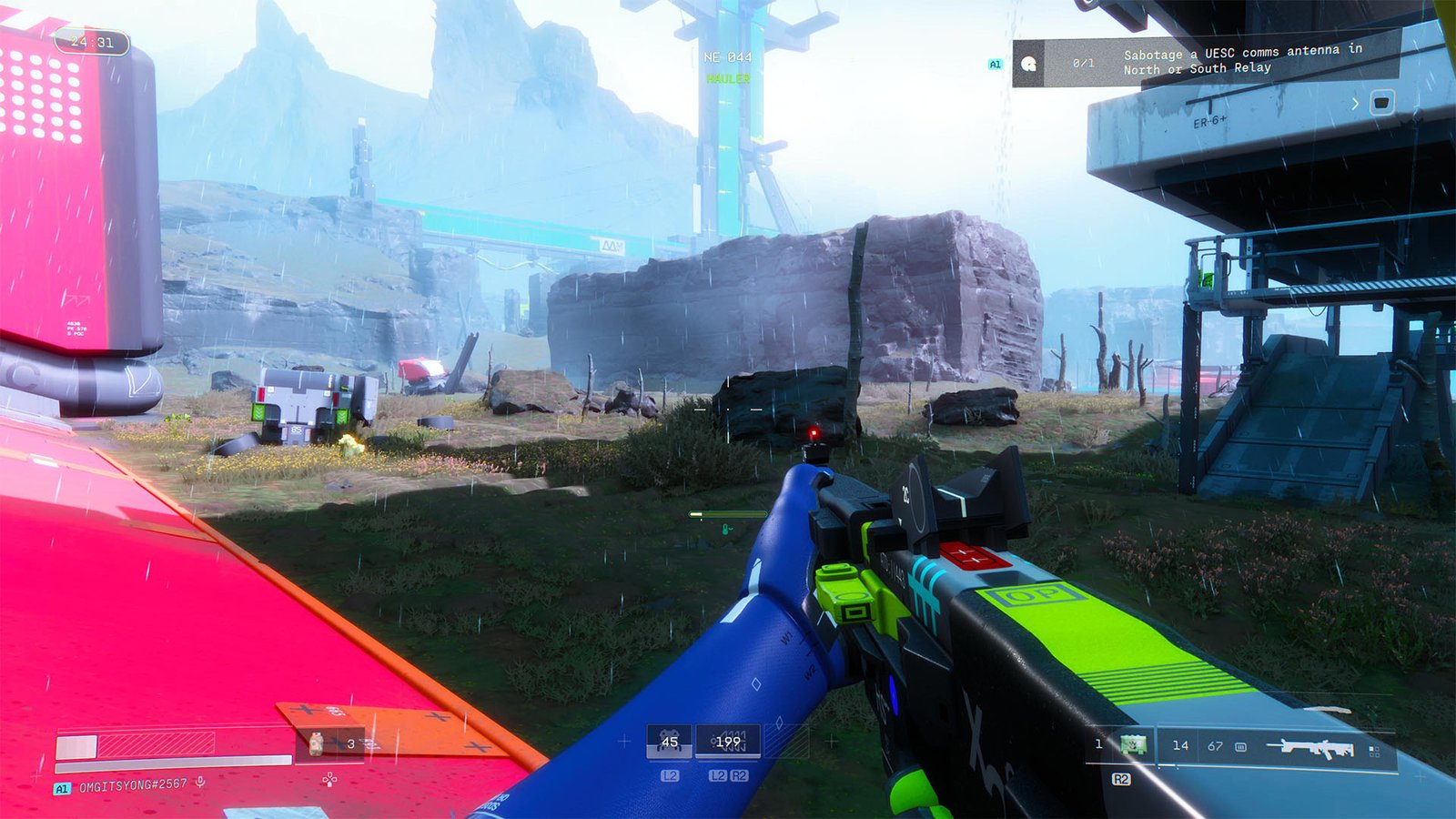
The weapons themselves help sell this fantasy. They look like relics from a retro future that never arrived, chunky and angular, mechanical in a way that feels both old school and strangely fresh. There is real personality in these designs. They are not sleek, sterile sci-fi guns.
They are loud, heavy, boxy things that feel like they belong in Bungie’s world. Better still, they are not just nice to look at. The low time to kill means even basic gear can be dangerous in the right hands, which keeps early runs tense and gives newcomers at least a fighting chance in Marathon.
Progression That Softens The Blow
One of Marathon’s smarter choices is how it handles progression. Weapons are fully modular, and the mod system gives each gun room to grow depending on what you find in the field or purchase through the Armory. It is a good middle ground between accessibility and depth. You can become familiar with how a weapon handles first, then gradually start shaping it into something more specialised as you gather better mods and resources.
The Shell system adds another important layer. Each Shell comes with its own movement options and combat tools, whether that means a dash, a double jump, a healing ability, or a defensive barrier. In a squad, these distinctions matter. They influence how you approach fights, how aggressively you push, and what role you naturally fall into. It gives team composition some personality without drowning the game in rigid class design.
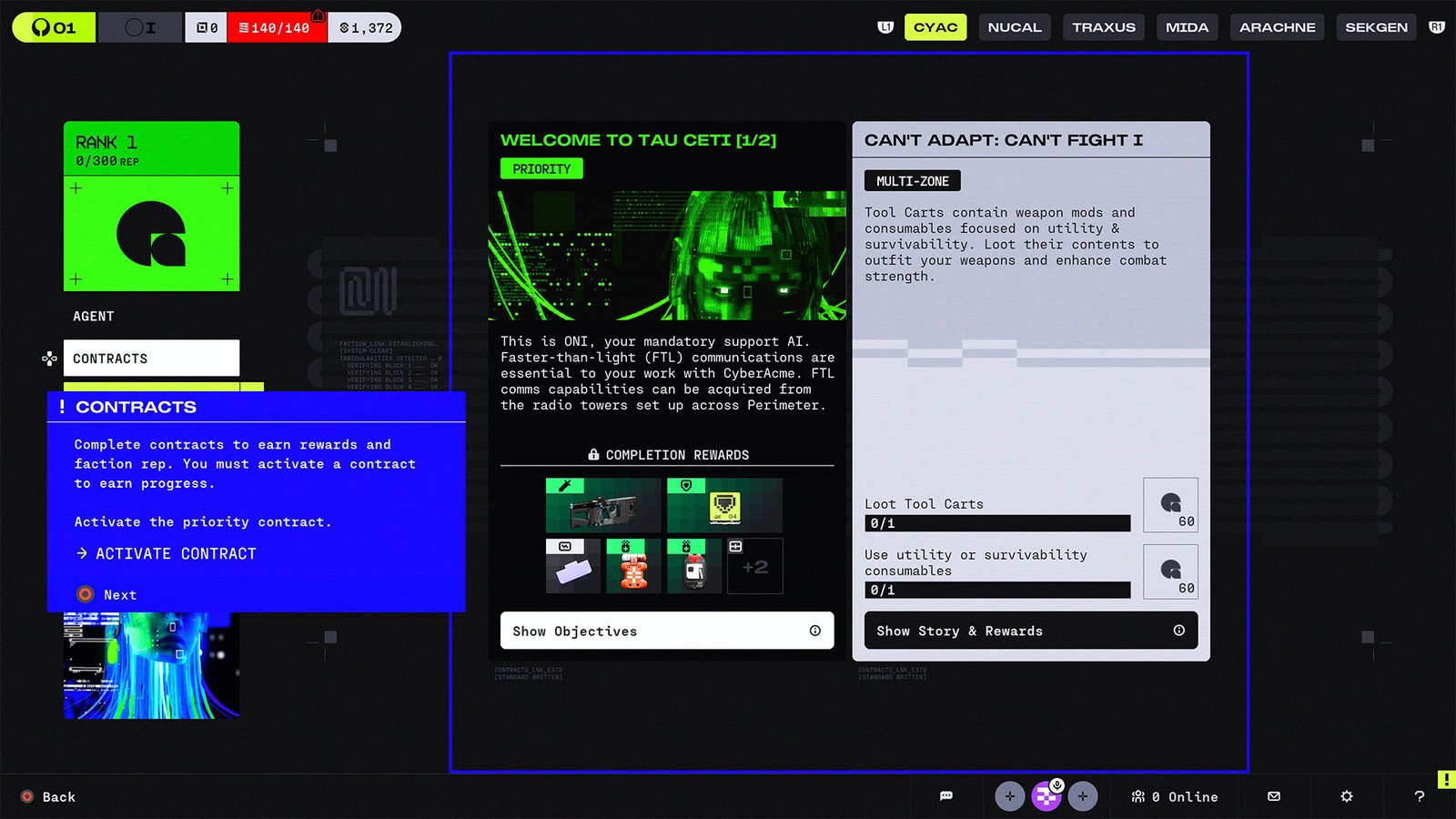
The faction system is also surprisingly effective in Marathon. Each faction feeds into its own progression path, unlocking better gear and upgrades as your reputation grows. Contracts are the fastest way to move forward, but the game smartly rewards you for a wide range of actions, from killing targets to escaping with specific loot. Even a poor run rarely feels like a total waste because you are almost always inching something forward. That is a huge deal in a genre that can otherwise feel brutally all-or-nothing.
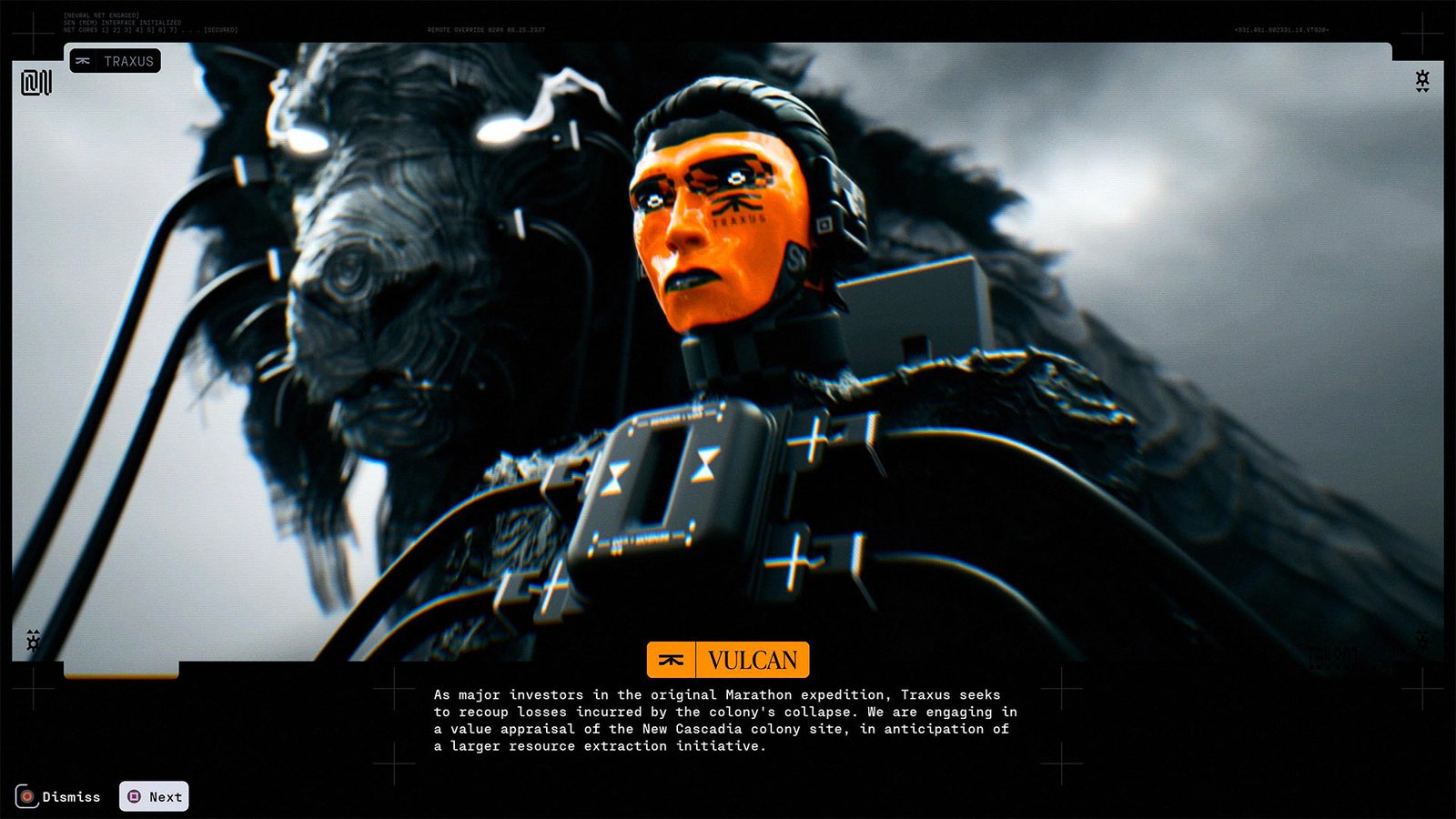
I also found myself more interested in the world than I expected. After each mission, there is usually a small new breadcrumb to chase, whether that is a bit of faction dialogue, a codex unlock, or another glimpse into the corporate machinery that governs Tau Ceti IV. The factions themselves are memorable, all wrapped in sterile branding, artificial charm, and just enough menace to make every encounter with them feel faintly sinister. It gives Marathon a stronger narrative flavour than some of its peers.
Best With Friends, Brutal Alone
For all of its strengths, Marathon becomes a much harsher experience when played solo. In a squad, the chaos is thrilling. Alone, it can feel oppressive. Every sound matters, every mistake is magnified, and every encounter carries the possibility of losing everything because you simply do not have the support system the game clearly wants you to have.
That tension is part of the appeal, but solo play often crosses the line from demanding to exhausting. The Rook system, which lets you drop into a match in a weaker form to scavenge leftover loot, is a decent safety net for rebuilding after a rough stretch. It helps, especially when your vault is looking embarrassingly bare after a string of failed runs. Still, it does not fully address the underlying issue that Marathon feels designed primarily around squad play.
That is not inherently a flaw, but it does narrow the game’s appeal. Players who enjoy extraction shooters as social experiences will likely thrive here. Those hoping for a more flexible solo route may find themselves wearing down much faster.
Stylish To Look At, Awful To Navigate
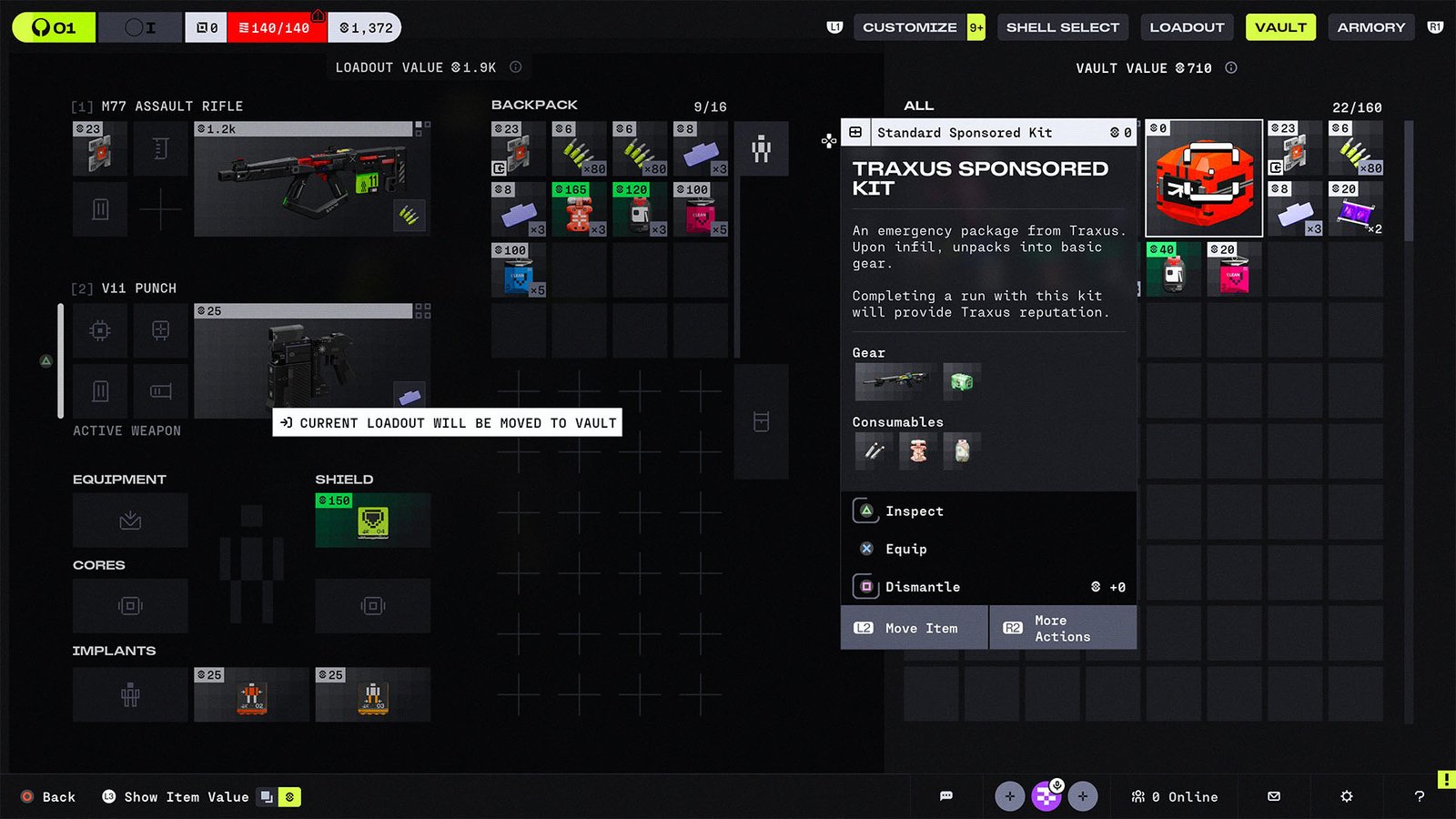
The biggest thing holding Marathon back right now is the interface. Bungie has clearly put a huge amount of effort into making every menu look stylish and in keeping with the game’s retro futuristic aesthetic. Unfortunately, that style often comes at the cost of function.
Managing inventory can quickly become a headache, especially once your stash starts filling with mods, weapons, resources, and assorted bits of loot that are not easy to distinguish at a glance. Too many icons look too similar, so you often have to stop and hover over items just to remember what they are. That may sound minor, but in a game this tense, friction adds up fast.
On console, especially, the problem feels more pronounced. Dragging through menus, moving attachments around, checking faction progress, and trying to keep your loadout organised can become weirdly exhausting between runs. There is a lot of useful information buried in these systems, but the game does not do enough to surface it cleanly. I spent too much time wrestling with menus instead of getting excited for the next match.
The codex and faction interfaces are perhaps the clearest examples of this. They are visually striking, yes, but they are also cluttered and unintuitive. Bungie has built a fascinating world with Marathon, but too often the process of learning more about it feels like a chore.
A Strong Hook With Rough Edges
There is clearly something special at the heart of Marathon. The gunplay is exceptional, the world is stylish and genuinely unsettling, and the progression systems do a good job of making even failed runs feel worthwhile. When everything clicks, especially with friends, it can be intensely absorbing. Few shooters capture that mix of dread, excitement, and split-second improvisation quite like this.
At the same time, it is held back by problems that are difficult to ignore. The interface is clumsy, traversal can feel awkward in ways that don’t add meaningful challenge, solo play is more punishing than enjoyable, and some of the monetisation does little to enhance the overall package. These are not small issues, especially for a game that demands so much of your attention and patience right from the start.
Even so, Marathon has the kind of foundation that can keep people coming back. If you can push through the friction and meet it on its own terms, there is a thrilling, distinctive shooter waiting underneath all that mess. Bungie has not made something easy to love here, but it has made something very easy to get lost in. And for the right kind of player, that may be more than enough for a long run for the ages on Tau Ceti IV.
Marathon is now available on Playstation 5, Xbox Series X|S, and PC.
SavePoint Score
Summary
Marathon is a bold, punishing shooter that asks for patience before it gives much back. Bungie’s superb gunplay, distinctive retro futuristic setting, and rewarding faction system create a thrilling loop, even when a run falls apart. A frustrating UI and misjudged monetisation may test that patience, but something compelling awaits on the other side.
