

Table of Contents
Baldur’s Gate 4 Faces the Enormous Shadow of Baldur’s Gate 3
Calling Baldur’s Gate 3 a special game almost feels like underselling it. Larian Studios’ acclaimed RPG became one of the most celebrated Game of the Year winners in modern gaming, earning praise for its writing, characters, branching choices, systemic freedom, and sheer willingness to let players break the story in fascinating ways.
Its success did more than revive interest in a classic RPG franchise. It changed expectations around what a modern CRPG could be. That is great for players, but it also creates an obvious problem for whoever eventually has to make Baldur’s Gate 4.
Hasbro Reportedly Asked James Ohlen About the Sequel
Hasbro still wants the series to continue, especially after the commercial and critical impact of Baldur’s Gate 3. However, Larian has already made clear that it is moving on from the franchise.
According to PC Gamer, Hasbro CEO Chris Cox approached James Ohlen about the possibility of making the sequel after Larian declined to continue. Ohlen is not a random name in this conversation. He was the co-lead designer on Baldur’s Gate II: Shadows of Amn, one of the most beloved RPGs ever made.
At the time, Ohlen was connected to Archetype Entertainment, the Hasbro-owned studio developing Exodus. Kevin Martens, the other co-lead designer, was also reportedly at the studio.
Competing With Baldur’s Gate 3 Was the Deal-Breaker
Ohlen’s answer was reportedly blunt, and he said he would fail. The reason was not a lack of love for the franchise, but the scale of what Larian had achieved. Ohlen said that making Exodus was already difficult enough, and that competing directly with Baldur’s Gate 3 would be “insanity”.
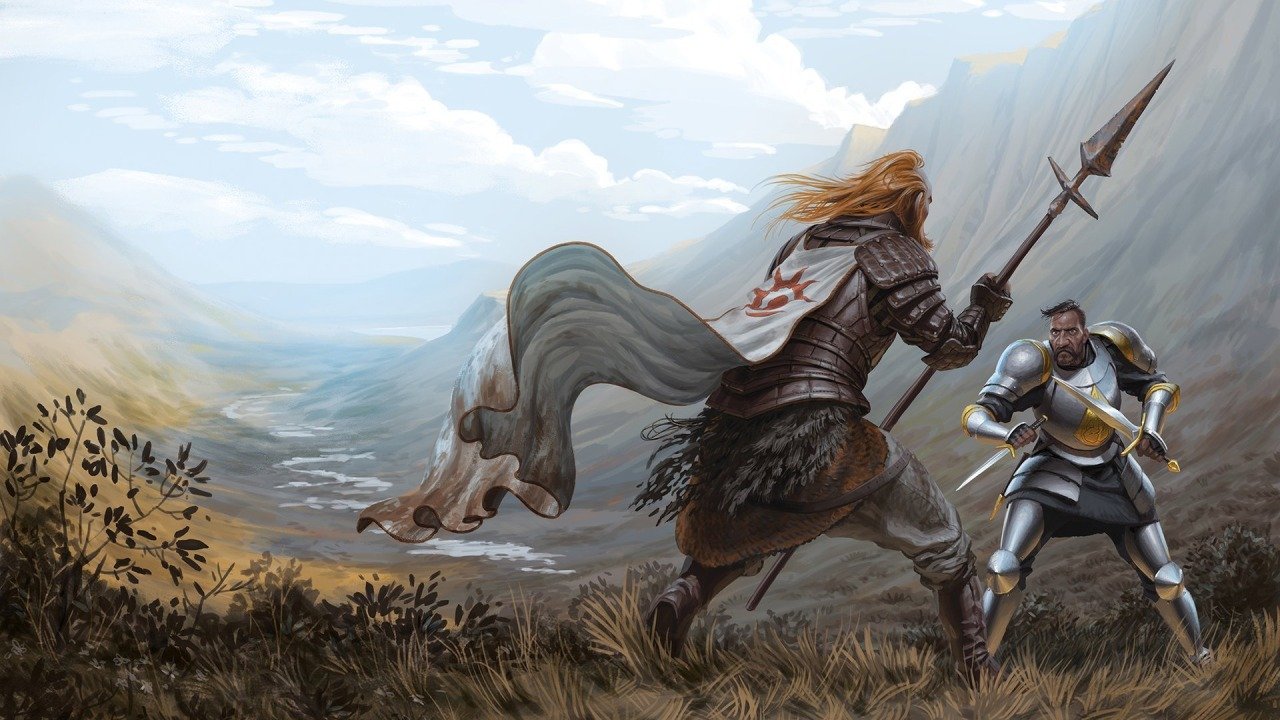
That response says a lot about the pressure surrounding the next game. Baldur’s Gate 4 is not just another sequel. It would be compared immediately against one of the most important RPGs of the past decade, created by a studio with its own tools, years of institutional knowledge, and a very specific design culture.
Ohlen also praised Larian founder Swen Vincke and the studio’s mastery of that RPG development style. Even with access to similar technology, the challenge would still be enormous because the real advantage sits in the team, process, and experience behind it.
The Next Game May Need a Very Different Approach
The safest version of Baldur’s Gate 4 may also be the most dangerous one. If the next developer tries to simply imitate the latest game, it risks feeling like a weaker copy of Larian’s work. The scale, reactivity, performance capture, combat systems, and story flexibility set such a high bar that direct comparison would be unavoidable.
That is why a future sequel may need a more radical identity. Rather than chasing Larian beat for beat, Baldur’s Gate 4 may need to find a different creative angle, whether through structure, setting, combat design, or how it uses Dungeons & Dragons storytelling. That would be risky, but it may be the only way for the next game to escape the shadow of its predecessor.
Hasbro Still Has a Massive Decision Ahead
At the time of writing, Hasbro has not announced who will develop the sequel. That silence is understandable, as the franchise is now more valuable than ever but also harder to handle. Any studio taking it on will inherit decades of history, Larian’s modern legacy, and a player base that now expects extraordinary freedom.
For now, the reported rejection from a series veteran underlines just how intimidating the project has become. Baldur’s Gate 3 did not just raise the bar, and it may have made the next step feel almost impossible.
