

Table of Contents
Xbox 360 Backward Compatibility on PC Could Be Next
Microsoft may be preparing to expand Xbox 360 backward compatibility beyond consoles and into its wider Xbox ecosystem. The company recently launched Xbox Backward Compatibility on PC, beginning with four original Xbox games: BLiNX: The Time Sweeper, Conker: Live and Reloaded, Crimson Skies: High Road to Revenge, and Fuzion Frenzy.
Those titles are now playable through the Xbox app on Windows PCs and supported handheld devices, including the ROG Xbox Ally and ROG Xbox Ally X. Now, a leaked developer document reportedly seen by The Verge suggests Microsoft’s ambitions go further.
According to the report, Xbox 360 games could eventually run on Microsoft’s next-generation console, internally known as Project Helix, as well as “Xbox PCs” and handheld devices.
The Rollout Is Reportedly Targeting 2027 to 2028
The leaked roadmap reportedly points to a gradual rollout between 2027 and 2028 across next-generation devices. That timing suggests this would not simply be a quick expansion of the current original Xbox PC programme. Instead, Xbox 360 backward compatibility appears to be tied to Microsoft’s broader future hardware strategy, where Xbox increasingly functions across console, PC, cloud, and handheld form factors.
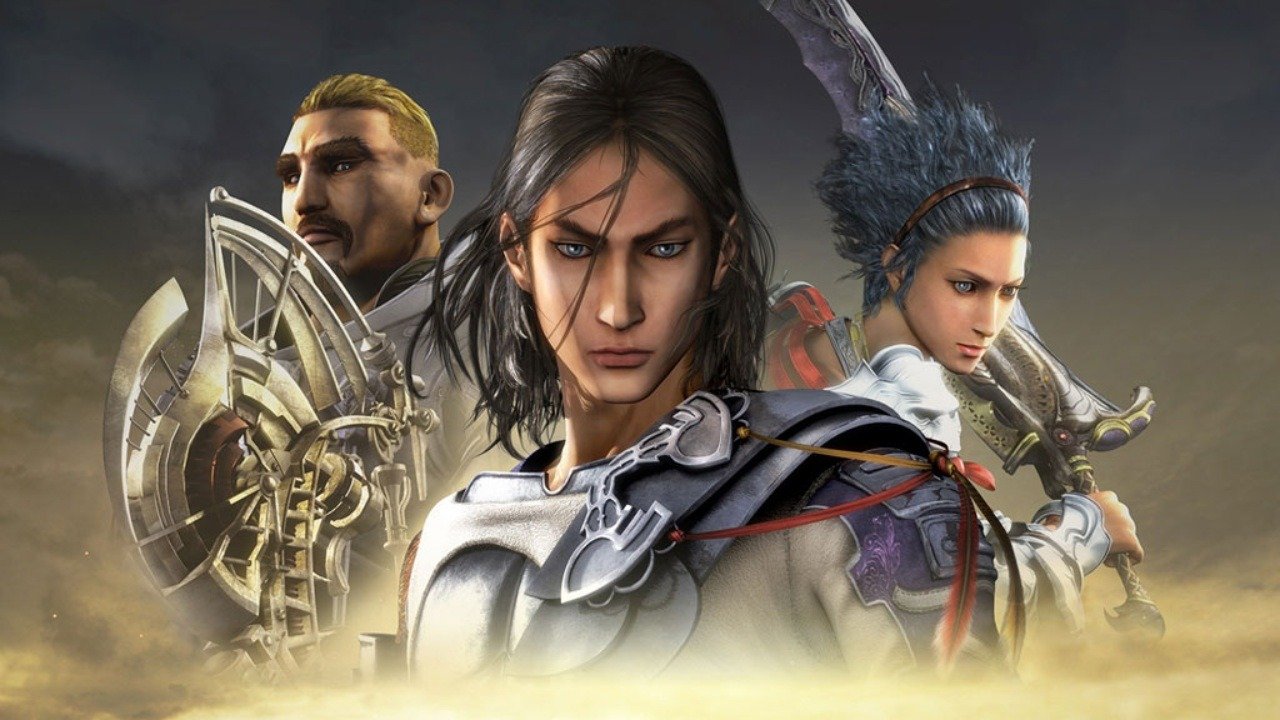
If the plan moves forward, it could become one of Microsoft’s most important preservation efforts. The Xbox 360 library remains one of the strongest in the company’s history, covering major first-party titles, cult favourites, digital-only releases, and third-party games that are not always easy to play on modern platforms.
Publishers Will Decide Which Games Return
This does not mean every Xbox 360 game will suddenly appear on PC. The report states that developers and publishers would opt into the programme. Participating partners would also retain control over pricing and decide whether their games should be included in Xbox Game Pass.
That is important because backward compatibility is rarely just a technical issue. Licensing, music rights, expired brand deals, online services, old middleware, and publishing agreements can all complicate whether older games can be sold again.
Microsoft may be building the platform layer, but publishers will still have to decide whether bringing their Xbox 360 titles back makes commercial and legal sense.
Disc-To-Digital Plans Are Still Unconfirmed
The same report also points to Microsoft’s previously rumoured physical-to-digital ownership conversion feature. According to the leaked document, a public beta for the disc-to-digital programme had been planned for July, with general availability targeted for August. However, Microsoft has not officially announced the feature at the time of writing.
That means players should treat both the Xbox 360 PC expansion and disc-to-digital conversion as reported plans rather than confirmed public features. The idea is still significant. If Microsoft can find a way to recognise physical ownership and convert eligible discs into digital access, it could help players bring more of their older libraries into the modern Xbox ecosystem. The challenge will be making that process clear, fair, and resistant to abuse.
Microsoft’s Preservation Strategy Keeps Expanding
The official PC backward compatibility launch already shows where Microsoft is heading. Original Xbox games are now playable on PC with modern features such as resolution upscaling, V-Sync, anisotropic filtering, anti-aliasing, and fullscreen or windowed display options. Microsoft has also said Achievements are coming to select original Xbox games later this year.
Adding Xbox 360 games would make the programme far more meaningful. For now, though, this remains a reported roadmap. Microsoft has confirmed original Xbox backward compatibility on PC. It has not yet confirmed Xbox 360 support, Project Helix compatibility, or disc-to-digital conversion.
Still, if the leaked plans reflect where Xbox is heading, Microsoft’s preservation push may soon become one of the clearest reasons to stay inside its ecosystem.
