

Table of Contents
Marvel’s Wolverine Makes Being the Best at What Logan Does Dangerously Good
Everyone expected Wolverine to be violent. Years after Insomniac Games first announced its take on Logan, the appeal of finally extending those adamantium claws and watching them do what adamantium claws are supposed to do hardly needs explaining. Marvel’s Wolverine does not shy away from that fantasy either. Limbs come off, bodies collide with walls with unpleasant consequences, and environmental attacks offer plenty of imaginative ways to make an encounter even messier.
After spending two hours with the game on PlayStation 5 Pro, however, the gore was not what left the strongest impression. It was how good aggression feels.
Logan moves through combat with a speed and ferocity that encourages the player to keep pressing forward, bouncing between targets and embracing the fact that very little is going to keep Wolverine down for long. Rage makes him even more dangerous, stealth lets him behave like the hunter he has always been, and different enemy groups provide enough disruption to stop every fight immediately settling into the same rhythm.
There is already a satisfying character action game here. The more interesting possibility is what Sony Interactive Entertainment and Insomniac intend to do with the man controlling all that violence.
As we opened up with the opening assault on Bolivar Trask’s facility in Telambang and the rescue of Nathaniel Essex, before skipping ahead to a battle against a Sentinel Prototype and eventually Madripoor, where The Hand and one of Logan’s Nightmare Doors provided a different look at his combat and fractured histor, what we saw was not enough to determine whether Marvel’s Wolverine‘s narrative ambitions will ultimately match its action, but it was enough to make that prospect considerably more exciting.
The Main Character in the Carnage
Logan’s anger does not feel like a superficial excuse for extreme violence. At least during the opening, he has good reason to be furious.
Team X enters Trask’s facility to rescue Nathaniel Essex, discovering what Trask has been doing to mutants along the way. The facility quickly moves beyond the abstract idea of mutant persecution and gives Logan something tangible to react against. His response is exactly what you would expect as the claws come out.
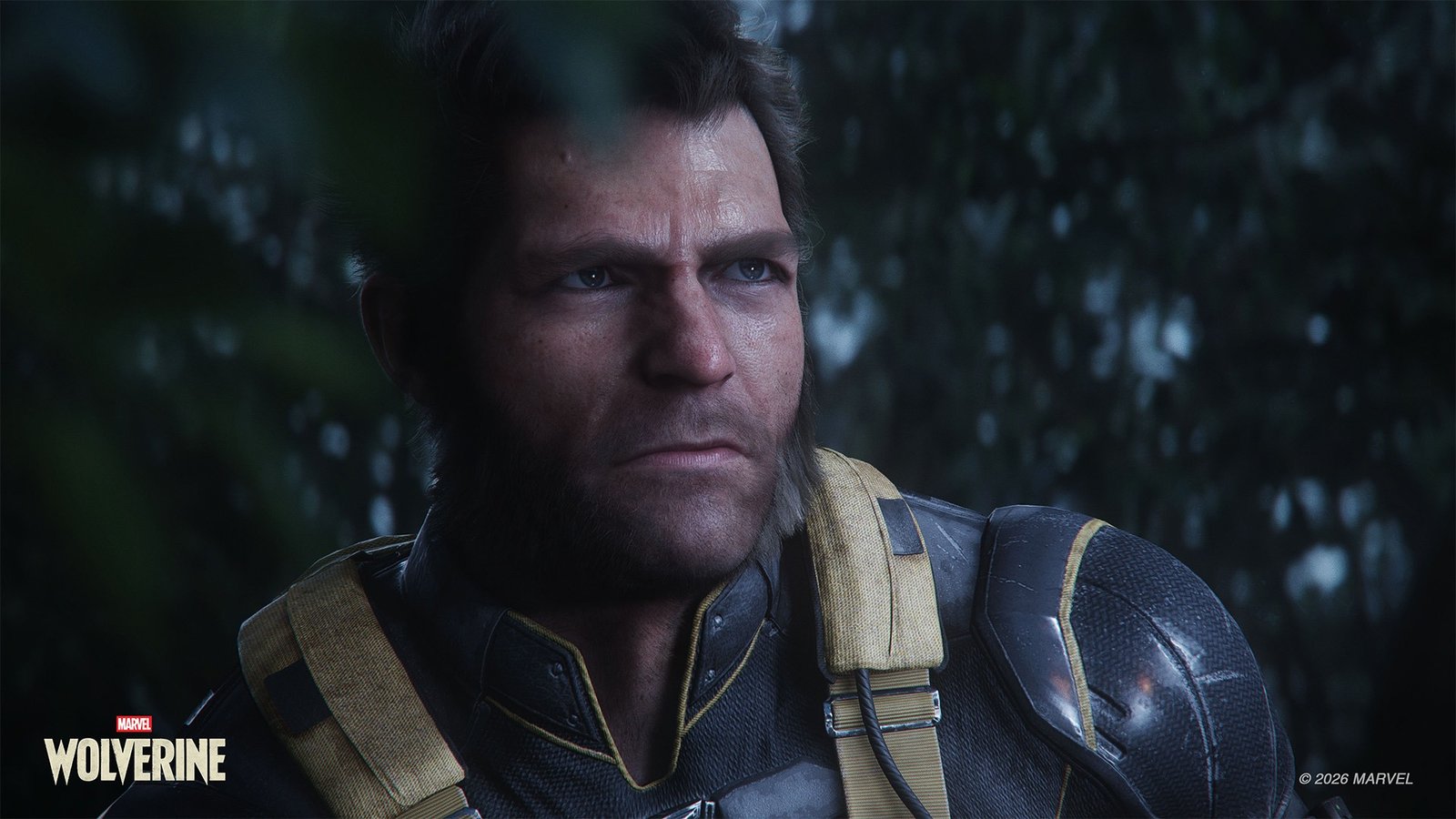
What matters is that this does not appear to be Logan’s permanent state in Marvel’s Wolverine. There are moments of restraint, quieter conversations and glimpses of introspection between the bloodier sequences. Most of the time, he appears capable of controlling himself. When something genuinely pushes him beyond that point, the escalation means more.
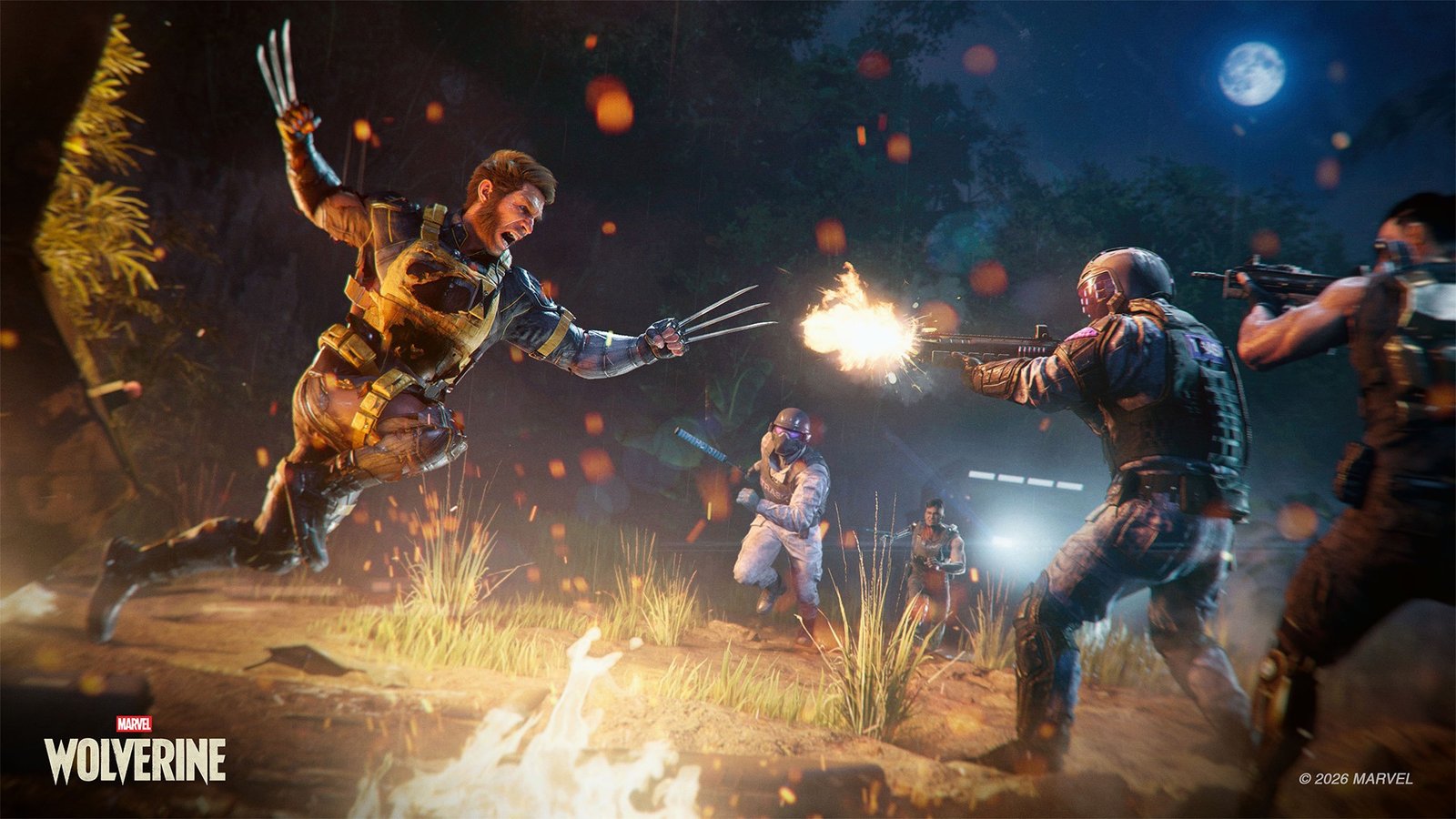
If Logan spends an entire game permanently furious, anger becomes his default rather than a meaningful response. When the fury follows something that warrants it, the player gets to share in that release. The danger, both mechanically and narratively, is how long that feeling can remain effective.
Rage Lets Players Stop Being Careful
Combat is strongest when the game gives you permission to behave like Wolverine. Successful actions build Logan’s Rage through three tiers. Rage Tier 2 strengthens his offence and unlocks Last Stand, allowing accumulated Rage to pull Logan back from defeat. At Rage Tier 3, attacks become more destructive and Critical Strikes enter the equation.
The mechanics naturally change player behaviour in Marvel’s Wolverine. Knowing that Last Stand exists makes aggression less frightening. Instead of approaching every encounter cautiously, I became increasingly willing to stay close to enemies, continue attacking and trust Logan’s healing factor to provide another chance if things went badly.
Maximum Rage takes that further, with much of the colour draining from the image. Logan’s breathing becomes more pronounced, distractions fade, and targets become easier to read as opportunities for brutal Critical Strikes. PlayStation describes the state as one in which Logan’s vision closes in and his attacks become substantially stronger.
It does a convincing job of bringing Weapon X to the surface. More importantly, it encourages the player to think differently. The methodical choices remain available, but Marvel’s Wolverine has suddenly made abandoning restraint far more appealing. Logan is stronger, enemies are vulnerable, and the systems are practically daring you to stop worrying about self-preservation. That is a clever way of expressing his character through play rather than simply telling us he has anger issues.
Fierce Combat Still Needs More Weight
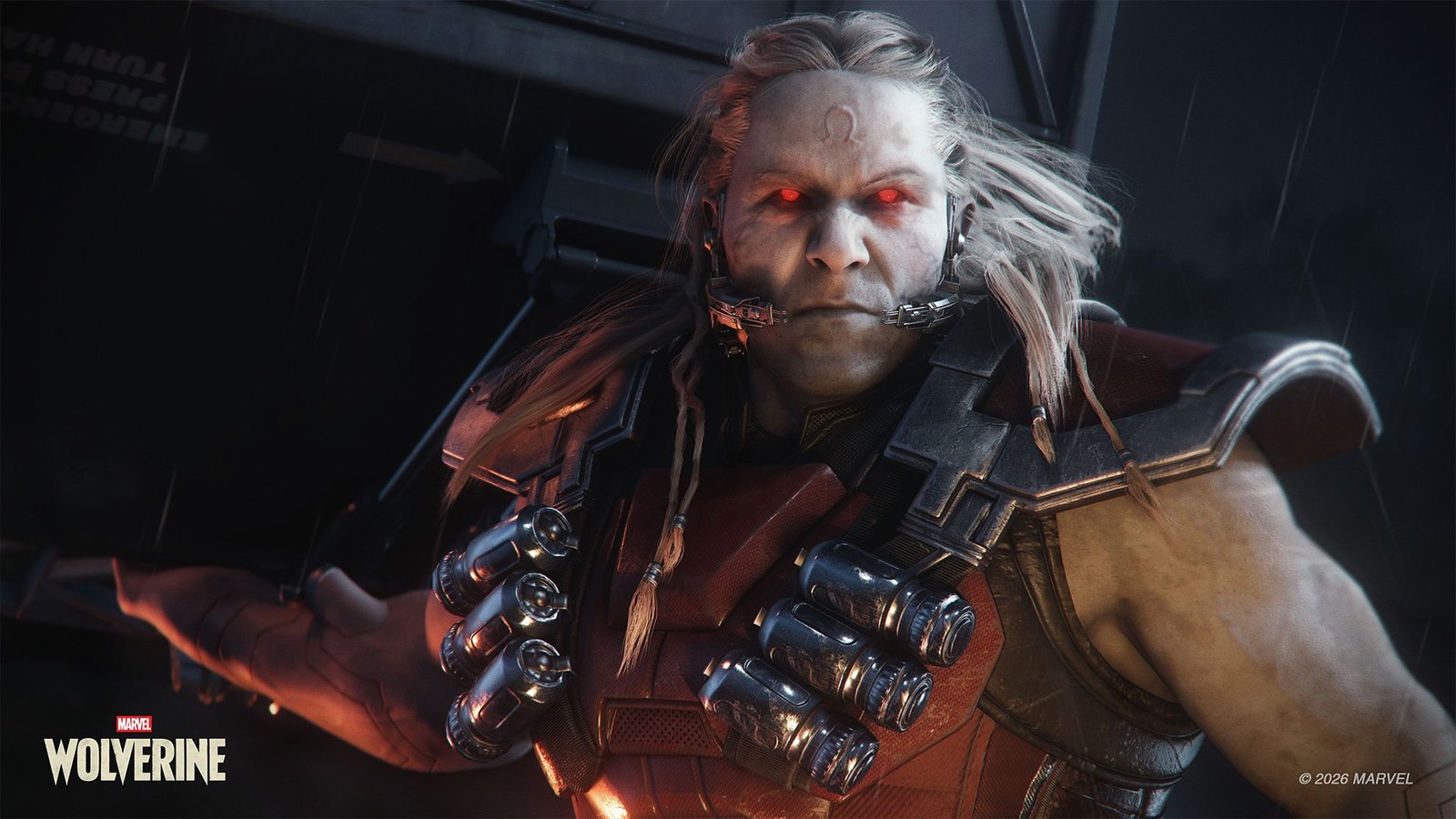
Strip away the blood, and Marvel’s Wolverine remains an enjoyable action game. Movement between targets is quick, fights flow well, and Logan rarely feels stuck attacking one person while everything else waits around him. The Reavers and The Hand also provided noticeably different combat pressures during our session, helping the later Madripoor encounters avoid feeling identical to the opening.
The environments contribute as well. Elevation gives Logan opportunities to approach enemies from different angles, while environmental objects and team attacks add more ways to end a fight than simply completing another standard combination. The problem is that Wolverine occasionally feels a little too comfortable.
Some encounters were easier than expected in Marvel’s Wolverine, and the impact behind his standard attacks could use more weight. A game can show an enormous amount of gore while still leaving individual blows feeling lighter than the character delivering them suggests they should. Logan is fast, but he should also feel dangerous when those claws connect, and that balance is not quite there yet.
Barrage Cannot Become the Answer to Everything
There is another potential problem in Marvel’s Wolverine. The easiest solution I found was also one of the most enjoyable, and that is kick someone into a wall or environmental object, trap them there, then unleash Barrage. It works, it looks brutal, and it also threatens to become the answer too often.
This is where Special Techniques, Adaptations and more demanding enemies need to push the combat forward. Insomniac has already shown several options, including techniques for controlling crowds, interrupting attacks and breaking through defences, while Adaptations provide longer-term improvements such as larger parrying window or reducing the cooldown for Special Techniques.
During our session, techniques offered exactly the situational variety Marvel’s Wolverine needs. A spinning attack could provide breathing room when surrounded. A powerful knee could help open a stubborn defence. Area attacks gave Logan a way to deal with groups rather than tunnelling into one target. The ingredients for depth are present, but the eventual question is whether players are incentivised to use them.
If every encounter can be solved through the most efficient Barrage setup, the excellent initial flow risks becoming routine. If enemy design continually demands different tools, there is considerably more room for Logan’s combat style to evolve.
Wolverine Is Surprisingly Good at Being Quiet
One of the more pleasant surprises was stealth. Enhanced senses allow Logan to detect enemy heartbeats and points of interest, giving him enough information to decide how aggressively to enter a stealth encounter in Marvel’s Wolverine.
Getting close produces appropriately savage results, but Logan can also leap directly towards a marked target and eviscerate them before disappearing into another route. The best part is what happens when stealth fails, as it is nothing particularly disastrous, and you simply start fighting.
That transition suits Wolverine extremely well. This is not a character who needs to restart an encounter because one guard spotted him. Stealth is another expression of his abilities rather than a rigid state that exists separately from open combat. Logan can hunt patiently when the opportunity presents itself, but if somebody notices him, the claws were already out anyway. That flexibility also helps separate Marvel’s Wolverine from the obvious comparison hanging over it.
Marvel’s Wolverine Does Not Need Spider-Man’s Freedom
Comparisons with Marvel’s Spider-Man are both fair and unfair at the same time. Insomniac’s fingerprints remain obvious. Logan launches rapidly towards enemies, moves through carefully constructed arenas, upgrades abilities and searches environments for optional content. The studio has spent years refining a particular style of superhero action and understandably has not abandoned everything it learned.
But expecting Marvel’s Wolverine to inherit the entire structure of Marvel’s Spider-Man games would misunderstand why those games work. Spider-Man’s traversal is part of being Spider-Man, and crossing New York is entertainment in itself. Wolverine does not need kilometres of city between objectives to express his abilities. His movement is about pursuit, climbing, hunting and getting close enough to use the claws.
The more focused environments give Insomniac greater control over combat layouts, stealth routes, elevation and pacing. Madripoor still leaves room to look around and discover optional interactions without requiring Logan to patrol an enormous map looking for activity icons.
It increasingly feels less like an open-world superhero game that has been scaled down and more like a character action game that happens to star a superhero, and at this point, that distinction suits Marvel’s Wolverine.
The Sentinel Shows Where Bigger Is Not Always Better
One section in our hands-on of Marvel’s Wolverine tested the limits of combat more severely. The Sentinel Prototype is enormous, spectacular and appropriately intimidating, but it also overstayed its welcome. Despite fighting alongside allies, the encounter grew repetitive as it went on, lacking some of the immediacy that makes normal combat so enjoyable.
That may say more about fighting a Sentinel than Wolverine’s overall boss design. A giant machine naturally requires different mechanics from a room filled with Reavers, and a single preview boss is nowhere near enough evidence to suggest every larger encounter will have the same problem.
It does highlight where the combat feels strongest, though. Wolverine thrives when the player is making rapid decisions, changing targets, and aggressively exploiting an opening. The more a boss removes that freedom and asks Logan to repeatedly work through a gigantic target, the more noticeable the underlying repetition becomes. That is something Marvel’s Wolverine will need to manage carefully.
Logan’s Nightmares Could Make His Past Playable
Madripoor gives the preview time to slow down. That change of pace matters because there is only so much Logan can reveal while stabbing someone. The Nightmare Doors are perhaps the most obvious attempt to turn his damaged history into something interactive in Marvel’s Wolverine.
Discovering one leads into a distorted platforming challenge, eventually rewarding Logan with another fragment of forgotten memory. These are timed Nightmare Trials that transform familiar locations into dreamlike vertical spaces before unlocking something from his past. Our brief look at the system did not reveal enough to determine how psychologically ambitious these sequences will become.
At their most basic, they are currently platforming challenges attached to snippets of backstory. The opportunity is considerably greater, as Wolverine is a character whose identity has repeatedly been shaped by missing memories, manipulation, and uncertainty about what was done to him.
Allowing players to reconstruct that history, piece by piece, could make discovery feel more personal than simply waiting for an exposition-heavy cutscene in Marvel’s Wolverine. Whether Insomniac pushes the nightmares that far remains to be seen, but the foundation is there.
Team X Gives Logan Something More Complicated to Fight
The same applies to Team X. Our preview was too short to make definitive judgements about the cast, and character development understandably was not the focus of every section we played. What we saw was enough to establish that this team is barely functional.
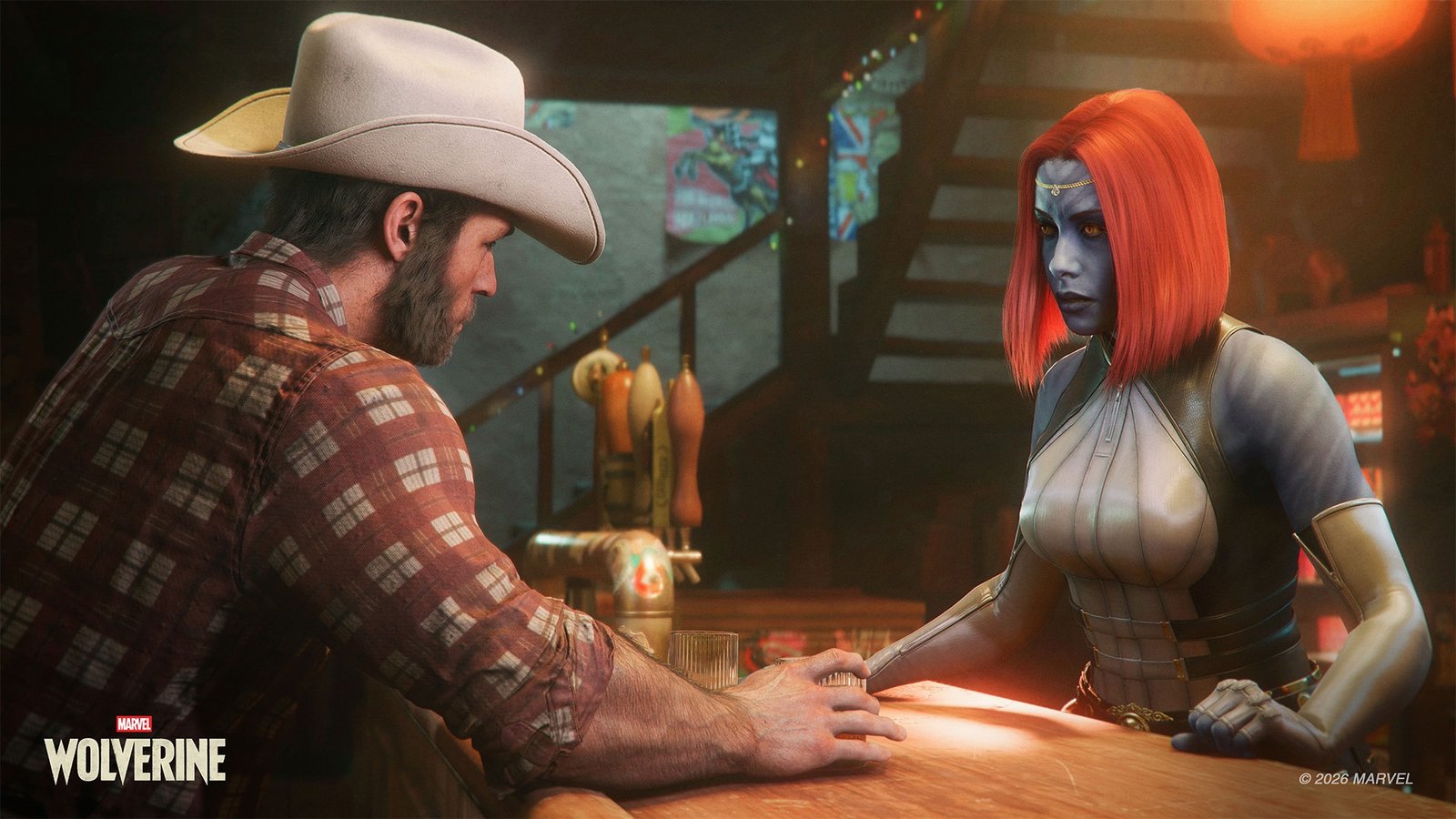
Sabretooth is immediately antagonistic towards him at the start, while Mystique often feels like the person stopping the entire arrangement from collapsing under the weight of its personalities. What we do know is that Nathaniel Essex originally formed Team X, while Logan’s departure has clearly affected his relationship with Sabretooth. That is promising because these characters do not immediately fall into the roles an audience might expect.
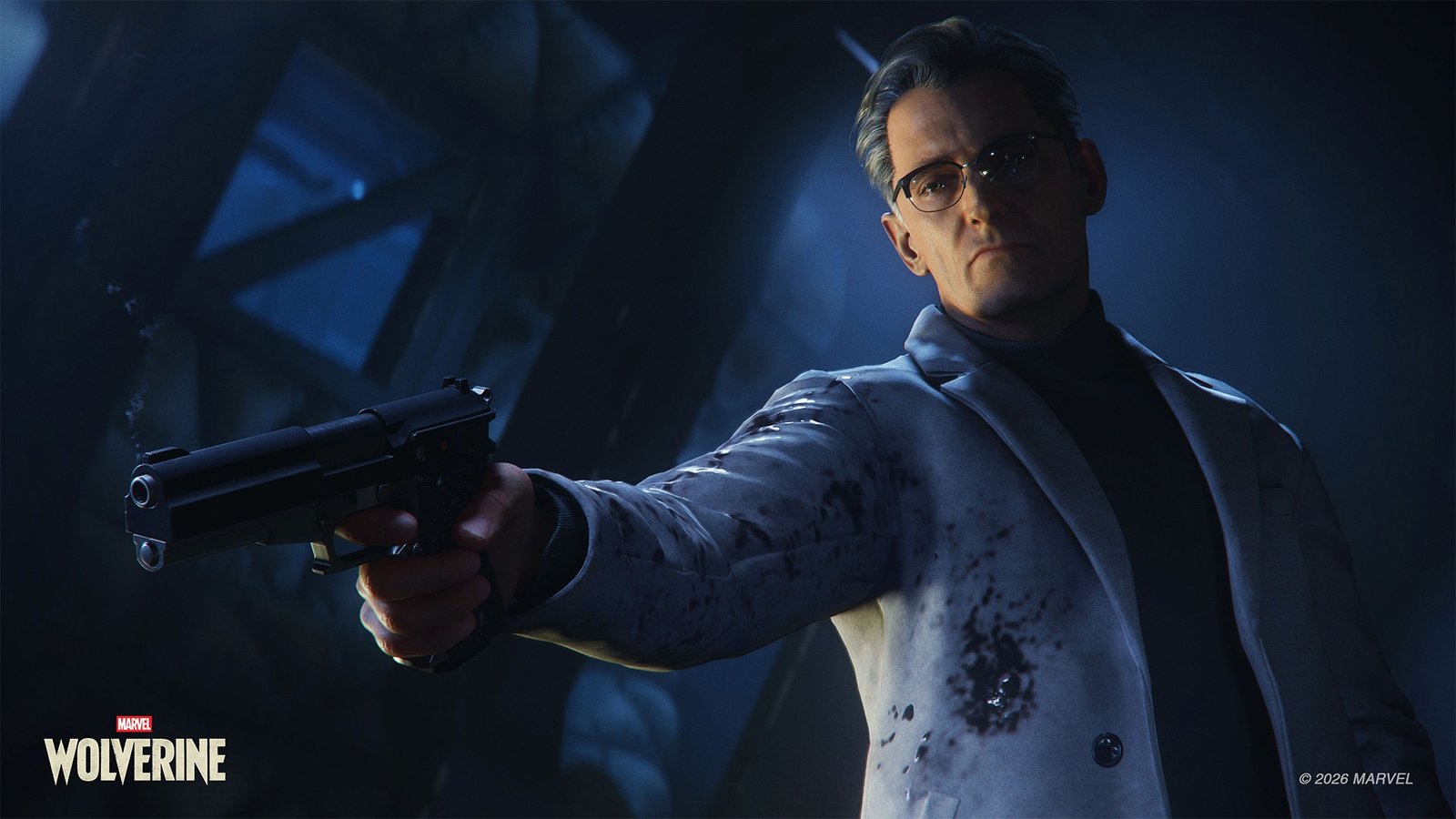
Nathaniel Essex is the clearest example. Anyone familiar with Marvel understands the baggage attached to that name, yet Marvel’s Wolverine begins with Team X trying to rescue him from Trask rather than presenting Essex as an obvious villain waiting for Logan at the end of a corridor. He is also established as the person who discovered Logan in a feral, memory-wiped state and later created Team X.
The interesting question is not whether audiences recognise these characters, but whether Insomniac can use that familiarity to make their roles less predictable. Sabretooth can be more than Wolverine’s angry opposite, Mystique can be more than somebody waiting to betray the room, and Essex does not need to immediately become the character comic readers expect simply because we recognise his name.
Our preview only hints at those possibilities, and that distinction matters. After three Spider-Man games built around familiar Marvel characters, seeing Insomniac willing to rearrange relationships and histories could give Marvel’s Wolverine‘s story its own identity.
Darkness Works Better When Logan Has Quiet Moments
The game does not need to prove its maturity with blood, as it already has plenty of it. What could make the darker tone worthwhile is contrast. During our two hours, Logan was not always fighting. There were quieter moments where the aggression dropped away, and the character underneath it had room to emerge.
In Madripoor, Logan can spend time around Jean Grey, Mystique and Sabretooth. One conversation even has Logan admitting that his anger frightens him and that he wants to become better. That may ultimately become more important than another creative dismemberment animation, because the central contradiction is already compelling.
The player is rewarded for aggression, Rage gives us permission to become reckless, and Critical Strikes make losing restraint visually spectacular. And yet the man responsible for all of it may not be entirely comfortable with what happens when that restraint disappears.
If Insomniac can meaningfully explore that contradiction, the violence stops being an age rating and becomes character development which can make or break Marvel’s Wolverine.
Wolverine Already Looks and Sounds the Part
On PlayStation 5 Pro, Marvel’s Wolverine ran smoothly throughout our two-hour session. That observation is limited to the build and circumstances we played, so prolonged time with the final game will still be needed before drawing broader conclusions about performance.
Visually, however, it already looks exceptional. Character detail was particularly impressive, from Logan’s hair to the expressions that carried the quieter conversations. The presentation does not suddenly lose its polish once the game moves away from a large cinematic moment.
Sound is just as important. Claws need to sound dangerous for the combat fantasy to work, but smaller touches also stood out. The DualSense speaker is used to bring parts of the environment closer to the player, adding another layer to spaces that already feel dense with activity. Those technical details help sell a game where physicality matters.
The combat itself could still benefit from more weight, but the world around those attacks certainly does not feel lightweight in Marvel’s Wolverine.
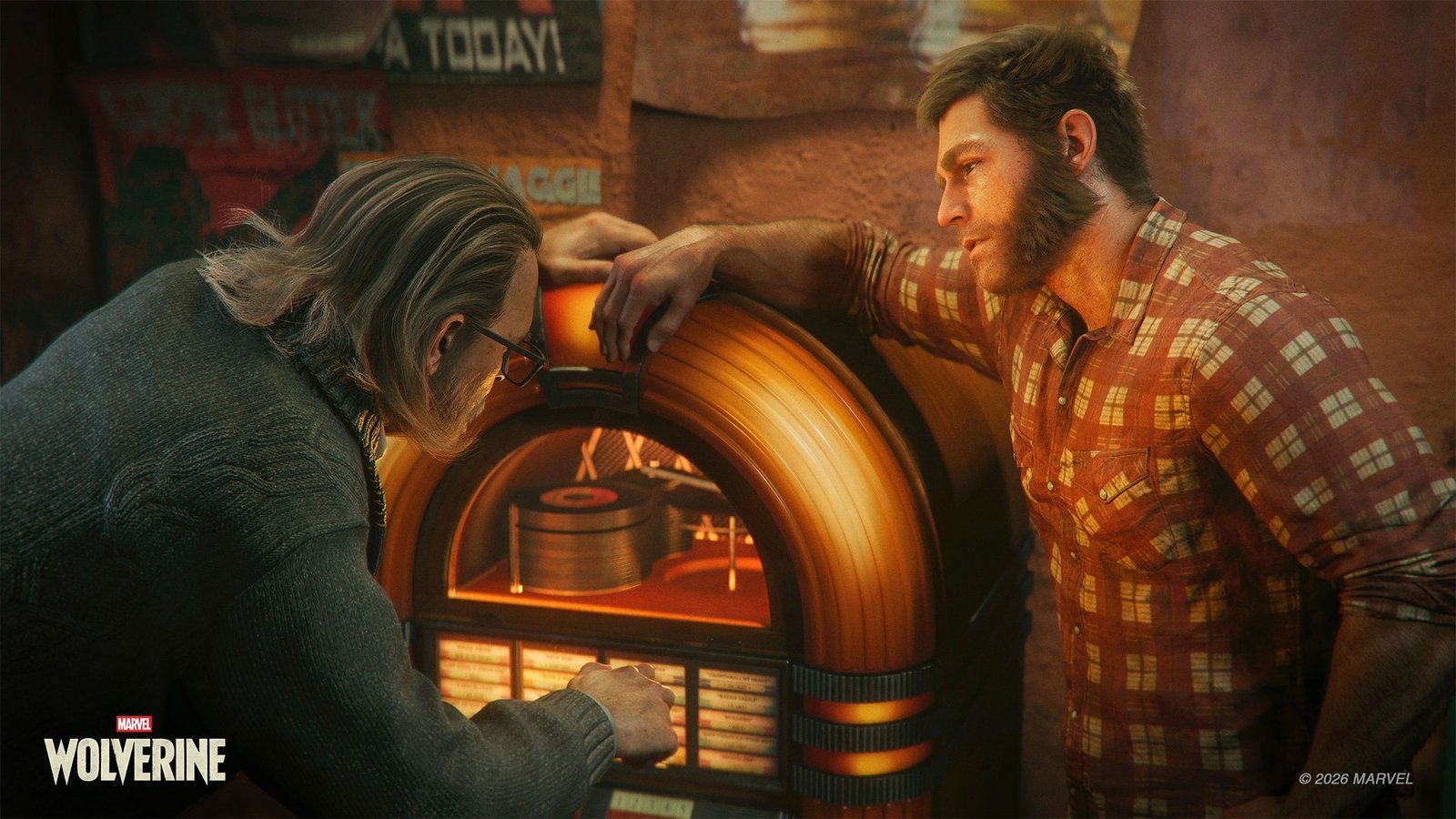
The Man Behind the Claws Is the Real Opportunity
After two hours, Marvel’s Wolverine looks like it could be an excellent character action game. The combat is fierce and free-flowing. Rage encourages exactly the sort of reckless aggression Wolverine should inspire. Stealth is unexpectedly entertaining, different enemy factions give encounters room to change, and its more focused level structure feels appropriate for Logan rather than like a lesser version of Spider-Man.
There are still questions.
The combat was occasionally too easy, and standard attacks could use greater impact. Barrage already risks becoming an overly reliable answer. The Sentinel fight showed how quickly a lengthy encounter can expose repetition, while the skill tree, Special Techniques and Adaptations still need to demonstrate enough evolution to sustain an entire campaign.
The narrative carries an even greater burden. Nightmare Doors hint at a way to make Logan’s fragmented past interactive. Team X begins with enough resentment and instability to make its relationships interesting. Familiar characters are occupying slightly unfamiliar positions, leaving room for Insomniac to surprise audiences who already know the names.
None of that guarantees the deeper Wolverine story the setup promises, but it gives the game somewhere worthwhile to go after the novelty of cutting another Reaver apart begins to fade. The claws are what make Marvel’s Wolverine immediately exciting, but its real opportunity is convincing us that the man carrying them is more interesting than anything he can cut apart.
Marvel’s Wolverine launches on September 15 exclusively for PlayStation 5.
