

Table of Contents
Ghost of Yotei Complete Edition on PS5 Pro
Returning to Ghost of Yotei after some time away initially comes with a little rust. Atsu’s arsenal remains broad, and remembering which weapon counters which enemy takes a moment when the blades start flying again. Thankfully, that muscle memory returns quickly. Before long, swapping between weapons, parrying attacks, and reading an increasingly crowded battlefield becomes second nature once more.
That is vital because both Echoes of Sekigahara and the roguelike mode Most Wanted build on the strengths that make Ghost of Yotei Complete Edition a more compelling action game. One gives Atsu more room to grow beyond the revenge that defined her journey, while the other strips away much of the narrative scaffolding and asks a simpler question: just how good are you when the fighting refuses to stop?
Together, the two additions work because they pull in opposite directions. Echoes of Sekigahara looks backwards to fill in missing pieces of Atsu’s life, while Most Wanted gives players a reason to keep moving forward long after those old wounds have been reopened.
Old Wounds Refuse to Heal
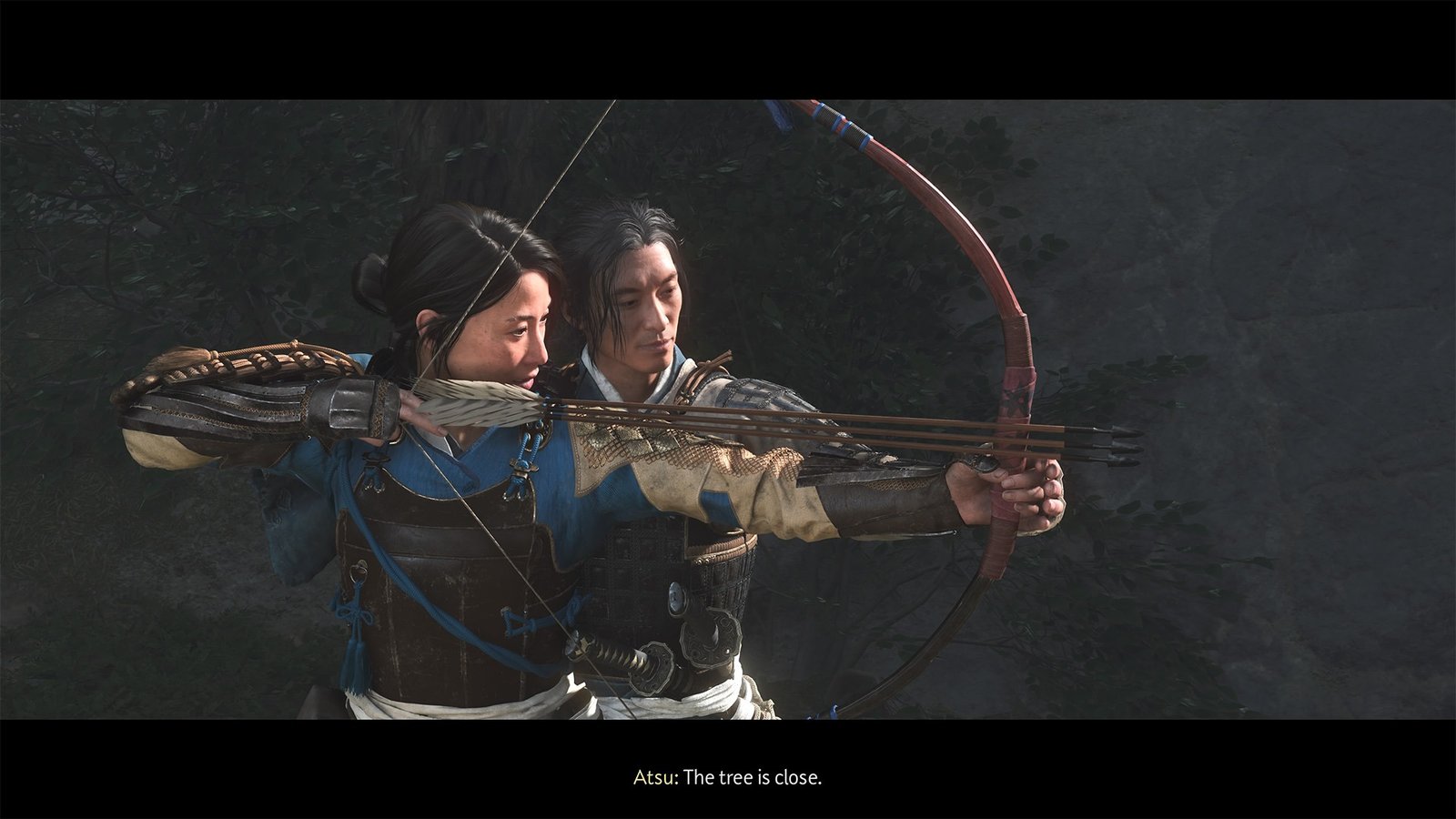
For anyone invested in Atsu as a character, Echoes of Sekigahara is immediately valuable. Rather than simply inventing another threat for her to cut through, the expansion digs deeper into the years that shaped her before her return to Ezo, while still pushing her present-day story along.
The new character, Nagato, is central to that approach. Conniving and sly in the present, he was once someone Atsu trusted, and Echoes of Sekigahara gets plenty of mileage out of that contradiction. Their relationship gives the expansion its emotional core, with flashbacks and new missions revealing different sides of Atsu without undermining the woman she eventually becomes.
The pair’s friction is enjoyable whenever they share the screen. Nagato knows Atsu well enough to get under her skin, yet their history means she cannot simply dismiss him as another target. That makes him an effective foil, especially as Echoes of Sekigahara begins asking Atsu to confront memories more complicated than the straightforward vengeance that once consumed her.
The Vipers provide the more immediate threat as part of the Ghost of Yotei Complete Edition. As an extension of The Snake’s legacy and, by association, the wider Yotei Six, they are every bit as unpleasant as expected. They also know how to fight dirty. Even with a well-developed Atsu, several encounters demand attention, particularly when different enemy types begin working together and force you to stay sharp with your counters.
The broader storytelling can be predictable, but that rarely becomes a serious problem. Echoes of Sekigahara is less concerned with shocking revelations than it is with giving familiar history greater meaning. The destination may not surprise, but the journey adds enough context to Atsu and her relationships to make it worthwhile.
Beauty Among the Ruins
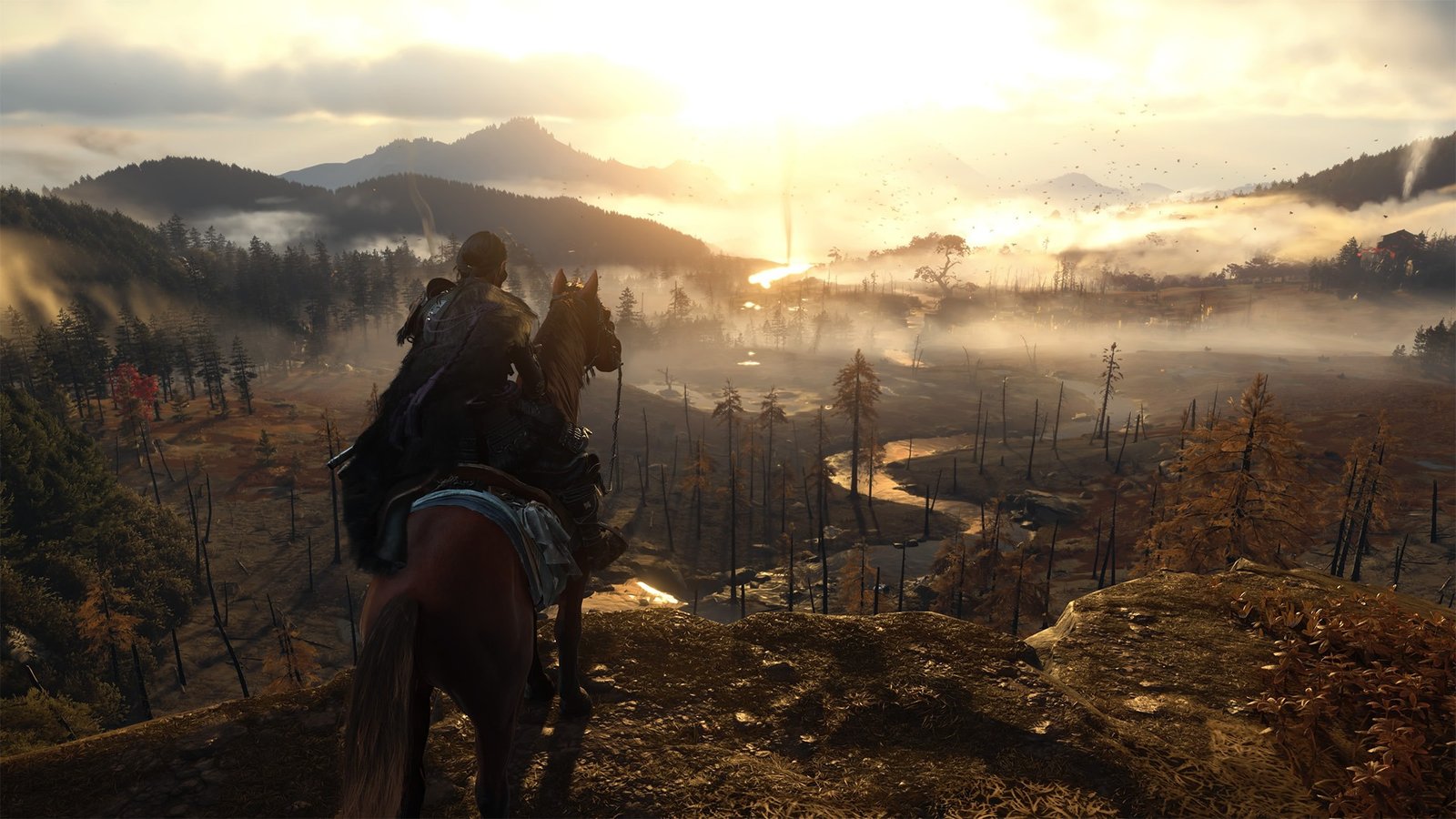
Ashoro Foothills gives that journey an appropriately striking setting in Ghost of Yotei Complete Edition. Death and destruction hang over much of the region, yet Sucker Punch has lost none of its ability to build landscapes that make you stop simply to take everything in.
That contrast suits Echoes of Sekigahara particularly well. Its ruined spaces and scars of violence sit beside sweeping vistas that remain every bit as breathtaking as those found elsewhere in Ghost of Yotei Complete Edition. For a completionist run, there is plenty of reason to wander away from the critical path, and the familiar rhythm of exploration still works even if it no longer carries the same sense of discovery as it once did.
Mechanically, Echoes of Sekigahara doesn’t try to reinvent Atsu. Instead, it adds a few more toys to an already considerable arsenal. Massive Weapons are the most immediately entertaining. They are not always available, but when the opportunity arises, picking one up and smashing through enemies in a single devastating swing is exactly as satisfying as it sounds.
That restraint ultimately suits the expansion. Echoes of Sekigahara works best as an extension of Ghost of Yotei Complete Edition rather than an attempt to overhaul it, strengthening Atsu’s story while providing another beautiful and bloody corner of Ezo to explore.
Most Wanted Takes the Spotlight
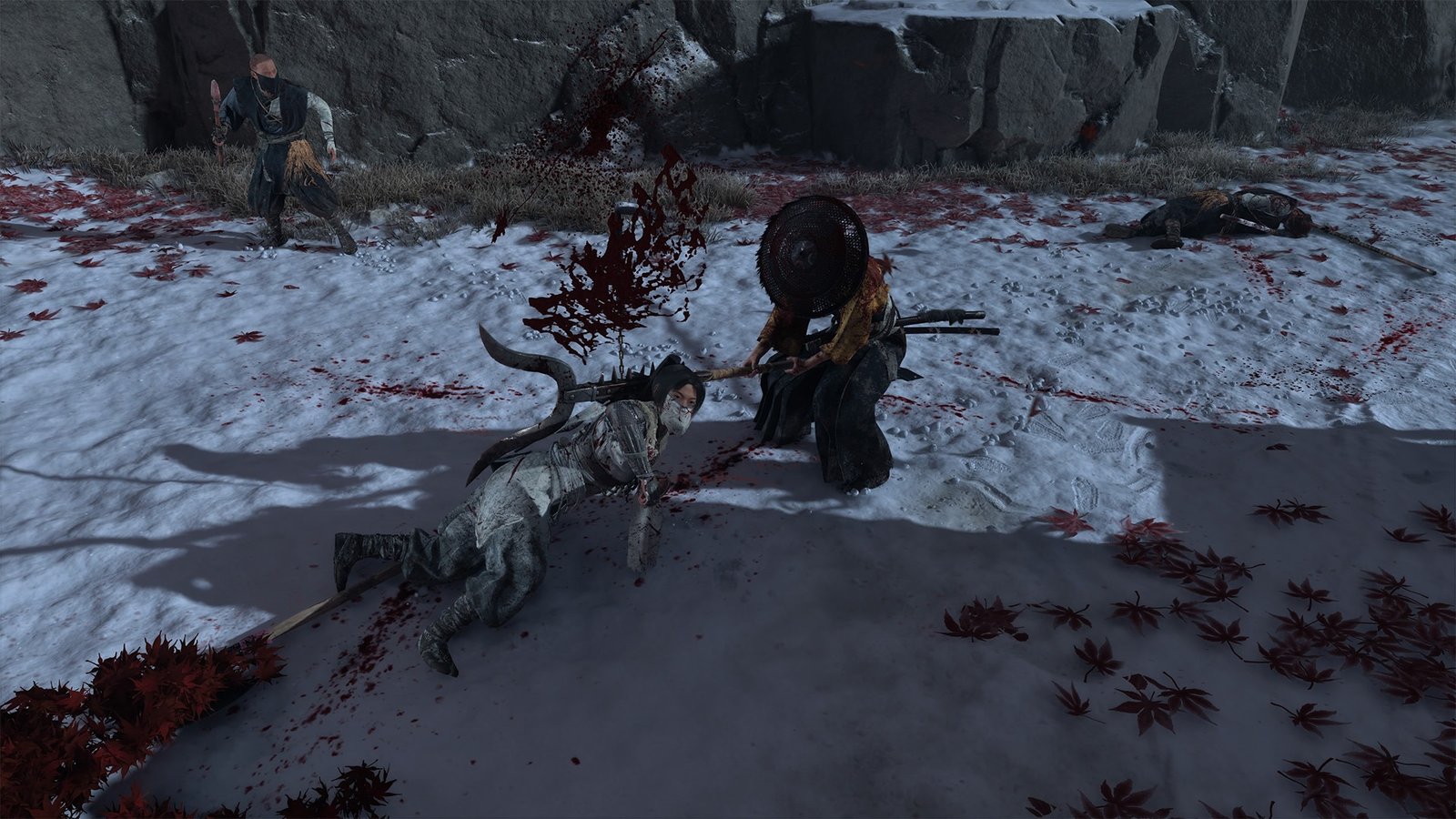
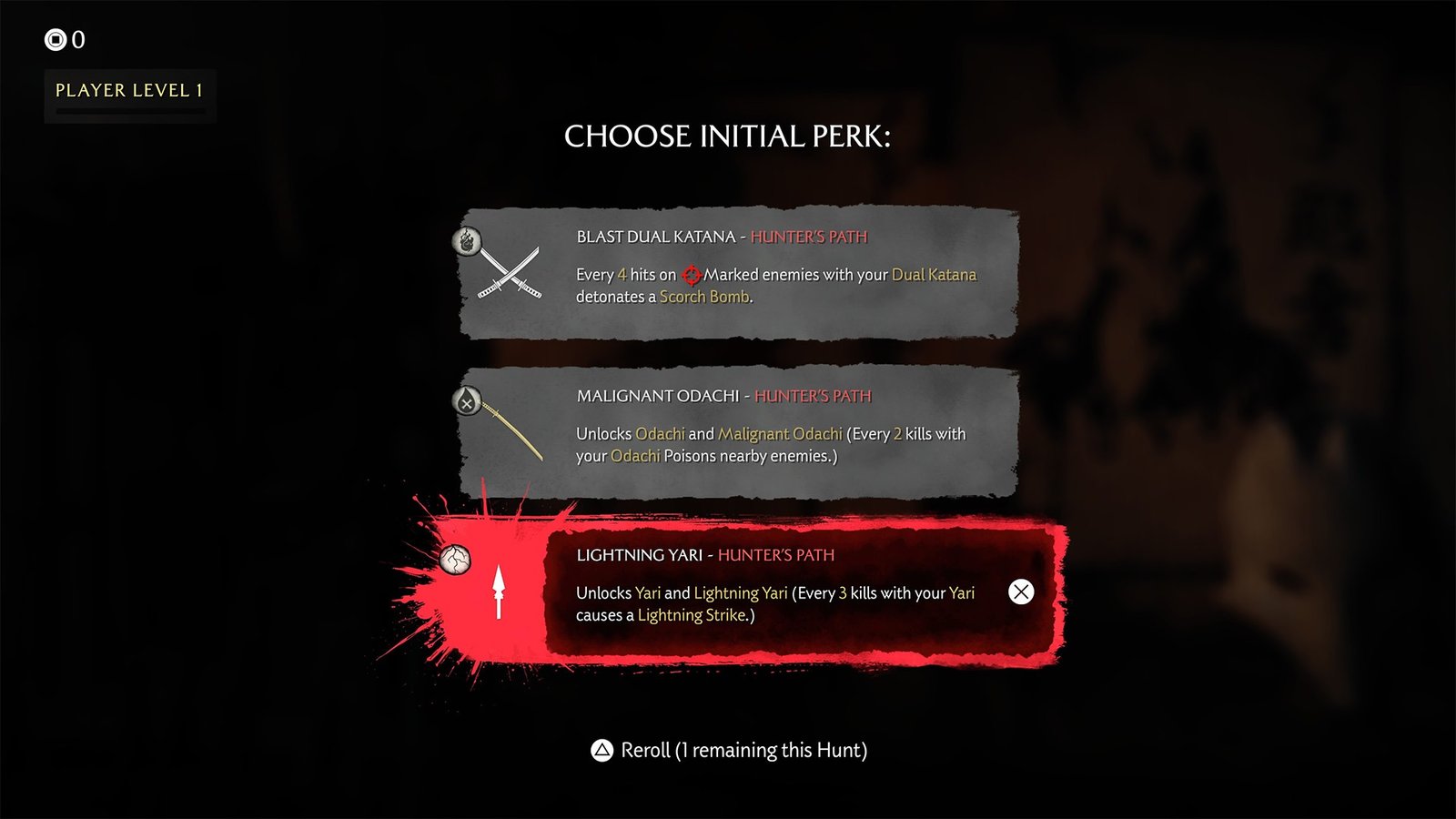
If Echoes of Sekigahara gives Ghost of Yotei Complete Edition more heart, the Most Wanted mode gives it longevity. The roguelike structure effectively isolates one of the game’s greatest strengths: its combat. Runs become a sequence of increasingly dangerous bounties, with perks steadily shaping how each attempt develops.
Crucially, those perks are not just marginal percentage increases. There are genuinely interesting combinations to build around, encouraging experimentation rather than simply chasing the same upgrades every time. Additional weapons, new modifiers, and tweaks to known skills all work quite well in refreshing the experience every time.
The four playable hunters make that experimentation even stronger. Atsu remains a natural favourite thanks to the flexibility of her familiar arsenal, but Most Wanted becomes particularly interesting whenever a character lacks the obvious counter to the enemy standing in front of them. Suddenly, success is less about following the established weapon triangle and more about exploiting abilities, positioning, environmental opportunities, and whatever your current build allows.
That makes Oyuki and Nagato worthwhile alternatives even if they may not become everyone’s first choice. Each has moments where their particular strengths click with the perks available, helping Most Wanted avoid becoming four slightly altered versions of the same combatant. Then there is Jin Sakai.
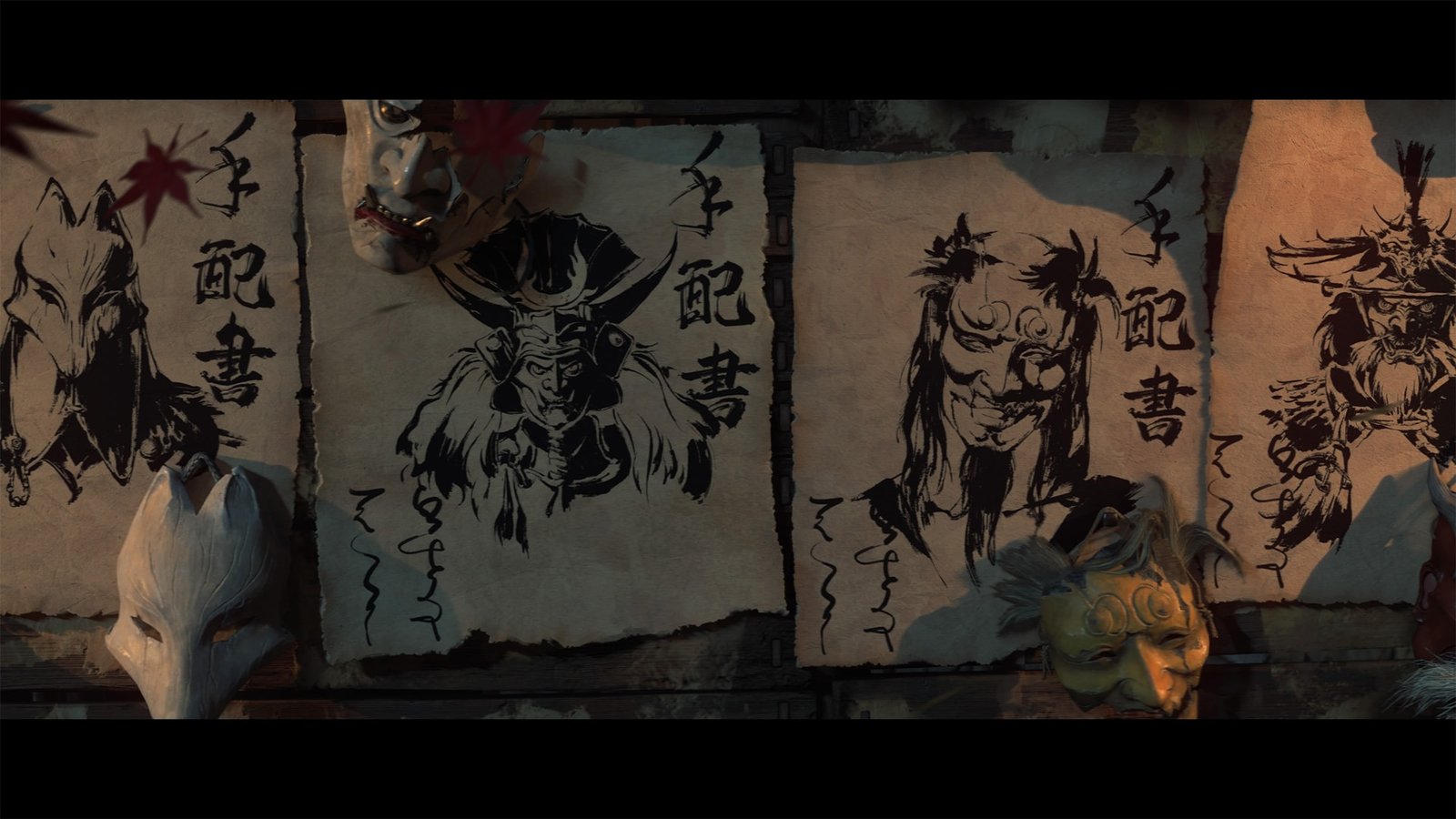
As the final character to unlock, Jin almost feels like Most Wanted opening up for a second time. Rather than adopting Atsu’s weapon-counter system, he functions more like his Ghost of Tsushima incarnation, cycling through stances to answer different threats. Putting that familiar fighting style against Ghost of Yotei Complete Edition‘s enemies and arenas makes his return feel like more than nostalgia. It is a genuinely different way to approach the mode, and a refreshing one at that.
One More Bounty
Most Wanted is also willing to push back. Higher-level bounties start throwing substantial groups of enemies into the mix, forcing better target prioritisation and cleaner execution than many story encounters require.
That pressure does expose one weakness: lock-on. With several enemies closing in at once, keeping the camera and target selection exactly where you want them can become awkward. It is manageable with familiarity, but the friction is far more noticeable when Most Wanted deliberately fills the battlefield and leaves very little room for mistakes.
Thankfully, that annoyance never overwhelms what the mode does well. Most Wanted understands the appeal of the “one more run” mentality, and Ghost of Yotei Complete Edition already has the combat quality required to sustain it. A promising set of perks, a different hunter, or simply the desire to tackle a harder bounty is often enough to send you straight back in.
That ultimately defines these additions as part of the Ghost of Yotei Complete Edition. Echoes of Sekigahara gives Atsu another meaningful chapter, expanding both the world and the person behind the Onryo. Most Wanted takes the systems that made fighting across Ezo so satisfying and gives players a reason to master them all over again.
For new players and even those returning to Ghost of Yotei Complete Edition, one addition makes the journey richer, and the other makes it much harder to leave, which suitably makes this the best and most comprehensive way to enjoy this adventure of revenge.
Ghost of Yotei Complete Edition is available now for PlayStation 5.
SavePoint Score
Summary
Echoes of Sekigahara gives Atsu greater emotional depth through a compelling return to her past, while Most Wanted transforms Ghost of Yotei Complete Edition’s excellent combat into an addictive, challenging roguelike loop.
