

Table of Contents
Kick on PC
A football has a way of making even the most ordinary journey more interesting. A stretch of pavement becomes a training ground, a bench turns into an obstacle, and getting to school suddenly feels less important than keeping the ball at your feet. That sense of childhood improvisation sits at the heart of Kick, a side-scrolling platformer from solo developer nospacelost and publisher Shoreline Games.
Following a young protagonist known as The Kid, the game transforms a morning trip into a playful succession of challenges across a Japanese-inspired world. The premise needs little explanation: there is a destination to reach and a ball to bring along, with plenty of chances for both to go astray along the way.
Getting there, however, is not quite as carefree as the bright presentation suggests. Kick asks for precise movement and ball control, and although its ideas often have personality, the execution can make the journey feel more awkward than it should.
A School Run of Flair
Kick‘s appeal begins with how it frames a familiar childhood ritual. There is no tournament to win or professional career to build; instead, the focus is on the small adventure that can emerge when a child has a ball, an active imagination and somewhere to be.
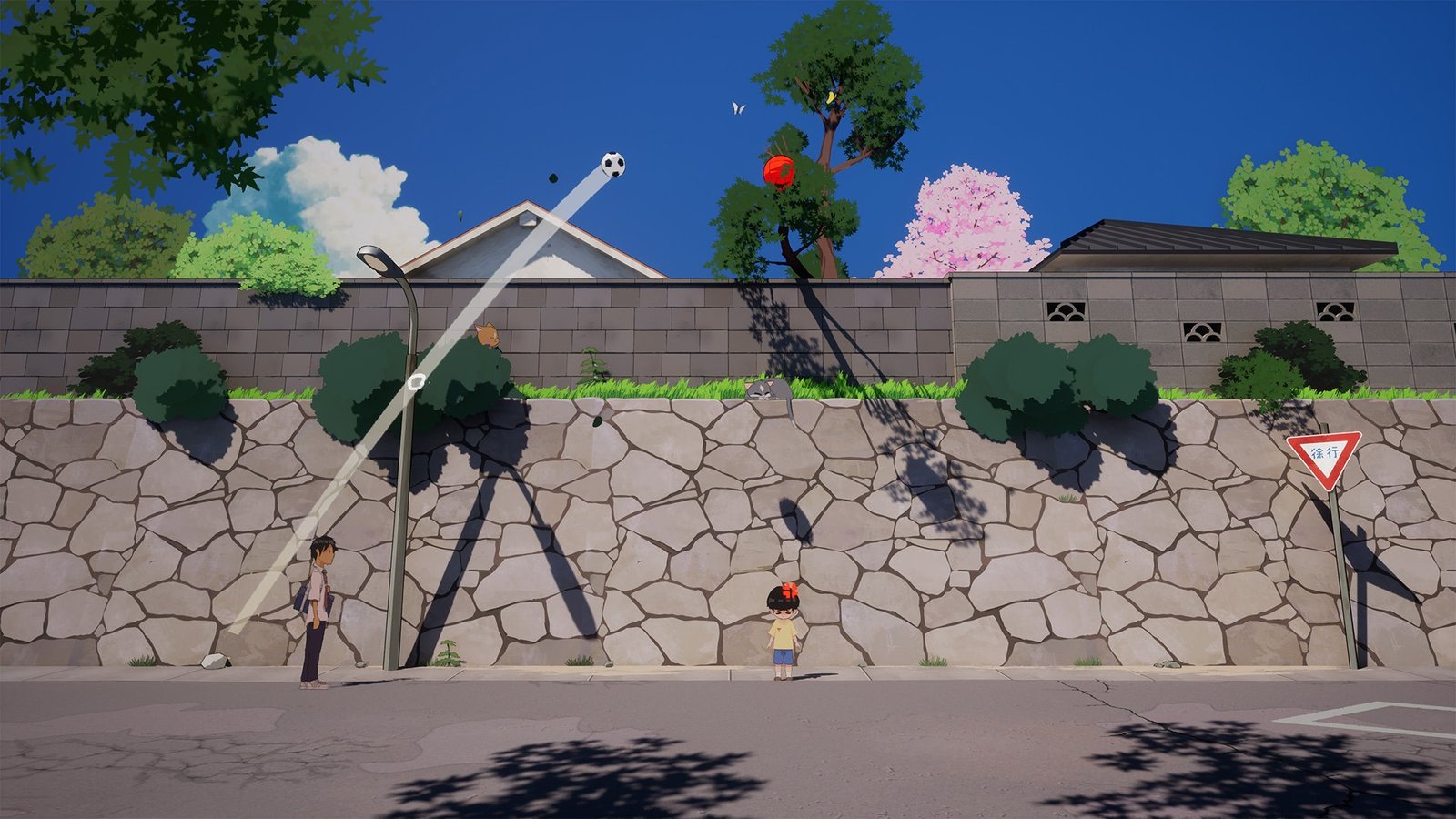
Streets, beaches, parks and underpasses provide the backdrop for that journey, with colourful, anime-inspired scenery giving each stretch a sense of place. The world feels inviting without needing an elaborate story to explain why the journey matters. A well-placed obstacle or change in surroundings is enough to turn the route ahead into a new problem to solve.
That approach gives Kick a personality distinct from traditional football titles. The sport is woven into the rhythm of moving through the environment, turning an everyday object into both a companion and the source of the next challenge. It’s most appealing when the setting and mechanics work together to make a small accomplishment feel like a moment of childhood ingenuity.
Finding Your Feet With the Ball
The central task is simple in principle: guide The Kid and his football through each stage. Moving, jumping and choosing how to kick the ball all play a part, whether the route calls for a careful touch through a gap or a higher strike to clear an obstacle. Keeping track of both the character and the ball gives the platforming a distinctive rhythm.
When those actions come together, a sequence of touches can turn an untidy stretch of pavement into an enjoyable test of timing. There is satisfaction in reading the space ahead and figuring out how to move the ball through it, especially when the next hurdle demands a different approach from the last.
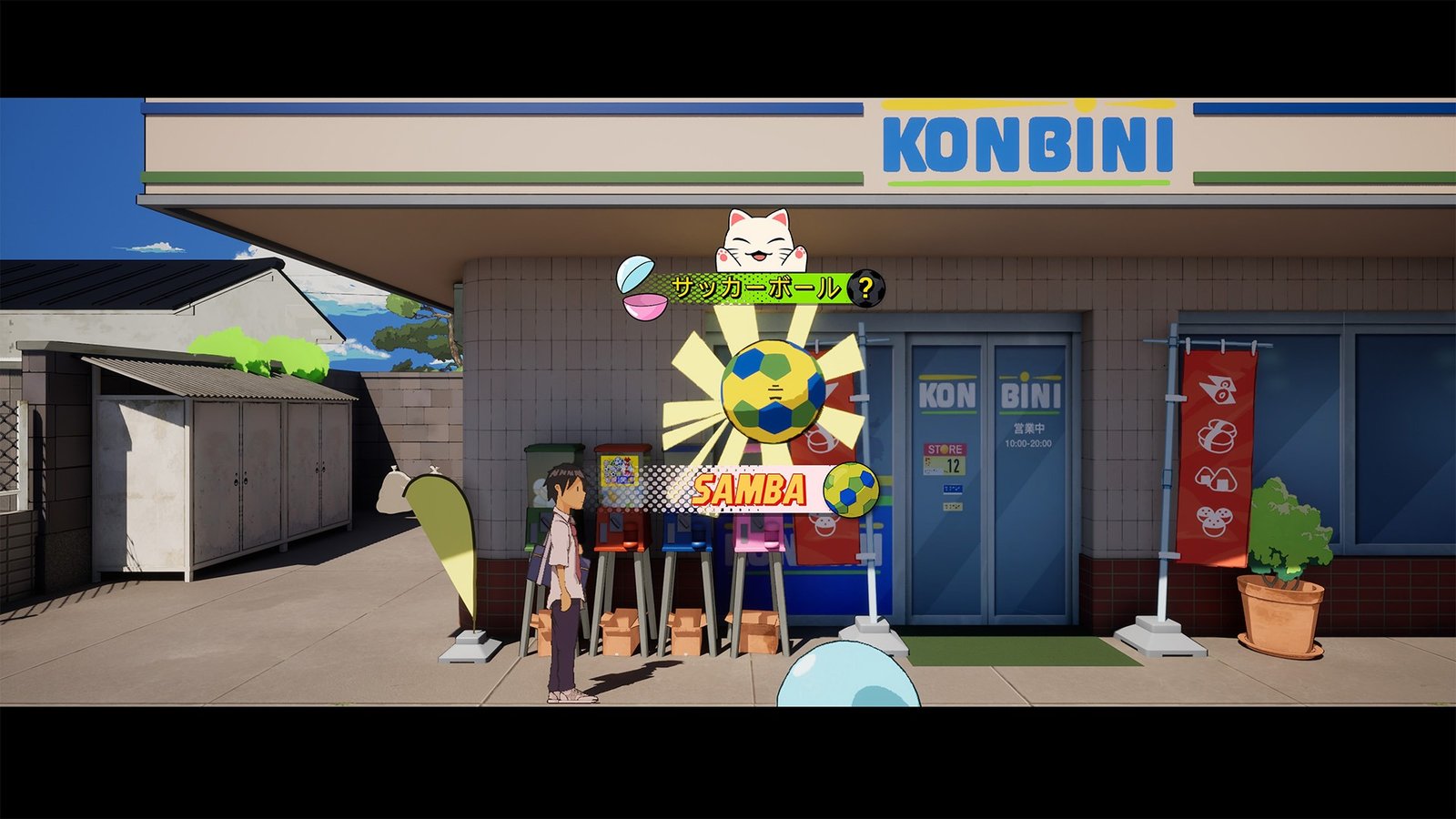
The difficulty is that the ball does not always feel as dependable as the challenges require. An awkward bounce or an imprecise touch can unravel a promising run, and repeating the same section of Kick becomes less rewarding when it is hard to judge what needs to change. The premise depends on the pleasure of controlling the ball; when that connection feels uncertain, frustration can quickly replace the intended sense of play.
More Than a Straight Run
Across its 23 levels, Kick introduces variations designed to keep the school journey from becoming a single repeated exercise. Some stages ask players to gather coins, while others add the pressure of a race or a time limit. The changing objectives give the game room to explore the possibilities of its central idea rather than relying entirely on getting from one end of a street to the other.
Those shifts can be welcome, as a new goal encourages a fresh look at moves that might otherwise become routine. They also place different demands on the same core controls, however, and the transition from leisurely exploration to a more exacting challenge may be abrupt for anyone drawn in by the game’s gentler appearance.
The option to disable timers in timed levels offers a useful way to ease some of that pressure. It does not remove the need to navigate hazards or account for the ball’s behaviour, but it gives players who prefer to take their time a little more space to learn the route. Collectable coins and cosmetic unlocks add another reason to explore, even if they are unlikely to change anyone’s feelings about the fundamentals.
The Joy in the Journey
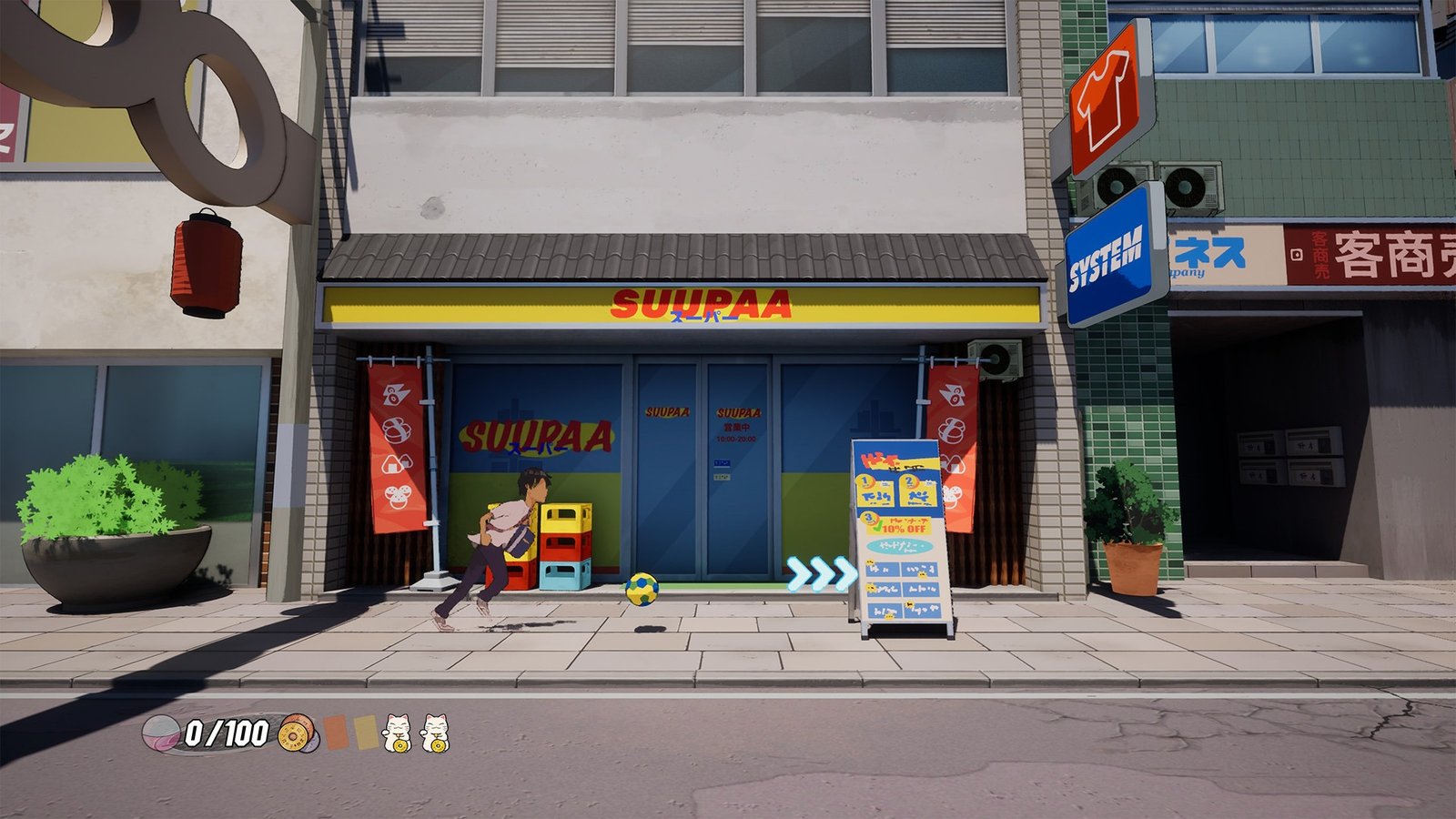
What makes Kick appealing is not the promise of flawless football, but the idea that an ordinary trip can become something memorable. Its colourful world and modest premise create an affectionate picture of childhood, where a ball and an open route are enough to make the day feel full of possibility.
That charm has to contend with mechanics that don’t always deliver the precision its challenges demand. The variety of objectives keeps the journey lively, but sudden shifts in difficulty and awkward ball control can break the flow just as it starts to settle in.
Even so, the game’s playful outlook offers plenty to appreciate. For players willing to be patient with its uneven footwork, Kick offers an imaginative little adventure built around a simple pleasure: finding one more reason to keep the ball moving.
Kick is available now on PC.
SavePoint Score
Summary
Kick transforms an everyday journey into a colourful childhood adventure, with inventive football challenges and an inviting world. Uneven ball control and abrupt difficulty shifts can disrupt the fun, but its playful spirit still shines through.
