

Table of Contents
Metal Gear Solid Movie Locks in Directors as Sony Pushes the Adaptation Forward
Directors Named as a Real Production Step
The Metal Gear Solid film adaptation has spent so long in development that it has often felt more like an industry anecdote than an active project. That perception is now harder to maintain. As reported by The Hollywood Reporter, Sony has officially appointed Zach Lipovsky and Adam B. Stein to direct the movie, giving the adaptation a clear creative leadership team after years of slow movement.
Lipovsky and Stein are best known for their work on Final Destination: Bloodlines, and their attachment suggests Sony is actively rebuilding momentum rather than simply keeping the rights warm. In practical terms, naming directors is one of the first milestones that typically leads to script iteration, casting discussions, and scheduling, even if it does not guarantee a near-term shoot.
Producers Remain Attached, Suggesting Continuity
The project will continue to be produced by Avi Arad and Ari Arad, a pairing with extensive experience shepherding IP-driven films. Their continued involvement matters because Metal Gear Solid has cycled through long stretches of uncertainty. Keeping the same producers attached signals Sony is leaning toward continuity behind the scenes rather than retooling the project from scratch yet again.
It also reinforces that this remains a big studio adaptation in approach, not an experimental indie take. Metal Gear Solid carries enough brand weight that any film version will be judged against the franchise’s tone, politics, and cinematic DNA, and producer continuity implies Sony wants a stable framework to deliver something broadly accessible.
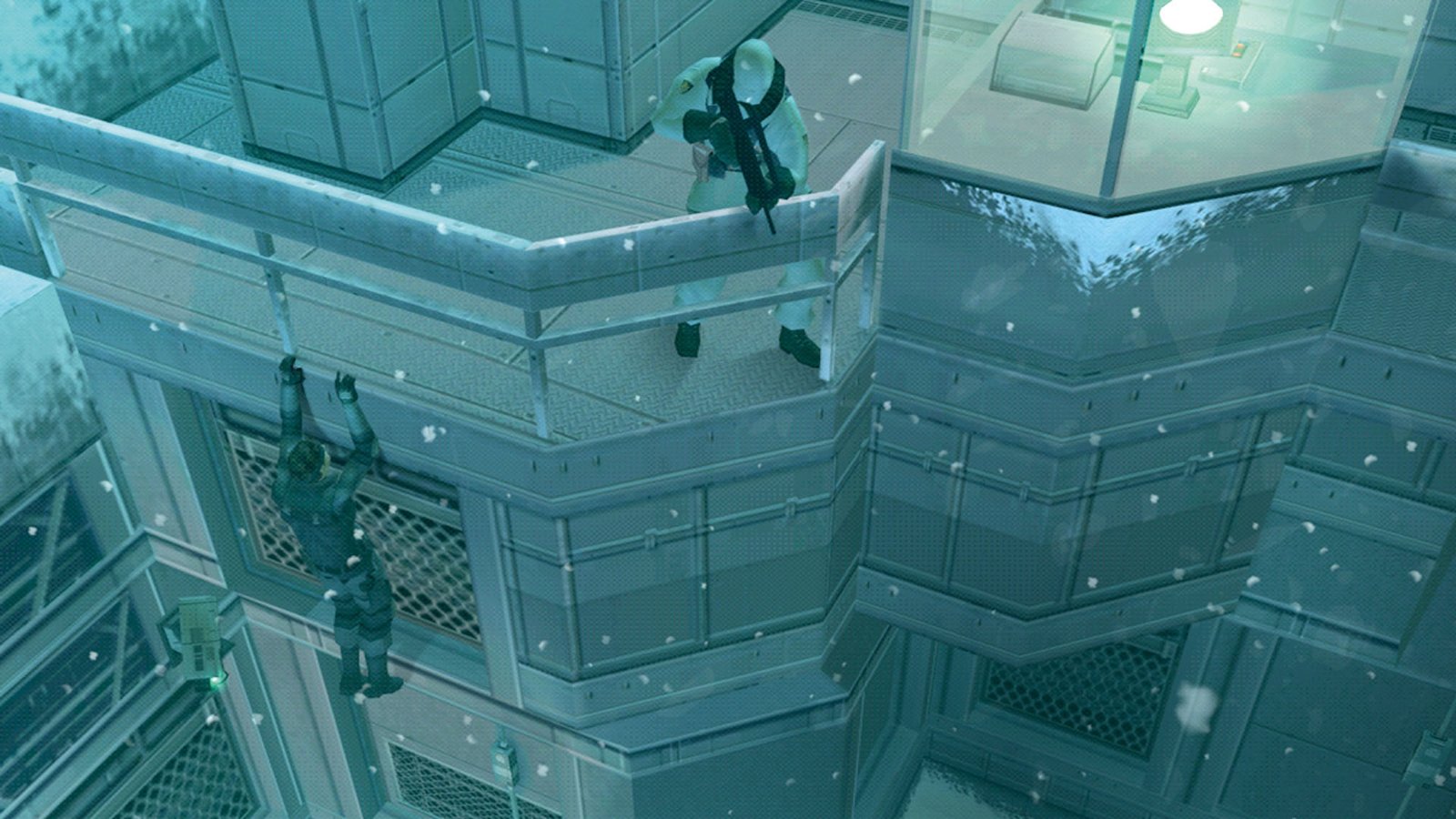
Directors Praise the Source Material, but Key Decisions Are Still Pending
Lipovsky and Stein have publicly praised Metal Gear Solid’s storytelling and cinematic influence, presenting the franchise as one of the medium’s defining narrative works. That enthusiasm may help reassure observers that the film is not being treated as a generic action vehicle, but it does not answer the questions that will shape how the adaptation is received.
Sony has not confirmed casting for Solid Snake, whether the film will adapt a specific game directly or build a new story inspired by the wider universe, or any release window. Those are not minor details. This is a series in which character casting and narrative structure determine everything, from tone and pacing to how the film handles its blend of stealth tension, political commentary, and heightened spectacle.
Why This Moment Matters for the Adaptation
Metal Gear Solid has always been considered unusually film-ready, not because it is simple, but because it already thinks like cinema. The series is dense with ideology, set-piece staging, and character-driven conflict. That makes it attractive for adaptation, but also risky. A film that reduces it to surface-level action will be rejected quickly.
For now, the most important takeaway is straightforward: Metal Gear Solid is no longer only a legacy announcement. With directors officially attached and producers still in place, the project has taken a concrete step toward becoming a real film.
