

Table of Contents
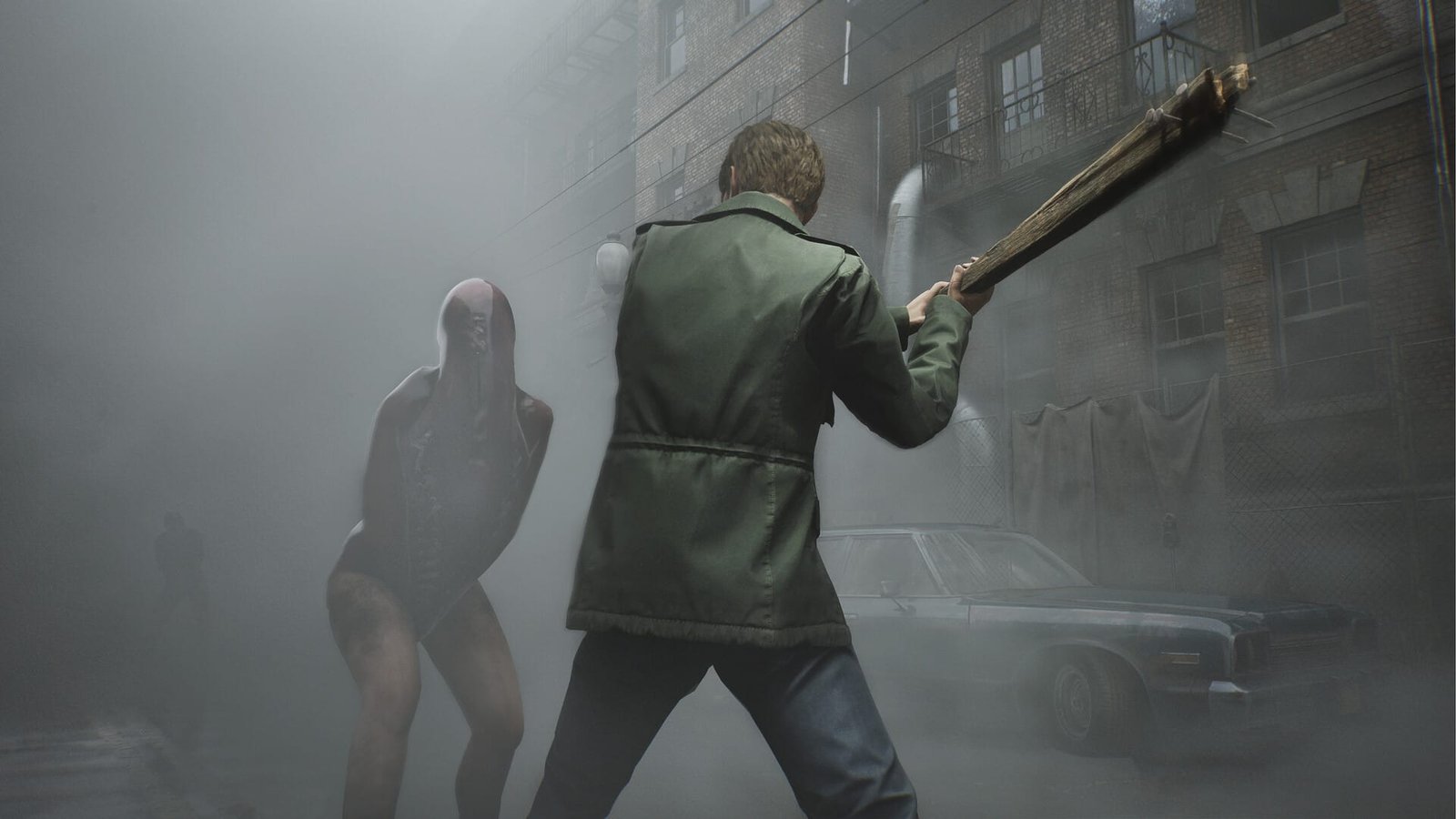
Silent Hill f Opens the Door to Global Horror Settings
Validating a Bold Creative Shift
Silent Hill f represented a major creative risk for Konami. For the first time, the long-running survival horror franchise stepped away from its traditionally American-inspired setting and relocated its psychological terror to Japan. Rather than relying on familiar imagery, the game leaned heavily into Japanese folklore, local anxieties, and cultural mythology.
That decision has proven successful. With strong critical reception and encouraging sales performance, Silent Hill f has not only helped reestablish confidence in the brand but has also influenced how Konami is thinking about the franchise’s long-term direction.
Konami Explores New Global Settings
In a recent interview with Inverse, producer Motoi Okamoto confirmed that the game’s success has prompted internal discussions about expanding the series globally. According to Okamoto, Konami has already researched a range of potential regions that could serve as future settings.
These include regions across Asia and Central and South America, as well as specific countries such as Russia, Italy, and South Korea. Each region, Okamoto explained, offers its own belief systems, spiritual traditions, and cultural fears that could naturally align with the series’s brand of psychological horror.
Cultural Belief Systems at the Core of the Horror
Okamoto emphasised that the goal would not be a superficial change of scenery. Instead, Silent Hill’s identity would need to be deeply rooted in the cultural and spiritual frameworks of the chosen region. For example, Central and South America could draw on shamanistic beliefs, while countries like Italy, Russia, and South Korea offer distinct religious and historical traditions that could shape new forms of fear and guilt.
The key challenge, according to Okamoto, is authenticity. Horror works best when it reflects the psychological pressures and belief systems of its setting, rather than simply borrowing visual motifs.
Finding the Right Development Partners
Despite the enthusiasm, Okamoto acknowledged that expanding Silent Hill globally presents practical challenges. One of the biggest obstacles is identifying development partners with both the technical expertise and local cultural knowledge required to handle such sensitive material.
He noted that any project rooted in regional belief systems would ideally involve local studios to ensure accuracy and respect. At present, Konami has not confirmed whether such partnerships are in place, making these ideas long-term possibilities rather than immediate plans.
More Projects Still in Development
While discussions continue internally, Konami already has multiple Silent Hill projects underway. These include the Silent Hill 1 Remake and Silent Hill: Townfall, both of which remain largely under wraps.
If the latest game has proven anything, it is that the franchise can successfully evolve beyond its traditional boundaries. The next chapter may not only revisit familiar foggy streets but also introduce entirely new forms of horror shaped by cultures around the world.
