

Table of Contents
Nintendo Files Tariff Lawsuit Against the US Government
Nintendo has filed a lawsuit against the United States government over tariffs, a rare escalation that puts the games maker in the middle of a wider legal fight now spreading across the tech and retail world.
As reported by Automaton, the case was filed by Nintendo of America in the US Court of International Trade, seeking refunds for duties it says were unlawfully collected, plus interest on the amounts paid.
This is not the gaming giant taking aim at another studio, a fan project, or an emulator. It is Nintendo challenging the imposition of import duties, and the dispute is rooted in whether the government had the legal authority to implement a sweeping tariff programme under emergency powers.
Why Nintendo Is Seeking Refunds Now
At the centre of the complaint is the claim that the company paid significant duties under tariffs introduced under a national emergency framework. In recent weeks, legal decisions have created an opening for companies to pursue reimbursement, prompting a wave of lawsuits from importers across multiple industries.
The filing aligns with that broader push, focusing on recouping money already paid rather than on halting future policy in the abstract. For players, the relevance is not theoretical. Tariffs hit hardware directly, especially consoles and accessories that rely on overseas manufacturing and complex supply chains.
Even when companies absorb some of the cost, the pressure often shows up in pricing, bundles, margins, or timing.
The Switch 2 Tie-In and Why Gamers Care
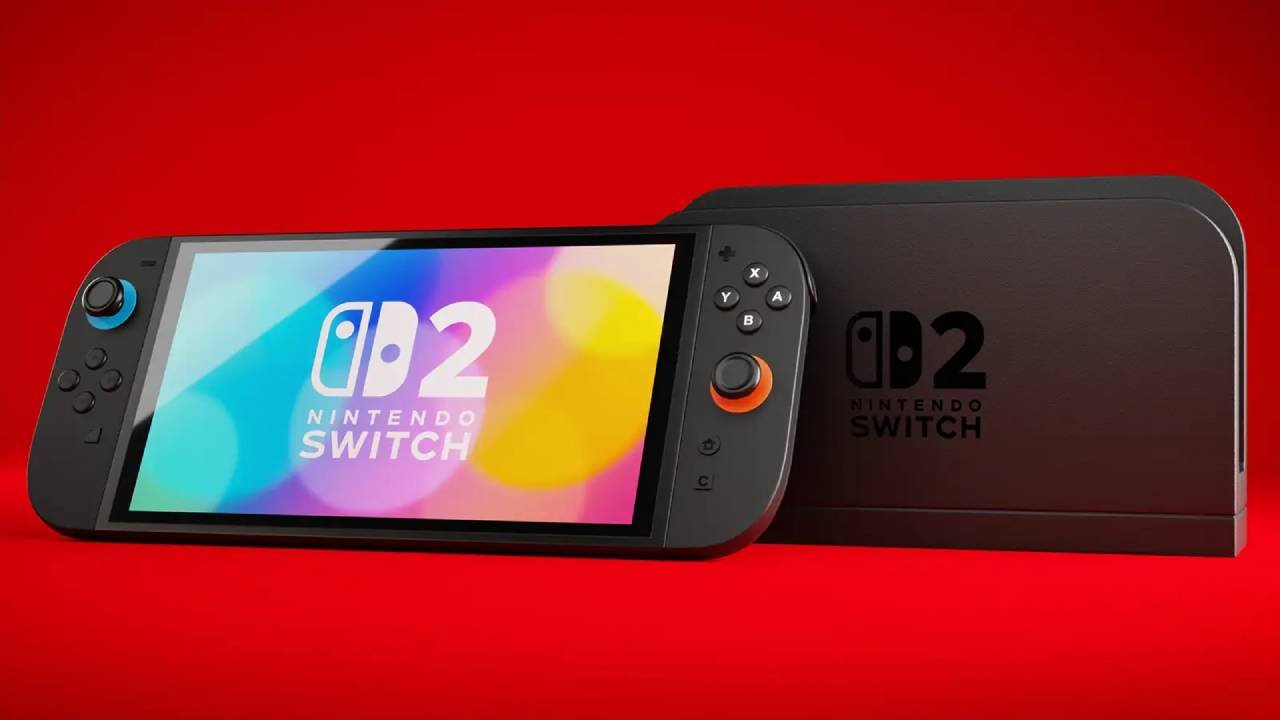
Nintendo has already pointed to tariff uncertainty as a practical business issue, including delaying the US preorder timing for Switch 2 while it assessed potential impacts. That context matters because it shows how quickly policy shifts can ripple into consumer-facing decisions, even when a launch plan appears locked in.
The lawsuit itself does not guarantee cheaper hardware or immediate changes to pricing, but it does signal that the company is treating tariff exposure as serious enough to fight in court. If refunds are granted more broadly, it could reduce some of the financial drag importers have been carrying since 2025, even if the long term tariff landscape remains in flux.
Nintendo and the government have not laid out a public timeline for resolution, and trade cases can move slowly. The most immediate takeaway is that the Japanese gaming stalwart is now formally part of a large-scale legal challenge over tariff refunds, and its outcome could influence how other gaming and tech companies approach similar claims.
