

Table of Contents
Tomodachi Life: Living the Dream Reinvents Player Agency
Tomodachi Life has always stood apart from traditional life simulation games. Instead of complex management systems or long-term progression loops, the series thrived on unpredictability. Players would populate an island with Miis, then sit back and watch friendships blossom, arguments erupt and romances collapse in spectacularly awkward fashion.
Tomodachi Life: Living the Dream keeps that eccentric DNA intact, but it fundamentally shifts how much control players have over the chaos.
One of the most significant changes is the ability to directly initiate interactions. Rather than waiting for Miis to organically approach one another, players can now drag one character toward another to spark a conversation. This seemingly small tweak transforms the experience from passive observation into active orchestration, allowing players to experiment with relationship dynamics in a more deliberate way.
A Fully Editable Island
Perhaps the most dramatic upgrade comes in the form of island customisation. The rigid apartment layout of the 2013 Nintendo 3DS entry has been replaced with a more flexible system that allows players to reshape the environment itself.
Homes can be moved, decorations can be placed and the island’s layout can be adjusted to suit personal tastes. The addition of a palette shop enables players to design custom textures for buildings and clothing, greatly expanding creative expression.
The result is a Tomodachi Life that feels less like a static stage for Mii antics and more like a personalised sandbox.
Deeper Mii Creation and Personality Tweaks
The Mii creation suite has also been significantly expanded. Drawing inspiration from the more advanced tools seen in Miitopia on Nintendo Switch, players can now apply detailed cosmetic adjustments such as enhanced makeup options and varied hairstyles.
Beyond appearance, Tomodachi Life: Living the Dream introduces “little quirks” that allow players to fine-tune a Mii’s personality beyond the standard archetypes. These additional traits are designed to create more varied behaviour patterns and unpredictable social outcomes across the island.
In practice, this means Miis should feel less interchangeable and more individually distinct over time.
Broader Representation and Relationship Options
Another long-requested improvement arrives in the form of expanded gender identity and dating preference options. The original faced criticism for its restrictive relationship systems, and the sequel introduces broader settings to better reflect diverse player identities.
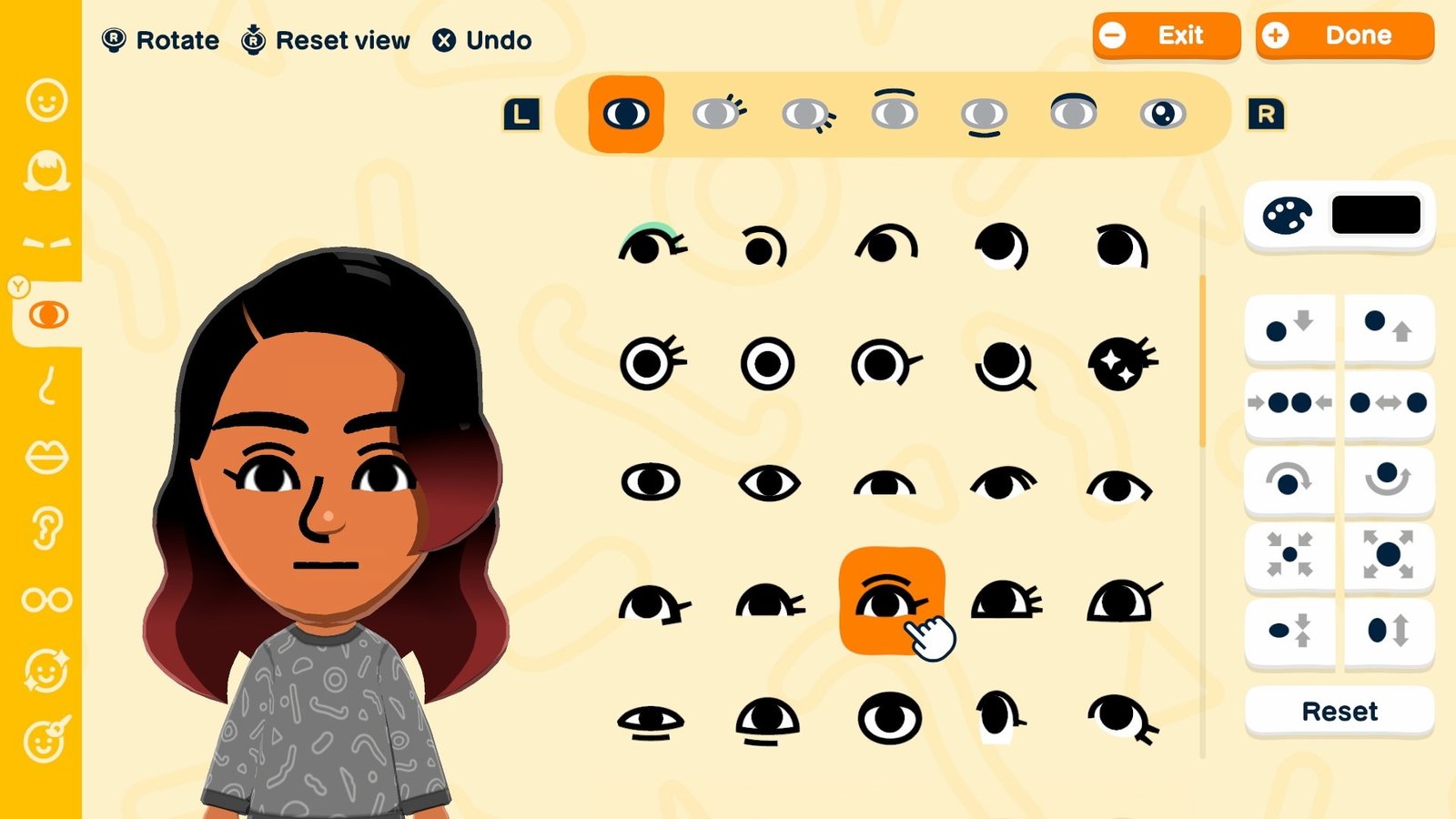
With these changes, Living the Dream aims to remove some of the limitations that previously held the series back, offering players more freedom to create characters that genuinely represent themselves or entirely new personalities.
The Same Chaos, With More Control
What ultimately defines Tomodachi Life: Living the Dream is not a dramatic reinvention of the formula, but a recalibration. The spontaneous humour and absurd social moments remain central, yet the player now has more influence over how those moments unfold.
For a series built on randomness and charm, that added agency could be the difference between a short-lived novelty and a long-term digital playground.
Tomodachi Life: Living the Dream launches on April 16 for Nintendo Switch and Nintendo Switch 2.
