


Table of Contents
Anno 117: Pax Romana on PC
Rome does not sleep. Its provinces whisper of grain, marble and ambition. From my villa overlooking the forum, I can see trade caravans winding through the dust, each one carrying the promise of prosperity or ruin. Anno 117: Pax Romana from Ubisoft Mainz captures that feeling better than any city-builder in recent memory. You are not a conqueror here. You are an administrator, a negotiator, a quiet orchestrator of empire.
And it’s in that restraint and this commitment to peace through economics that Pax Romana finds its voice. After decades of the Anno series refining the alchemy of growth and logistics, this entry arrives like a culmination. It is a game about systems and people, about production chains that breathe, about wealth that feels earned, not conjured.
Economy as Empire
What distinguishes Anno 117: Pax Romana is its unwavering focus on the economy as the true battlefield. Every quarry, farm and workshop exists as part of an intricate network of dependency. Grain becomes bread, bread feeds labourers, labour builds amphitheatres that draw richer citizens, and so the wheel turns.
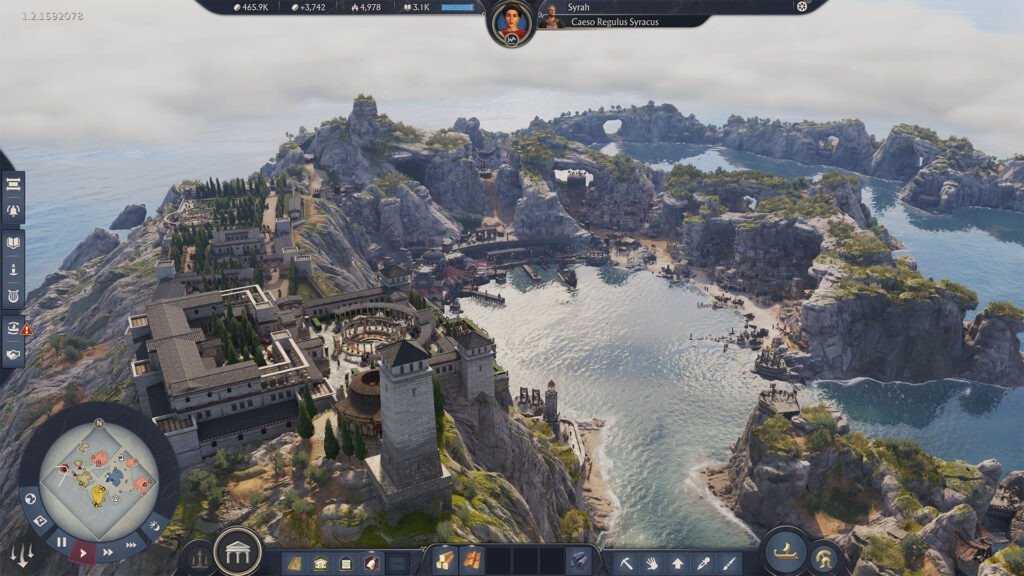
The early hours are serene, even meditative. You start with nothing but a strip of land, a few huts and the hum of potential. Before long, warehouses brim with timber, pottery lines hum with activity, and merchant ships glide across the coast, their sails carrying both goods and risk. The more you build, the more you understand: wealth here isn’t about accumulation, but equilibrium.
Every chain is delicate. Overproduce, and your economy buckles under surplus. Expand too fast, and logistics collapse. The reward comes from threading that fine line between scarcity and abundance. It’s a dance of resource flow and foresight, where even the placement of a market or granary feels meaningful.
Unlike many modern city builders, Anno 117: Pax Romana does not shy away from complexity. It celebrates it. Trade routes, taxation, labour satisfaction: each system is interlinked, designed to pull you deeper into the machinery of governance. The joy is in mastering that machinery, finding beauty in efficiency.
The Living Provinces
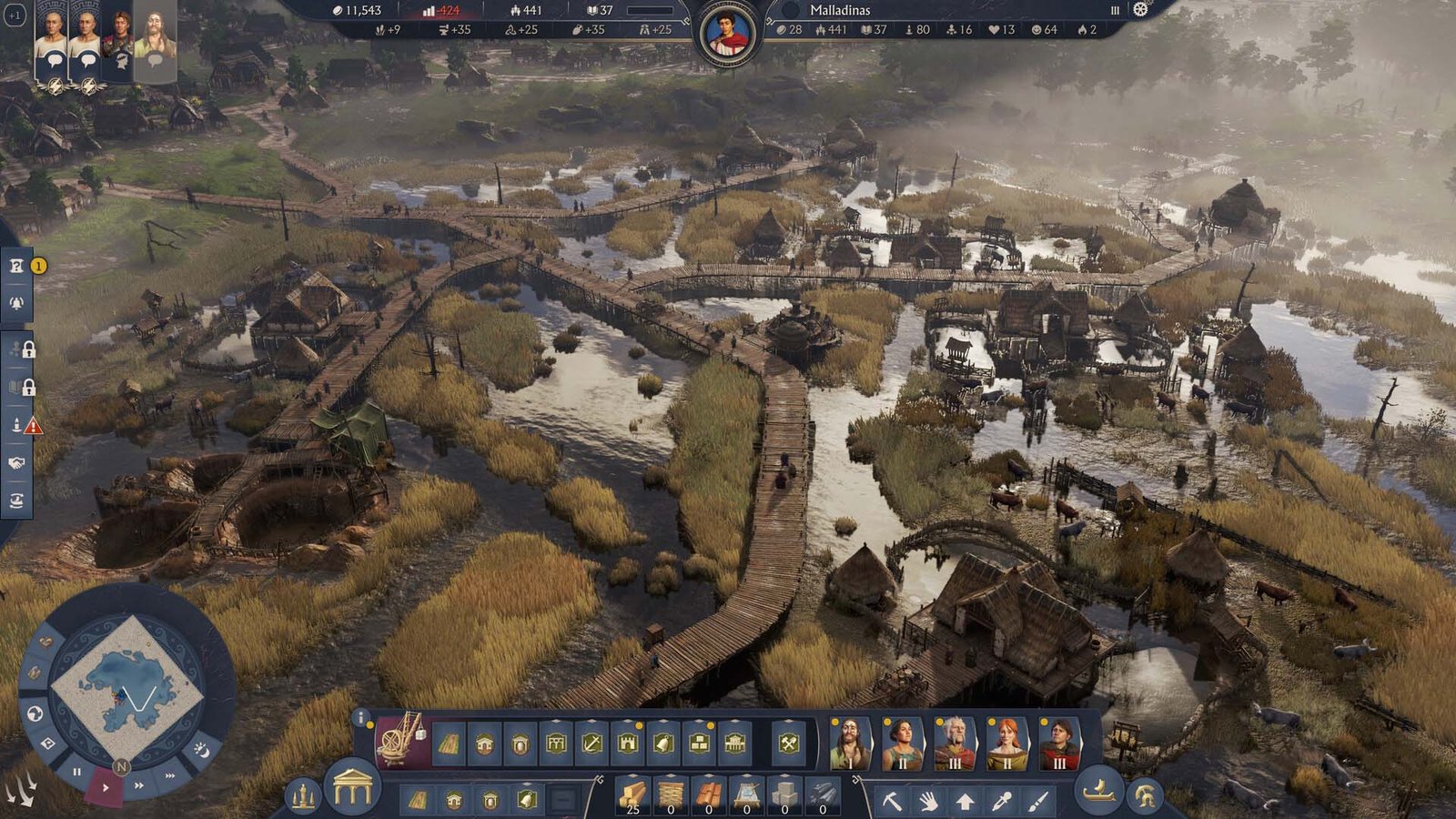
Each region offers its own rhythm and identity. Latium basks in the Mediterranean sun, thriving on olive oil and marble. Albion, by contrast, is colder, rougher, and defined by scarcity and resilience. These provinces are not mere reskins; they shape the kind of ruler you become. What flourishes in one will falter in the other, forcing you to adapt trade strategies and cultural policies.
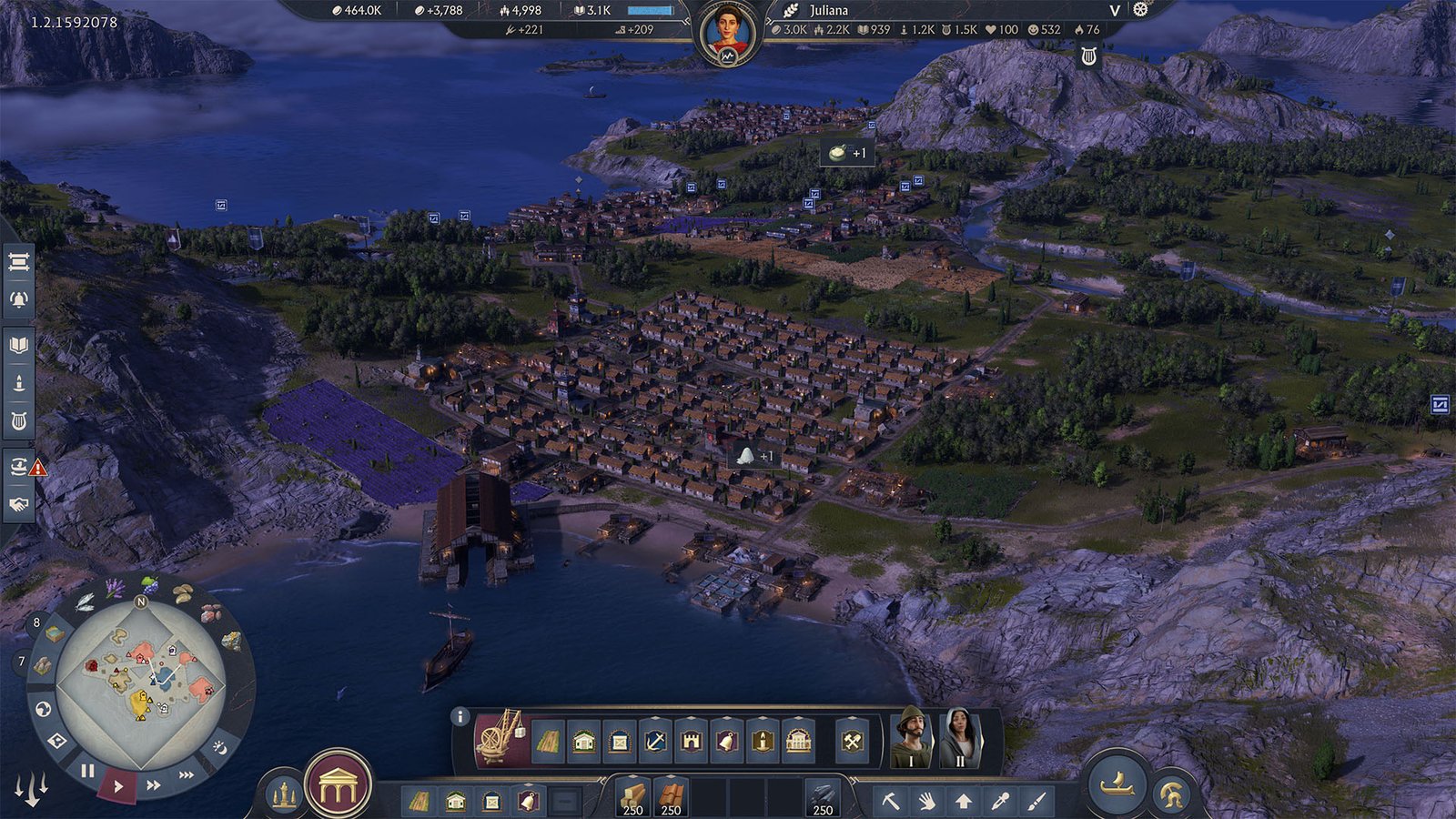
Visual splendour supports this sense of distinction. Roads curve naturally, diagonal layouts breathe life into the grid, and citizens fill the streets with believable motion. From the hum of forges to the chatter of marketplaces, Anno 117 feels alive and can sometimes feel like less a city-builder, more a living diorama of empire. The detail invites contemplation. You zoom out to admire the efficiency of your trade routes, then in to watch a mason carve marble, each view reminding you of the balance between grand design and minute detail.
The way the two lands force you to rethink your strategy provides an excellent challenge. The marshlands, in particular, are a sight to behold and an even more important pillar of strategic expansion. Would you start draining them to make way for Roman architecture, or embrace the ways of the Celts and work with the land?
Faith, Diplomacy, and the Invisible Hand
While the economy forms the spine of Anno 117: Pax Romana, its organs are faith and diplomacy. Religion grants your people purpose, yes, but it also ties directly into your production bonuses and civic morale. A temple to Neptune boosts trade; a shrine to Mars steadies your defences. There’s thematic weight to these choices and they aren’t abstract perks but reflections of how your society functions.
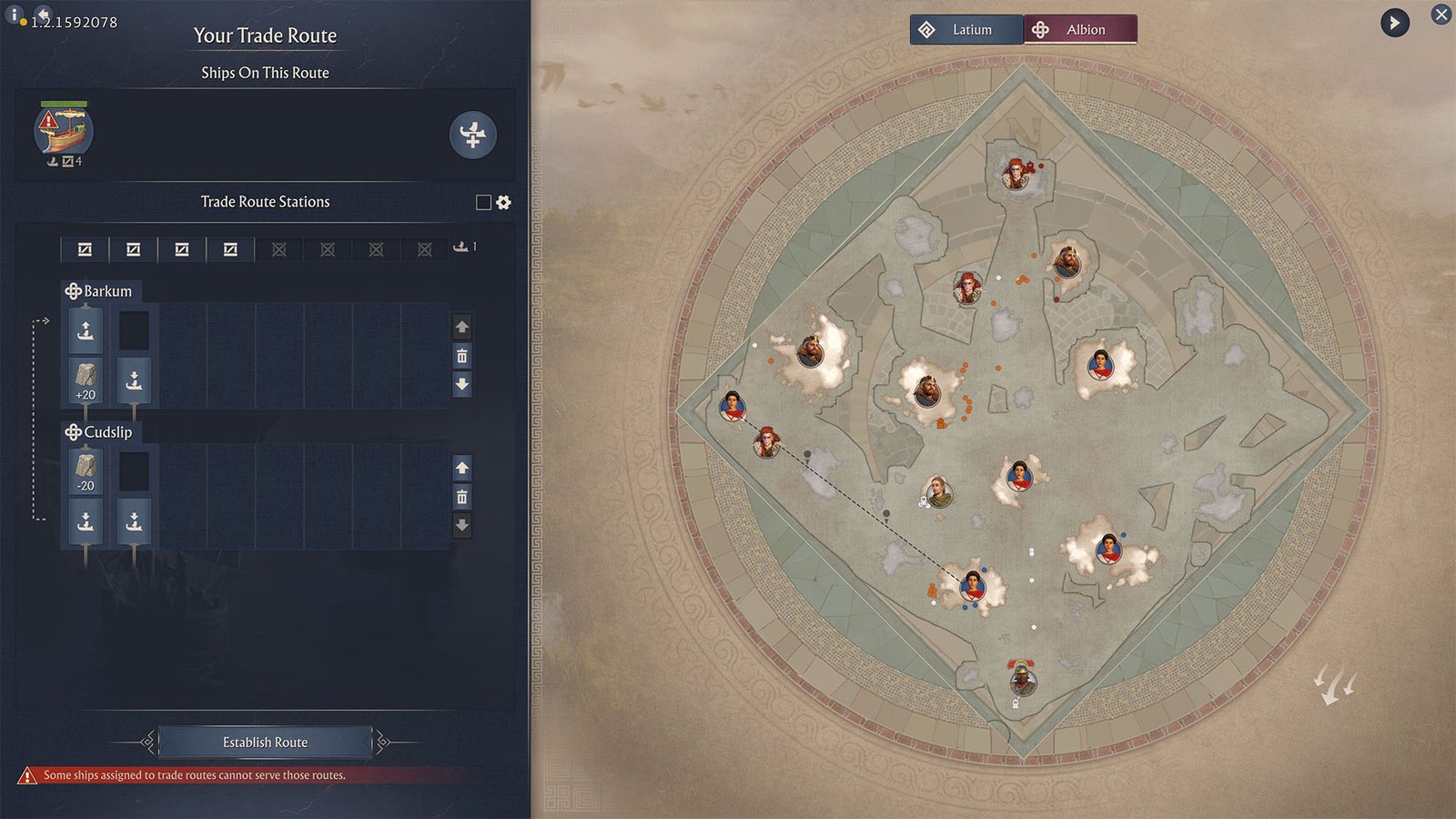
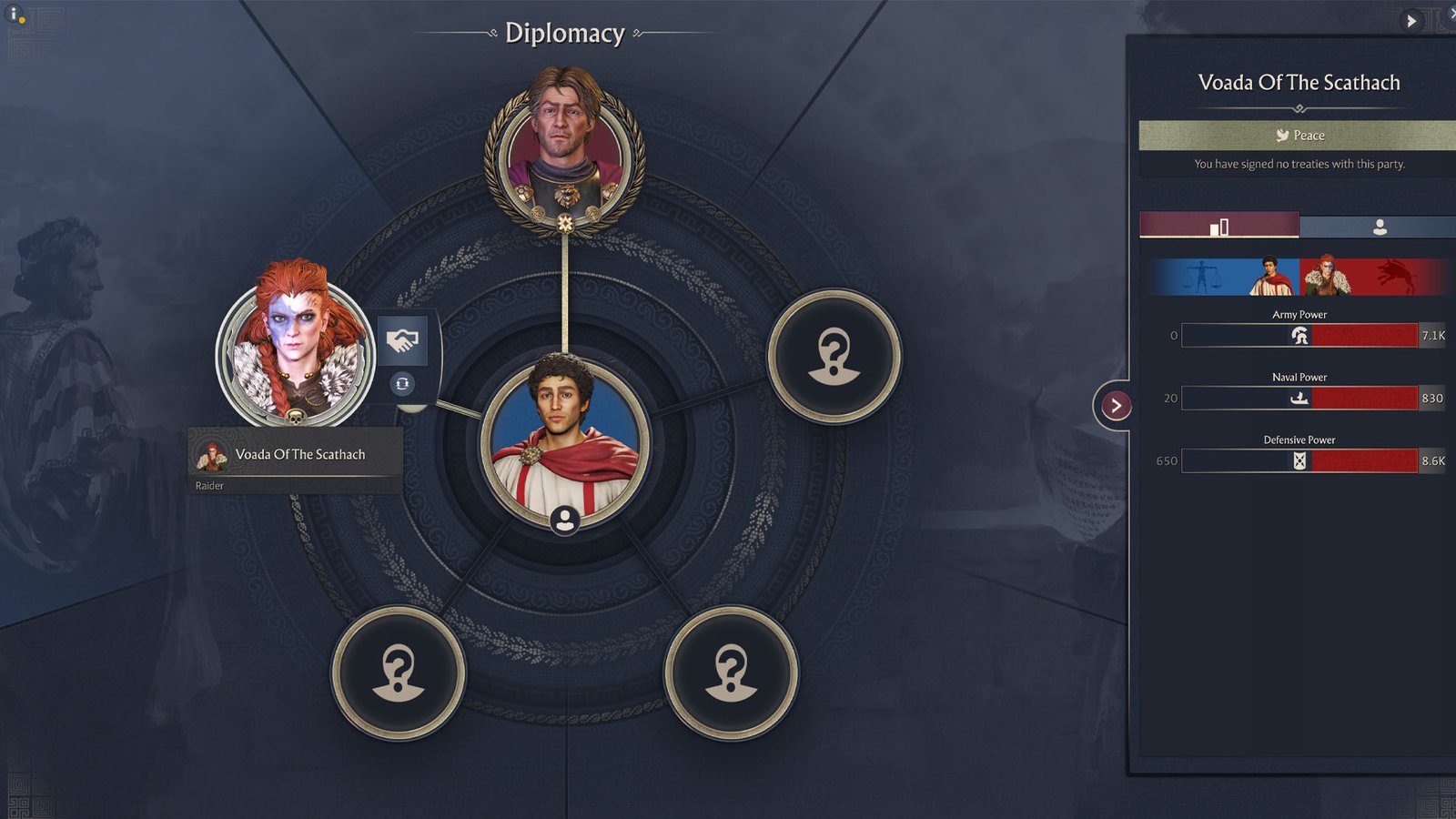
Diplomacy works similarly. Allies, rivals, and client states orbit your provinces, influencing supply and demand. Trade partnerships can collapse if neglected, while peaceful negotiations often unlock rare materials or faster trade routes. Military force remains available but optional; the real conquest lies in negotiation and surplus, not swords and siege engines.
Together, these layers form an economic simulation that feels more holistic than mechanical. Anno 117 understands that peace is not the absence of conflict; it is the product of stability, labour, and wealth properly managed.
And in the event of conflict, both land and naval combat in Anno 117: Pax Romana function sufficiently, allowing you to wage wars against other governors or pirates on the sea. As long as you have the people and resources to support your war efforts, it is another way to dominance, albeit one that I find myself avoiding at all costs. After all, there are other, more competent games if you prefer spilling blood.
Between Accessibility and Ambition
For a series known for complexity, Anno 117 is surprisingly inviting. Its tutorialisation is woven elegantly into narrative vignettes in a dual campaign, teaching supply logic through story rather than spreadsheets. The interface strikes a balance between density and clarity, surfacing crucial data without disrupting immersion.
That said, newcomers will still need to be patient. As your settlements expand, so does the administrative burden. Late-game logistics demand attention, and the overlapping systems — citizen classes, cultural needs, environmental bonuses — require both time and curiosity. Yet, once you understand its rhythm, the flow becomes second nature. You stop reacting and start anticipating.
For veterans, this is where the game truly blossoms. The complexity is not there to intimidate; it’s there to reward mastery. Every decision, from a trade treaty to a deity blessing, feeds back into your city’s pulse. You don’t simply build Rome—you sustain it.
Peace Through Profit
What ultimately makes Anno 117: Pax Romana shine is how it redefines the concept of success. Progress is not marked by conquest or expansion, but by harmony. When your warehouses flow seamlessly, your citizens celebrate festivals instead of famine, and your trade routes hum with purpose, it feels transcendent. It’s an exploration of empire-building as philosophy, and a meditation on prosperity and its cost.
Technically, the game holds steady. Cities scale beautifully, the simulation runs smoothly even under population strain, and the art direction never loses its warmth. There are minor hiccups, such as occasional interface clutter and some late-game micromanagement fatigue, but these are small cracks in an otherwise impressive façade, especially as endless mode offers so much breadth and depth.
And through it all, the tone remains measured. Anno 117 never shouts for attention. It invites you instead to linger, to observe, to understand that mastery here is not about dominance, but stewardship. It’s a quiet triumph of design and a reminder that peace, too, can be powerful.
Anno 117: Pax Romana is a rare game that understands the poetry of systems. Its economic simulation is exquisite, its world rich with texture and intent. It demands patience but rewards precision, transforming the mundane into the monumental. For city-building enthusiasts, it’s an essential addition: less a reinvention of the Anno formula than a refinement, polished to Roman perfection. For newcomers, it’s an invitation into a genre where power lies not in the sword, but in the ledger.
Anno 117: Pax Romana will be available on PC, PlayStation 5, and Xbox Series X|S this November 14.
SavePoint Score
Summary
A triumph of design and discipline, Anno 117: Pax Romana elevates the city-builder to an art form, where an empire of balance, built on trade, faith and foresight, rises above all.
