

Table of Contents
Death Stranding 2: On the Beach on PC
As noted in our review of Death Stranding 2: On the Beach for the PlayStation 5, the verdict on Hideo Kojima and Kojima Productions‘ latest odyssey was already clear. This was a remarkable sequel, one that expanded the original’s lonely brilliance without sacrificing the peculiar rhythm that made it so distinctive in the first place.
The move to PC via Nixxes Software does not fundamentally change that conclusion. What it does change is the way the experience settles around the player. On a high-end rig, Death Stranding 2 feels less like a game asking for compromise and more like one finally given the room to breathe as fully as it should.
That matters because this is still a game built on atmosphere, distance, and movement. It asks players to read the terrain, weigh the risks, and carefully consider the shape of a journey before committing to it. When those systems click, Death Stranding 2 transforms delivery work into something meditative, tense, and strangely moving.
Its best moments still come not from spectacle alone, but from the quiet satisfaction of turning an impossible route into a manageable one, and from the unspoken comfort of seeing another player’s ladder, road, or shelter waiting when the world begins to feel impossible. Changing platforms does not rewrite that magic. It simply presents it with greater fluidity, sharper image quality, and more control over how the experience is tuned.
A Journey Still Unlike Anything Else
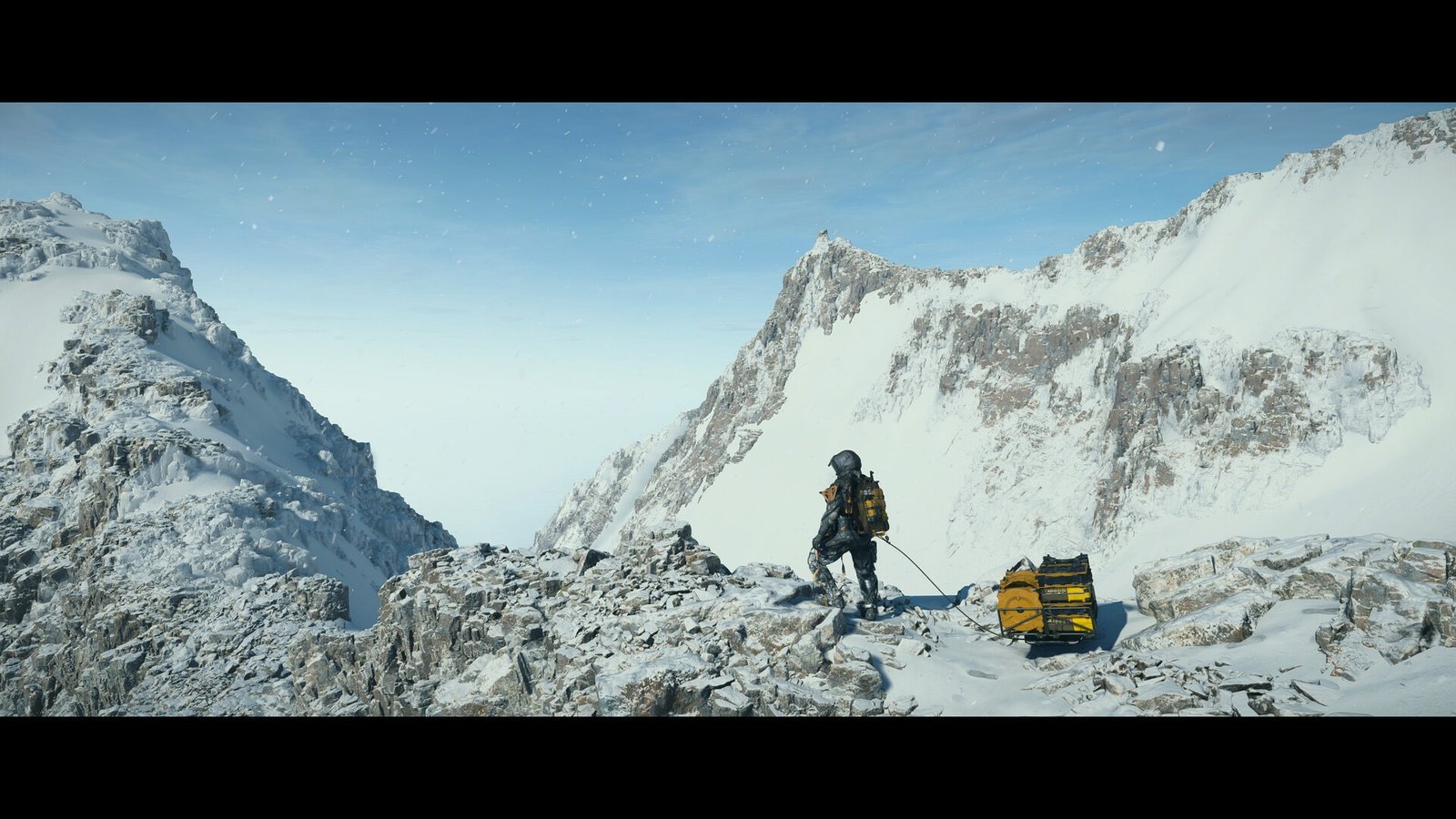
What remains most impressive about Death Stranding 2 is how confidently it refuses to become conventional. Plenty of sequels broaden the scope, add more combat, and escalate the spectacle. Kojima Productions certainly does some of that here, but the heart of the game still lies in traversal and reconnection.
Players are still reading gradients, packing cargo, managing tools, and trying to outthink an environment that can swallow even the best plans whole if carelessness creeps in. That premise remains bizarre on paper, yet in practice, it continues to produce a rhythm that few blockbuster games can match.
The sequel is also more willing to flex. Combat has broader utility, mission design feels more varied, and the journey itself feels less rigidly singular than it did before. Yet the real triumph is that Death Stranding 2 never loses sight of what made the first game special. It still understands the emotional charge of silence, of isolation, of being stranded in the middle of a hostile landscape with only preparation to rely on. It still finds meaning in the act of carrying something fragile across impossible ground. And it still turns logistical problem-solving into a kind of storytelling in its own right.
That balance between the absurd and the sincere is what makes Kojima difficult to imitate. One moment can be solemn, mournful, and quietly human. The next can be flamboyant, ridiculous, and almost self-parodying. Yet Death Stranding 2 is at its best when those impulses stop feeling contradictory. Instead, they become the game’s language.
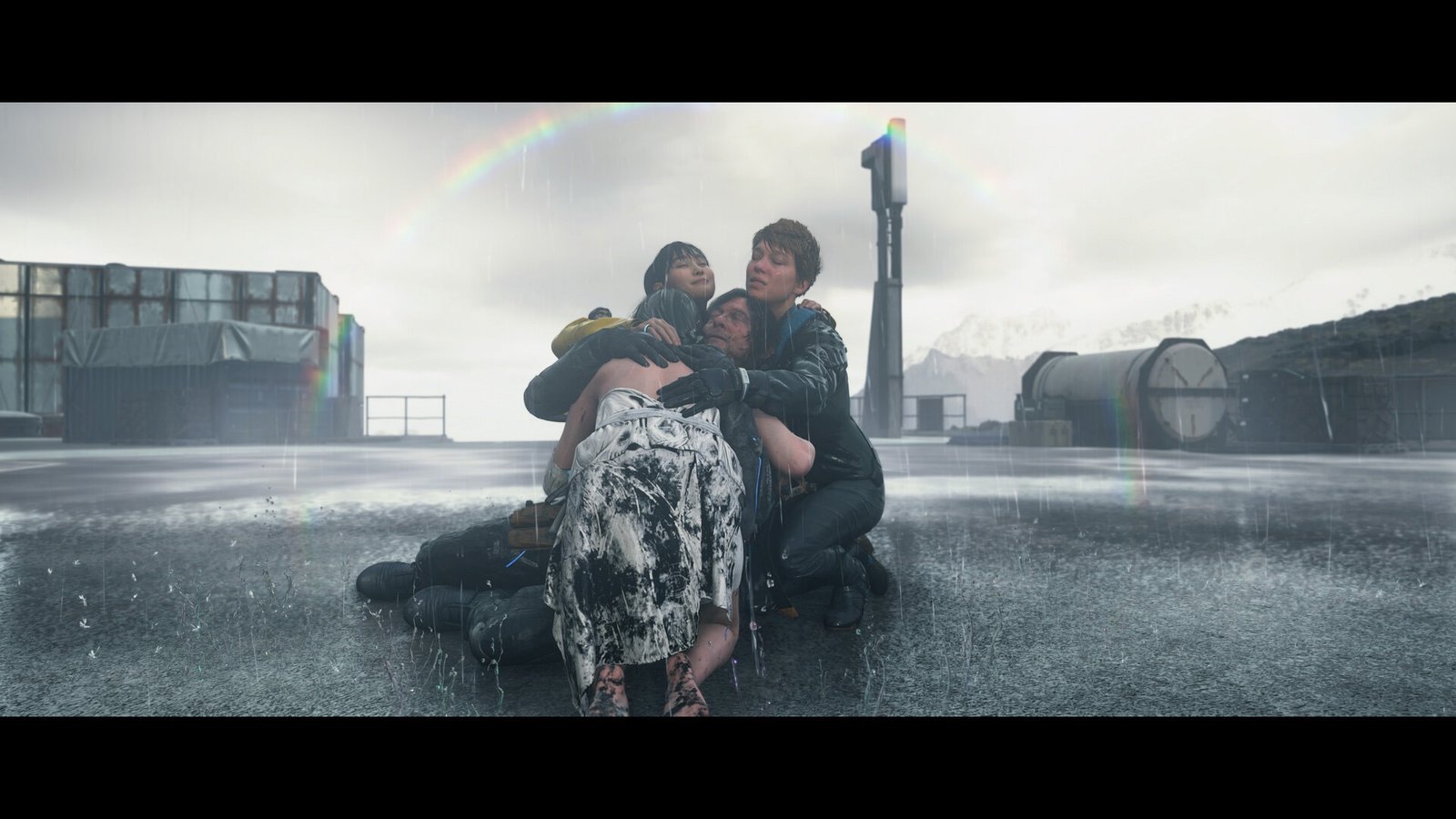
It is messy, theatrical, earnest, and deeply strange, but always driven by a sincere belief that people reaching toward one another still matters. That emotional core is what keeps the game from drifting into indulgence, no matter how surreal it becomes.
The Open Road Finally Has Room To Breathe
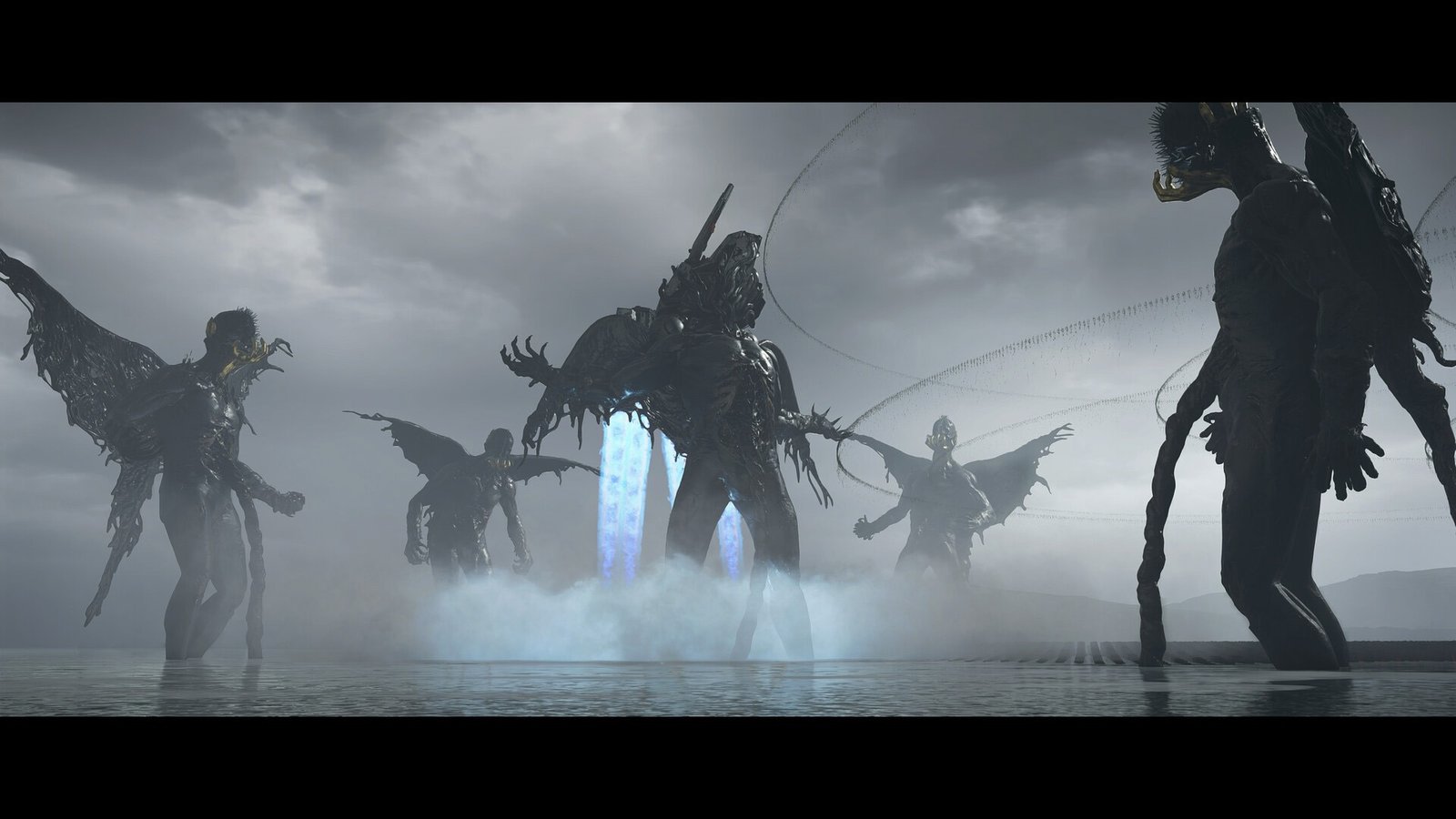
On PC, Death Stranding 2 gains a different sort of confidence. Running on a system with 32GB of RAM, an AMD Ryzen 9 7950X3D, and an NVIDIA GeForce RTX 4080, the game feels appropriately lavish. This is the sort of setup that aligns closely with the Very High target tier, yielding a version that lets the world’s scale and texture land with even greater effect.
Landscapes stretch with more clarity. Environmental detail feels more readable at a glance. Traversal carries a smoother, more luxurious cadence. The long walks and careful descents that define so much of the game feel more natural when performance overhead is not constantly being bargained with.
This is also a port that understands the basics of modern PC expectations. The settings suite is broad without feeling chaotic, upscaling options are generous, and ultrawide support helps the world feel even more expansive during active play. This is not a case of a console version simply being dropped onto another platform. There is real flexibility here, and on strong hardware, it makes a difference. The roads that are built, the ridgelines that are scanned, and the weather systems that must be pushed through all benefit from that freedom.
That does not mean the PC version is immaculate. Occasional stutter still intrudes, and that caveat matters because it prevents the port from feeling beyond criticism. Still, on a rig of this calibre, those blemishes are not the defining story. The defining story is that Death Stranding 2’s world, systems, and atmosphere all feel more comfortably inhabited here. The game is not transformed into something new, but it is allowed to present itself with fewer constraints and greater technical grace.
Refinement Helps More Than It Reinvents
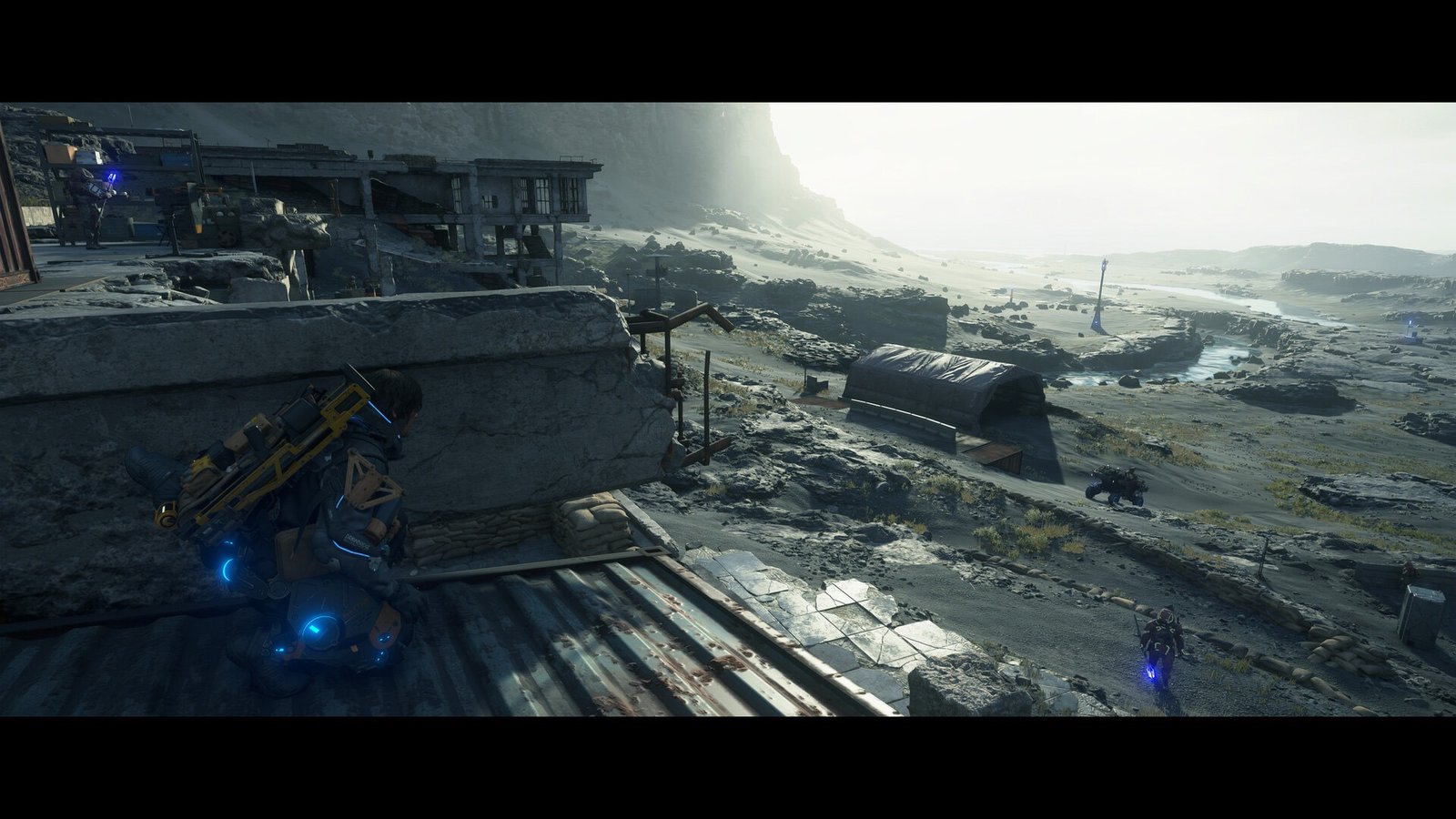
The other reason the PC release lands well is that it arrives as a slightly refined edition of the game rather than a simple delayed conversion. Adjustments informed by player feedback help the experience feel more considered, but the most telling addition is To the Wilder, a new difficulty mode that says a great deal about how Kojima Productions understands the sequel’s softer pressure points.
Framed as the ultimate challenge, it is built around harsher environments, deadlier enemies, and a journey that demands more ingenuity from the player. That makes it more meaningful than a routine hard mode. It is not simply asking for quicker reactions or a higher tolerance for punishment. Instead, it appears designed to make the full act of being a porter feel more exacting again.
That matters because Death Stranding 2 has always walked a fine line between hardship and convenience. The sequel is broader, more confident, and often more generous than the original, but that same generosity can occasionally dilute the sense of vulnerability that made the first game so distinctive.
Once roads begin to connect, player-built structures start appearing in convenient places, and vehicles become a reliable answer to hostile terrain, the delivery process can lose some of its original tension. To the Wilder feels like a direct response to that. Rather than simply inflating damage values or turning every encounter into a war of attrition, it seems intended to restore friction to the entire journey.
What makes that especially promising is that the challenge feels systemic rather than superficial. Harsher environmental conditions, more punishing enemies, and stronger pressure on equipment and preparation all point towards a difficulty setting that asks players to engage more seriously with Death Stranding 2‘s core identity.
Route planning matters more. Cargo management feels more vulnerable. The weather regains some of its menace. Tools that might have felt optional on lower settings suddenly become more important, and the difference between a well-prepared delivery and a careless one becomes sharper. For a game whose appeal has always been rooted in planning, burden, and risk rather than raw combat spectacle, that is exactly where increased difficulty should land.
It also gives the PC release a stronger sense of purpose. This is not just a version with higher settings, more hardware flexibility, and broader display support. It is also a version arriving with a clearer understanding of where the game could still be pushed.
To the Wilder does not reinvent Death Stranding 2, but it does suggest a willingness to reintroduce some of the friction that made the original so memorable. For players who admired the sequel yet wanted the world to feel a little less forgiving, it stands out as one of the smartest additions tied to this release. It reinforces the idea that this is not merely a prettier edition of the same journey, but a slightly more self-aware one as well.
The Spectacle Still Finds A Way Through
Even with all the platform-specific discussion, the reason to play Death Stranding 2 has not changed. It remains one of the few major games willing to feel this authored, this unembarrassed by its own ambition, and this committed to wrapping sincerity in something so defiantly eccentric.
Kojima’s storytelling remains a collision of melodrama, philosophy, camp, and visual excess, but when it works, it lands with a force few developers can match. Performances carry the emotional burden well, the world remains arrestingly beautiful, and the sense of scale is constantly reinforced by the physical act of crossing it.
It also helps that Death Stranding 2 is more confident as entertainment. It knows when to let combat and spectacle take the wheel, and it understands how to escalate without entirely betraying its quieter roots.
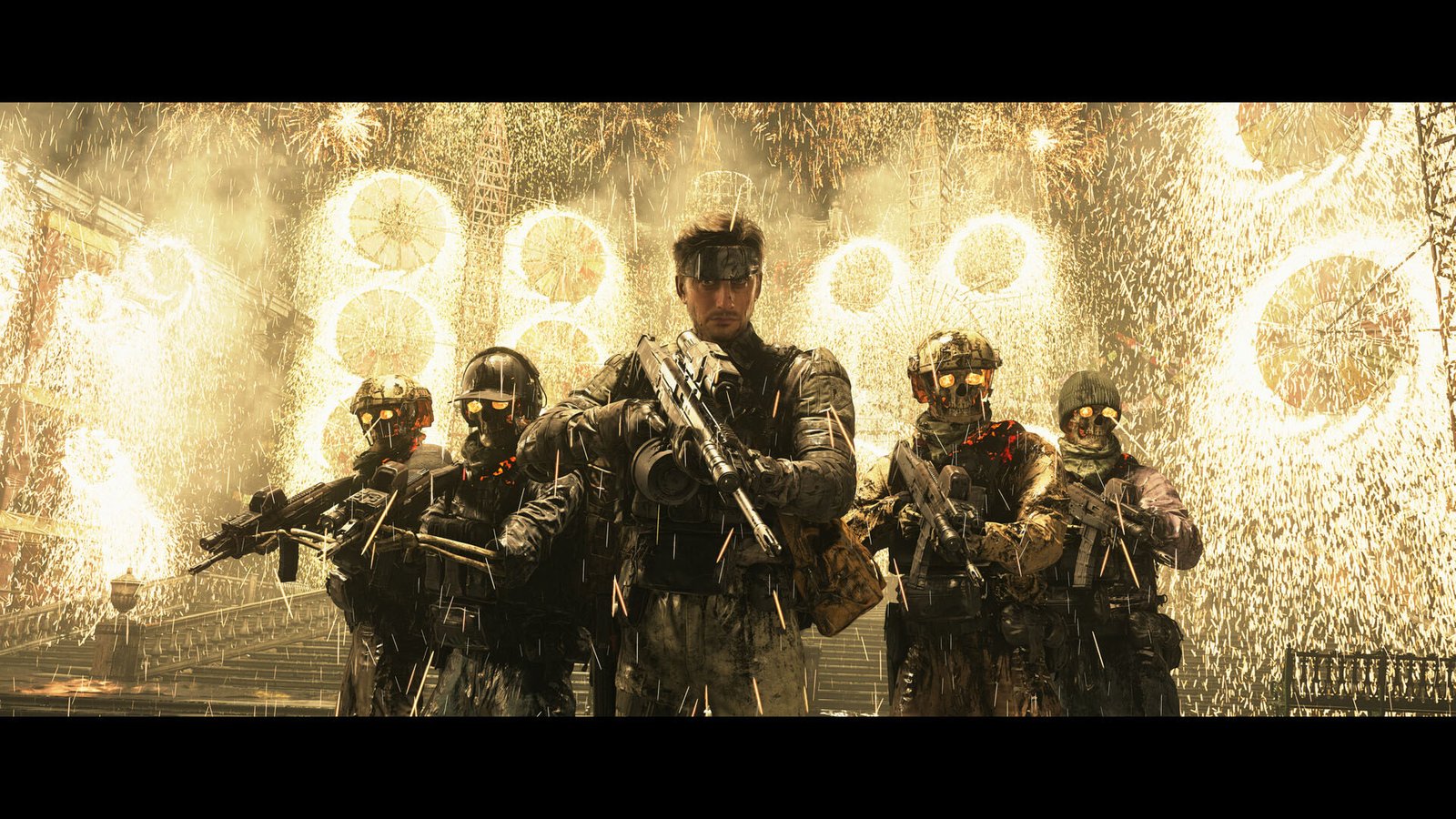
Yet it never becomes just another action blockbuster. Its soul still lives in burden, in distance, and in the vulnerability of carrying too much through a place that does not care if the journey ends in success or failure. That is the hook. That is why it still feels distinct. The PC version matters because it allows those strengths to surface more comfortably, not because it changes the game’s soul.
In the end, that is what makes this such an easy recommendation. Death Stranding 2: On The Beach was already one of the generation’s most singular major releases. On PC, especially on high-end hardware, it now feels like the most complete and accommodating way to experience that vision. A few technical blemishes keep the port from feeling entirely flawless, but they do not come close to diminishing the achievement underneath. This remains a strange, beautiful, deeply human blockbuster, and on PC, the long road has rarely looked or felt better.
Death Stranding 2: On the Beach is now available on PC and PlayStation 5.
SavePoint Gaming
Summary
Death Stranding 2: On The Beach remains one of the most singular big-budget games of its era, and on PC, that strange brilliance feels even more at home. Backed by strong feature support, excellent performance on high-end hardware, and the kind of visual clarity that lets its vast landscapes fully breathe, this version sharpens what was already exceptional. It is not a flawless port, but it is the most complete and accommodating way to experience Kojima Productions’ haunting journey yet.
