

Table of Contents
Dispatch on PS5 Pro
The Heroic Heartbeat Behind a Comedy of Crisis Management
Across its full season, Dispatch proves itself to be the rare interactive narrative that not only survives an episodic rollout but thrives because of it. What begins as a cheeky workplace comedy inside a superhero dispatch centre gradually matures into a character-driven showpiece with remarkable emotional clarity.
By the final episode, AdHoc Studio has fashioned a story that rarely trips, often surprises, and consistently understands what makes this genre so irresistible: the humanity behind the spectacle.
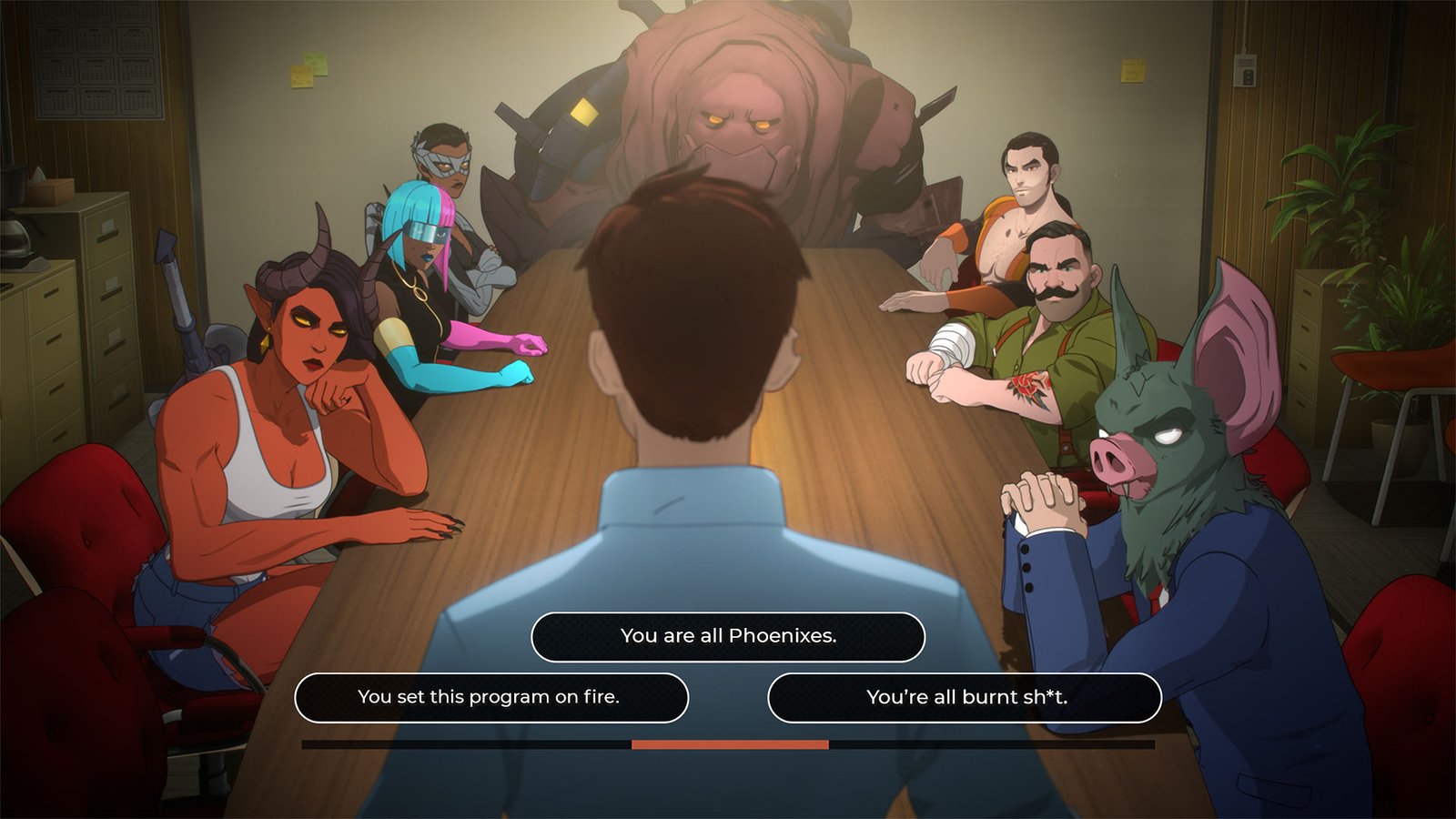
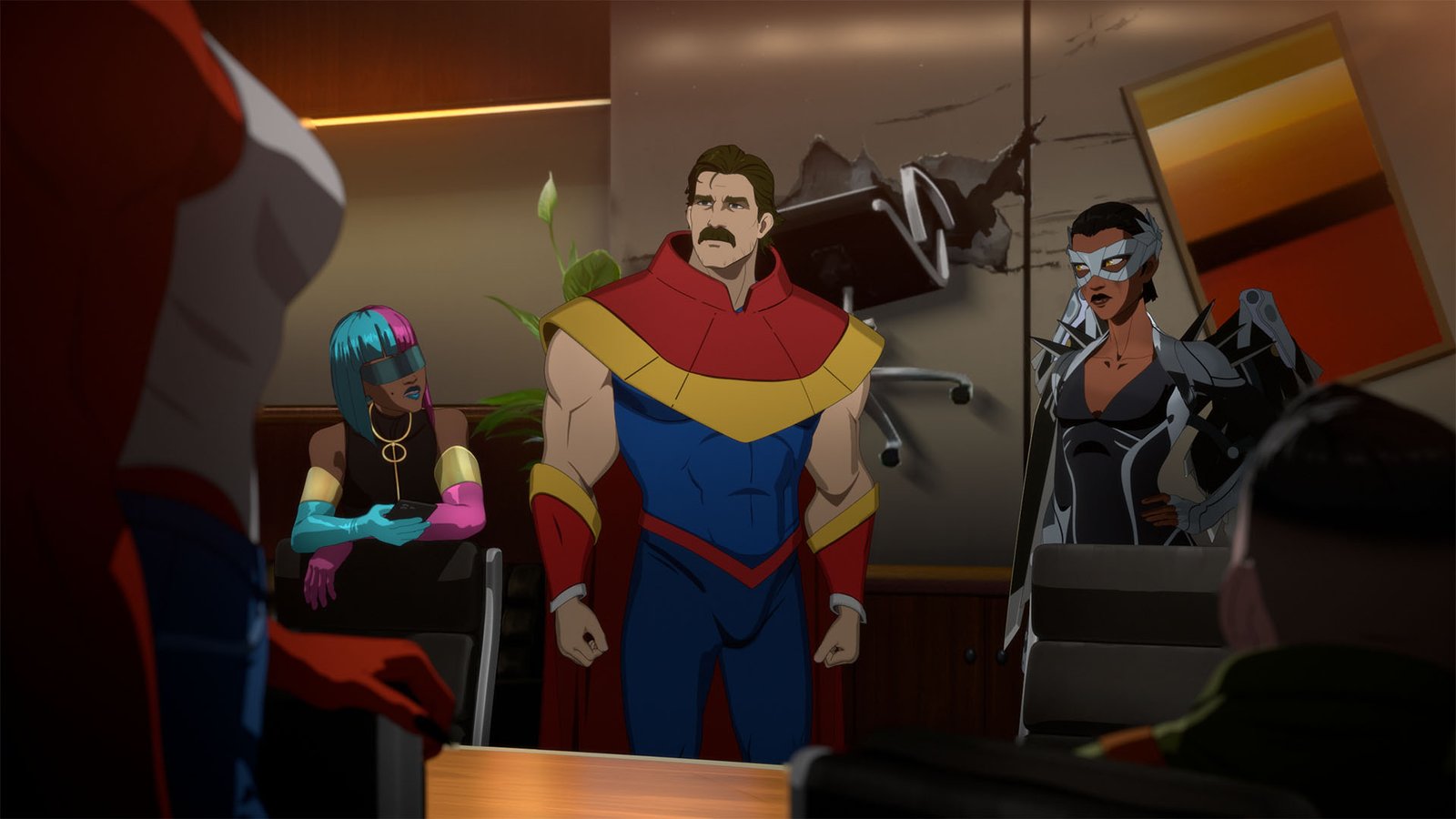
Rather than focusing on frontline heroics, Dispatch grounds its entire premise in the mundane. You play as Robert Robertson III, once known as Mecha Man, whose crime-fighting days have ended abruptly. Instead of soaring through the skies, he now sits behind a desk, guiding a team of reformed villains who have taken up the hero mantle.
The show-like structure allows the season to frame every crisis, every meltdown, every unfortunate PR incident as both a comedic beat and a meaningful test of character. This pivot is more than a gimmick. It becomes the emotional anchor that transforms Dispatch from a fun premise to a standout experience.
A Story That Finds Its Voice as It Ramps Up
The full season works because it feels like a single, coherent arc rather than eight disconnected shorts. Early episodes play with sitcom energy, tossing Robert into workplace politics, chaotic street emergencies and the occasional existential panic. Episodes three through six, however, reveal the writing team’s real ambition. What seemed like one-off jokes evolve into threads about accountability, second chances and the difficulty of rebuilding trust after failure.
Robert’s growth is beautifully paced in Dispatch. The stellar voice acting effectively conveys the mix of a weary ex-hero, a reluctant bureaucrat, and a quietly compassionate leader. The supporting cast, particularly the reformed villains-turned-heroes, elevate the impeccable comic timing. Their bickering, outbursts and unfiltered optimism sharpen the writing in ways few superhero games achieve.
By the finale, the storytelling reaches a level of emotional confidence that feels entirely earned. Characters who first appeared as punchlines become the heart of the cast, and the season sticks its landing with surprising tenderness.
Interactive Choices, Big or Small, that Feel Natural
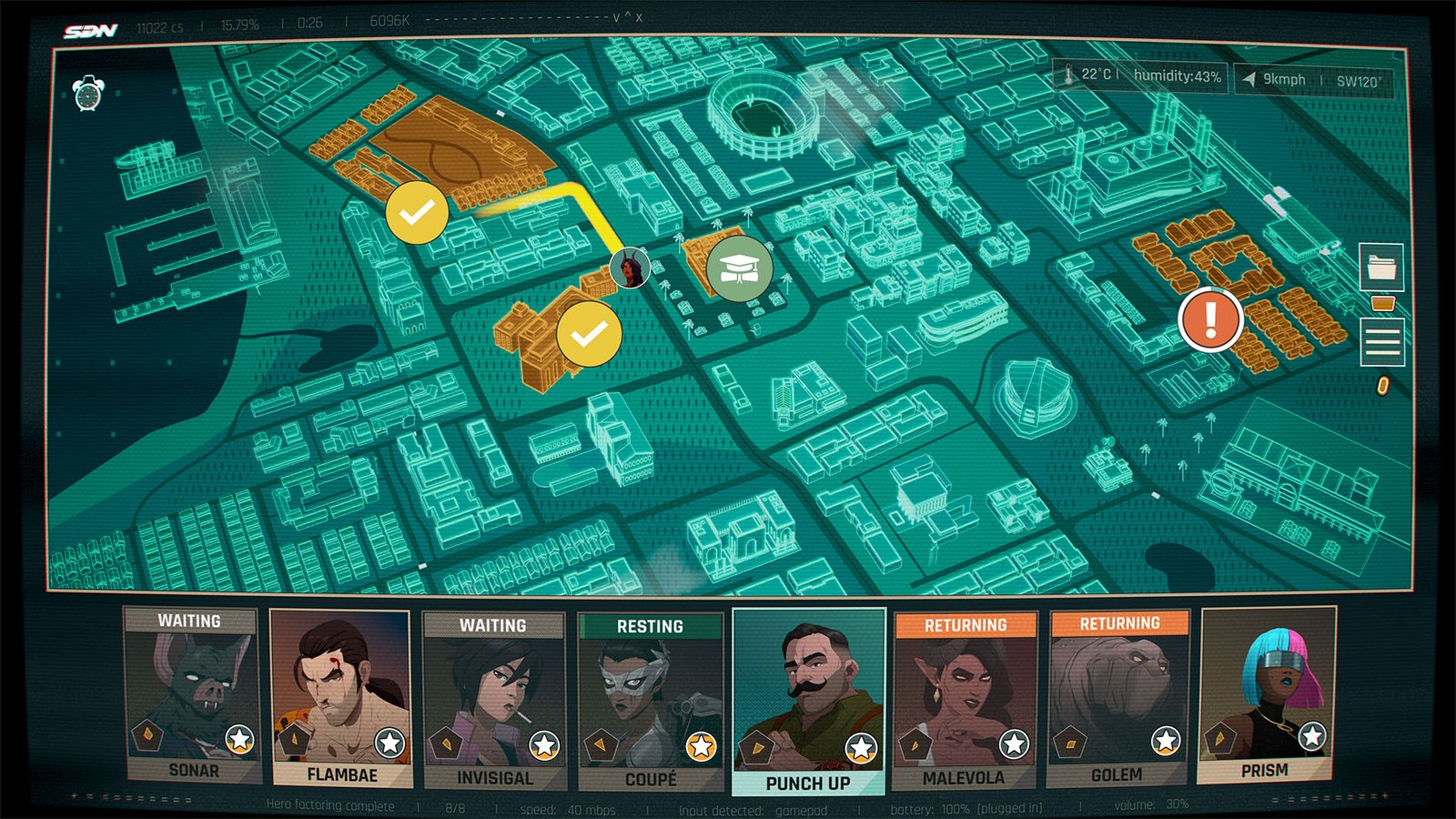
Dispatch has never marketed itself as a deep mechanical experience. It is closer to an interactive animated series than a traditional adventure game, and the season confidently embodies this identity. Most interactions revolve around making judgment calls under time pressure, responding to hero requests and guiding characters through moral grey zones.
While the consequences are not always severe, they are consistently well-placed. The pacing of decision moments complements the comedy, amplifies tension in emergencies and allows conversations to flow naturally. The dispatch console sequences add welcome variety, giving players bursts of frantic multitasking that mirror the job’s fictional pressure.
Those seeking a more guided experience with massive branching paths will find it less transformative, but the game understands what it wants to be. Its interactivity enhances storytelling rather than competing with it.
A Superhero World Brought to Life with Style and Confidence
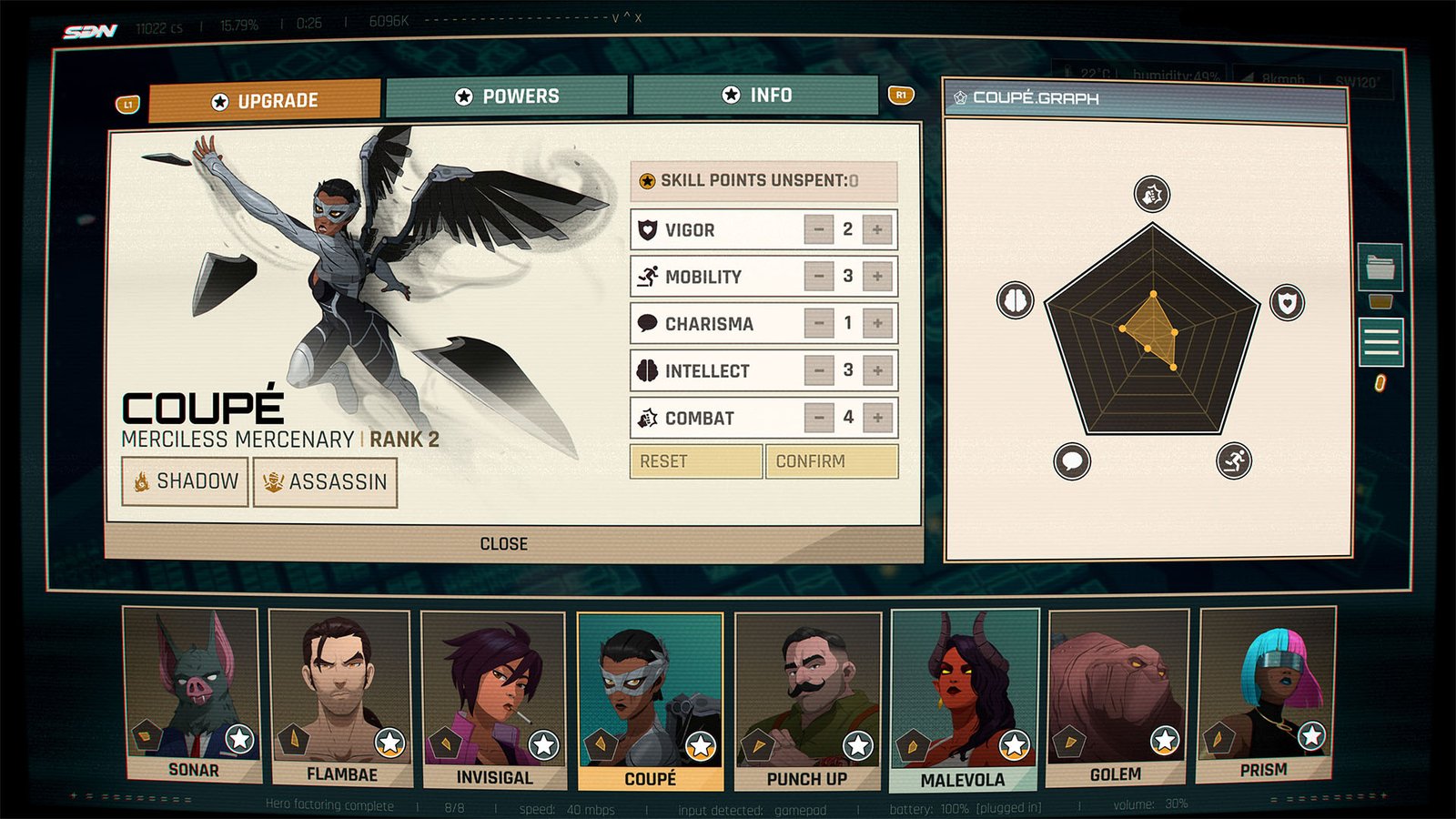
Visually, Dispatch ’s first season is a success from start to finish. Its energetic animation style finds the sweet spot between comic book exaggeration and workplace-comedy warmth. Characters burst with personality even when standing still. Locations feel lived-in, from cluttered break rooms to bustling city streets.
The soundscape is equally strong. Every line delivery feels in tune with the game’s rhythm, with performances that capture both the absurdity and sincerity of each scene. The soundtrack mirrors a Saturday-morning hero show, bright and punchy, yet sprinkled with quiet, reflective cues whenever the story leans emotional.
Together, the production values elevate the entire season. This is one of the rare narrative games that genuinely feels bingeable.
A Season That Understands Its Audience
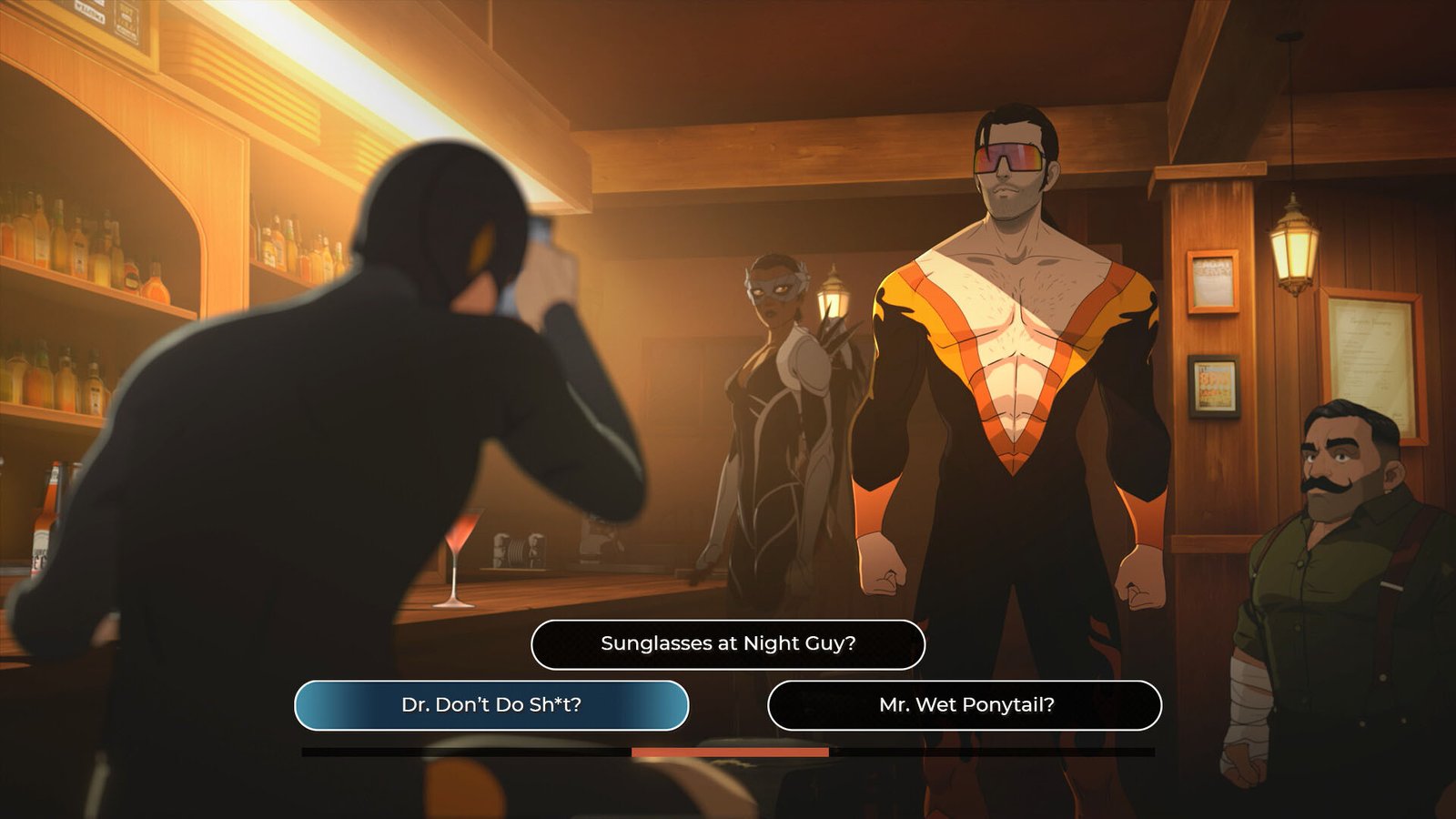
Dispatch succeeds because it knows precisely who it speaks to. It is for players who crave character warmth, tonal balance and a superhero world that prioritises relationships over explosions. It is for fans of narrative adventures who enjoy systems light enough to keep the story moving and humour sharp enough to avoid cynicism.
Those who prefer mechanical depth or heavy choice consequences may find the gameplay’s simplicity limiting. But even they may be pulled in by the season’s charisma and craft.
The Bigger Picture: A Confident Win for Episodic Storytelling
The first season of Dispatch feels like the culmination of lessons learned from a decade of narrative game evolution. AdHoc Studio carries a clear DNA from the golden years of episodic adventures, yet it approaches the format with modern clarity and restraint. The result is a season that proves episodic storytelling still has room to innovate when supported by strong writing and a focused thematic identity.
Season Two, if it arrives, will carry significant expectations. Dispatch has already set its bar high.
All in all, Dispatch is a triumph of tone, character and heart. Its humour is sharp without being cynical, its emotional beats are sincere without being sentimental, and its episodic cadence strengthens rather than diffuses its storytelling. Even with modest interactivity, it stands tall as one of the year’s best narrative adventures.
The full season of Dispatch is now available for PlayStation 5 and PC.
SavePoint Score
Summary
