

Table of Contents
Dynasty Warriors: Origins Visions of Four Heroes on PS5 Pro
Reframing Failure into Possibility
Visions of Four Heroes is less interested in rewriting history than it is in interrogating it. Rather than chasing novelty through new mechanics or radical structural shifts, the DLC for Dynasty Warriors: Origins asks a quieter but more compelling question: what if the figures history discarded were given the time and authority to see their ambitions through?
In doing so, Omega Force and Koei Tecmo reframe four familiar names not as footnotes or obstacles, but as credible leaders whose defeats were not inevitable, merely convenient for the dominant historical narrative.
History’s a Playground
Zhang Jiao’s route is perhaps the clearest expression of this intent. Traditionally depicted as a destabilising prelude to the Three Kingdoms saga, his ideology is often reduced to spectacle before being swept aside. Here, the DLC lingers on his conviction, exploring how belief becomes structure when given momentum. The story reframes the Yellow Turban movement as a sustained political force, complete with internal tensions and strategic compromises. It is not a redemption arc, but a legitimisation of perspective, and that distinction matters. Zhang Jiao remains uncompromising, but the narrative finally allows players to understand why his vision resonated.
Yuan Shao benefits from a similar recalibration, though his approach is more introspective. Often remembered for his indecision, the DLC leans into the weight of expectation that shaped him. Rather than portraying him as a man paralysed by choice, Visions of Four Heroes presents a leader burdened by legacy and obligation. His campaign is less about conquest and more about consolidation, with story beats that emphasise alliance management, internal dissent, and the slow erosion of authority. It is a surprisingly human portrayal, one that reframes weakness as a consequence rather than a flaw.
Dong Zhuo and Lu Bu occupy darker narrative spaces, but the DLC resists turning them into caricatures. Dong Zhuo’s path examines power sustained through fear, exploring how authoritarian control corrodes both ruler and state. The story does not soften his brutality, but it contextualises it, presenting a regime held together by force and paranoia rather than inevitability. Lu Bu’s route, meanwhile, is the most emotionally charged, focusing on ambition untethered from loyalty. His narrative explores isolation as much as strength, framing his martial dominance as both an asset and a curse. These storylines do not seek absolution, but they do demand engagement.
Across all four routes, Visions of Four Heroes demonstrates a clear narrative philosophy. History is not destiny, but it is weight. By allowing these figures to carry that weight longer, the DLC creates space for more nuanced storytelling, even if its delivery sometimes struggles to match its intent.
Character Centric Storytelling within Familiar Constraints
What makes Visions of Four Heroes compelling is not just its alternate-history premise but also its commitment to character focus within Dynasty Warriors: Origins’ established tone. The base game earned praise for treating its subject matter with seriousness, and the DLC maintains that restraint. There is no sudden pivot into melodrama or excess. Instead, character development unfolds through implication, repetition, and consequence.
Each route in Visions of Four Heroes is structured around a clear emotional arc. Zhang Jiao’s conviction hardens into rigidity. Yuan Shao’s caution becomes isolation. Dong Zhuo’s authority collapses inward. Lu Bu’s strength leaves him increasingly alone. These arcs are reinforced through mission context and dialogue rather than explicit exposition, which allows players to infer growth rather than being told outright. When the DLC works best, it trusts its audience to read between the lines.
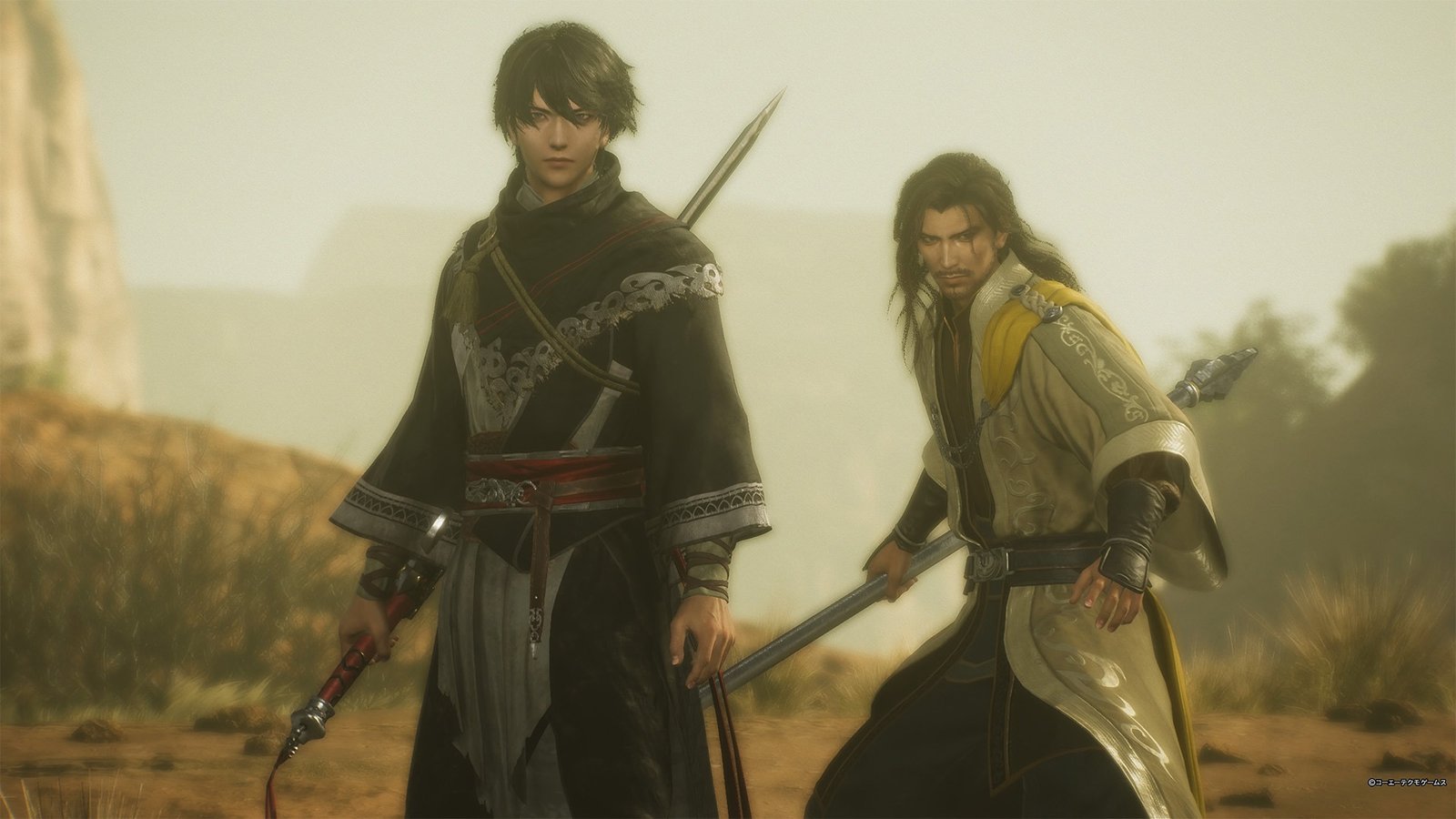
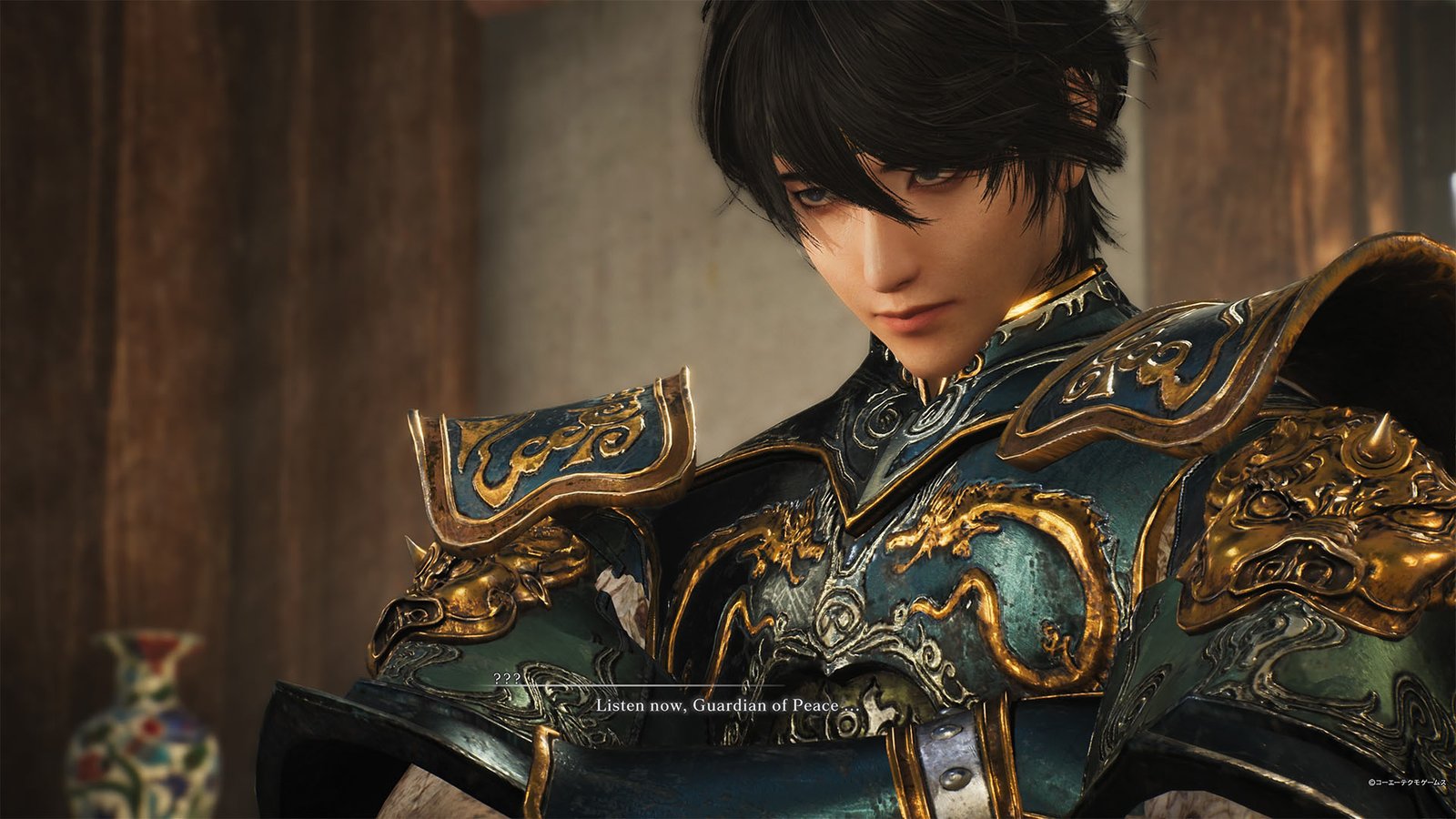
That trust is occasionally undermined by limitations in presentation. Cutscenes remain static, and dialogue-heavy segments can feel more functional than expressive. This is particularly noticeable because the DLC’s writing is more ambitious than the base game’s. There are moments of genuine thematic weight that deserve stronger visual storytelling. The absence of dynamic staging sometimes flattens scenes that should feel pivotal.
Another lingering constraint is player embodiment. Despite the four-hero framing, the experience still centres on the same protagonist lens as the base game. This choice preserves mechanical continuity, but it creates a slight dissonance between narrative intent and player experience. You guide these figures through history rather than inhabiting them. In a DLC so focused on character perspective, this limitation is more noticeable than before.
Even so, the character work stands as Visions of Four Heroes’ defining achievement. It does not rewrite these figures into heroes or villains, but presents them as products of belief, circumstance, and choice. That alone elevates the DLC beyond simple fan service.
Narrative Density on the Battlefield
The DLC’s storytelling ambitions are mirrored by its battlefield structure. Visions of Four Heroes trims much of the connective tissue found in the base campaign, resulting in a tighter, more purposeful flow. Battles arrive frequently, and each engagement is framed as narratively significant rather than transitional. This density reinforces the sense that every conflict matters, both historically and emotionally.
Mission design subtly reflects each route’s themes. Zhang Jiao’s battles often emphasise momentum and collective action. Yuan Shao’s focus on control and positioning reinforces his political mindset. Dong Zhuo’s encounters lean into suppression and dominance, while Lu Bu’s missions prioritise overwhelming force. These variations are not radical, but they are consistent, lending mechanical weight to narrative intent.
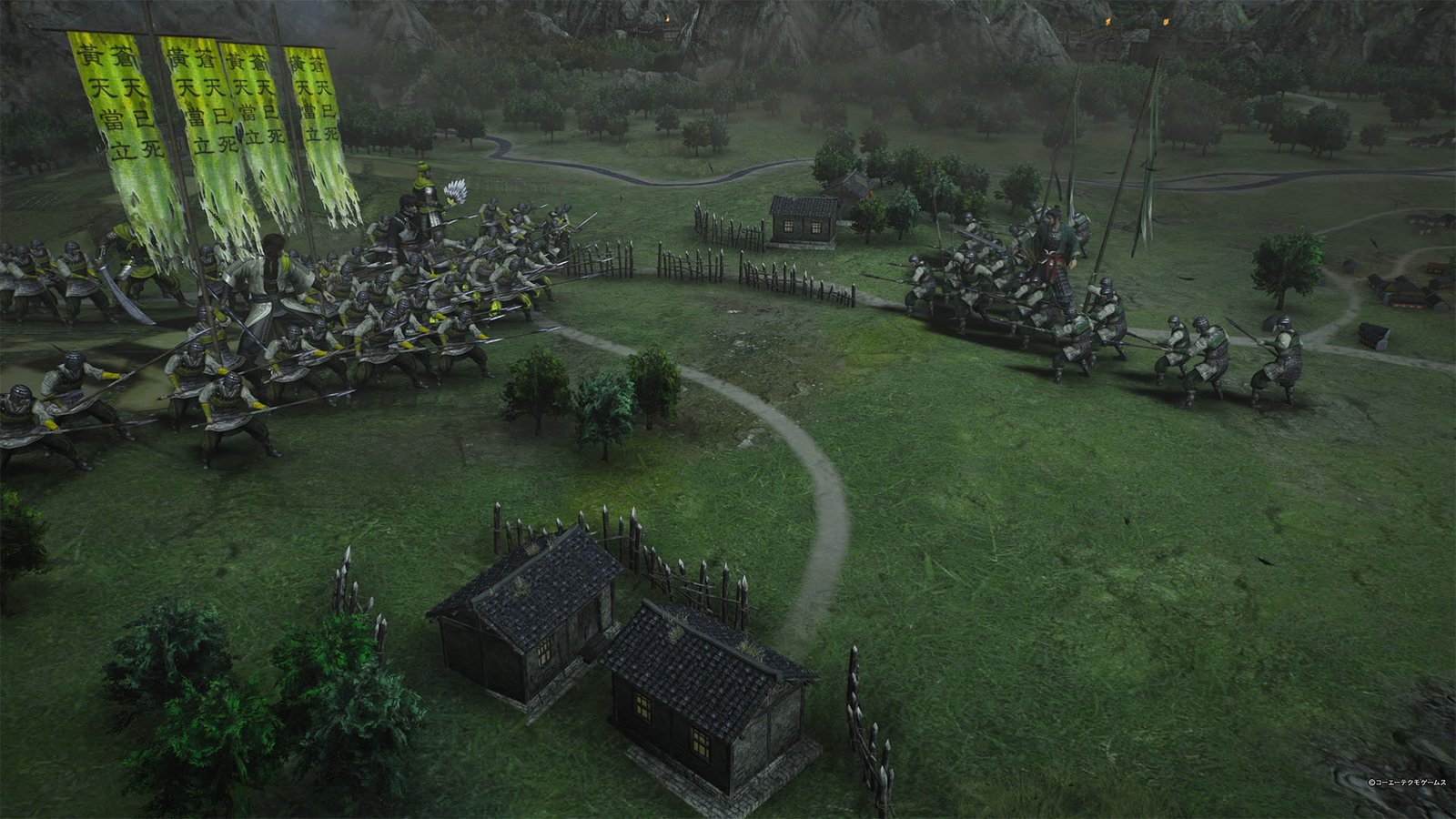
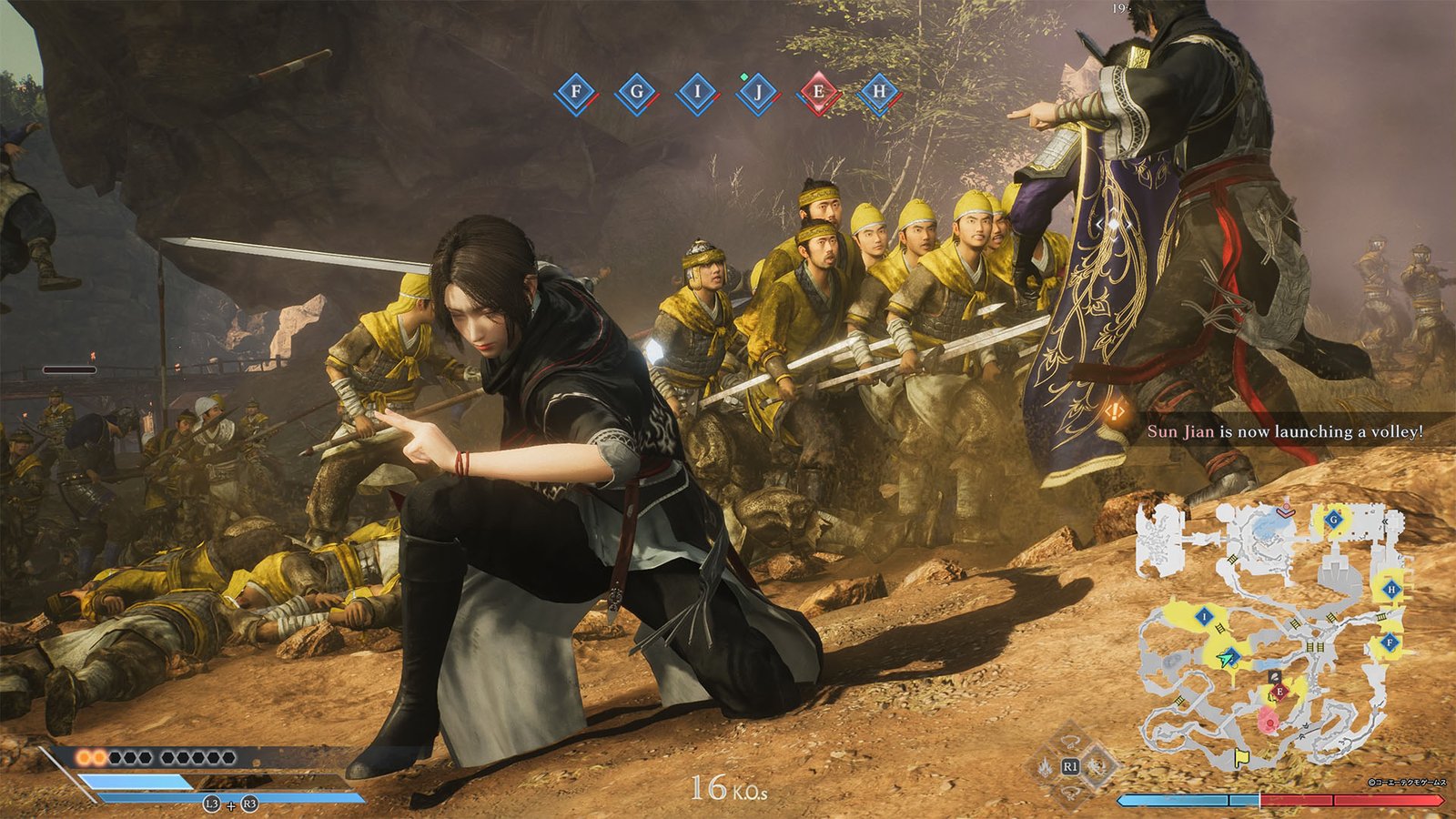
Combat itself remains largely unchanged from Origins, which works in the DLC’s favour. The refined flow and battlefield readability praised in the base game shine here, especially when stripped of filler. Enemy placement, officer density, and objective pacing are tuned to sustain pressure without sacrificing clarity. The result is a series of engagements that feel decisive rather than routine.
However, the DLC does not entirely avoid repetition. Familiar enemy archetypes and reused environments occasionally blunt the sense of novelty. This is less an issue of quality than of expectation. Visions of Four Heroes is not trying to surprise mechanically. It is trying to focus. For players aligned with that goal, the battles feel purposeful and rewarding. Those seeking reinvention may feel iterative.
A Confident Expansion with Measured Reach
Visions of Four Heroes ultimately succeeds because it understands its role within Dynasty Warriors: Origins. It is not a corrective, nor an experiment. It is a statement of confidence, asserting that the foundation laid by the base game can support deeper character exploration without structural upheaval.
The premium pricing makes this confidence a point of scrutiny. This is dense, polished content, but it is also selective. The DLC is clearly designed for players already invested in Origins’ direction. It does not broaden the audience, nor does it attempt to address every lingering criticism. Instead, it sharpens what already worked and trusts that focus to justify its existence.
Visions of Four Heroes feels like a thoughtful extension rather than essential missing content. It bends history with intent, deepens character understanding, and delivers Dynasty Warriors: Origins at its most concentrated. Its limitations are familiar, but so are its strengths. By embracing both, the DLC reinforces the recalibration Origins began, showing that refinement, when paired with narrative ambition, can still feel meaningful.
Dynasty Warriors: Origins Visions of Four Heroes is available now on PlayStation 5, Xbox Series X|S, PC, and Nintendo Switch 2.
SavePoint Score
Summary
Visions of Four Heroes reshapes Dynasty Warriors: Origins through bold alternate histories, placing long marginalised figures at the centre of a confident and character-driven narrative expansion.
