

Table of Contents
Fatal Frame II: Crimson Butterfly Remake on PS5
The PlayStation 2 era was a fascinating time for horror games. As technology improved and developers grew more ambitious, the genre began to branch in striking directions. Some games leaned into psychology, others into provocation, and others still into mechanics that felt wholly distinct from the zombie shooting and monster slaying that often dominated survival horror.
Fatal Frame II: Crimson Butterfly was one of the clearest examples of that experimental spirit, delivering a brand of fear that was quiet, intimate, and deeply unnerving. More than two decades later, the Fatal Frame II: Crimson Butterfly Remake arrives via Koei Tecmo and Team Ninja, with the weight of that legacy behind it.
Widely regarded as the strongest entry in the series, the original still casts a long shadow, particularly as the franchise itself has remained largely dormant outside of re-releases and remasters. This remake is a chance to reintroduce one of horror’s most distinctive experiences to a modern audience, but it is also a reminder that what once felt groundbreaking can now feel stubbornly rooted in another era.
Minakami’s Tragedy Haunts The Margins
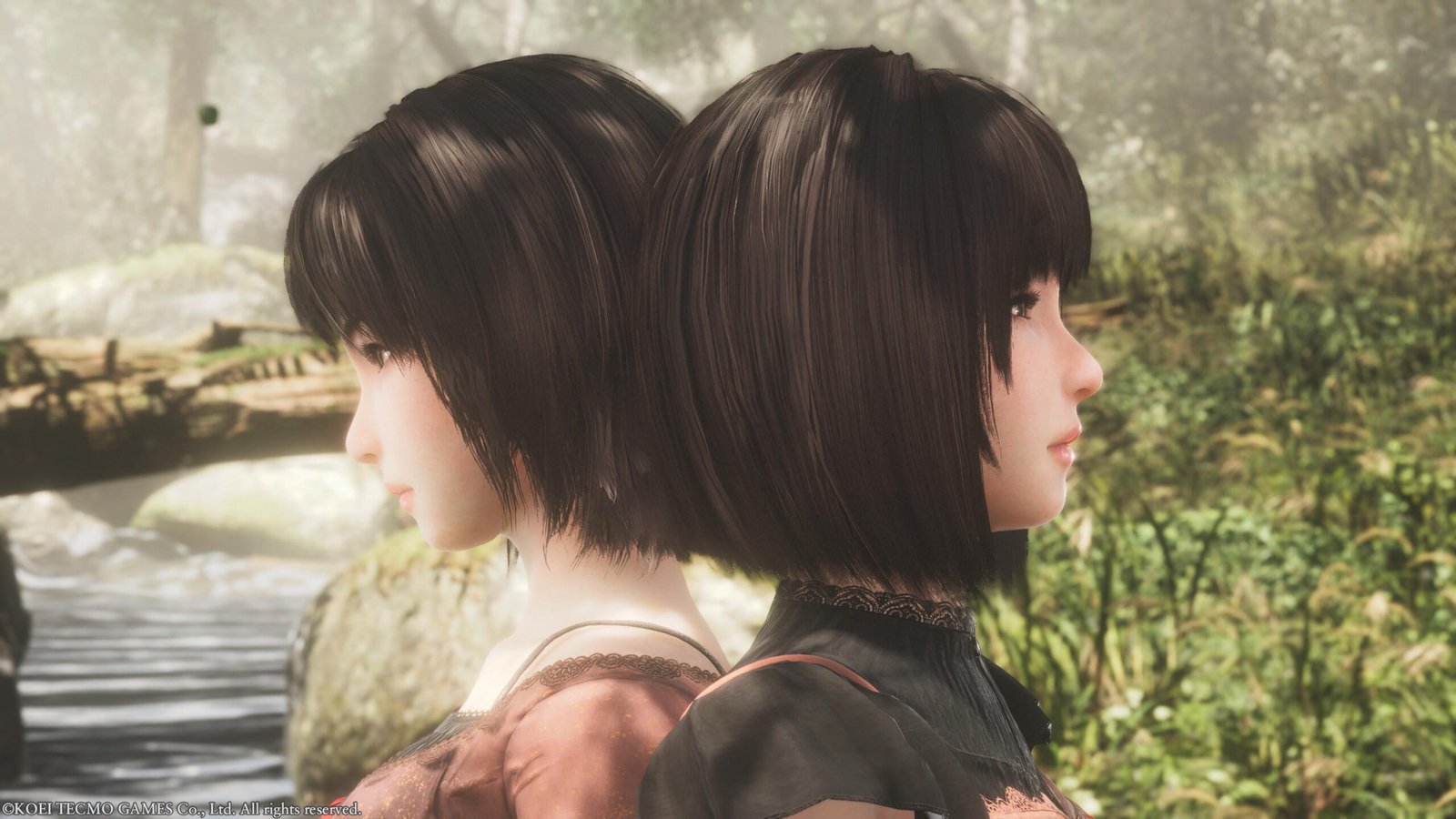
Narratively, Fatal Frame II: Crimson Butterfly Remake stays close to the original 2003 release. You step into the role of Mio Amakura, a teenager whose relationship with her twin sister Mayu has been strained following a recent accident.
While walking through the woods, the pair are drawn into the abandoned Minakami Village, a place cut off from the world and steeped in spiritual torment. Once inside, the sisters become trapped among restless souls, and as Mayu grows more strange, Mio is left trying to understand what happened to the village, rescue her sister, and find a way to escape.
The premise remains compelling, but the game’s main story often feels thinner than its setup suggests. Many of the central scenes revolve around Mio calling for Mayu, reacting to apparitions, or watching Mayu slip further into an eerie trance. There are flashes of something stronger, especially when figures like Sae enter the picture, but much of the emotional and thematic weight sits outside the main path rather than within it.
That is because the most interesting parts of Fatal Frame II: Crimson Butterfly Remake are tucked away in journals and notes scattered throughout the village. Piece by piece, these documents build a richer understanding of Minakami, its rituals, its isolation, and the people caught in its collapse.
This material is often fascinating, especially as it reveals the logic and horror behind the village’s traditions, but it can also be inconsistent. Some entries are chilling and revealing, while others feel more like fragments included for volume rather than insight. With over a hundred files to uncover, the game sometimes mistakes quantity for depth, even if the broader picture they form is still worth uncovering.
Fear Lives In The Spaces Between
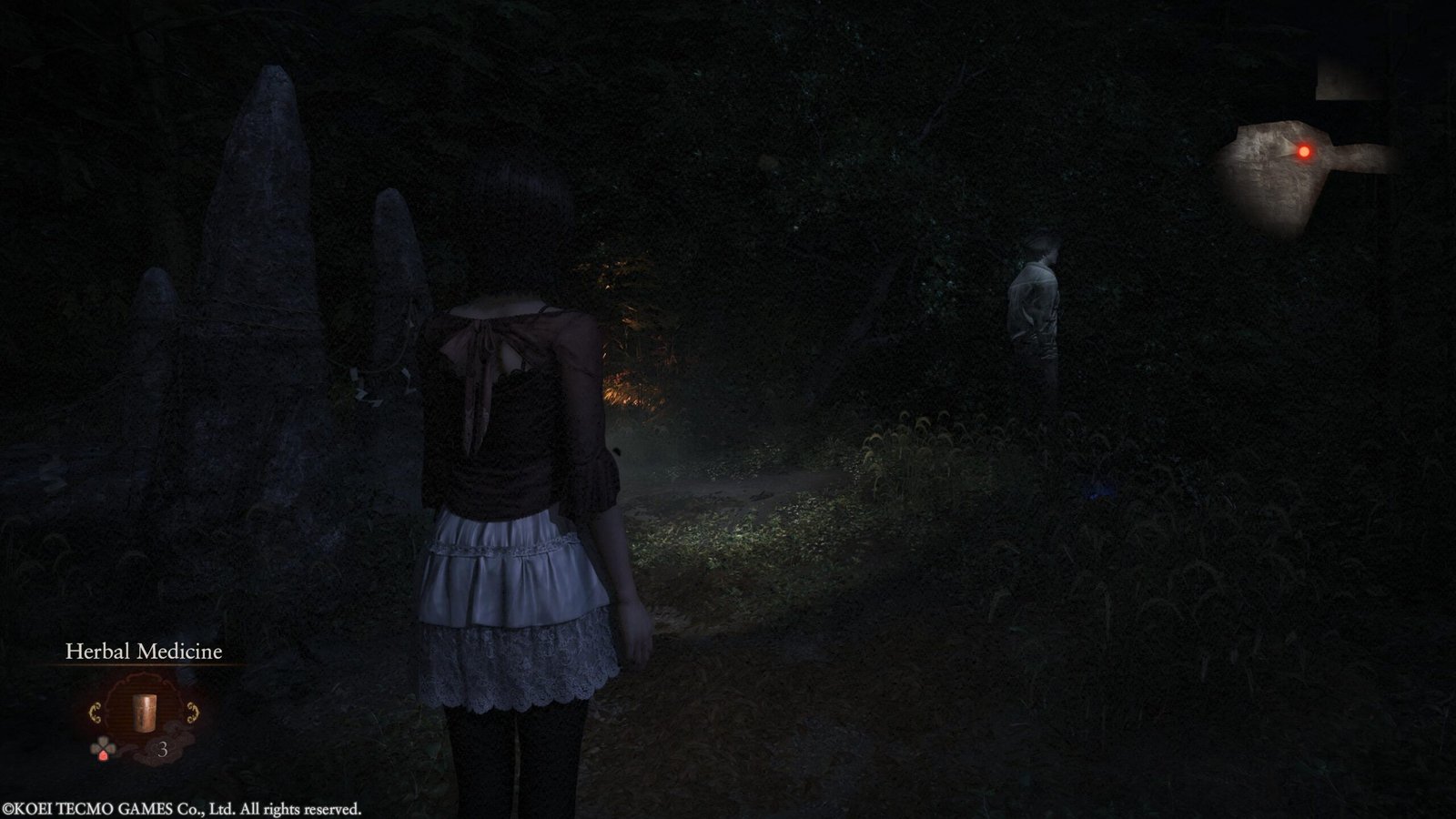
Because its best storytelling is often hidden in supplementary details, Fatal Frame II: Crimson Butterfly Remake relies heavily on atmosphere to do the emotional work. Thankfully, that remains one of its greatest strengths. Minakami Village is oppressive in a way that still feels effective today. Darkness presses in from every angle, the flashlight offers only limited comfort, and even the quietest stretches of exploration feel loaded with dread.
The game does use occasional jump scares, whether through sudden ghostly appearances or moments when interacting with an object invites something more sinister, but those are not what make the horror linger. It is the space itself that does the work. Even once you begin to learn the layout of the town over the course of its roughly ten to twelve-hour runtime, safety never really settles in. New locations inspire dread, but so do familiar ones, because the game never lets comfort fully replace unease.
At the same time, some of that atmosphere comes with practical drawbacks. The darkness is effective in Fatal Frame II: Crimson Butterfly Remake, but it can also make the game genuinely difficult to read at times. Combined with the default visual filter and its grainy overlay, there are moments where visibility feels compromised, not in a dramatically useful way, but in a frustrating one. The oppressive look suits the tone, but it can occasionally work against clarity.
It also does not take long for the underlying level design to show its age. Minakami Village is memorable as a setting, but not always as a space to navigate. Many interiors blur together, with cramped hallways, narrow rooms, and branching routes that can become monotonous over time. That issue is made worse by how often the game asks you to backtrack through the same areas.
The Fatal Frame II: Crimson Butterfly Remake closely preserves the original’s pacing and progression, which means it also preserves the old-fashioned habit of blocking paths through invisible or unexplained spiritual forces whenever the story demands a detour. It is an effective way to maintain linearity, but not a graceful one.
The Camera Remains The Killer Hook
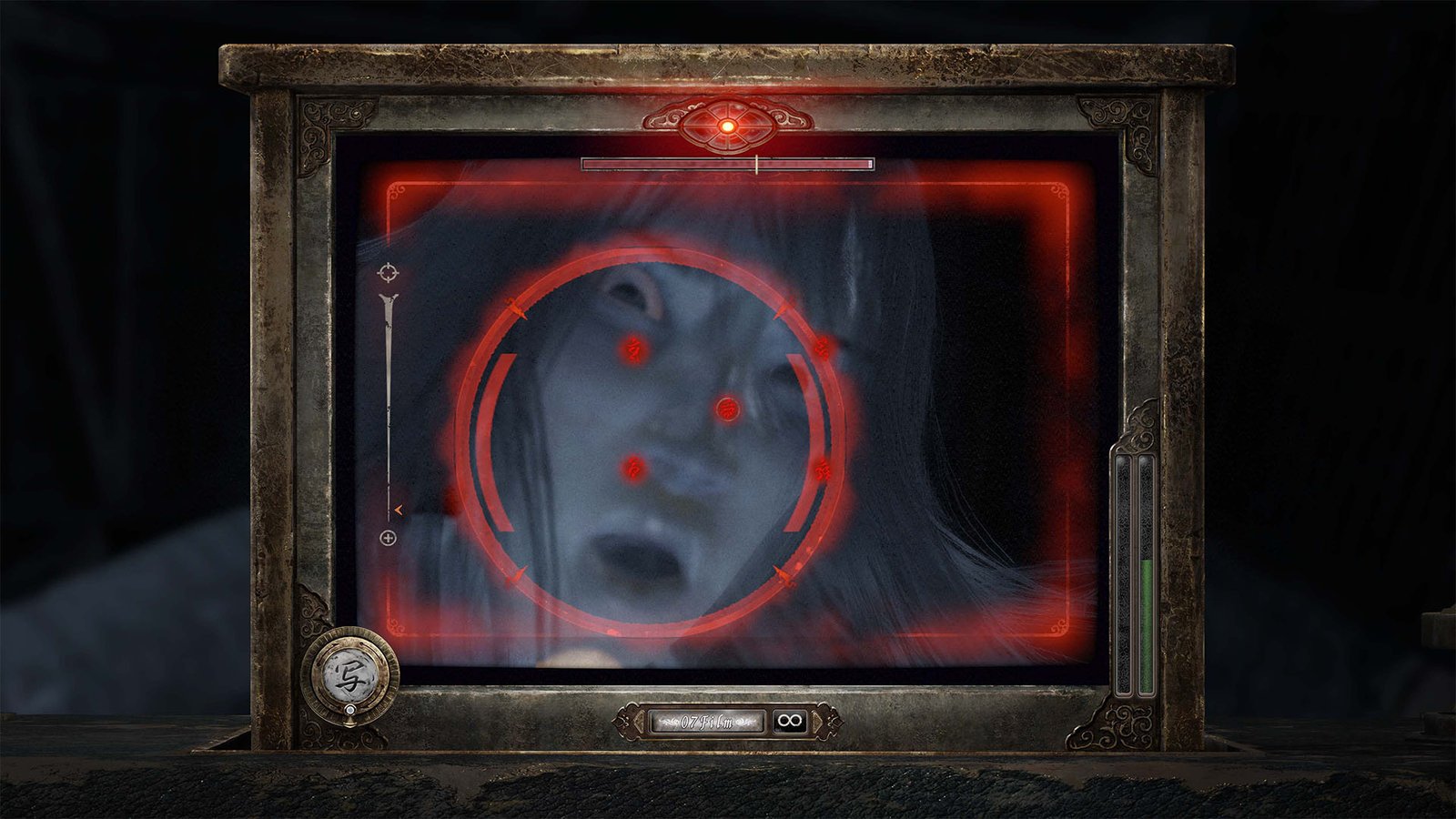
Where Fatal Frame II: Crimson Butterfly Remake still feels most singular is in combat. Rather than handing players conventional weapons, the game asks you to face its spirits using the Camera Obscura, a mystical camera capable of exorcising ghosts through photography. It remains one of horror gaming’s most memorable mechanics, and even now it gives Fatal Frame an identity few series can match.
Combat is built around precision and nerve. When a ghost appears, you raise the camera, frame the spirit, and time your shot for maximum impact. Damage depends on composition and proximity. Snap a clean image of a ghost as it rushes towards you, and you will deal heavy damage. Panic and fire too early, or capture only part of its body out of focus, and your attack will be far less effective. That tension gives every encounter an intimacy that most survival horror games avoid. To defend yourself properly, you have to let the danger come close.
That is what makes the mechanic so effective. Fatal Frame II: Crimson Butterfly Remake does not simply ask you to survive the supernatural. It asks you to stare directly at it. You can zoom, switch lenses for special abilities, charge attacks, and reposition for better shots, but every meaningful improvement still feeds back into that same central idea. The best way to win is to stay calm when the game tries to panic you.
Resource management supports that tension well. While you technically have access to unlimited basic film, it is so weak that relying on it for too long becomes risky. Stronger film types hit harder and reload more quickly, but they are limited, which means each encounter pushes you towards the familiar survival horror question of whether now is the right moment to spend something valuable. The death penalty is relatively light thanks to frequent checkpoints, so the game does not punish failure too harshly, yet the moment-to-moment decision-making remains satisfying.
Outside of combat, exploration is broken up by item collection, light puzzle solving, and the occasional side activity. The puzzles are serviceable without ever becoming especially memorable, and some can be solved more through persistence than insight. Side quests similarly feel minor in impact. Their rewards, whether extra lore or upgrade materials like rosary beads, can be useful, but because those resources are already scattered generously throughout the world, the payoff is not always as meaningful as it first appears in Fatal Frame II: Crimson Butterfly Remake.
A Classic That Still Shows Its Age
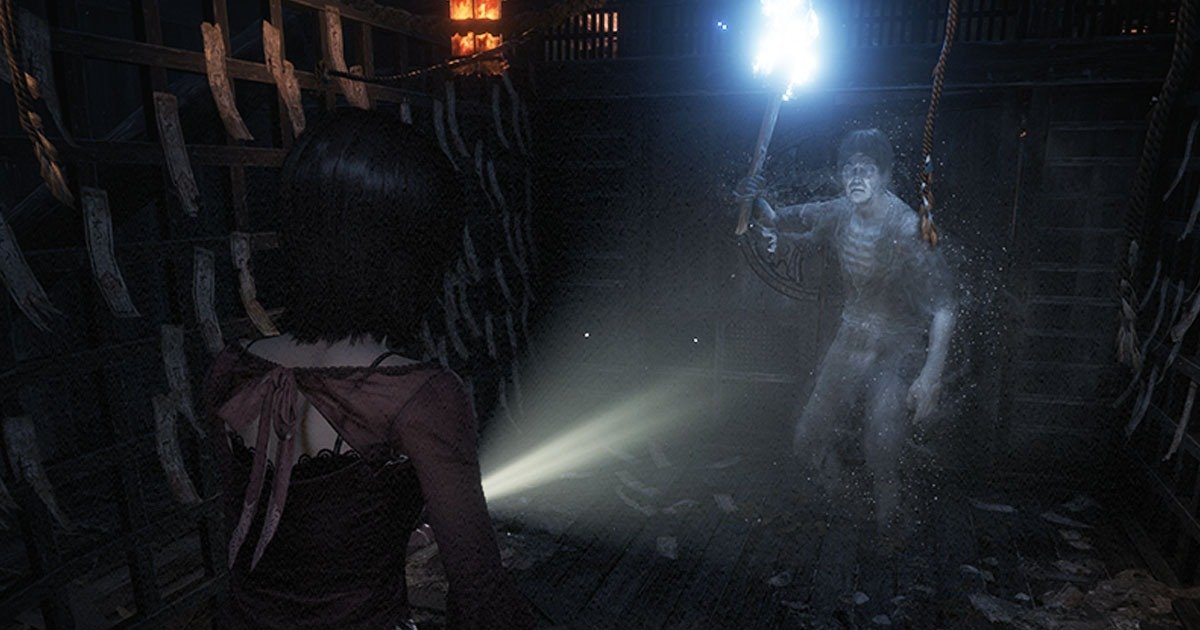
Fatal Frame II: Crimson Butterfly Remake succeeds because it understands what made the original special, even if that also means preserving what made it awkward. Its atmosphere is still potent, its core combat remains brilliantly distinctive, and Minakami Village continues to feel like a place suspended between sorrow and terror. When the game is at its best, it captures the kind of slow, suffocating fear that modern horror games often rush past in search of spectacle.
At the same time, it is impossible to ignore how much of this experience belongs to an older design philosophy. The storytelling can feel uneven unless you commit to chasing down optional material. Navigation grows repetitive. Backtracking is excessive. Progression is rigid in ways that feel more frustrating now than they once did. Even the visual presentation, while stylish, occasionally prioritises mood over readability.
That does not make Fatal Frame II: Crimson Butterfly Remake any less worthwhile. If anything, it makes the remake feel honest. Rather than sanding away every rough edge in pursuit of broader appeal, it preserves the original’s identity, with all the strengths and limitations that come with it. For players willing to meet it on those terms, there is still something powerful here. This is survival horror in a more intimate, vulnerable form, one that replaces firepower with fragility and asks you to confront fear through the lens of a camera.
Fatal Frame II: Crimson Butterfly Remake may not convert everyone, especially those who expect the slicker pace and convenience of contemporary horror, but it remains a compelling revival of a classic that deserves to be remembered. It is haunting, distinctive, and occasionally cumbersome, but when its atmosphere and mechanics lock together, the result is a reminder of why this series still holds such a special place in horror history.
Fatal Frame II: Crimson Butterfly Remake is now available on PlayStation 5, Xbox Series X|S, Nintendo Switch 2, and PC.
SavePoint Score
Summary
Fatal Frame II: Crimson Butterfly Remake captures what made the original so memorable, from its suffocating atmosphere to its brilliant camera-based combat, but it also preserves many of the frustrations that defined survival horror in an earlier era.
