

Table of Contents
Night Swarm on PC
A Familiar Nightfall with New Intentions
Night Swarm enters an increasingly crowded roguelite landscape with confidence rather than caution. At first glance, its foundations feel recognisable. Waves of enemies flood the screen, abilities trigger automatically, and survival hinges on movement, positioning, and incremental power growth.
Yet developers Fubu Games, along with publishers Mad Mushroom and Gamersky Games, are clearly attempting more than simple iteration with Night Swarm. It layers in light narrative framing, companion systems, branching progression paths, and a gothic fantasy aesthetic that gives its moment-to-moment chaos a distinct identity.
The game casts players as a fledgling vampire lord reclaiming power in a world overrun by corrupted beasts. This framing does not dominate the experience, but it provides a welcome sense of purpose that contextualises each run. The structure leans heavily on repetition by design, encouraging players to return night after night to test new builds and combinations in pursuit of mastery. When Night Swarm clicks, it delivers that familiar roguelite compulsion of one more run, one more attempt, one more refinement.
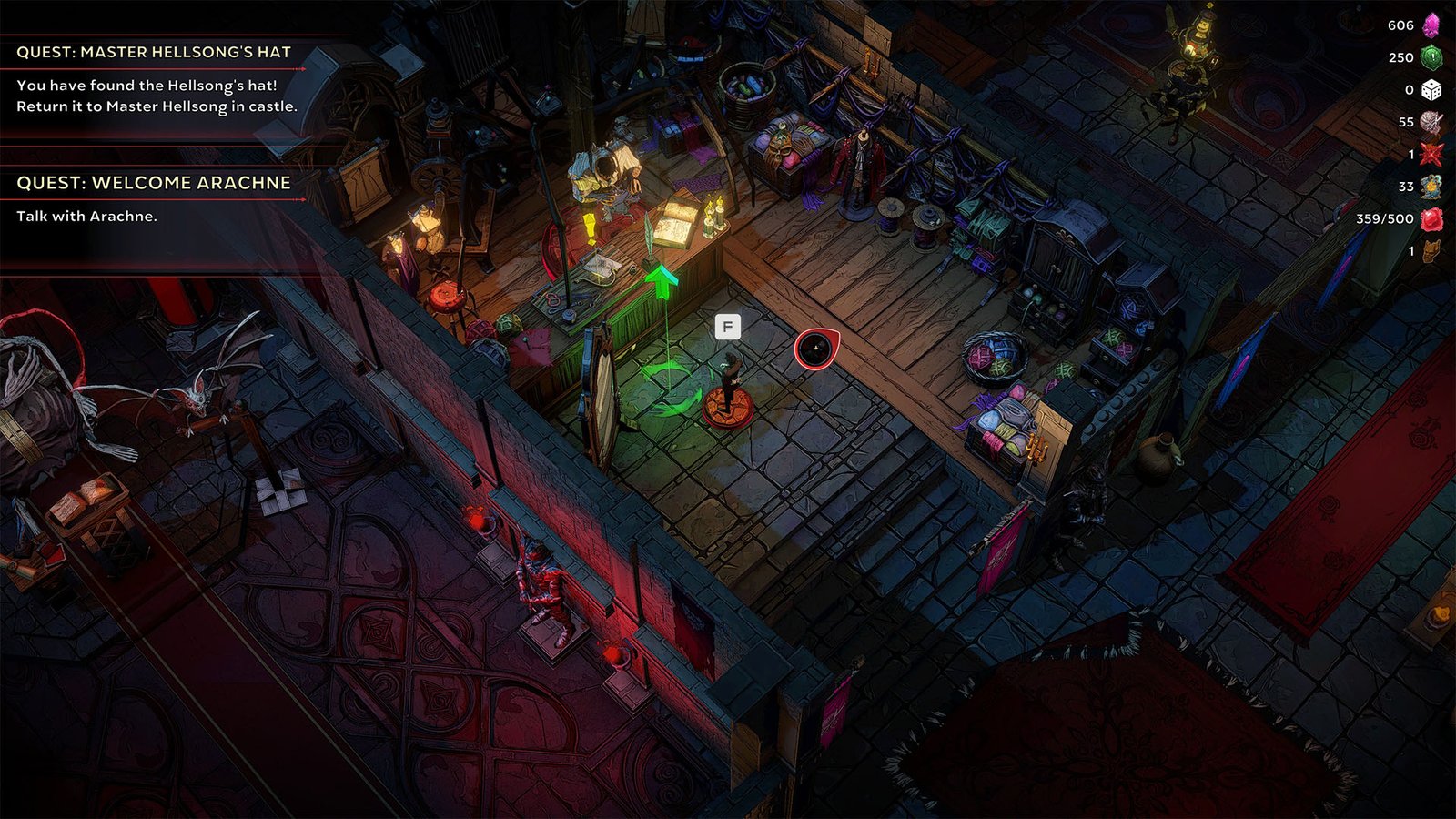
However, it also becomes apparent early on that the game is wrestling with the same tension facing many genre peers. The ambition of its systems often exceeds the cohesion of their execution. The result is a game that feels energetic and promising, yet frequently uneven in how it rewards player investment.
Combat That Thrives on Momentum
Combat is the unquestionable backbone of Night Swarm, and it is where the game is at its most confident. Enemy swarms surge aggressively, forcing constant motion and spatial awareness. Encounters escalate rapidly, transforming manageable skirmishes into overwhelming floods that demand quick reactions and decisive positioning. When builds align properly, combat becomes a cathartic exercise in controlled destruction.
Abilities and upgrades form the heart of this system. Passive attacks stack with triggered effects, companions add supplementary pressure, and cooldown-based skills punctuate the chaos with moments of calculated power. The best runs feel earned, shaped by deliberate choices rather than pure luck. There is satisfaction in learning which abilities synergise effectively and how to pivot a build when the game presents imperfect options.
Yet balance remains an ongoing concern. Certain upgrade paths consistently outperform others, reducing experimentation over time. Some runs can feel doomed early due to poor ability offerings, while others snowball too easily once a dominant combination emerges. This volatility is not uncommon within the genre, but Night Swarm occasionally crosses the line from challenging unpredictability into frustration.
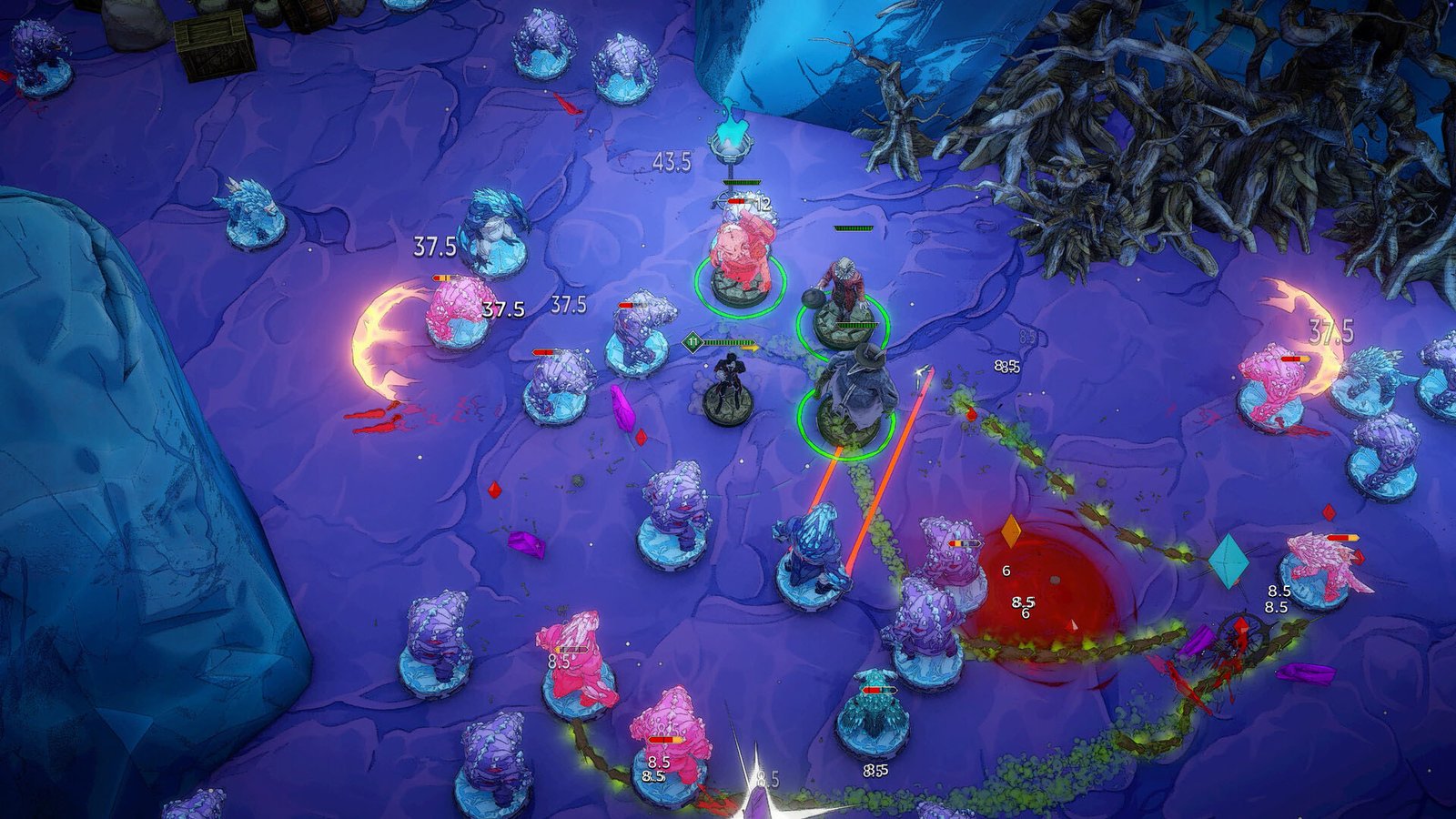
Variety of enemies also struggles to sustain long-term engagement. While visual designs are strong, behavioural patterns repeat frequently, and later encounters rely more on increased density than meaningful mechanical evolution. The combat loop remains engaging, but it rarely surprises once familiarity sets in.
Progression Systems That Compete for Attention
Beyond individual runs, Night Swarm leans heavily into meta progression. Persistent upgrades, unlockable companions, and branching systems all contribute to a sense of long-term advancement. These mechanics are designed to reward repeated play while gradually smoothing the difficulty curve.
At its best, this progression feels purposeful. Unlocking a new companion or ability can meaningfully alter playstyle, opening alternative approaches to survival. There is a clear intent to give players tools that expand strategic flexibility rather than simply inflating numbers.
However, the pacing of these systems often feels uneven. Progression can be slow, particularly when upgrades are gated behind repeated successes on higher difficulties. This structure risks alienating players who struggle early, as improvement sometimes feels tied more to persistence than mastery. While grind is an accepted element of roguelites, Night Swarm does not always justify the time it demands.
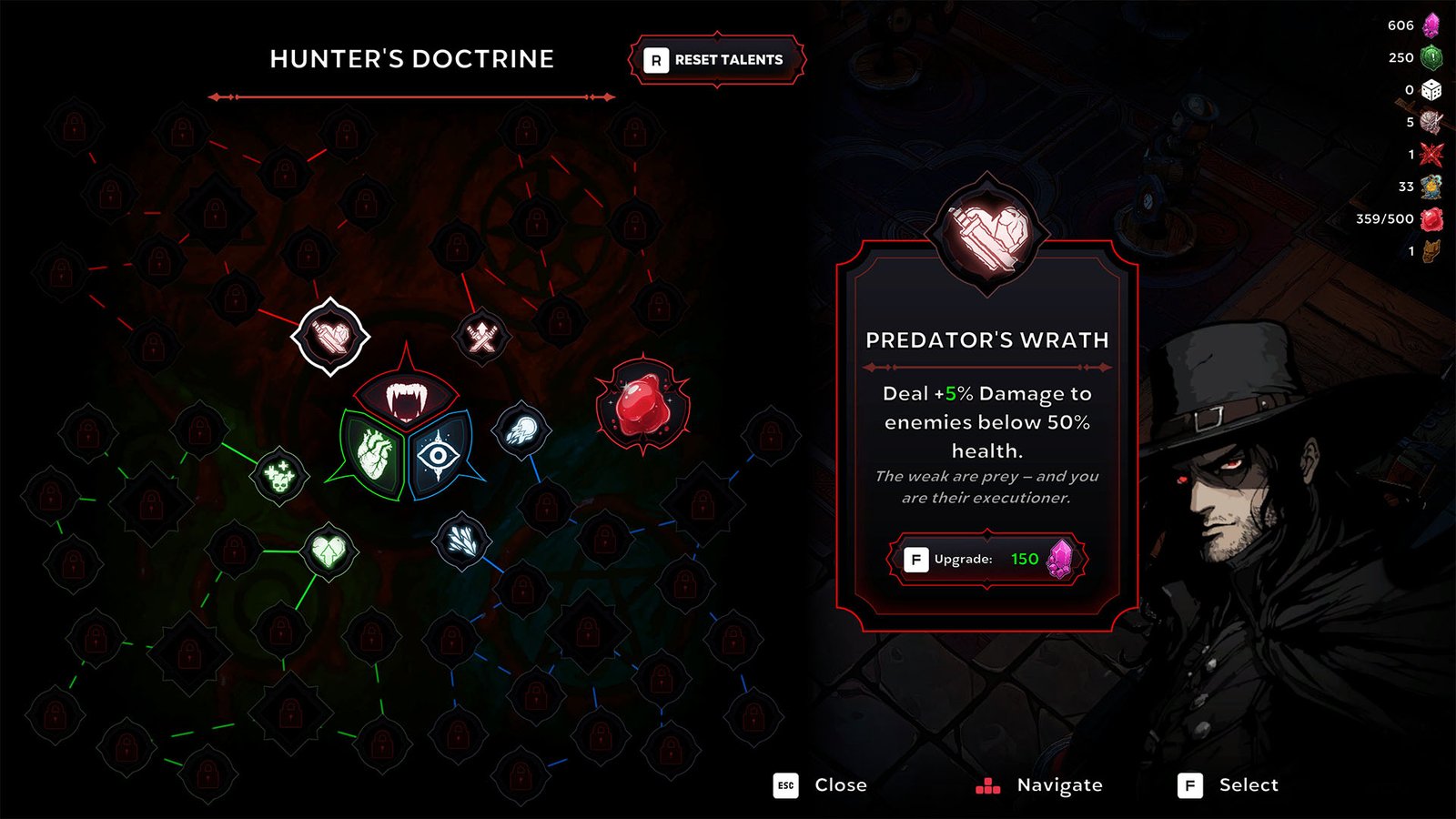
The companion system, while conceptually appealing, also suffers from inconsistent impact. Some companions meaningfully contribute to combat flow, while others feel cosmetic or underpowered. This imbalance undermines what should be one of the game’s defining features.
Atmosphere, Presentation, and Identity
Visually, Night Swarm establishes a clear identity. Its gothic aesthetic, dark colour palette, and stylised character designs distinguish it from brighter, minimalist peers. Enemy designs convey menace effectively, and environments, while limited in variety, reinforce the game’s nocturnal tone.
Performance remains generally stable, though the sheer density of effects can occasionally obscure clarity. Visual noise becomes an issue during late-stage encounters, where readability is crucial. Audio design supports the atmosphere adequately, though it rarely elevates it. Sound effects serve their purpose, but music fades into the background rather than driving momentum.
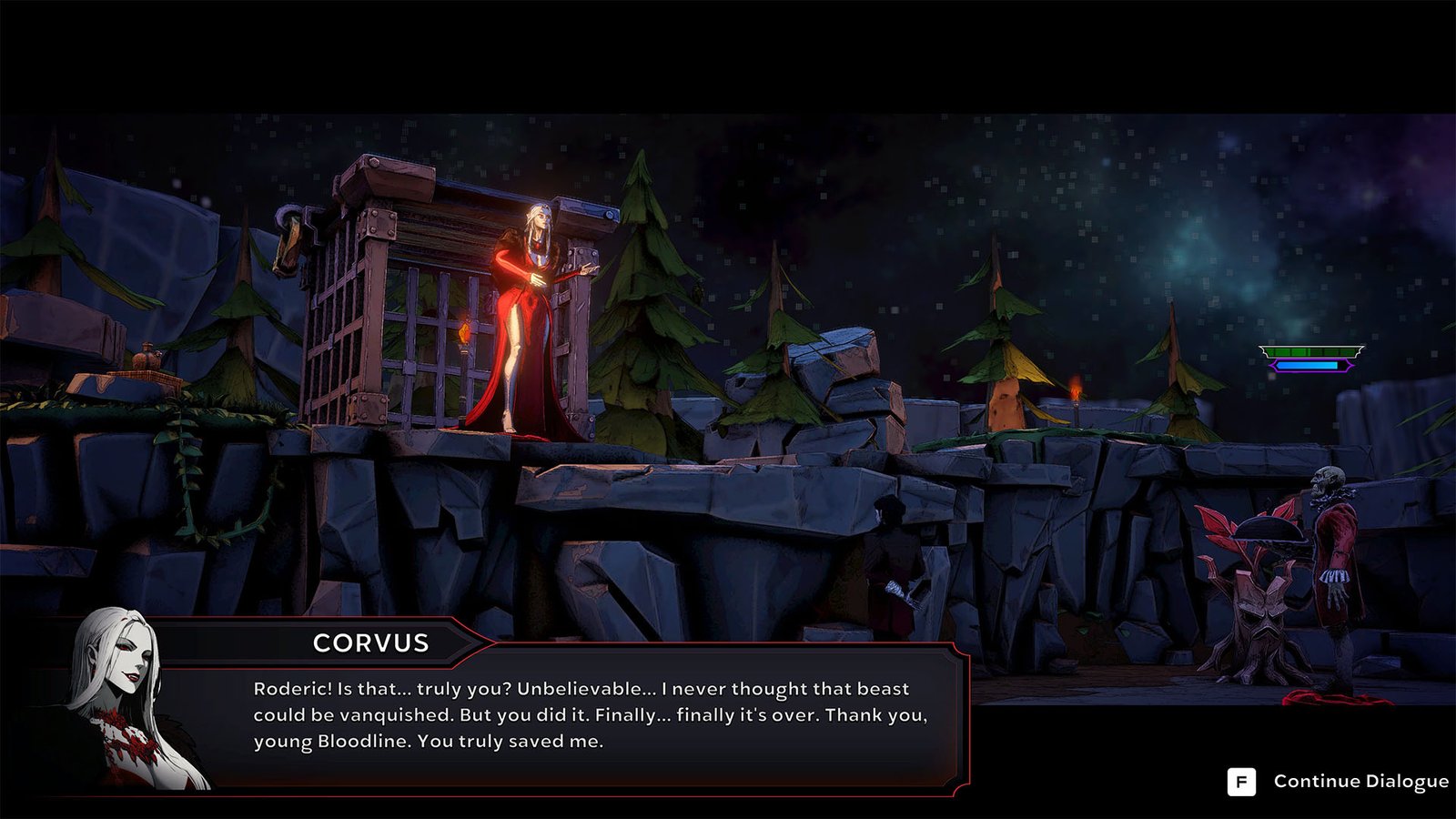
Narratively, the game keeps its ambitions restrained. Lore exists largely as flavour rather than focus, and while this suits the genre, it also feels like a missed opportunity. The vampire lord premise hints at richer storytelling that never fully materialises, leaving the world feeling functional rather than alive.
Where Night Ultimately Lands
Night Swarm is a game defined by confidence and compromise. Its combat loop is engaging, its systems are layered, and its aesthetic gives it a welcome sense of character. At the same time, balance issues, pacing frustrations, and limited depth prevent it from standing out decisively within a saturated genre.
For players already invested in roguelites and survivor-inspired design, it offers enough variety and energy to warrant attention. It may not redefine expectations, but it demonstrates a developer willing to push beyond the basics, even if the results remain uneven.
With further refinement, Night Swarm could evolve into something more enduring. As it stands, it is an enjoyable, occasionally compelling experience that leaves the impression of untapped potential lingering just beneath the surface.
Night Swarm is available now on Steam.
SavePoint Score
Summary
Night Swarm delivers fast-paced roguelite combat with strong visual identity and engaging build crafting, but uneven balance and progression pacing hold it back from lasting greatness.
