

Table of Contents
1998: The Toll Keeper Story is a Lens Into History
When I reviewed 1998: The Toll Keeper Story, what lingered was not a single mechanic or moment, but a sustained sense of pressure. Not urgency, not spectacle, but the kind of quiet unease that settles in when history presses forward, and everyday life is forced to carry the weight.
Speaking with Riris Marpaung, CEO of GameChanger Studio, that unease emerges as deliberate rather than incidental. For her, this dark period in Indonesia’s history was never for shock value. The May 1998 riots were chosen because they remain a tricky territory.
Marpaung describes the year as one that many developers still avoid, often treating sociopolitical history as taboo. GameChanger, however, saw an opportunity rather than a restriction. Games, she argues, could offer a different kind of engagement with the past.
“This game is not a replication of the actual tragedy,” she explains. “We wanted to capture the atmosphere and the pressure of the time, not simulate the events themselves.”
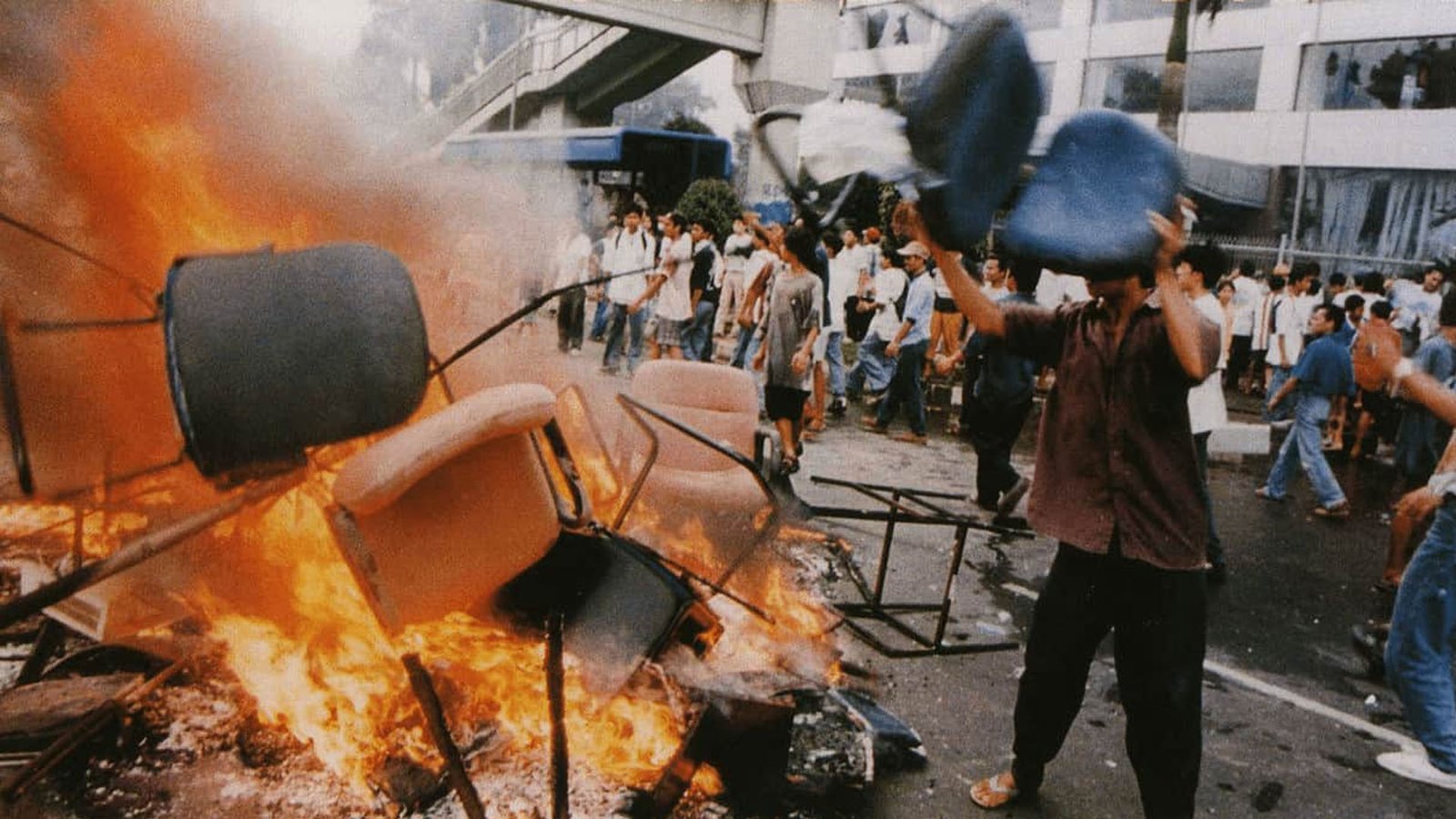
That distinction matters. Rather than reenacting violence or centring catastrophe, 1998: The Toll Keeper Story focuses on emotional proximity, on what it felt like to exist adjacent to collapse. In doing so, the game respects the weight of the significant May riots while avoiding exploitation.
The Toll Booth as a Moral Vantage Point
Life in the toll booth was a devastatingly effective choice, and Marpaung confirms in 1998: The Toll Keeper Story that this was central to the philosophy. Inspired in part by Papers, Please, the team deliberately avoided heroic framing.
The toll keeper represents ordinary people, those who lived through upheaval without power, influence, or protection. “We chose to tell the story of the ants trying to survive while the elephants were fighting,” she says.
The toll booth becomes a fixed point in a world spiralling outward. You are not shaping events. You are witnessing, processing, and deciding how to respond when everyday people arrive at your window.
Designing Unease Without Punishment
One of the most striking aspects of 1998: The Toll Keeper Story is how it generates discomfort without resorting to punishment or overt judgment. That approach, Marpaung says, comes from years of narrative experimentation.
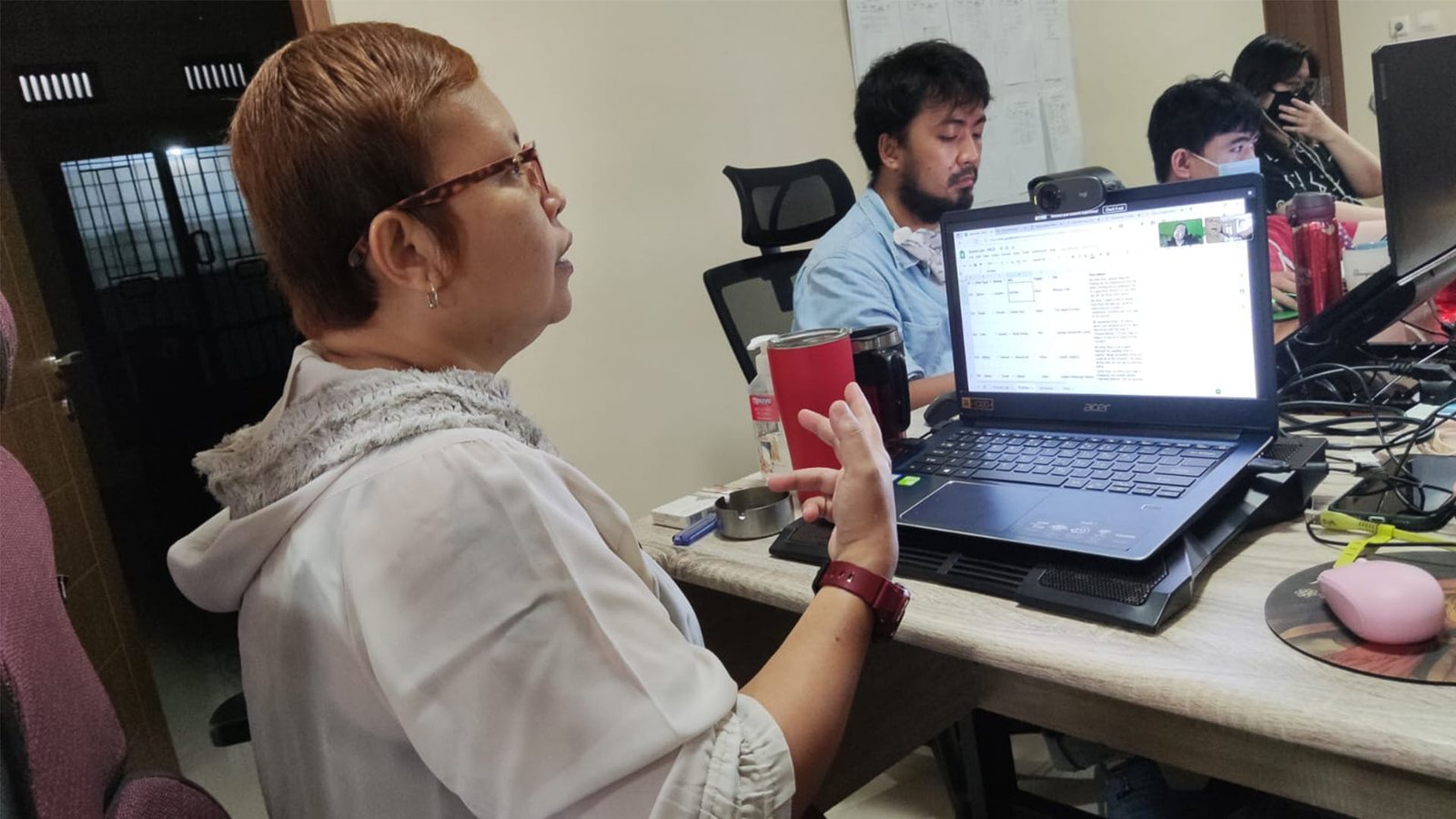
“Creating dilemmas that directly affect how players feel is our secret sauce,” she notes, pointing to the studio’s earlier work. Here, that discomfort is layered quietly. Character development unfolds through domestic conversations and moments at home.
World deterioration manifests as small, cumulative changes at the toll booth: graffiti, posters, visual effects, and newspaper headlines tracking political and economic decline. The goal was never to shock players, but to surround them with pressure until it became impossible to ignore.
Agency That Stops at the Window
At first glance, 1998: The Toll Keeper Story appears to offer little agency. Marpaung pushes back against that reading.
“You cannot stop the riots from a toll booth,” she says plainly. “That part is true to real life.”
But the game is not interested in national power. It is interested in intimate consequence. Decisions matter not because they reshape the country, but because they affect the individuals passing through your lane.
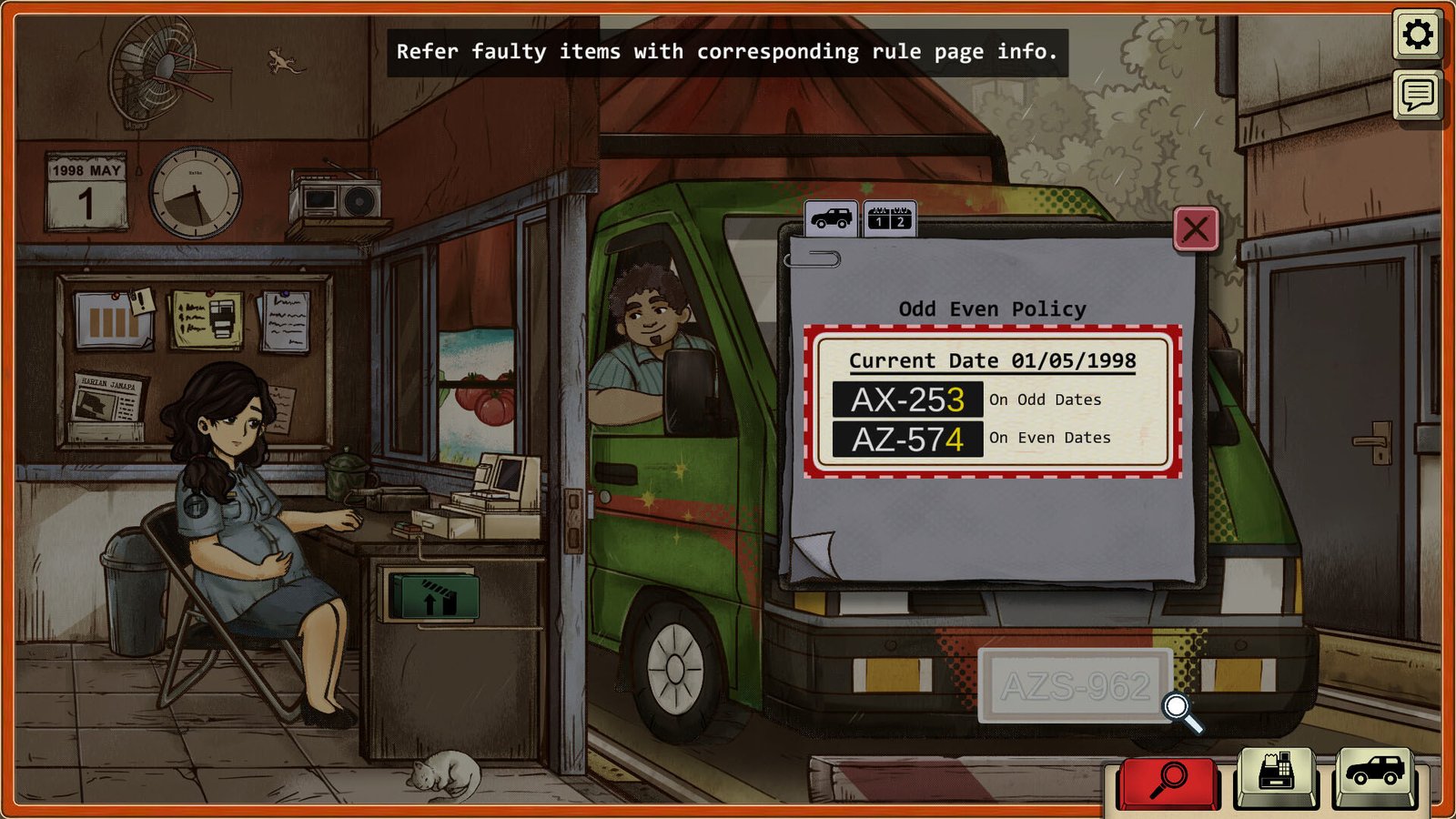
“You might not save the nation,” she explains, “but you might save a father trying to get home, or help a student escape danger.” In times of crisis, as the game suggests, agency is not about scale. It is about maintaining humanity when systems are failing.
Why Gamification Had to Stop Somewhere
The absence of traditional rewards is one of the boldest decisions in 1998: The Toll Keeper Story. Marpaung is candid about why that line was drawn.
“Gamifying the tragedy with scores or flashy systems felt disrespectful,” she says. “We wanted emotional authenticity, not optimisation.” That restraint shaped the campaign experience, prioritising survival and moral weight over mastery.
Interestingly, player feedback since launch has complicated that stance. Some players enjoy the toll booth mechanics enough to want a deeper challenge. The studio is listening, but cautiously. Any future adjustments, Marpaung stresses, must not compromise the story’s solemnity.

Rather than relying on exposition, 1998: The Toll Keeper Story communicates through tone, silence, and repetition. Janapa changes. Dewi stays. “It was important to show that chaos is happening,” Marpaung says, “and despite all this, she is still sitting in her toll booth, trying her best.”
Subtlety always carries risk. Players might miss the message. But the response has reassured the team that the atmosphere conveyed what words could not.
When Players Disagree With Each Other
One of the most revealing post-launch surprises has been the extent of player division over moral choices. Older players often tell the team, “This feels exactly like I remember.” Younger players, who never lived through 1998, still connect deeply with the anxiety.
More unexpectedly, players are split on what the “right” choices are. Some feel guilty prioritising family. Others believe protecting an unborn child is the only moral path.
“We didn’t expect the community to be so divided,” Marpaung admits. “But that ambiguity means the dilemmas worked.”
Risk, Leadership, and a Studio Finding Its Voice
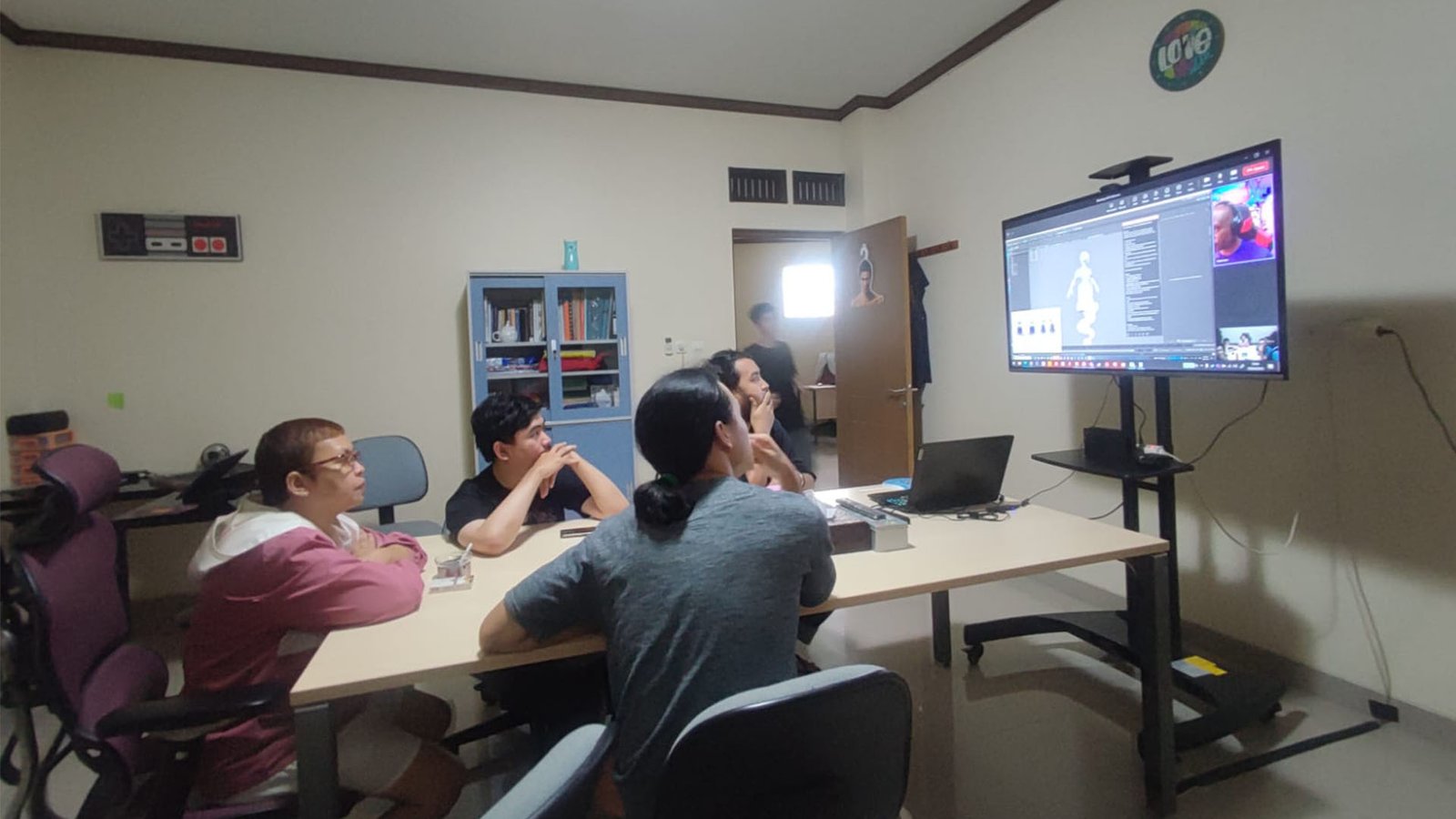
Backing 1998: The Toll Keeper Story was not just a creative risk. It was a strategic one. Marpaung traces the project to her experience living through the May 1998 tragedy, combined with research indicating an audience for historical simulation games.
Collaborations with respected narrative voices, cultural figures, and AAA-level musical talent further anchored the project. The game marked several milestones for GameChanger Studio, including self-publishing and a condensed development cycle.
Success, she says, is reflected not just in sales or reviews, but in confirmation that those risks were justified.
A Clearer Future for GameChanger Studio
Despite the game’s positive reception, 1998: The Toll Keeper Story was emotionally taxing to make.
“This was the first game that genuinely scared me,” Marpaung says, reflecting on pre-development. Balancing personal attachment with collective direction was difficult, as was knowing when to stop. The temptation to say more was always there. But restraint remained essential.
“There is a line regarding the tragedy that you cannot cross.”
Perhaps the most lasting impact of the game is the internal clarity it provides. The project gave the studio confidence to pursue quieter, more human stories. It also forced difficult decisions, including scrapping concepts that no longer aligned with this sharpened identity.
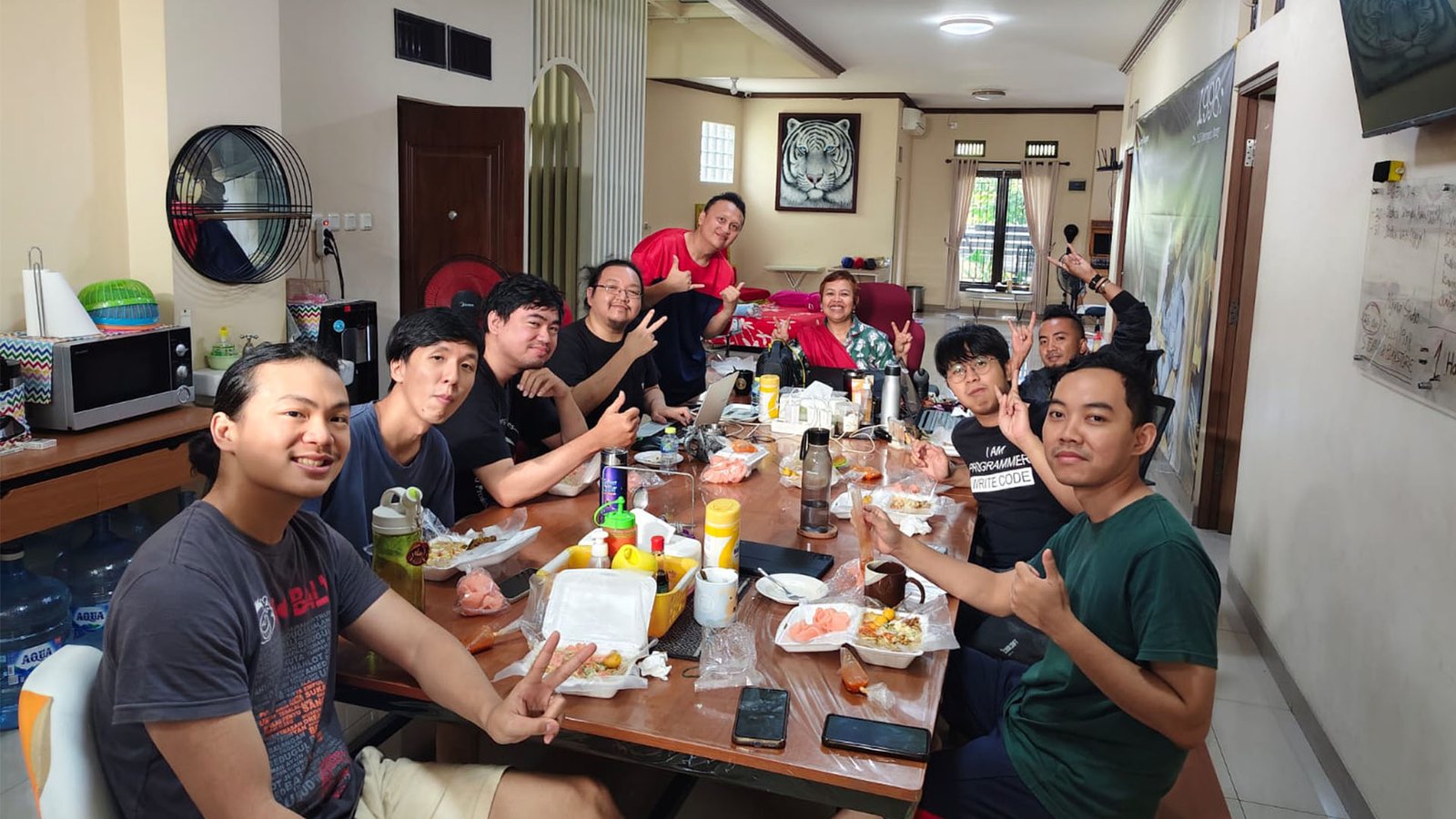
“The most important lesson,” Marpaung says, “is that we now know who we are.”
For players who have experienced 1998: A Toll Keeper Story, this conversation completes the picture. The game’s restraint is not absence. It is intent. By choosing to sit with history rather than dramatise it, GameChanger Studio has defined the path it wants to take next.
1998: The Toll Keeper Story is available on Steam.
