

Table of Contents
The Legend of Heroes: Trails Beyond the Horizon on PS5
The Legend of Heroes: Trails Beyond the Horizon represents a moment of rare confidence for NIS and Falcom’s long-running saga. Where earlier entries in the Calvard arc laid groundwork and tested new ideas, Trails Beyond the Horizon feels assured in its direction, content to deepen and refine rather than reinvent.
By pushing Zemuria toward its first true step into space, the game frames itself as both a technological and narrative milestone, one that feels earned after years of careful escalation.
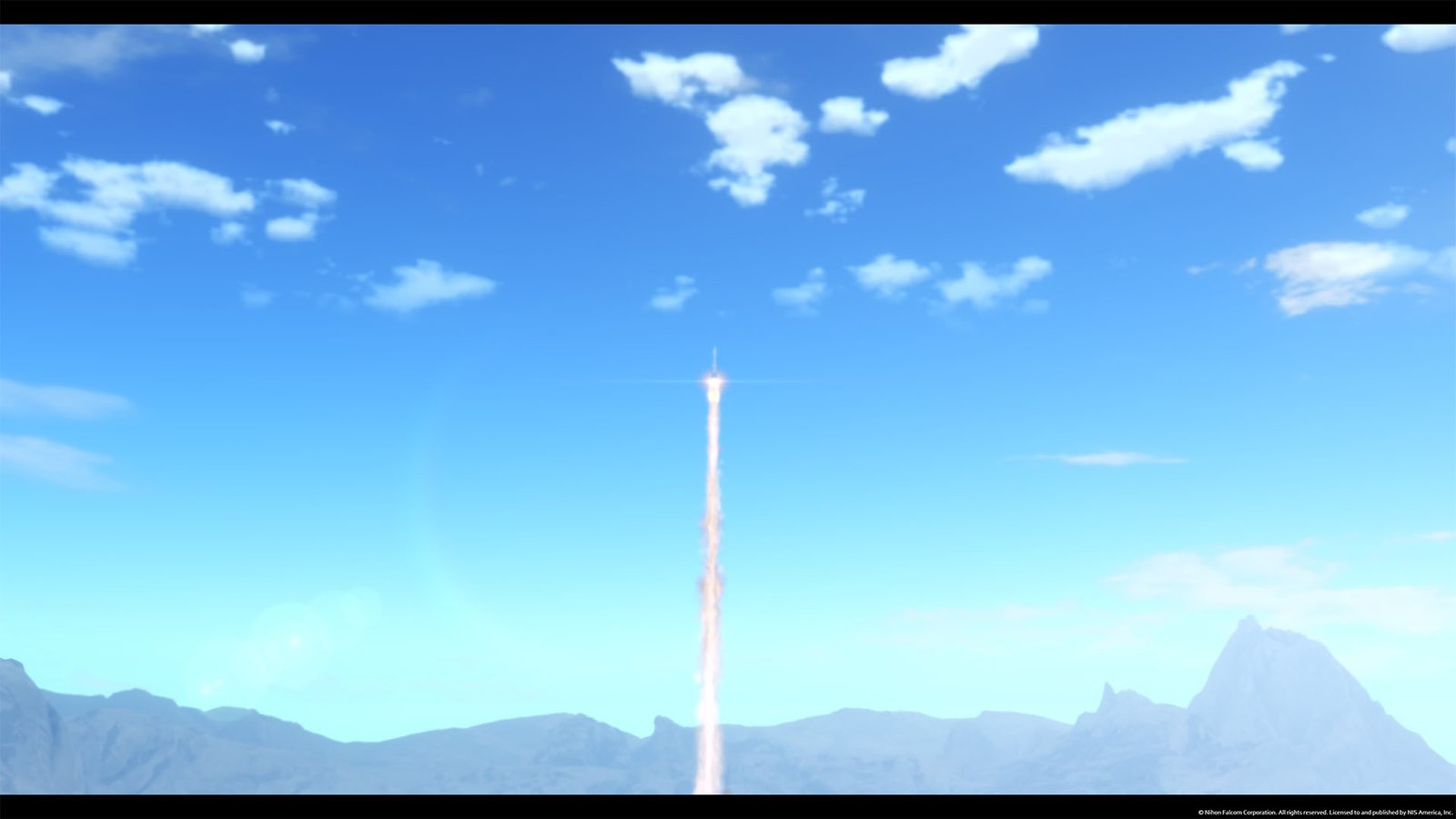
From the opening sequence, which chronicles Calvard’s successful satellite launch, Trails Beyond the Horizon establishes scale without spectacle for its own sake. The space programme is treated not as a flashy pivot but as a natural extension of Zemuria’s accelerating progress, one that carries unresolved consequences tied to the continent’s lingering mysteries.
It is this balance between ambition and restraint that defines the experience. The game is grand in scope, yet deeply aware of the weight of its own history.
A Multi-Route Structure That Trusts Its Audience
The Legend of Heroes: Trails Beyond the Horizon once again adopts a multi-route narrative, dividing its cast into three primary groups whose stories unfold largely in parallel. Rather than feeling fragmented, this structure reinforces the sense that Zemuria’s future is being shaped from multiple directions at once.
Each route explores a different facet of Calvard’s present moment, whether through political unrest, military preparation, or conspiracies rooted deep in the continent’s past. Van Arkride remains the emotional throughline, and the game is unapologetic about centring his perspective. Arkride Solutions’ involvement in renewed unrest within Edith feels like a natural continuation of Daybreak’s themes, while also highlighting how fragile Calvard’s progress remains beneath the surface.
Rean Schwarzer and Crow Armbrust’s route leans into legacy and responsibility, acknowledging their histories without allowing them to overshadow the newer cast. Kevin Graham’s long-awaited return, paired with Rufus Albarea, provides a quieter but no less compelling thread that reconnects Beyond the Horizon to older unresolved arcs.
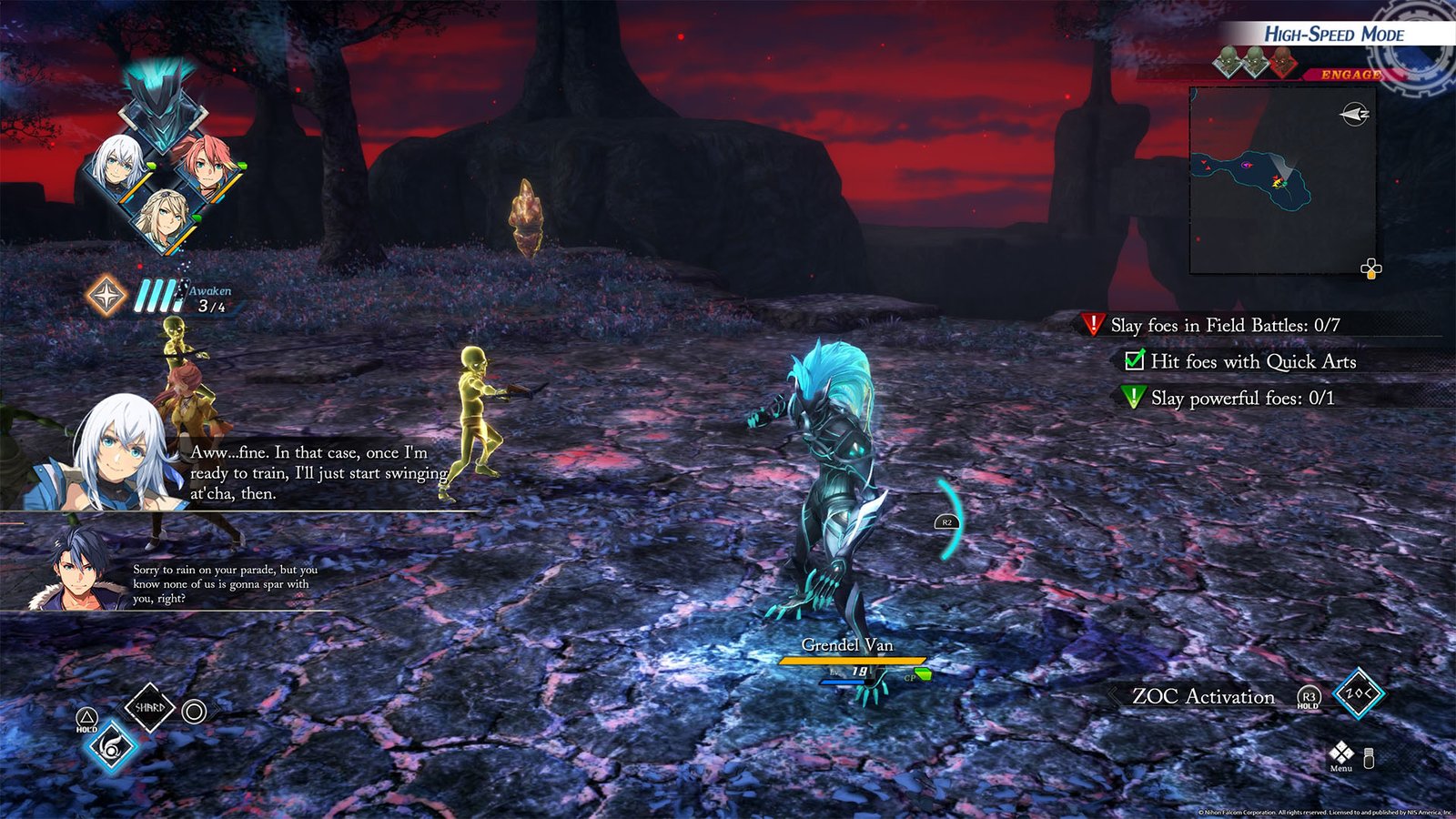
Pacing across routes is more deliberate than in previous entries. While tonal shifts still occur, they feel more purposeful here, encouraging players to consider how moments of calm and crisis coexist rather than collide. The decision to keep routes largely non-intersecting reinforces their individual identities, allowing each storyline space to breathe.
Calvard Revisited With Greater Intent
Much of The Legend of Heroes: Trails Beyond the Horizon unfolds across familiar Calvardian locations, yet the context surrounding these spaces has shifted. Edith feels more expansive and cohesive than ever, not through radical redesign, but through increased accessibility and narrative density.
The city now reflects its role as a political and cultural centre, reinforcing the stakes of the conflicts unfolding within it. Anchorville stands out as a meaningful addition. Judith’s hometown offers warmth and intimacy at a time when the broader narrative is increasingly abstract.
Its riverside layout and everyday routines ground the story, reminding players what progress threatens to leave behind. These quieter moments are where Beyond the Horizon quietly excels, offering contrast that deepens rather than distracts.
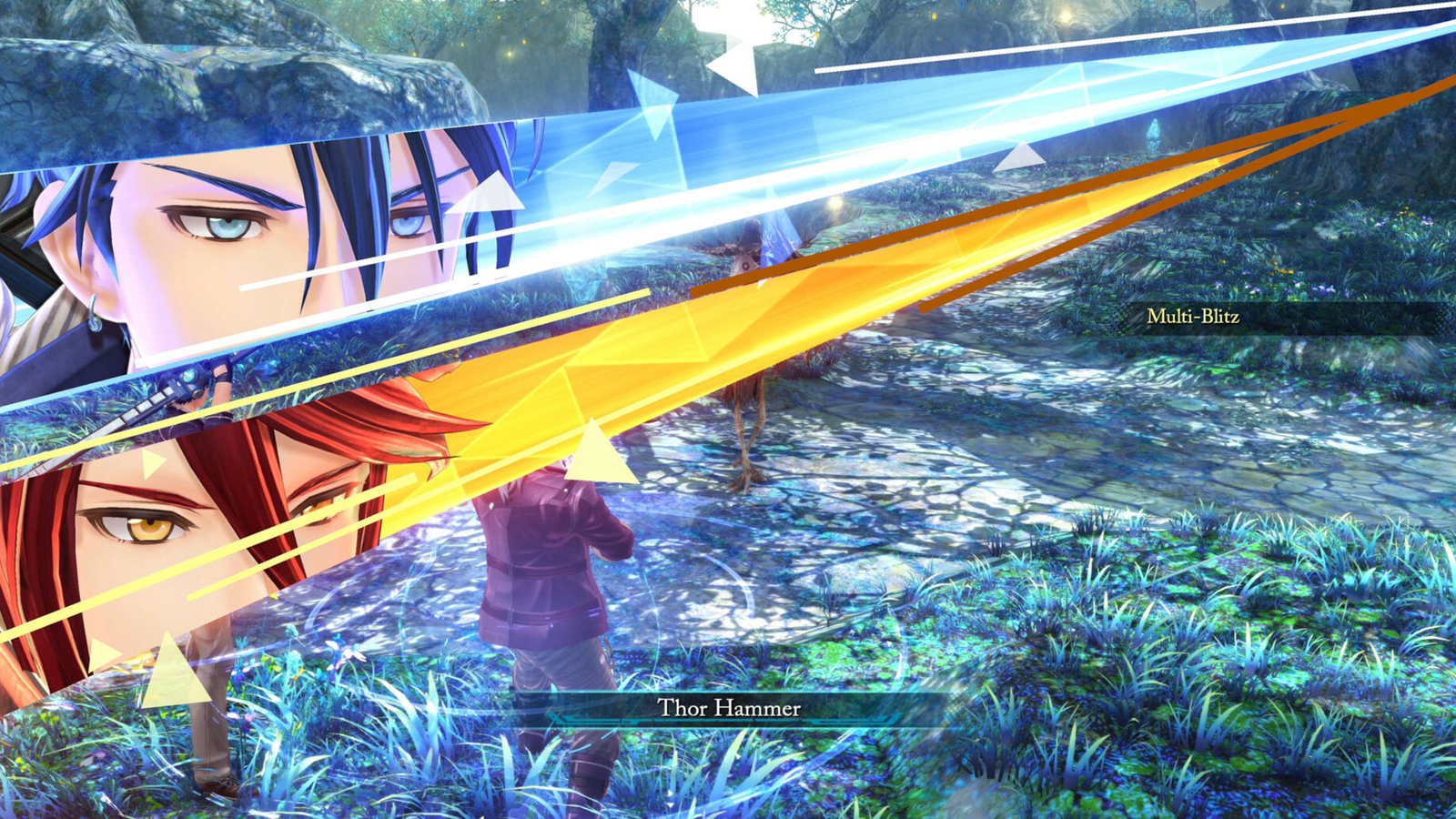
Rather than chasing novelty for its own sake, the game uses familiarity as a strength. Returning locations feel lived in, shaped by time and consequence, which suits a series so deeply invested in continuity.
Grim Garten as Purposeful Refinement
The reworked Grim Garten represents one of Trails Beyond the Horizon‘s most successful refinements. By reimagining its structure with board game-inspired layouts, Falcom transforms what was once a repetitive obligation into a mode that encourages experimentation and strategic choice. Randomised paths reduce fatigue, while the presence of a central hub strengthens its connection to the wider cast.
Ouroboros’ involvement adds narrative weight, turning the Grim Garten into more than a mechanical diversion. It becomes a contested space, reflective of competing ideologies rather than a neutral challenge arena. The design strikes a balance between accessibility and depth, making repeated runs feel purposeful rather than perfunctory.
The absence of post-ending access remains a missed opportunity, but it is a relatively minor blemish in an otherwise well-integrated system. Its impact is felt more as a loss of convenience than a structural flaw.
Combat Systems That Know When Not to Overreach
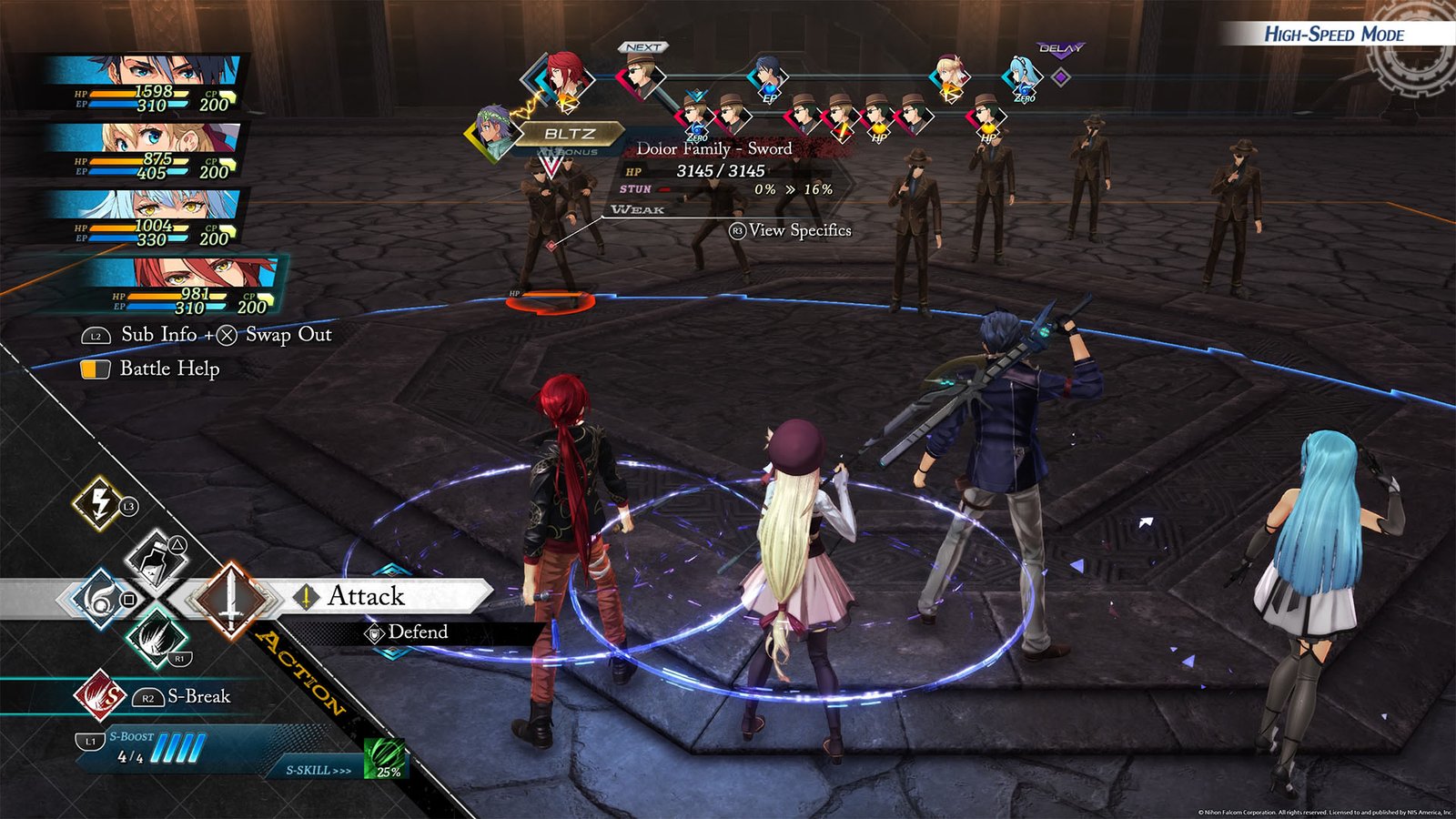
Combat in Trails Beyond the Horizon exemplifies Falcom’s measured approach. ZOC mechanics enhance field battles by rewarding aggression and timing, while Awakening systems reinforce character identity without overwhelming encounter balance. These additions feel cohesive, building naturally on Daybreak’s foundation rather than disrupting it.
Shard Commands further expand tactical options, offering multi-turn buffs that reward planning and team composition. While combat does not radically redefine itself, it feels sharper and more expressive, particularly for players already fluent in the system.
This is not reinvention, but refinement done with confidence, reinforcing why Trails’ combat remains engaging across long play sessions.
A Rewarding Chapter for the Committed
The Legend of Heroes: Trails Beyond the Horizon makes no attempt to court newcomers, and that is by design. Its narrative assumes familiarity with Calvard, Zemuria, and the series’ long-running threads. For those who have followed the journey, the payoff is substantial. Connections are reinforced, questions deepen, and the sense of momentum is undeniable.
This latest entry arrives at a rare moment for the series, as localisation finally catches up with Falcom’s Japanese releases. For the first time in decades, the Trails community is collectively staring into the unknown.
The ending raises more questions than it answers, but it does so with confidence rather than frustration. The Legend of Heroes: Trails Beyond the Horizon feels like a midpoint that understands its role, pushing the Calvard arc forward without prematurely resolving its mysteries. It is a refined, assured chapter that rewards loyalty and patience, and one that leaves the series well-positioned for whatever lies beyond.
The Legend of Heroes: Trails Beyond the Horizon is available now on PlayStation 4, PlayStation 5, PC, and the Nintendo Switch and Switch 2.
SavePoint Score
Summary
The Legend of Heroes: Trails Beyond the Horizon, while the furthest thing from a good starting point, offers a terrific mid-point in the Calvard Arc that all fans will be very happy with. The game doesn’t do much to switch things up from the previous two games, but as the saying goes: if it ain’t broke, don’t fix it.
