

Table of Contents
The Coin Game on PS5 Pro
There is a very specific feeling that developer devotid and Kwalee‘s The Coin Game is chasing, and it has less to do with simply recreating arcade machines than it does with capturing the mindset that surrounded them.
This is not nostalgia for a polished retro fantasy where every light glows perfectly, and every machine pays out just enough to keep you smiling. It is nostalgia for stale carpet, cheap prizes, noisy cabinets, odd little routines, and the familiar lie that the next token will somehow be the lucky one.
That focus gives The Coin Game a stronger identity than many novelty-driven simulators. On paper, it is easy to reduce the idea to a collection of ticket machines and redemption counters spread across a quirky island. In practice, it becomes something stranger and more distinct.
It understands that old arcades were not just places to play games. They were places to wander, waste time, spend money badly, and sink hours into rituals that made no sense to anyone outside the moment. For players who recognise that appeal, this game lands with surprising force. For everyone else, its rough presentation and eccentric design may feel like a barrier rather than part of the charm.
More Than A Minigame Collection
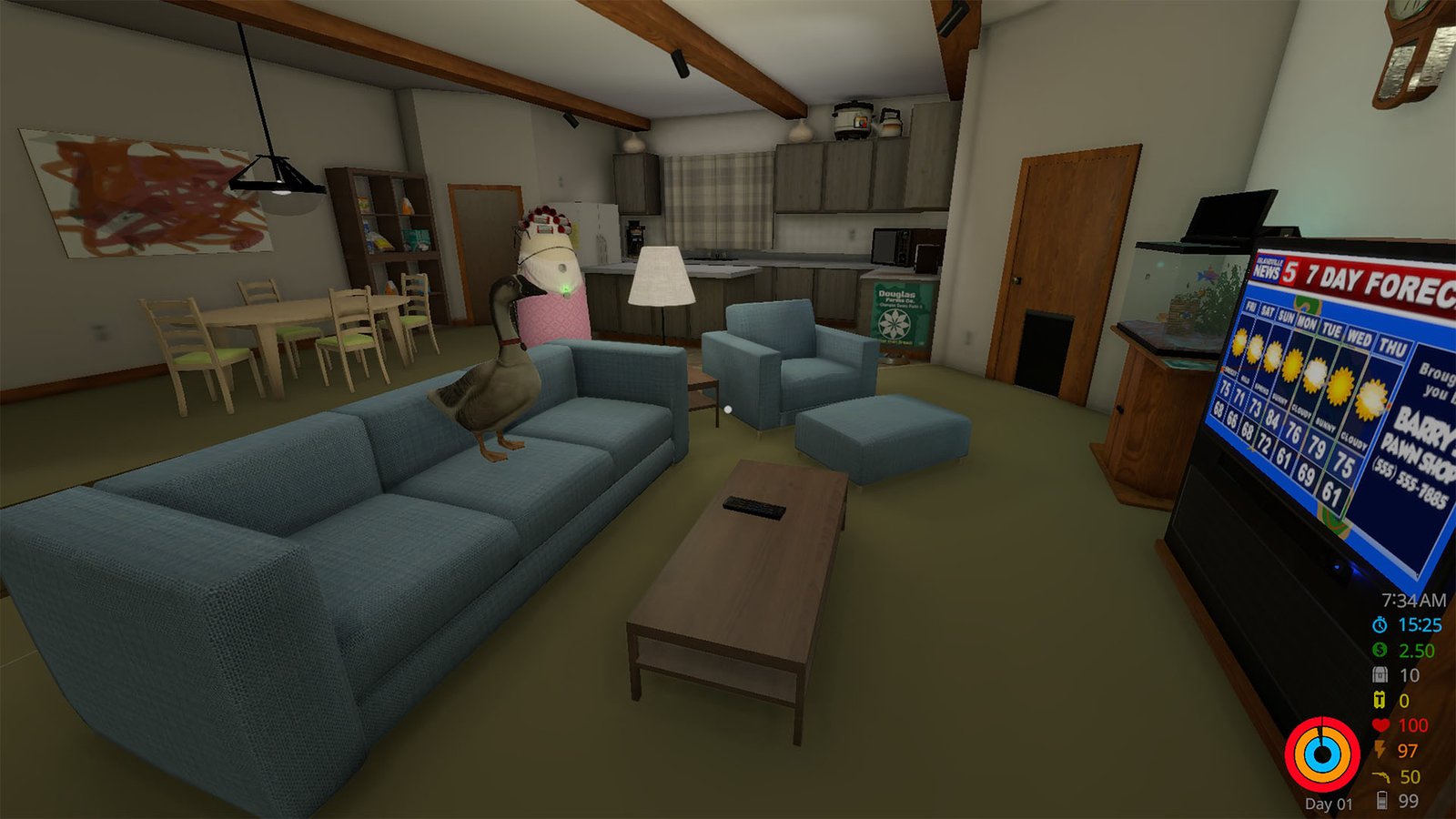
What keeps The Coin Game afloat is that it is not content to be a simple collection of amusements. The island setting, the side activities, and the broader structure all help give context to the machines themselves. You are not just dipping in and out of isolated minigames. You are moving through a strange little world where earning money, deciding where to spend it, and figuring out how to stretch a limited amount of progress gives everything a bit more meaning.
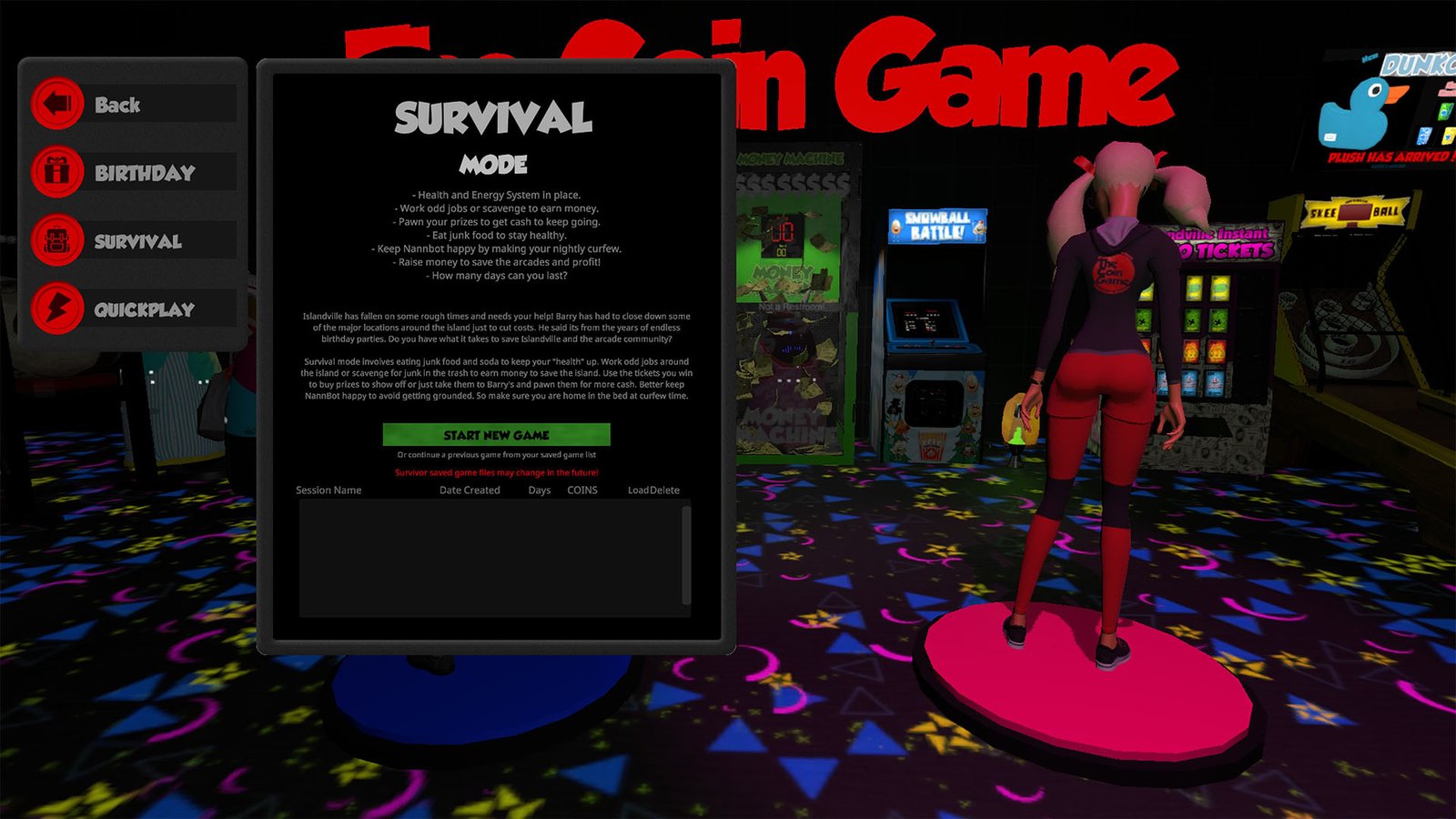
That is particularly true in Survival mode, which does much of the heavy lifting when it comes to making the game memorable. The need to manage resources, pick up odd jobs, and balance your desire for arcade thrills with the practical demands of staying afloat turns what could have been a shallow gimmick into a surprisingly sticky loop.
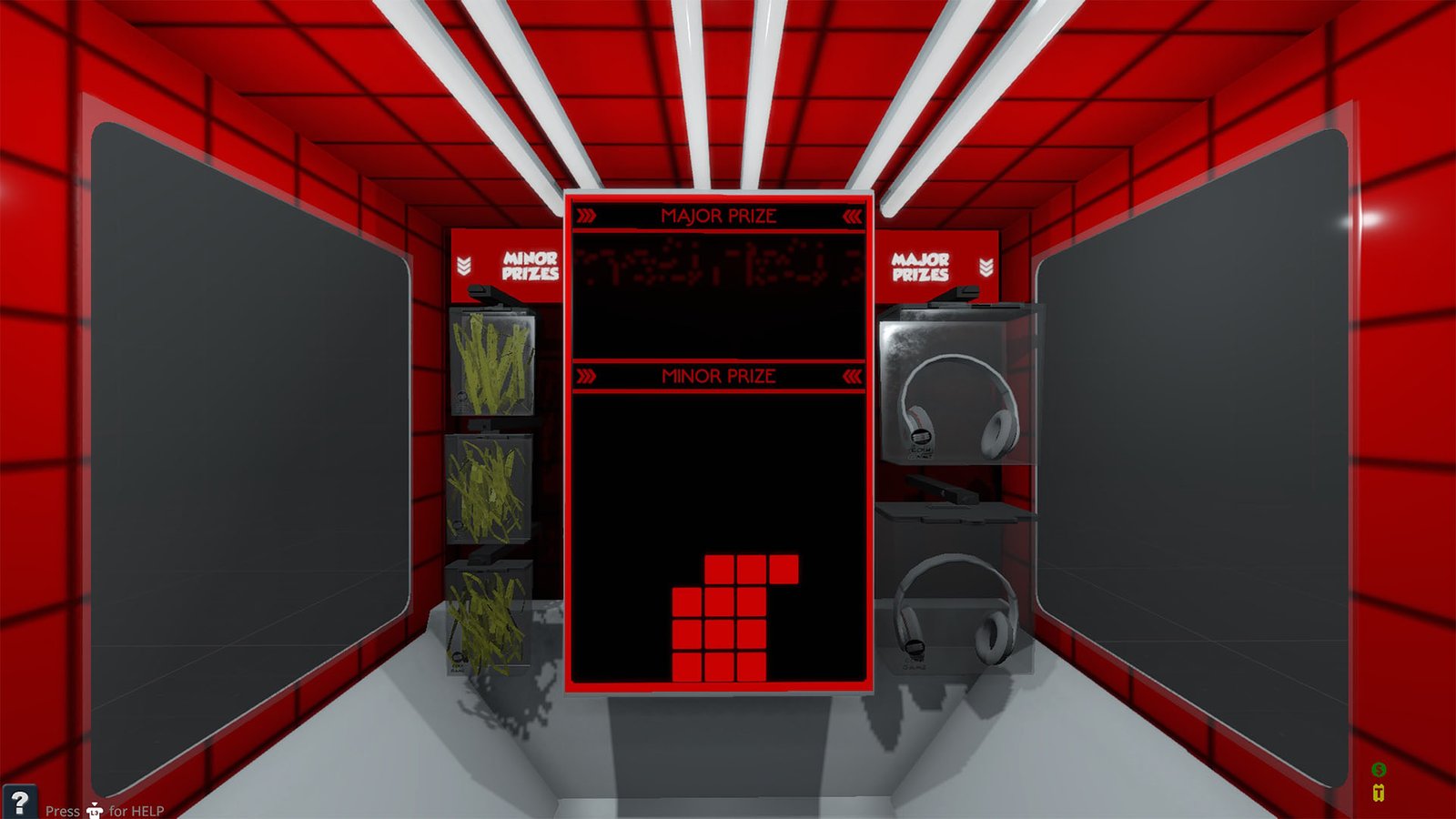
The tickets matter more because they cost something. The prizes feel more satisfying because they are tied to a routine of work, movement, and small decisions. Even when individual activities are simple, the broader rhythm around them gives the experience a pulse.
There is also something deeply amusing about how committed the game is to its own offbeat energy. The world feels a little uncanny, a little clumsy, and often deliberately odd. That strangeness is not always elegant, but it does help The Coin Game stand apart. It never feels like it was assembled from a checklist of simulator conventions. Instead, it feels like a personal obsession turned into something playable, and that sincerity carries it a long way.
Where The Magic Starts To Fray
The challenge is that nostalgia alone cannot smooth over every rough edge. The Coin Game is undeniably janky in ways that will test patience. Movement can feel awkward, interactions are not always as clean as they should be, and the presentation often leans more toward crude than charming. Some players will accept all of that as part of the game’s identity. Others will bounce off it almost immediately.
That divide is what makes this game so interesting to discuss. A more polished version of this concept could probably have reached much higher, but polish is not what defines the experience you are getting here. The Coin Game works because it feels handmade, slightly messy, and at times almost stubbornly specific in what it wants to evoke.
Unfortunately, that same quality also means it can feel inconsistent. Not every activity is equally engaging, and not every stretch of the game earns the same enthusiasm as those first few hours of discovery.
On console, the game’s design still carries its low-budget roots openly. There is an undeniable charm in that, but it also means the experience is never quite as smooth or as graceful as the premise deserves. You have to meet it halfway. If you do, something memorable awaits you. If you do not, the game can feel like a bundle of interesting ideas trapped inside a clumsy shell.
Click Or Miss
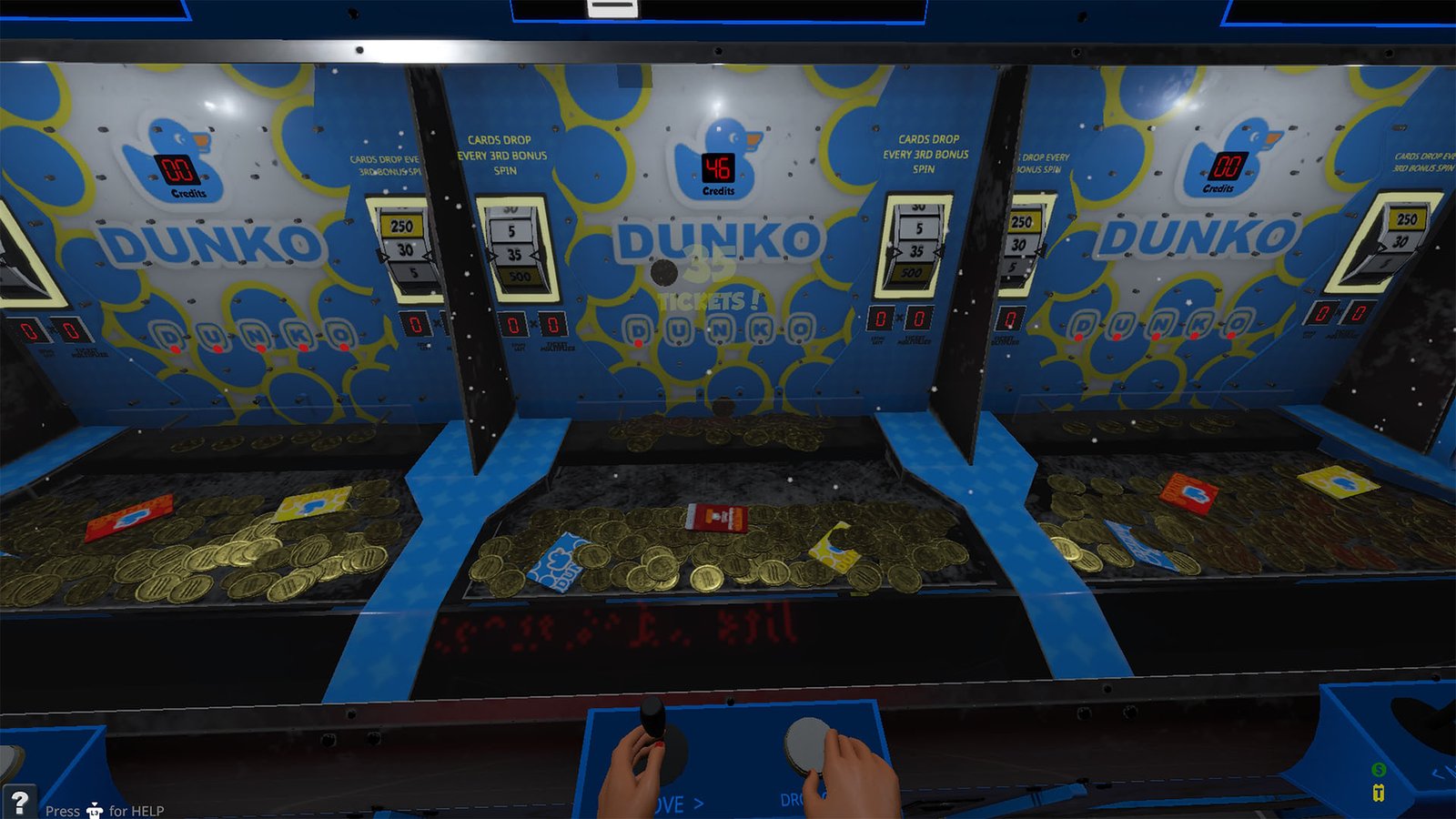
The Coin Game is at its best when it stops feeling like a novelty and becomes a place. That is where the nostalgia matters most. It is not merely using arcade aesthetics as decoration. It is trying to recreate a whole rhythm of behaviour that older players in particular may recognise instantly. The idle wandering, the fixation on tickets, the irrational attachment to cheap prizes, and the constant urge to try just one more machine all feel genuine.
If that old arcade charm resonates with you, the experience becomes a weirdly absorbing sandbox that understands something many bigger games do not. If it does not, what remains is a clunky, eccentric experience that may feel more like a curiosity than a keeper.
For the right player, though, there is real magic here. It is scrappy, awkward, and often rough around the edges, but it also captures a very particular kind of memory with surprising conviction. The Coin Game may not be smooth enough to win everyone over, but for those willing to lean into its peculiar nostalgia, it has more than enough tokens to keep the lights on.
The Coin Game is available now on PlayStation 5, Xbox Series X|S, and PC.
SavePoint Score
Summary
The Coin Game is a strange, scruffy, and surprisingly absorbing ode to the old arcade experience. Beneath its awkward movement and uneven presentation is a game that understands the ritual of chasing tickets, wasting pocket money, and convincing yourself one more round will make it all worth it. That nostalgic authenticity is exactly what makes it work, but it may also push some players away.
