

Table of Contents
Star Fox Is Back, Why Don’t I Care?
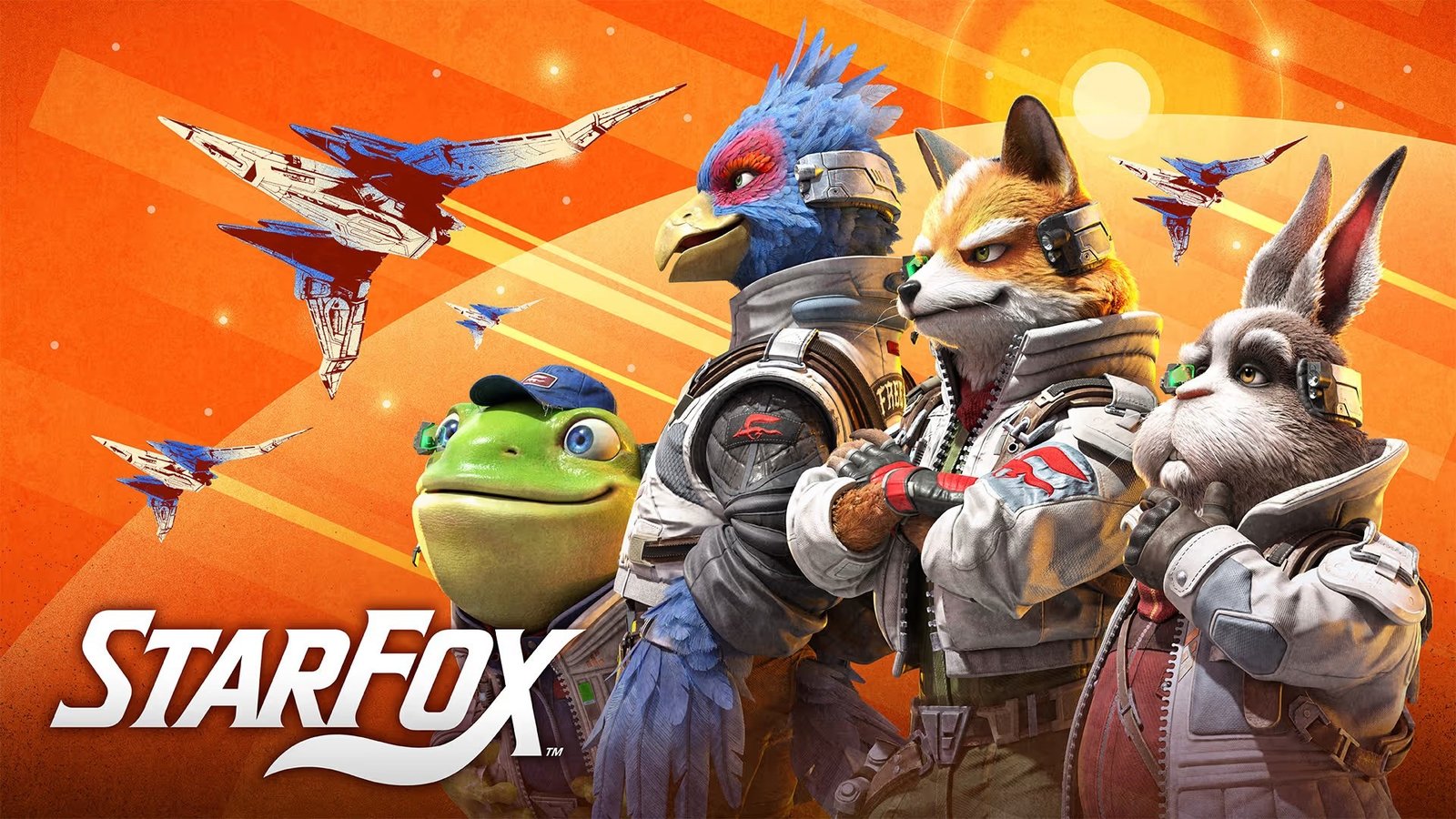
Nintendo has officially revealed Star Fox for the Switch 2, a full remake of Star Fox 64 launching on June 25. The game is being positioned as a cinematic reworking of the Nintendo 64 classic, with fully voiced dialogue, an orchestral soundtrack, and a complete visual overhaul, and it’s releasing in less than two months!
On paper, that should be easy to celebrate. The franchise has been dormant for years, and any meaningful return for Fox McCloud ought to feel like an event. Instead, the announcement lands with a strange sense of déjà vu. Once again, the Big N has gone back not to a new idea for the series, but to Star Fox 64. Once again, the franchise’s return is built around revisiting the same familiar foundation. And once again, the timing makes the move feel less like confidence and more like caution.
That is the real issue here. The problem is not that Star Fox 64 is being remade at all. It is that the repeated reliance on that game increasingly looks like a defensive nostalgia play whenever the company needs an easy reminder of one of its older successes. When that pattern keeps repeating, it becomes harder to see these remakes as simple celebrations of a classic, and they start to feel like symptoms.
The Impossible Legacy of Star Fox 64
Part of the problem is that Star Fox 64 is not just the most beloved game in the series. It is the only Star Fox game that has ever truly escaped argument.
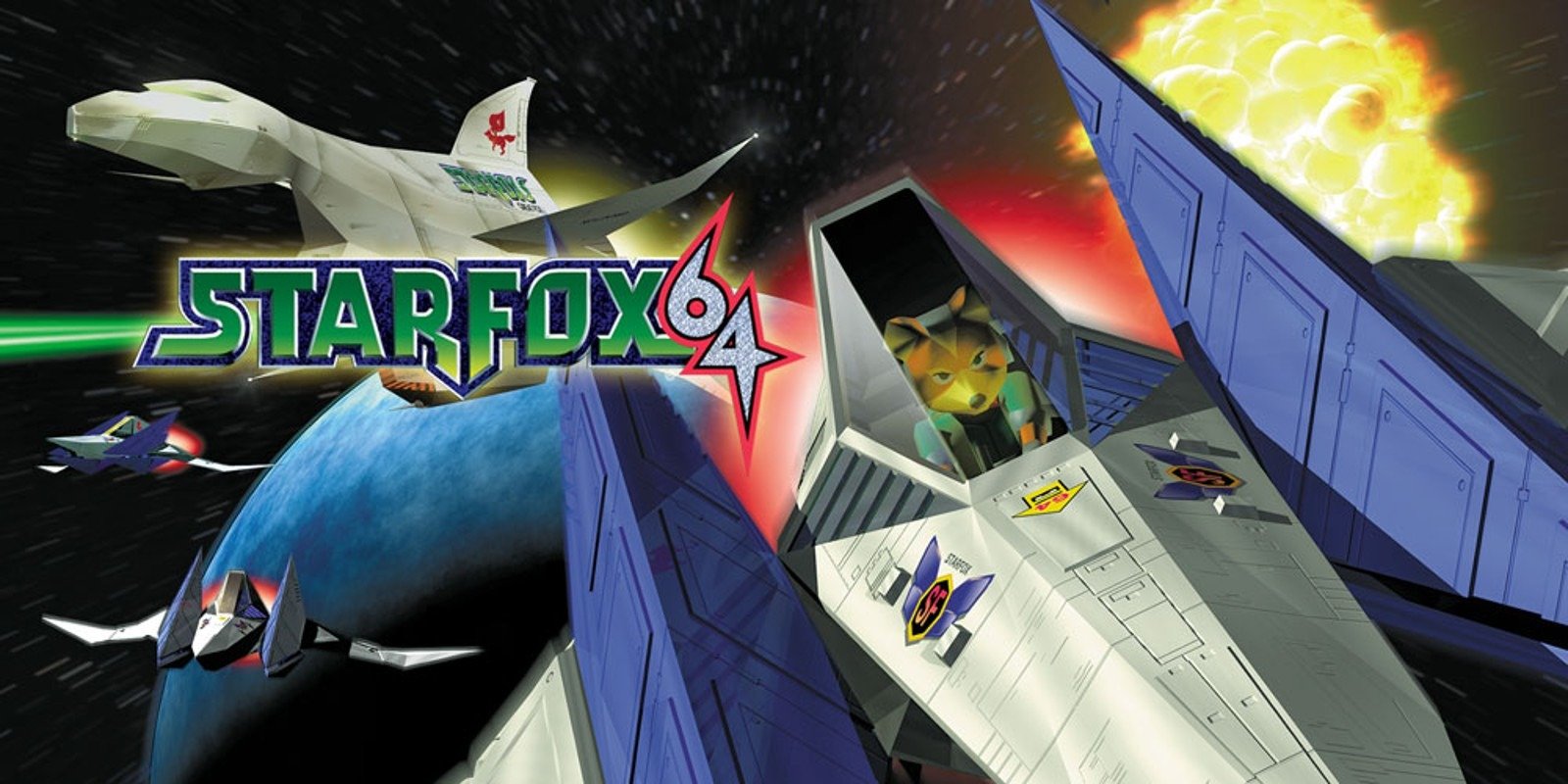
Most major Nintendo franchises have multiple viable candidates for their best entry. Fans can debate Mario, Zelda, or Pokémon endlessly without ever reaching a consensus, but the action‑shooter has never had that kind of internal competition. The series has spent decades circling the same high-water mark, with Star Fox 64 remaining the default answer whenever the conversation turns to what the franchise should be.
That is not hard to understand. The 1997 game combined brisk pacing, branching routes, memorable set pieces, tight controls, and replayability in a way the series has never comfortably surpassed. It sold roughly four million copies on the N64, making it one of the platform’s best-selling titles.
The trouble is that the company seems to have learned the safest possible lesson from that success. Rather than treat Star Fox 64 as a foundation to build from, it keeps treating it as the answer itself.
The Series Has Been Stuck Chasing Its Own Peak
That pattern did not emerge in a vacuum. The gaming giant has spent years trying to move Star Fox beyond 64, only to produce games that were either divisive, underwhelming, or too compromised to leave a lasting mark.
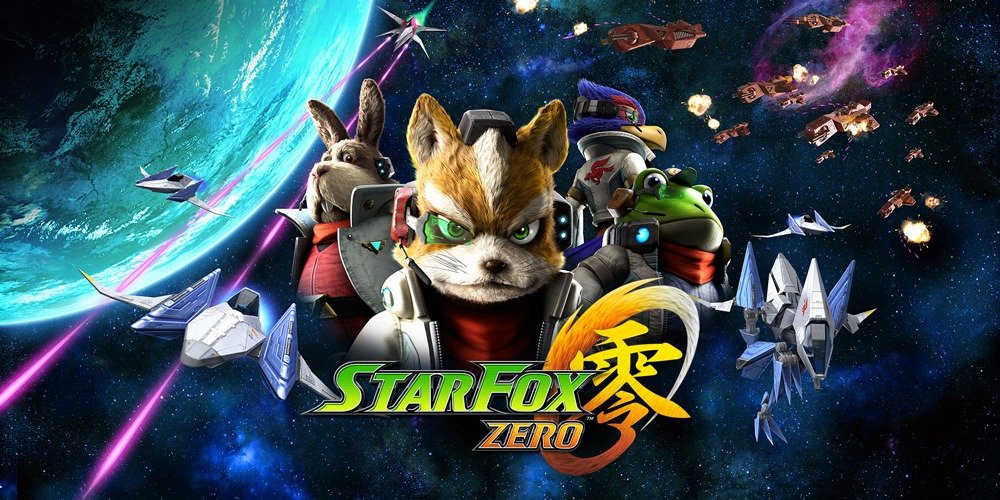
Star Fox Adventures took the series in a very different direction. Assault tried to modernise the action with on-foot combat and a more cinematic structure. Command leaned into branching outcomes and experimentation. None of them truly displaced Star Fox 64 in players’ minds. Each felt like another attempt to solve a problem the franchise never quite managed to escape.
That history helps explain why the same template is being repeated, but explanation is not the same as justification. There is a difference between understanding why a company falls back on its most universally loved entry and feeling convinced that doing so is creatively healthy for the franchise.
That is why this latest remake feels less exciting than it should. The issue is not revisiting a classic; it is that, for a series this small, revisiting the same classic again and again starts to feel like an admission that the company still has no better answer for what Star Fox should be now.
You Can’t Just Rely On Nostalgia
To be clear, remakes are not inherently bad. They can preserve important games, introduce them to younger audiences, and strengthen a platform’s line-up, and Nintendo has proved that before.
But remakes are rarely what define a hardware generation. New systems build momentum on the promise of new ideas, new tentpoles, and a sense that the future will look meaningfully different from the past. Remakes can support that vision, but they often struggle to stand in for it.
That tension was visible during the 3DS era. Star Fox 64 3D and The Legend of Zelda: Ocarina of Time 3D helped give the system recognisable software early on, but the 3DS still stumbled badly out of the gate, prompting a cut to the hardware price by $80 in 2011.
The point is not that Star Fox 64 3D caused those problems. It is that remaking beloved N64 games was not enough to create the kind of excitement a struggling platform actually needed. That distinction matters now, because the Switch 2 is showing signs of a more complicated second year than the Japanese giant would probably like.
Remaking Star Fox On Switch 2 Is A Bad Omen
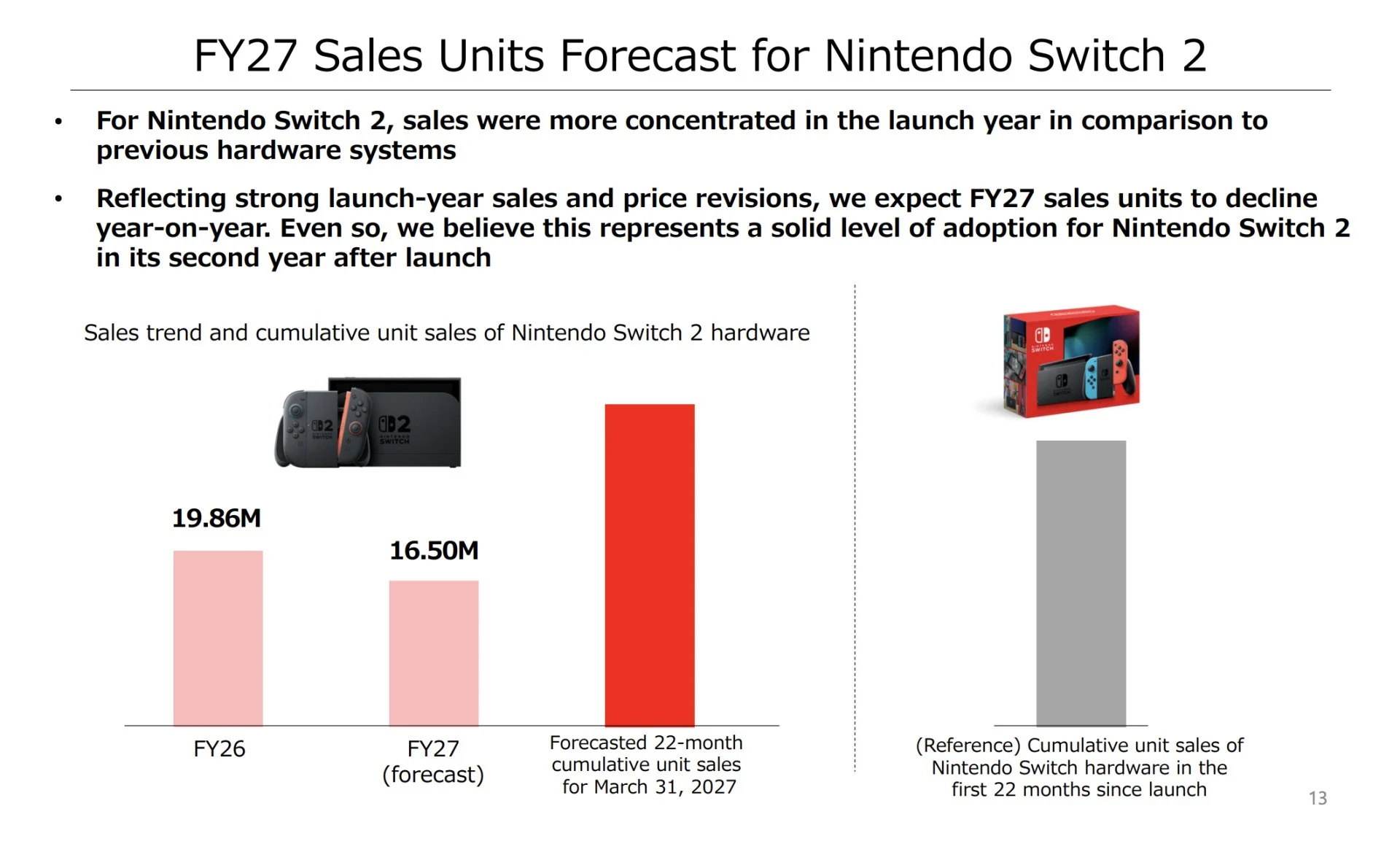
Nintendo confirmed last week that the Switch 2 price in the United States will rise from US$449.99 to US$499.99 on September 1. The company also forecast 16.5 million Switch 2 units for the fiscal year ending March 2027, down from 19.86 million in the previous fiscal year. Nintendo explicitly said the forecast reflects both strong launch-year concentration and the impact of the scheduled price revisions.
Those are not catastrophic numbers, and they still point to a successful platform, but they do create an awkward backdrop for a reveal like this. A new Star Fox should feel like a sign of creative momentum. Instead, because it is another remake arriving amid slowing forecasts and a major price increase, it risks feeling reactive.
That is where the optics become difficult. The company may well believe this remake can give the Switch 2 a dependable mid-year release and revive one of its dormant brands at the same time, which is a perfectly rational business move. The trouble is that, from the outside, it can also look like reaching for a safe nostalgia button at a moment when players may be looking for clearer evidence of what the system’s next big original wave actually is.
Feeling Smaller Than It Should
There is a version of this reveal that could have felt energising. A brand-new Star Fox built specifically for Switch 2, with fresh ideas and a clear sense of forward motion, would have signalled real confidence. Even a more radical reinvention might have carried the kind of risk that makes a dormant franchise feel alive again.
Instead, Nintendo has chosen the most recognisable route possible. The familiarity may help the game sell, but it also puts a ceiling on the excitement. The conversation shifts quickly from “Fox McCloud is back” to “why are we doing Star Fox 64 again?”
That question is damaging precisely because it does not come from hostility to the series; it comes from disappointment. Players are not rejecting Star Fox as a concept, but they are reacting to the sense that the company still seems more comfortable curating the franchise’s past than imagining its future.
Nintendo Still Hasn’t Learned Its Lesson
That is what makes this remake feel like more than a simple software announcement. It is not just a game. It reflects how Nintendo is choosing to deploy one of its legacy franchises at a moment when reassurance may be more important to the company than reinvention.
That may still work commercially. The remake will likely find an audience, especially with its updated presentation, online multiplayer, and broader accessibility. However, the larger creative question remains unanswered. If every significant return keeps orbiting the series’ peak, the franchise isn’t really moving forward.
And that is why this announcement feels more deflating than triumphant, because a long-dormant series should come back with a stronger sense of purpose than this. The Japanese giant keeps returning to the same safe answer, and each return makes it harder to believe the company knows what the next big and real adventure should be.
When a franchise resurfaces after years away, players want to feel like they are being shown a future worth caring about. Another trip through Star Fox 64 risks suggesting the opposite.
