

Table of Contents
A Recorder Built Around The Conversation
There is a quiet confidence to the Plaud Note Pro that becomes clear once it is used for something more meaningful than a quick voice memo. It is small, slim, and purpose-built, but the real appeal lies not in its audio recording capabilities. The appeal is that it lets the person using it step away from the mechanics of recording and return to the actual conversation.
For interviews, that matters. A phone can record audio, but it can also be a distraction. Notifications, battery anxiety, app switching, awkward placement, and the constant question of whether it is still recording all add tiny layers of friction. The Plaud Note Pro removes much of that from the process. It sits on a table, attaches magnetically to a phone, or slips into a workflow without feeling like another screen demanding attention.
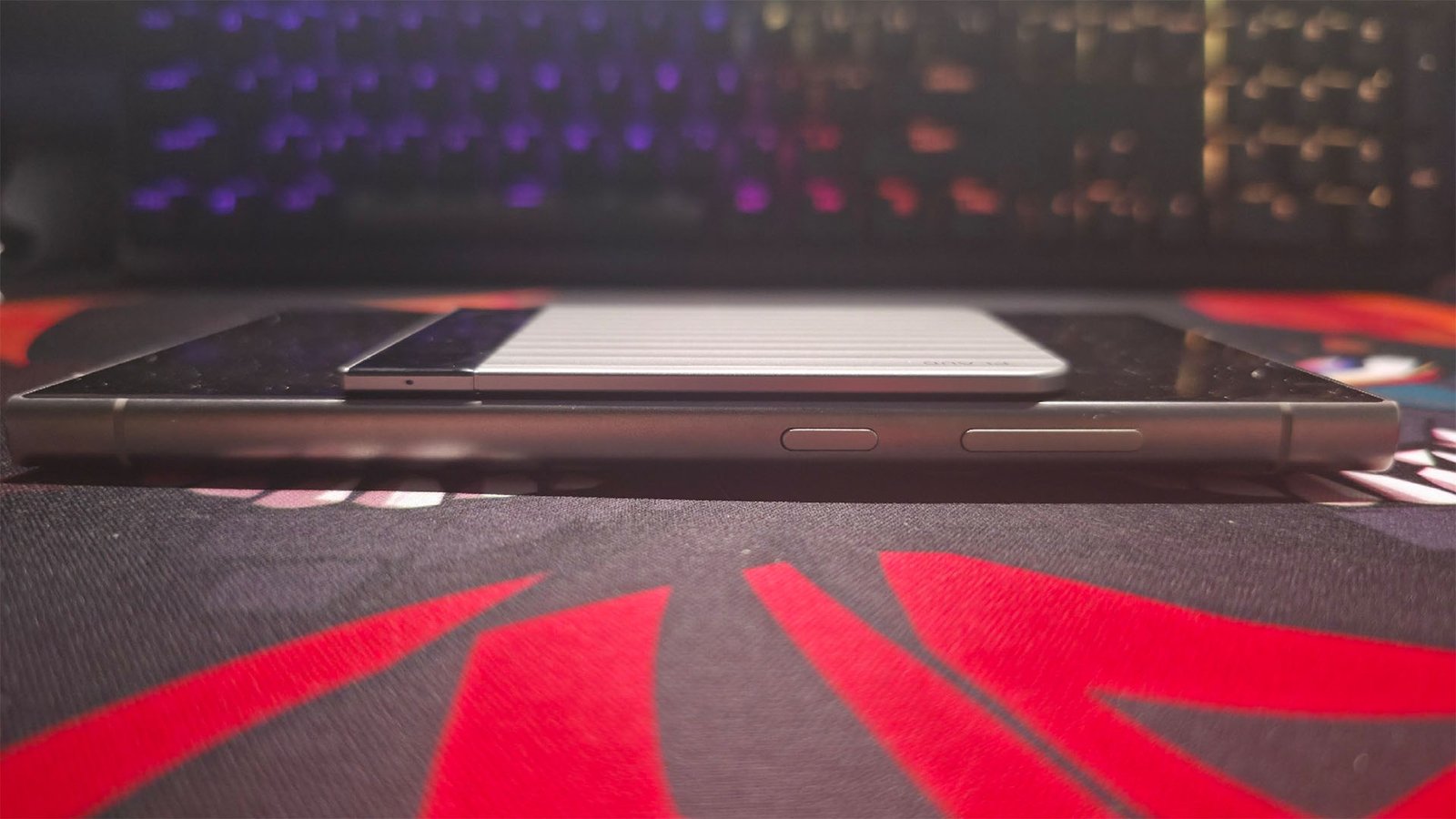
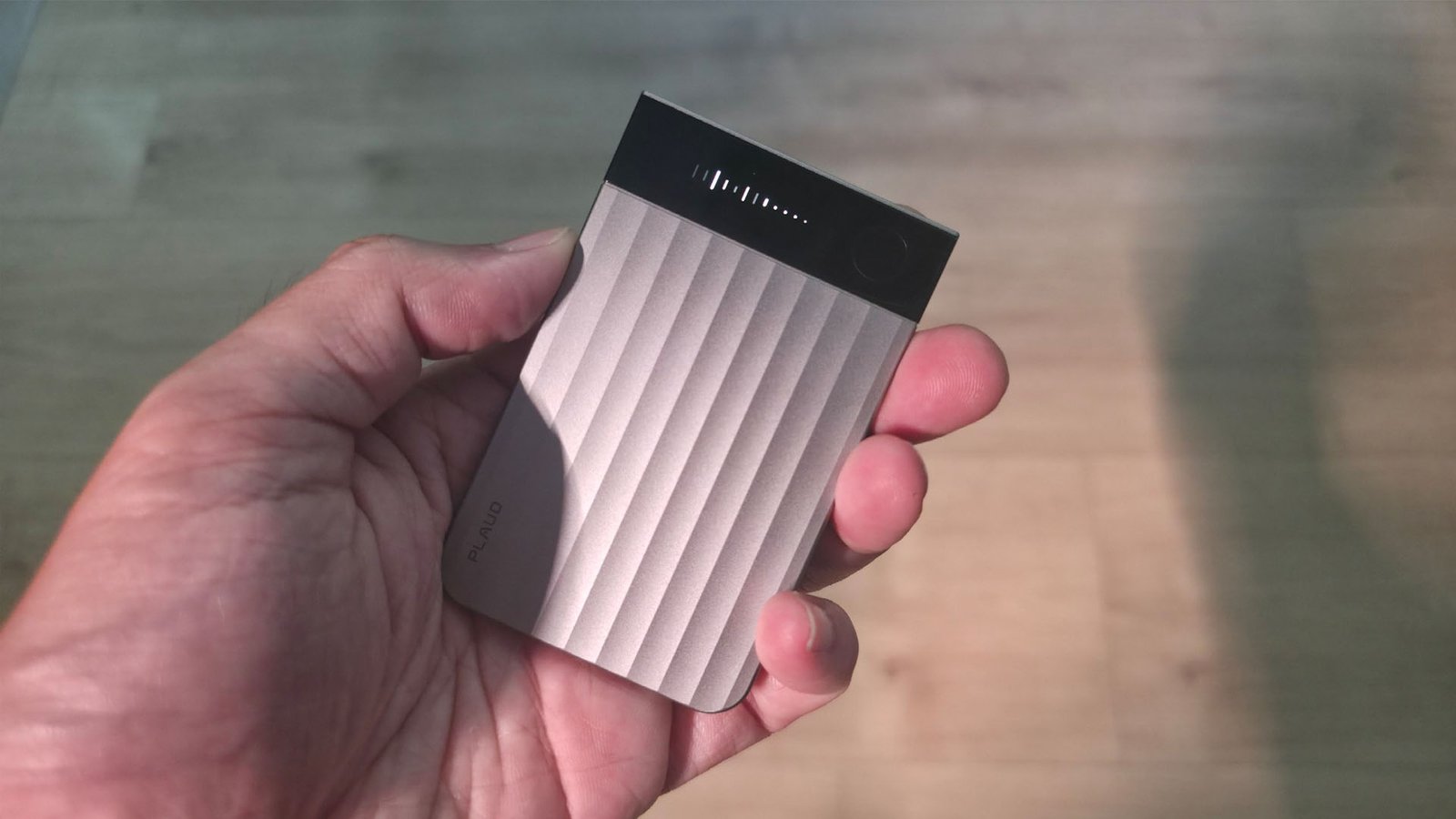
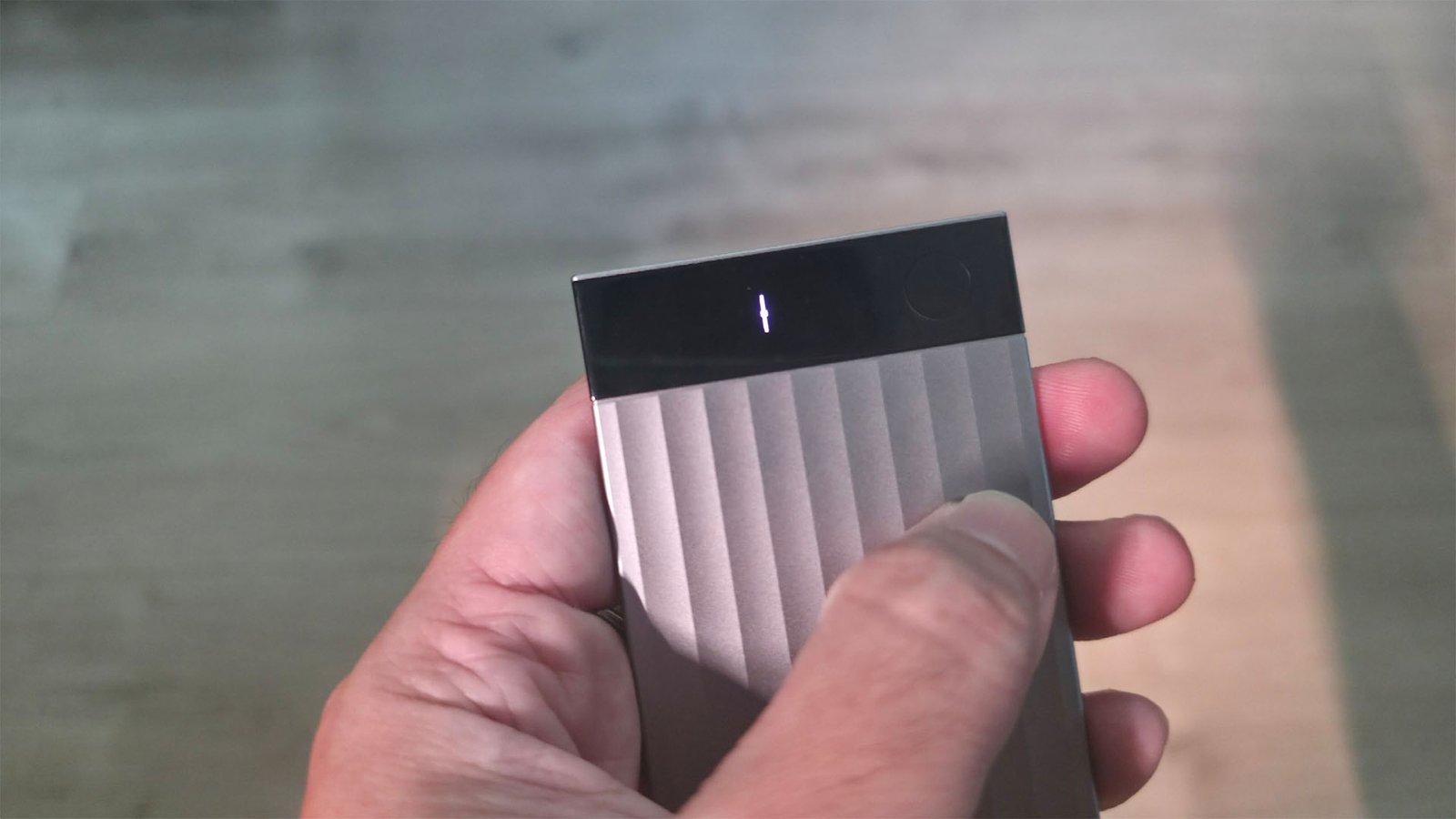
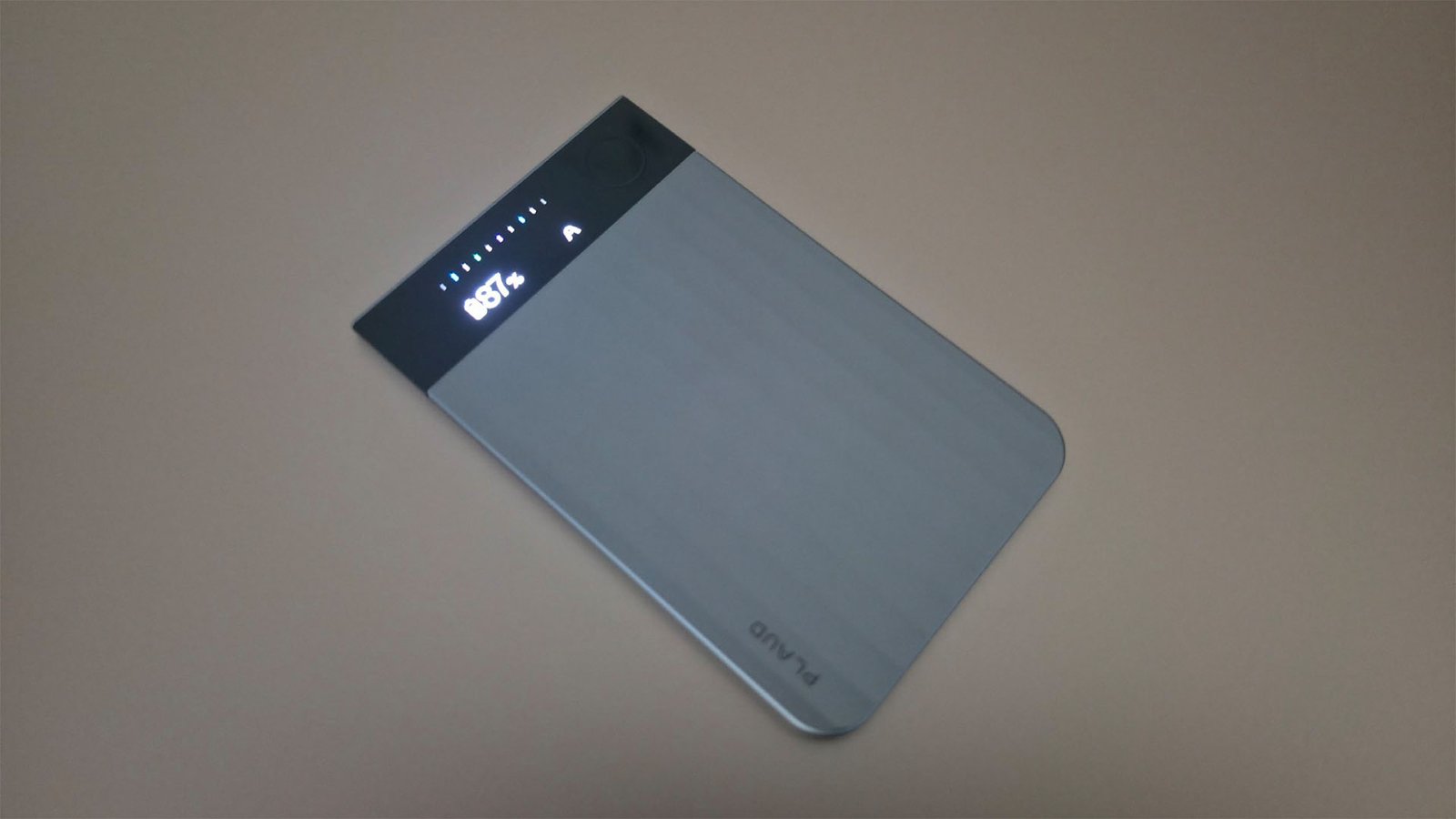
The hardware supports that sense of calm. At 2.99mm thin and 30g, with 64GB of storage, 30 hours of recording, and 60 days of standby, it feels designed for people who need reliability without bulk. Its InstantView Display is not there to turn the device into a miniature smartphone. It simply gives enough information to reassure you that the recording is active, the mode is correct, and the device is ready.
The Plaud Note Pro does not feel like a gadget trying to impress for a few minutes before becoming another item in a drawer. It feels like a work tool, and for interview-led workflows like ours, that distinction is important.
Where The Plaud Note Pro Earns Its Place
The Plaud Note Pro is at its best when the conversation has value beyond the moment itself. That is why it makes so much sense for interviews. Whether speaking to developers, creatives, executives, founders, or campaign leads, the challenge is rarely just capturing what was said. The challenge is returning to that material later and turning it into something accurate, readable, and useful.
This is where the device starts to separate itself from a standard recorder. The four-microphone system, 5-metre pickup range, speaker labelling, and support for transcription across 112 languages give it the technical foundation it needs. As I put it through its paces, the accuracy and clarity achieved were extremely helpful, ensuring that I never missed anything valuable or noteworthy.
More importantly, the experience feels built around the idea that an interview does not end when the recording stops. It continues through transcription, review, selection, quotation, summary, and eventually writing.
The press-to-highlight feature is particularly useful. During an interview, there are always moments that feel important immediately. A strong quote, a useful explanation, a surprising detail, or a clearer framing of the subject, being able to mark that moment without breaking the flow, changes how you listen. Instead of rushing to type notes or mentally bookmarking a section, you press once and stay present.
That presence is the Plaud Note Pro’s strongest argument. It helps the interviewer listen better by taking some of the mechanical pressure off. It does not replace judgment, follow-up questions, editorial sense, or quote checking, but it does make the raw material much easier to return to. For anyone producing features, interviews, previews, case studies, or long-form written content, that time saving is not abstract. It directly affects the quality and speed of the work.
Meetings Are Useful, But Interviews Are The Real Strength
The Plaud Note Pro is also useful in meetings, though its value depends more on frequency. For regular team discussions, planning calls, stakeholder conversations, or campaign briefings, it can produce summaries, action points, structured notes, and searchable records that save time after the meeting ends.
For occasional meetings, the case is a little less urgent. Many users may already have built-in meeting transcription in their usual software stack, especially for online meetings. In those cases, the Plaud Note Pro is less about replacing existing tools and more about adding consistency across in-person and call-based conversations.
Where it still helps is in messy real-world contexts. Not every useful discussion happens neatly inside a scheduled video call. Some meetings happen around tables, at events, in noisy spaces, or across informal catch-ups where no one has prepared a transcription system in advance. In those situations, having a dedicated recorder that can be quickly ready can be a major advantage.
Still, the product feels more essential for interview work than for occasional meetings. Meetings benefit from it. Interviews justify it. That distinction gives the Plaud Note Pro a clearer identity, because its best use case is not generic productivity. Its best use case is preserving valuable conversations with enough clarity and structure to make them easier to use later.
The Subscription Question Is Hard To Ignore
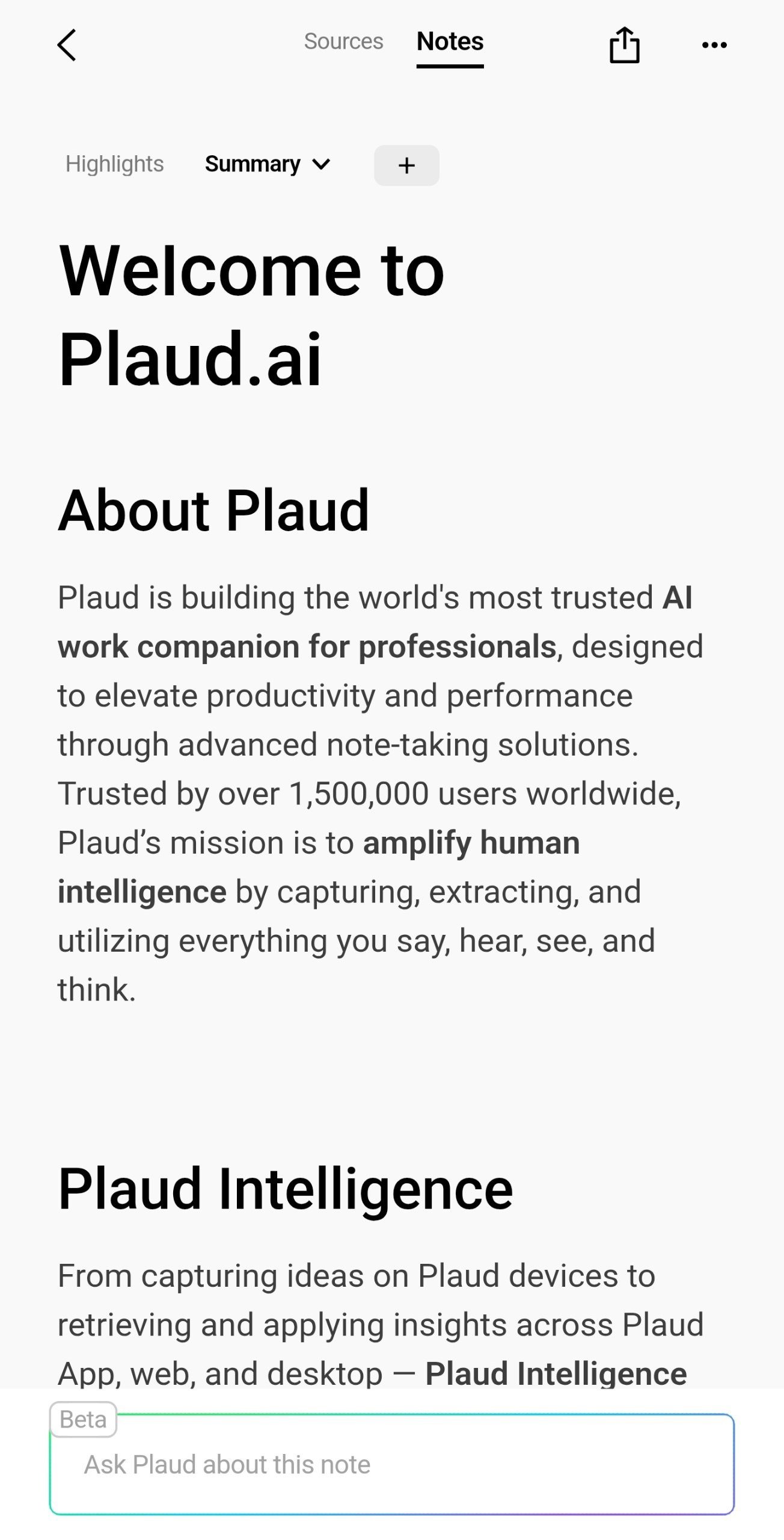
The main caveat is not the hardware. It is the ongoing cost of the intelligence around it. The Plaud Note Pro includes a free starter plan with 300 transcription minutes per month, which may be enough for lighter use. For regular interview work, however, those minutes can disappear quickly.
That makes the device feel less like a one-time recorder purchase and more like an entry into a broader AI note-taking ecosystem. That is not automatically a problem. Transcription, speaker recognition, summaries, templates, mind maps, and workflow tools require ongoing cloud processing, and for professional use, those tools can easily justify the cost.
The question is whether the user’s workflow is serious enough to benefit from that ongoing layer. For someone recording one short meeting every few weeks, it may feel excessive. For someone frequently handling interviews, briefings, client calls, or content research, the subscription becomes easier to understand because the saved time compounds.
There is also a trust element here. A device like this is built around conversations, and conversations can be sensitive. Plaud highlights compliance and security standards, including ISO 27001, ISO 27701, GDPR, SOC 2, HIPAA, and EN 18031, which help position the Note Pro as more than a casual consumer recorder. Even so, professional users should still think carefully about consent, disclosure, storage, and internal policy before recording interviews or meetings.
A Brilliant Tool For Interview-Heavy Workflows
The Plaud Note Pro works because it understands that recording is only the beginning. A weaker version of this product would have been content with capturing audio and offering a transcript. This version goes further by helping the user move from conversation to structure, from structure to review, and from review to something that can actually be written, shared, or acted on.
For interview recording and transcription, it is easy to see the appeal. It is discreet without feeling flimsy, smart without becoming overcomplicated, and focused without trying to replace every productivity tool in a workflow. The highlight button alone becomes one of those features that sounds minor until it becomes part of the way you work.
It is not a universal essential. Some users will be perfectly served by a phone recorder and occasional manual notes. Others may find the subscription model hard to justify if they only record a few short conversations a month. But for those who regularly need to capture interviews, revisit key moments, organise transcripts, and turn spoken material into polished output, the Plaud Note Pro feels genuinely valuable.
The strongest compliment is that it lets the recording fade into the background. Once that happens, the conversation comes to the forefront. For an interview tool, that is exactly where the focus should be.
The Plaud Note Pro is available now at S$259.
SavePoint Score
Summary
The Plaud Note Pro shines when conversations matter. Its slim build, reliable capture, highlight feature, and AI transcription tools make interviews easier to manage, while its subscription model remains the main consideration for regular use.
