

Table of Contents
The Adventures of Elliot: The Millennium Tales on PS5 Pro
HD-2D has become one of Square Enix’s most recognisable visual signatures, but it has largely remained associated with games built around turn-based battles, extensive party management, and distinctly traditional role-playing structures. The Adventures of Elliot: The Millennium Tales represents a considerable departure, trading command menus and ensemble casts for immediate action, dungeon exploration and a single hero armed with an expanding collection of tools.
Its influences are hardly difficult to identify. The overhead perspective, interconnected world, item-driven progression and fairy companion naturally invite comparisons with classic The Legend of Zelda adventures. Its pixelated fantasy world and broader role-playing sensibilities also carry traces of the Mana series and Square Enix’s extensive back catalogue.
Yet The Adventures of Elliot: The Millennium Tales gradually proves that it has more to offer than a familiar structure dressed up with HD-2D lighting. Its identity emerges through flexible combat, a commitment to exploring a single continent across several historical periods, and satisfying mechanics that encourage players to revisit familiar locations.
The result is an adventure that rarely reinvents the genre but understands exactly why these foundations remain appealing. It is confidently designed, consistently rewarding, and refreshingly focused, even when its storytelling cannot quite match the strength of the journey it supports.
A New Direction for HD-2D
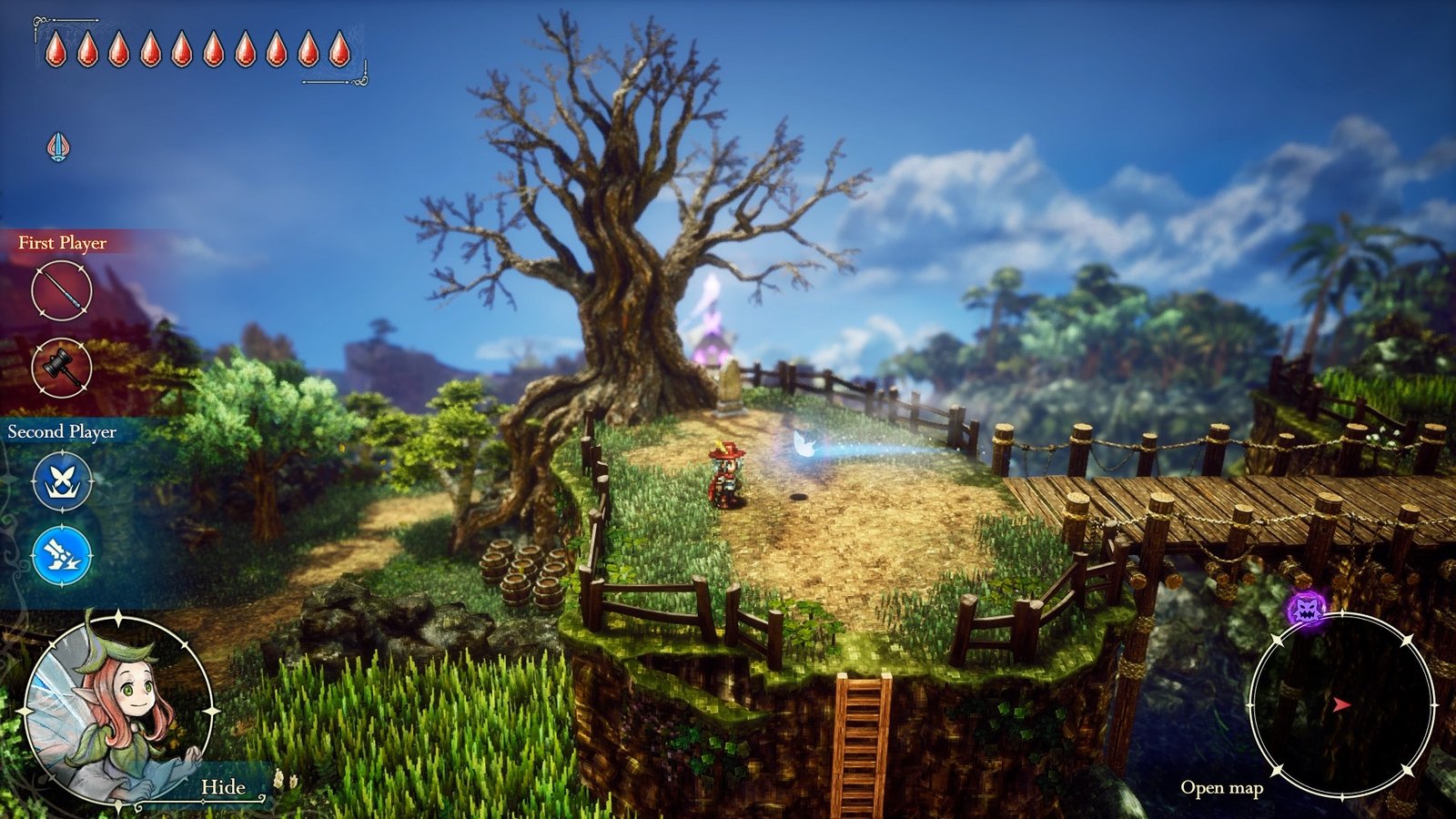
The Kingdom of Huther in The Adventures of Elliot: The Millennium Tales stands as humanity’s remaining sanctuary on the monster-infested continent of Philabieldia, protected by a magical spell maintained by Princess Heuria. Elliot is among the adventurers willing to travel beyond its borders, venturing into territory that ordinary citizens cannot safely enter.
What begins as a relatively straightforward expedition soon leads Elliot towards a mysterious doorway that can connect different points in history. Alongside the fairy Faie, he becomes involved in a conflict unfolding across four distinct ages, uncovering how Philabieldia changed and what ultimately pushed its inhabitants towards their precarious present.
It is an effective premise for The Adventures of Elliot: The Millennium Tales, especially because time travel isn’t reserved for cutscenes or occasional narrative reveals. Players can explore entire regions across different periods, seeing flourishing settlements before their collapse, ruins before they became ruins, and communities shaped by decisions made generations earlier.
The central storyline remains considerably more traditional. Elliot is earnest, dependable and easy to support, but he rarely develops beyond the familiar image of a naturally heroic adventurer. Princesses, ancient dangers and civilisation-threatening forces all occupy expected positions within the narrative, while several developments are telegraphed well before their eventual reveal.
Nevertheless, The Adventures of Elliot: The Millennium Tales has an appealing sincerity. It is an optimistic story interested in how knowledge, memories and ideals survive across generations. That emotional foundation gives the journey warmth even when individual conversations become predictable or overly explanatory. More importantly, the concept comes through exploration rather than being left entirely to the script. Understanding Philabieldia means walking through its history, recognising landmarks and discovering how seemingly minor stories reverberate through time.
Seven Weapons, Plenty of Possibilities
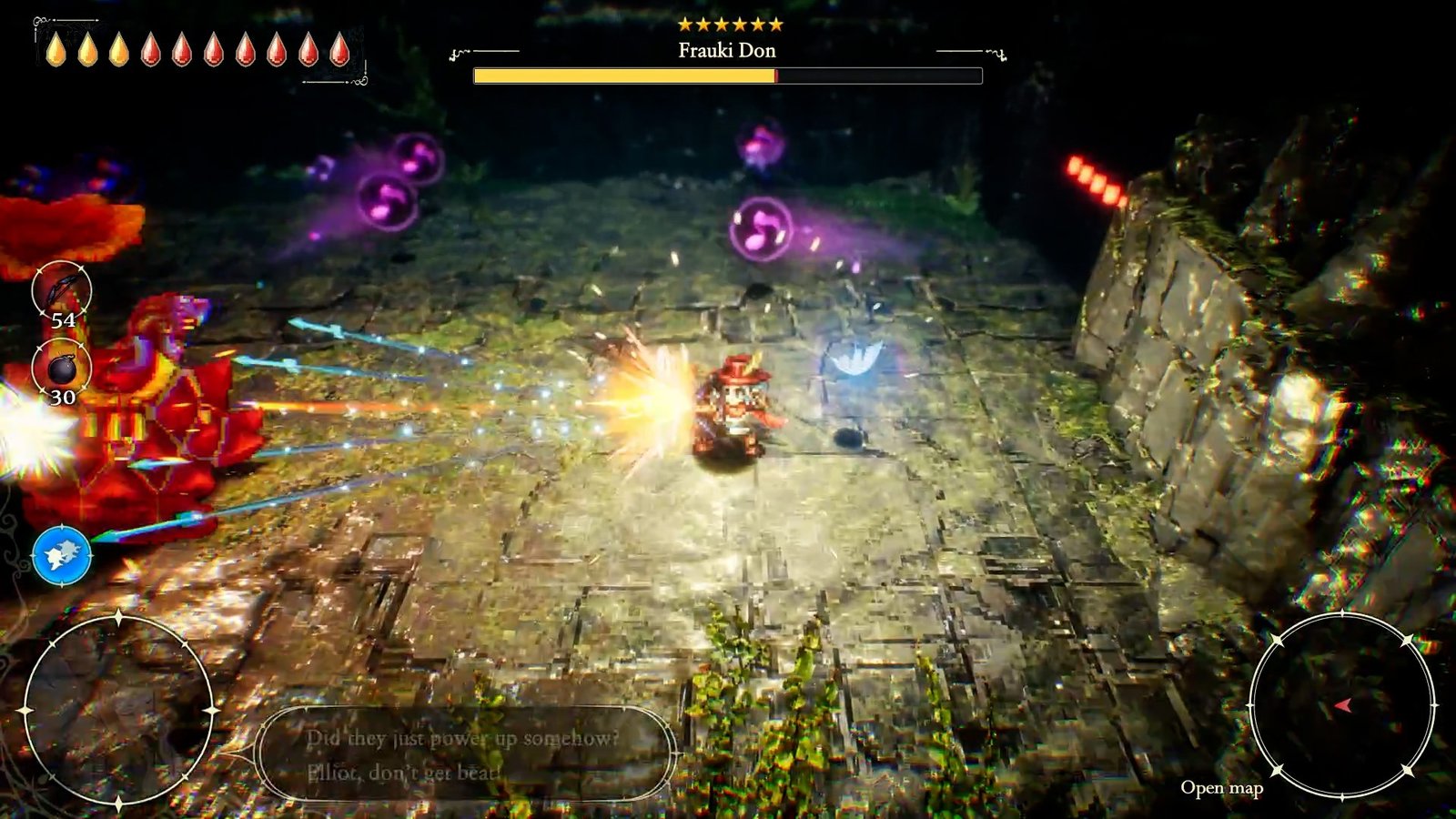
Combat best demonstrates how successfully the development team has adapted its established aesthetic to a different genre. Battles are fast, responsive and immediately satisfying in The Adventures of Elliot: The Millennium Tales, with our hero able to dodge, defend, parry and rapidly switch between equipped weapons.
Seven weapon categories become available throughout the journey. Swords provide a dependable starting point, while bows, bombs, hammers and the chain-and-sickle create different tactical possibilities. Each weapon is more than a way to deal damage, as many also interact with the environment or solve obstacles.
The hammer delivers slow but forceful blows and lets you manipulate heavy objects. The bow offers a safer way to pressure distant targets, and bombs can expose hidden routes or control enemy groups. The chain-and-sickle provides greater reach and mobility, rewarding players who prefer to manage space rather than remain directly beside an opponent.
Equipping two weapons for immediate use keeps encounters in The Adventures of Elliot: The Millennium Tales fluid. Changing equipment remains an option, but most battles do not require players to pause repeatedly or navigate cluttered menus. The system encourages preparation without compromising action momentum.
Magicite adds further flexibility by providing weapon-specific modifiers and bonuses. These can reinforce a preferred attack, improve utility or support a more specialised approach to combat. Searching for stronger weapons and useful Magicite makes optional exploration valuable, particularly when the resulting combinations can meaningfully alter Elliot’s effectiveness.
The randomised element involved in acquiring certain Magicite bonuses is less elegant. Building towards a particular setup can depend on repeated attempts rather than a clearly directed upgrade path. It doesn’t overwhelm the wider progression system, but it occasionally adds unnecessary friction to an otherwise straightforward approach to customisation.
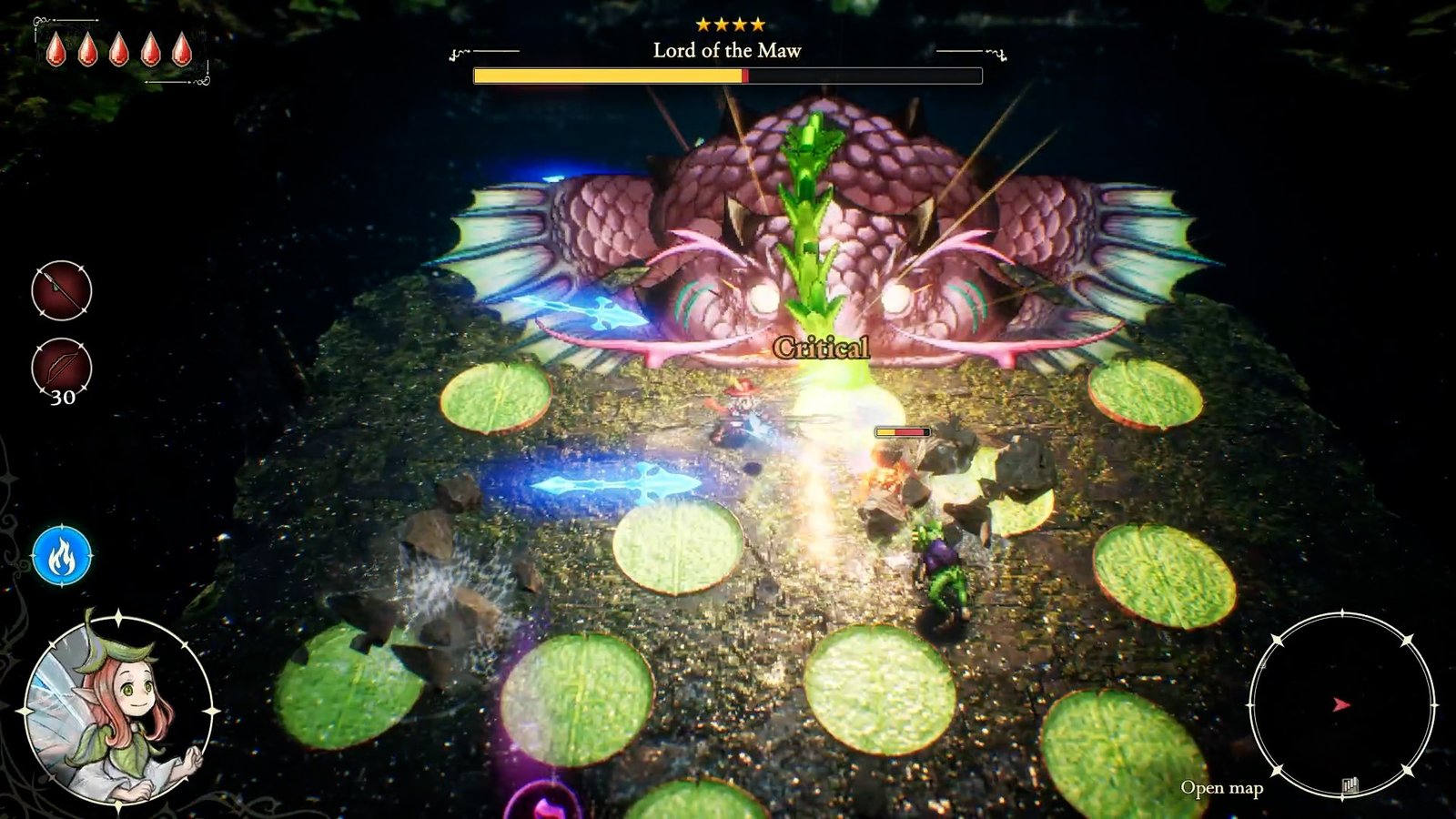
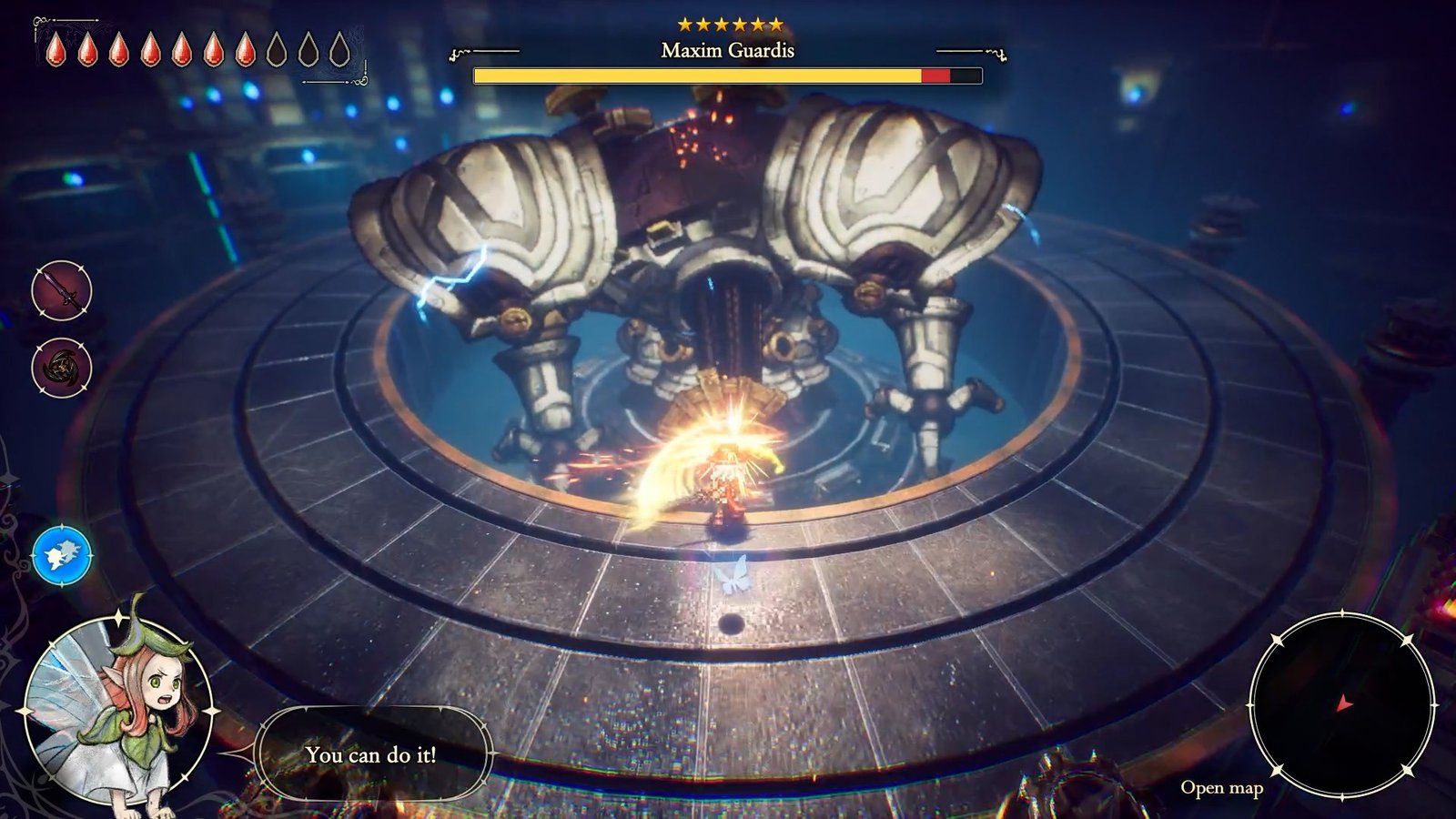
Boss encounters in The Adventures of Elliot: The Millennium Tales benefit most from the combat’s strengths. Larger enemies demand sharper positioning, well-timed defensive actions and an understanding of when to commit to an attack. Their elaborate pixel designs also stay readable during hectic exchanges, letting spectacle and mechanical clarity coexist.
The difficulty is generally welcoming, but the game provides enough resistance to prevent every encounter from becoming mindless. Faie can resurrect Elliot in exchange for an escalating amount of currency, creating a useful safety net without completely removing the consequences of repeated mistakes.
Four Ages, One Rewarding World
Philabieldia initially appears smaller than the sprawling maps associated with modern role-playing games, but its density quickly becomes one of The Adventures of Elliot: The Millennium Tales‘ greatest strengths. Mountains, forests, caves and settlements are packed closely together, ensuring that travelling towards a main objective regularly produces worthwhile distractions.
Newly acquired weapons and abilities gradually expose additional routes. A suspicious wall may eventually yield to explosives, while a seemingly inaccessible ledge can become reachable once Elliot and Faie gain the correct movement options. Returning to earlier areas rarely feels like empty backtracking because there is usually something tangible waiting behind the newly opened path.
The four historical periods of The Adventures of Elliot: The Millennium Tales expand that structure without requiring four entirely separate maps. Familiar geography remains recognisable, but civilisation, technology and environmental conditions shift around it. A thriving community in one age may become an abandoned shell in another, while undeveloped land can eventually support a major settlement.
This reuse is purposeful rather than merely economical. Learning the shape of the world makes its transformations more meaningful, turning geography into storytelling. The most compelling discoveries are often not completely new locations but new contexts for places that players already understand.
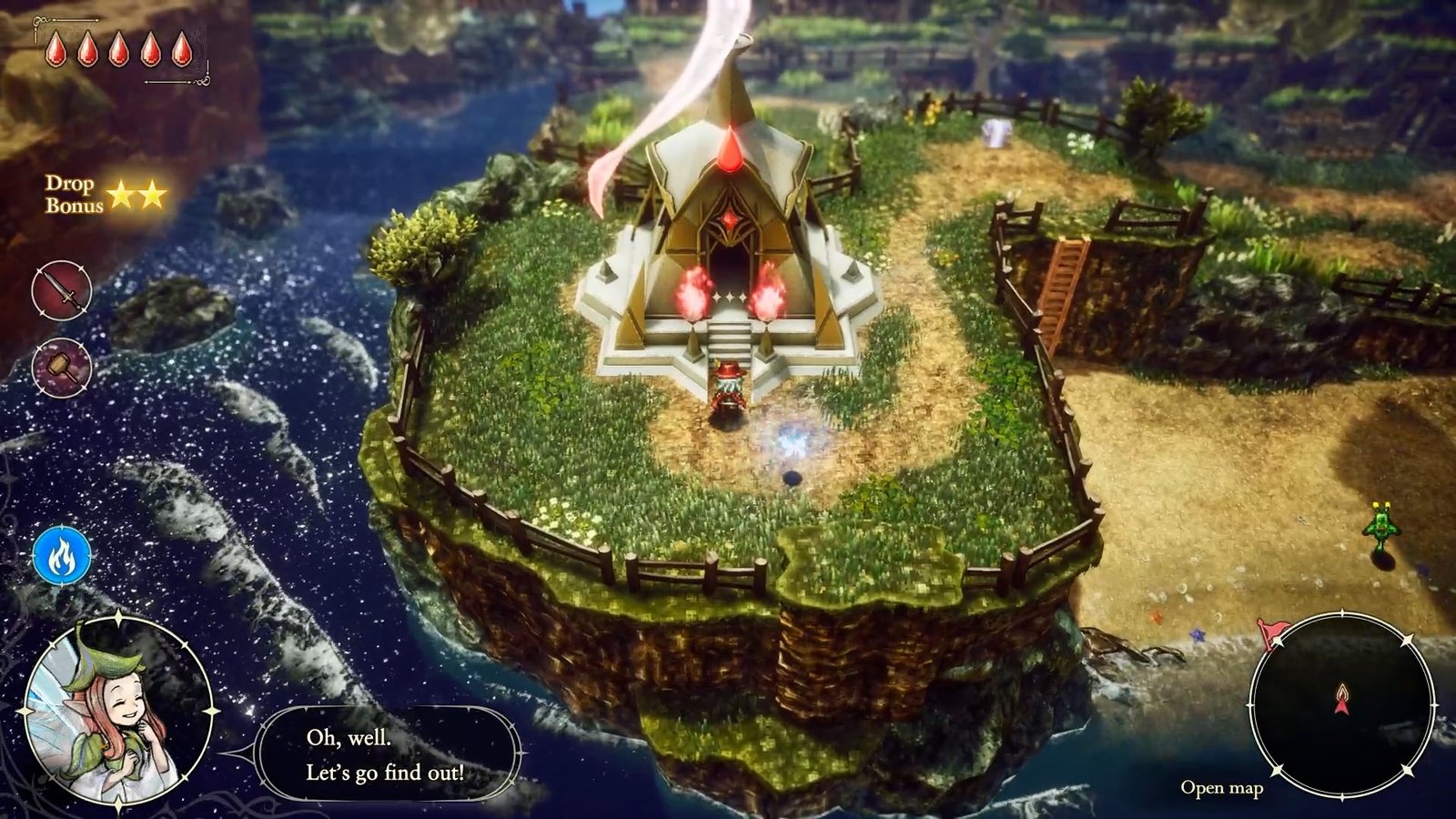
Side quests in The Adventures of Elliot: The Millennium Tales use this structure particularly effectively. Some involve tracing individuals, objects or traditions across generations, giving otherwise minor characters a greater emotional presence. These stories frequently communicate the game’s themes of remembrance and legacy more effectively than the central conflict.
Exploration is also supported by sensible conveniences. Adventuring guideposts function as save and fast-travel locations, reducing the time required to revisit previously discovered areas. Optional bosses, hidden equipment and collectible cats provide additional reasons to examine corners that the primary route does not require.
Dungeons are visually attractive and generally well-paced in The Adventures of Elliot: The Millennium Tales, but their puzzles do not consistently match the creativity of the wider world. Many challenges introduce an idea only to provide an obvious solution moments later. Faie’s abilities occasionally allow for clever experimentation, yet the game rarely pushes those mechanics into genuinely demanding territory.
This accessibility keeps progression from stalling, but it also means dungeons can lack the distinctive puzzle identities of the genre’s strongest examples. The combat encounters within them frequently leave a more lasting impression than the environmental problems surrounding them.
A Fairy With Too Much to Say
Faie is central to both combat and traversal in The Adventures of Elliot: The Millennium Tales. Her magical abilities can distract enemies, replicate Elliot’s attacks, or create new ways to cross gaps and bypass obstacles. Directing her independently adds another layer to encounters, particularly when her position can be combined with Elliot’s movement and weapon attacks.
These systems can get busy, especially when the player is managing Elliot, Faie, and multiple enemies at once. Once understood, however, the freedom produces rewarding moments that feel less rigid than conventional companion commands. Some obstacles can even be approached in ways that appear to bend the intended solution without breaking the game.
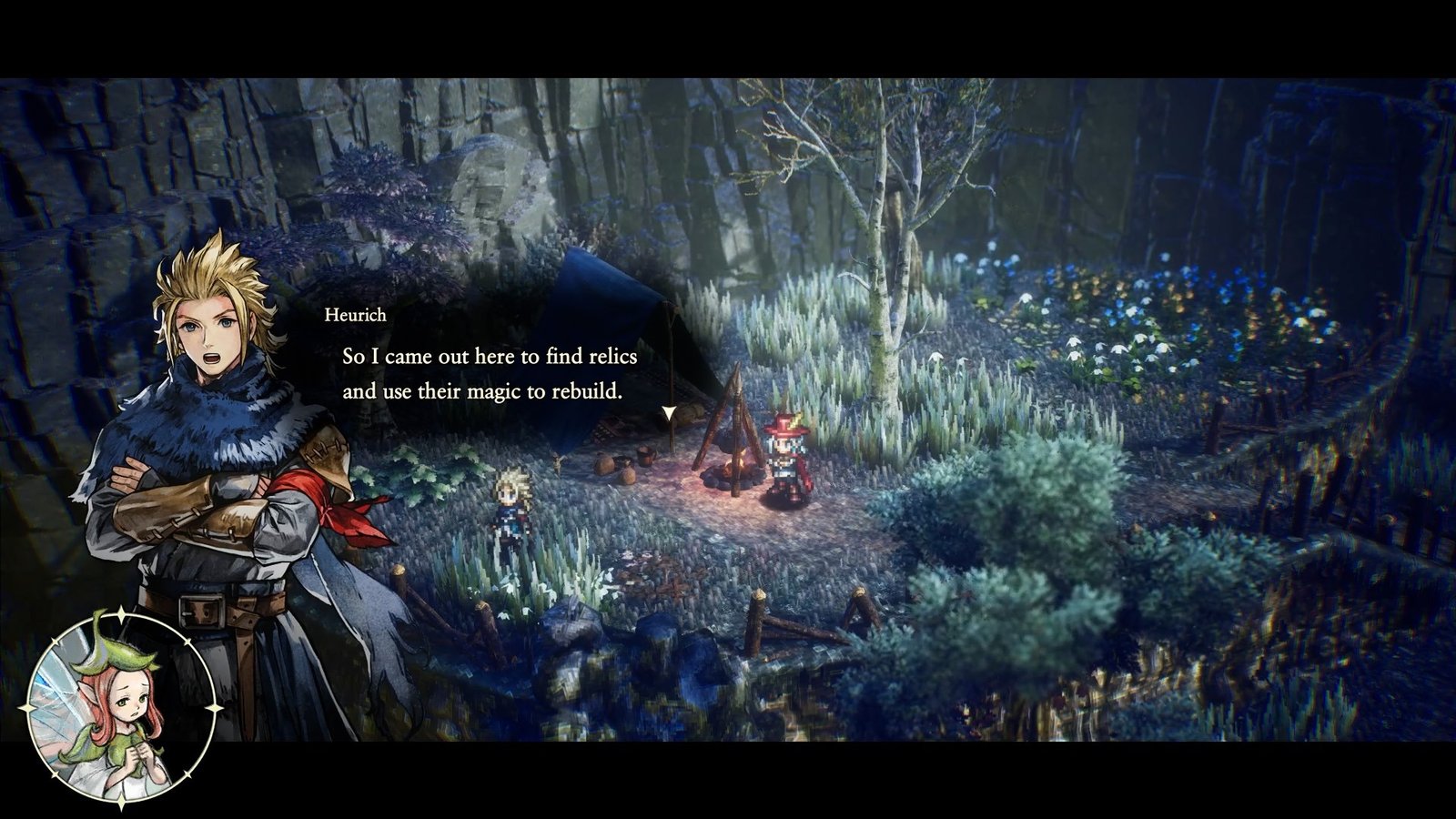
Faie is considerably less restrained as a character in The Adventures of Elliot: The Millennium Tales. Her enthusiasm is initially endearing, but frequent comments about enemies, items and obvious environmental details can interrupt the natural rhythm of exploration. She doesn’t just participate in conversations; she regularly occupies space that would be better left silent.
Reducing her chattiness through the settings makes a noticeable difference. With fewer repeated interjections, her optimism becomes easier to appreciate, and her relationship with Elliot can develop without every action receiving additional commentary. Elliot himself is similarly talkative for a hero occupying a role traditionally filled by silent protagonists. His dialogue establishes him as compassionate and reliable, but it also removes some of the mystery that can make this type of adventurer compelling. His personality is pleasant rather than especially distinctive.
The supporting cast fares better when given smaller, more focused stories. Characters shaped by the age in which they live help communicate how Philabieldia’s values and struggles have changed. The Adventures of Elliot: The Millennium Tales is most affecting when it lets these individual experiences illustrate history rather than directly explaining every thematic connection.
Its writing, therefore, lands unevenly. The broader ideas are worthwhile, and several side stories are genuinely heartfelt, but the script frequently says more than necessary. A stronger willingness to trust the environments, performances and player observations would have made its emotional moments considerably more powerful.
HD-2D at Full Momentum
The Adventures of Elliot: The Millennium Tales is among the most convincing demonstrations of how adaptable HD-2D can be. Its detailed sprites maintain the visual appeal of a classic role-playing game, while modern lighting, depth, particle effects, and three-dimensional environments keep the world from feeling static.
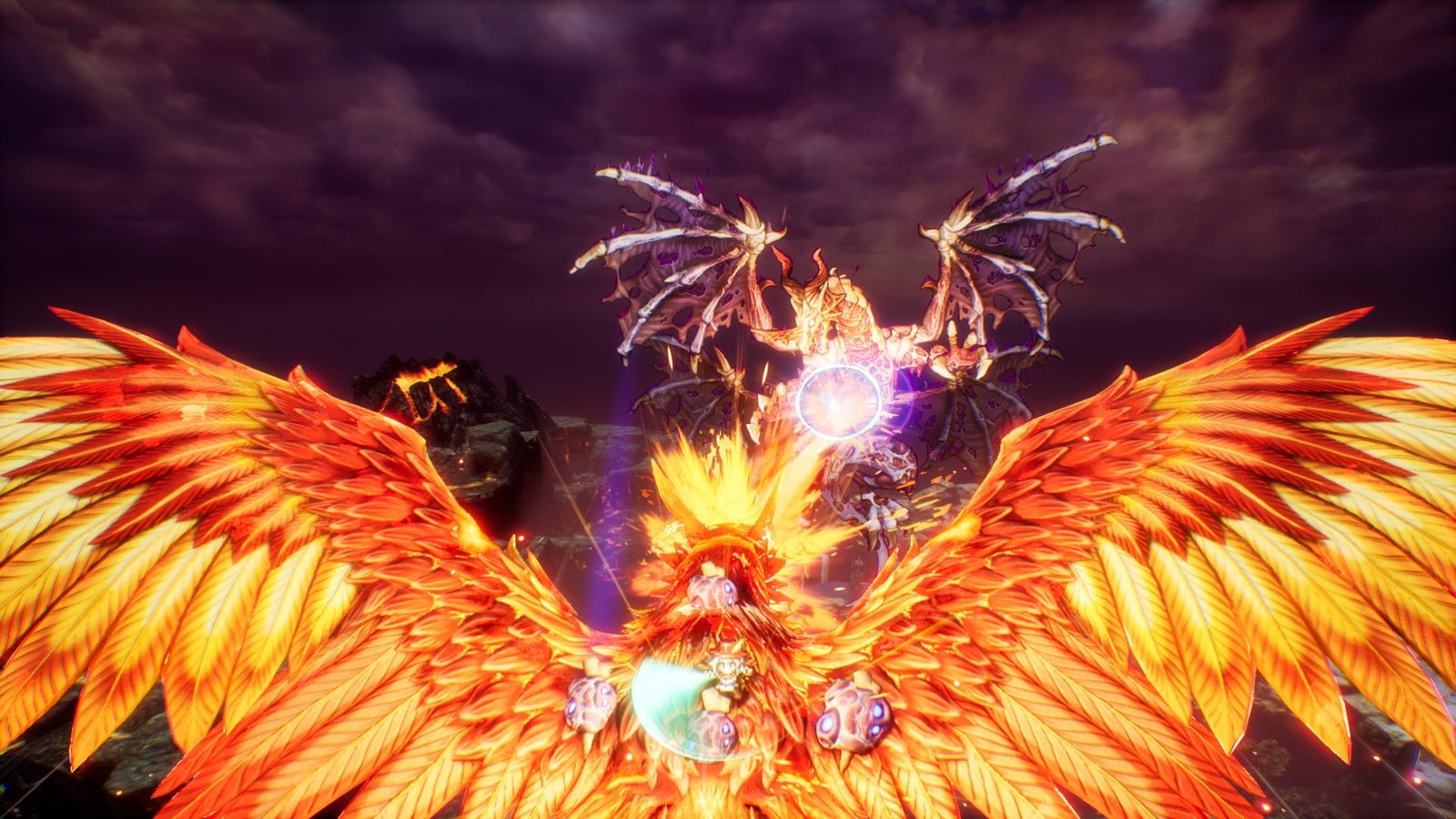
Philabieldia is especially striking when its different periods are placed side by side. Colour, architecture and atmosphere communicate the condition of each age before dialogue provides further context. Dense forests glow beneath filtered light, ruined settlements sit beneath oppressive skies, and magical technology gives certain regions an unexpectedly industrial character.
Combat effects in The Adventures of Elliot: The Millennium Tales remain vibrant without obscuring enemy movements. This is particularly important during boss battles, where large attacks and magical abilities could easily overwhelm the small character sprites. Instead, the presentation maintains enough contrast and clarity for defensive timing to remain reliable.
The soundtrack complements that energy, shifting comfortably between adventurous overworld themes, reflective character moments and more forceful battle compositions. It reinforces the game’s affection for traditional fantasy without simply reproducing the sound of an older generation. The clean image and smooth 60fps presentation suit the speed of combat as well. It is not a showcase designed to justify the upgraded hardware, but it performs exactly as an action-focused adventure should.
Loading and menu navigation remain unobtrusive throughout most of the journey, preserving The Adventures of Elliot: The Millennium Tales‘ brisk overall pacing. It offers plenty of optional content without requiring excessive commitment from players focused on the central journey.
An Adventure Worth Remembering
The Adventures of Elliot: The Millennium Tales builds on well-established ideas, but familiarity doesn’t keep it from becoming one of the more successful HD-2D experiments. Its transition into real-time action feels considered rather than opportunistic, supported by responsive controls, distinct weapons and customisation that rewards experimentation.
Its strongest achievement is the way Philabieldia becomes more meaningful through repeated exploration. Revisiting one continent across four ages provides context that a larger but less interconnected world might have lacked. Locations become memorable not only because of what they contain, but because players understand what they were and what they will eventually become.
The storytelling of The Adventures of Elliot: The Millennium Tales does not always capitalise on that foundation. Familiar character roles, predictable developments, and excessive exposition limit the impact of a premise rich in narrative possibilities. Similarly, puzzles remain enjoyable but rarely challenge players to use the game’s tools in particularly inventive ways.
Those weaknesses seldom derail the wider adventure. Combat remains energetic, exploration continues to produce valuable discoveries, and the polished presentation gives every period a compelling identity. It is accessible without feeling empty, nostalgic without becoming completely dependent on recognition, and substantial without overstaying its welcome. History may repeat itself throughout Elliot’s journey, but returning to Philabieldia remains consistently worthwhile.
The Adventures of Elliot: The Millennium Tales is available now on PlayStation 5, Xbox Series X|S, PC, and Nintendo Switch 2.
SavePoint Score
Summary
The Adventures of Elliot: The Millennium Tales confidently carries HD-2D into real-time action, pairing responsive combat and flexible customisation with rewarding exploration across four eras. Familiar storytelling and simple puzzles hold it back, but its polished, energetic journey remains easy to recommend.
