

Table of Contents
Phantom Blade Zero Shows How Everything Feeds Back Into the Adventure
There has never really been much doubt over whether Phantom Blade Zero can put on a show. Our first hands-on with the game at Tokyo Game Show 2024 already impressed us with how quickly S-GAME translated its elaborate martial arts choreography into something genuinely playable.
Since then, increasingly elaborate bosses, weapons and trailers have only made the upcoming action RPG look more ridiculously amazing in motion. Six hours with a near-final build didn’t change that impression when S-Game opened the studio’s doors to us. This time, the difference was having enough space to discover what exists around those spectacular fights.
The combat is still exceptional, particularly whenever one of Phantom Blade Zero’s named opponents steps forward. But parries, dodges, and beautifully animated finishers do considerably more to hold the experience together. Its worldbuilding gives those encounters context, exploration continually rewards curiosity, and almost every significant tool we acquire eventually gives us another reason to use it.
For anyone who likes wuxia stories, especially the sprawling martial worlds of writers like Jin Yong and Gu Long, stepping into the Wulin is immediately recognisable. Yet Phantom Blade Zero doesn’t stop at recreating the past.
Kungfupunk Feels Like More Than an Art Direction
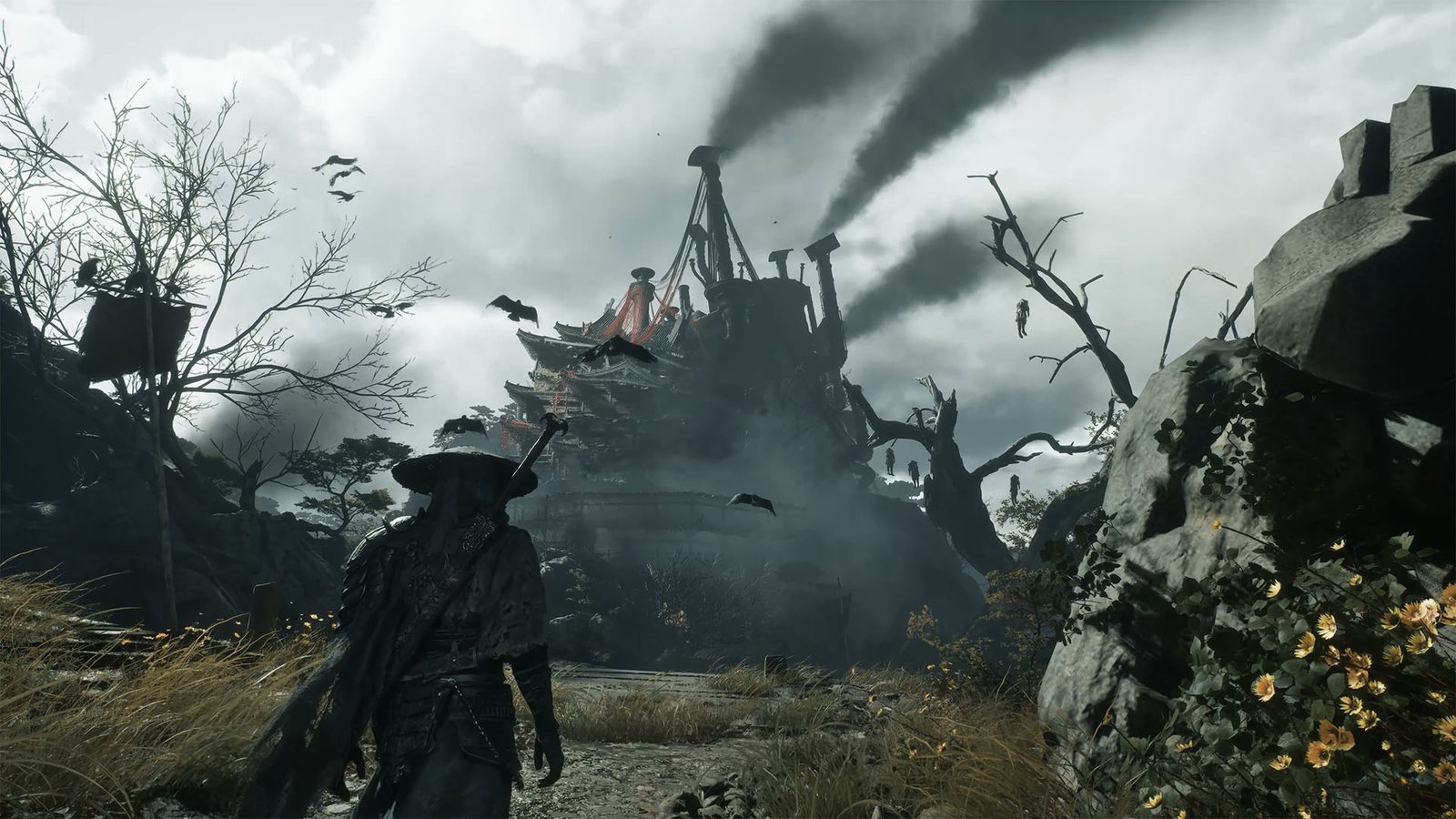
S-GAME calls its particular mixture of martial arts, machinery, and dark fantasy Kungfupunk, but speaking with studio founder and game director Qiwei “Soulframe” Liang made it clear the term means more than sticking an industrial contraption into ancient China.
“It’s a mixture of Chinese traditional style with something borrowed from Hollywood movies or Western AAA games or Japanese manga and anime cultures,” Liang explained when asked about the game’s identity.
Soulframe sees that mixture as a natural product of his generation, which grew up simultaneously exposed to traditional Chinese culture, Hong Kong martial arts, Western entertainment and Japanese manga and anime. He was particularly keen to stress that the result wasn’t meant to resemble separate influences stuck together.
“It’s not like stitching different elements together. It’s not like anything collage, but it’s natural.”
For Liang, that combination reflects creators who are proud of their Chinese cultural roots while being equally accustomed to entertainment from elsewhere in the world. You feel that philosophy almost immediately when you play.
Temples, villages, mountains and strange machinery can be gorgeous, but what sells the world is how comfortably everything seems to belong beside everything else. Traditional architecture doesn’t feel like set dressing for an otherwise generic action game, and the more fantastical elements rarely overwhelm the martial arts identity beneath them.
S-GAME’s earlier comments about making its side content affect the wider narrative already suggested it wanted exploration to contribute more than just additional loot, something we previously examined when the studio detailed how Phantom Blade Zero’s side quests can influence its main story. After spending significantly more time in the Wulin, that ambition is much easier to believe.
Phantom Blade Zero’s Bosses Have Stories to Tell
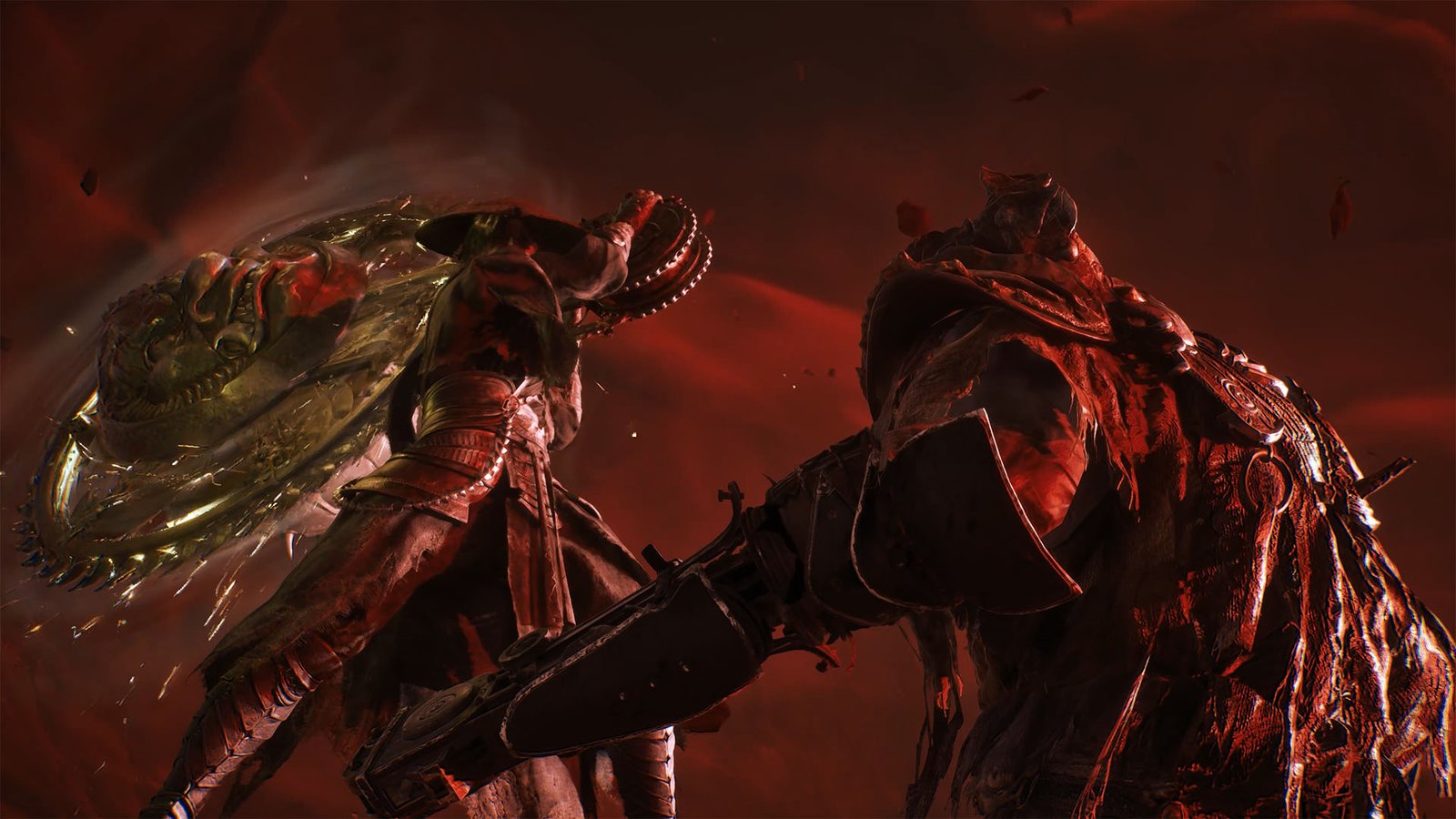
The bosses remain the easiest thing to get excited about. They are mechanically demanding, often spectacular, and wonderfully theatrical, but calling them difficult fights undersells what S-GAME is doing. Many feel like characters first and obstacles second.
Introductions, visual design and the circumstances surrounding a confrontation give these opponents a place within Soul’s journey before swords are even drawn. Their fighting styles then tell you something more about them once the battle begins. That was especially important over a six-hour session because Phantom Blade Zero could easily become exhausting if every encounter existed solely to test how good you are at parrying.
Instead, you usually have another reason to remember the person you just fought. Sometimes that reason is narrative, sometimes it is visual, and sometimes you quite literally carry part of that opponent forward with you. Defeating certain enemies expands Soul’s arsenal, and S-GAME has confirmed more than 30 primary weapons alongside 25 secondary Phantom Edges.
The result is a satisfying relationship between bosses and progression. Defeating someone memorable doesn’t always end their influence on the adventure. Their weapon can shape how you approach whatever comes next. The fights are spectacular because S-GAME knows how to choreograph combat. They stick around in the memory because there is usually more happening than a health bar dropping to zero.
Almost Every New Toy Finds Another Use
That same thinking extends into exploration. One of my favourite things about Phantom Blade Zero is how rarely getting something new feels like simply replacing what came before. Different weapons suit different opponents and circumstances, while Phantom Edges frequently have uses beyond fighting.
An axe that can deal with heavily defended opponents can also break environmental barriers, while the chain sickle doubles as a grappling tool for reaching places that once seemed inaccessible. Other tools similarly interact with the environment, revealing rewards or routes you couldn’t access earlier. It gives exploration an almost Metroidvania-like quality.
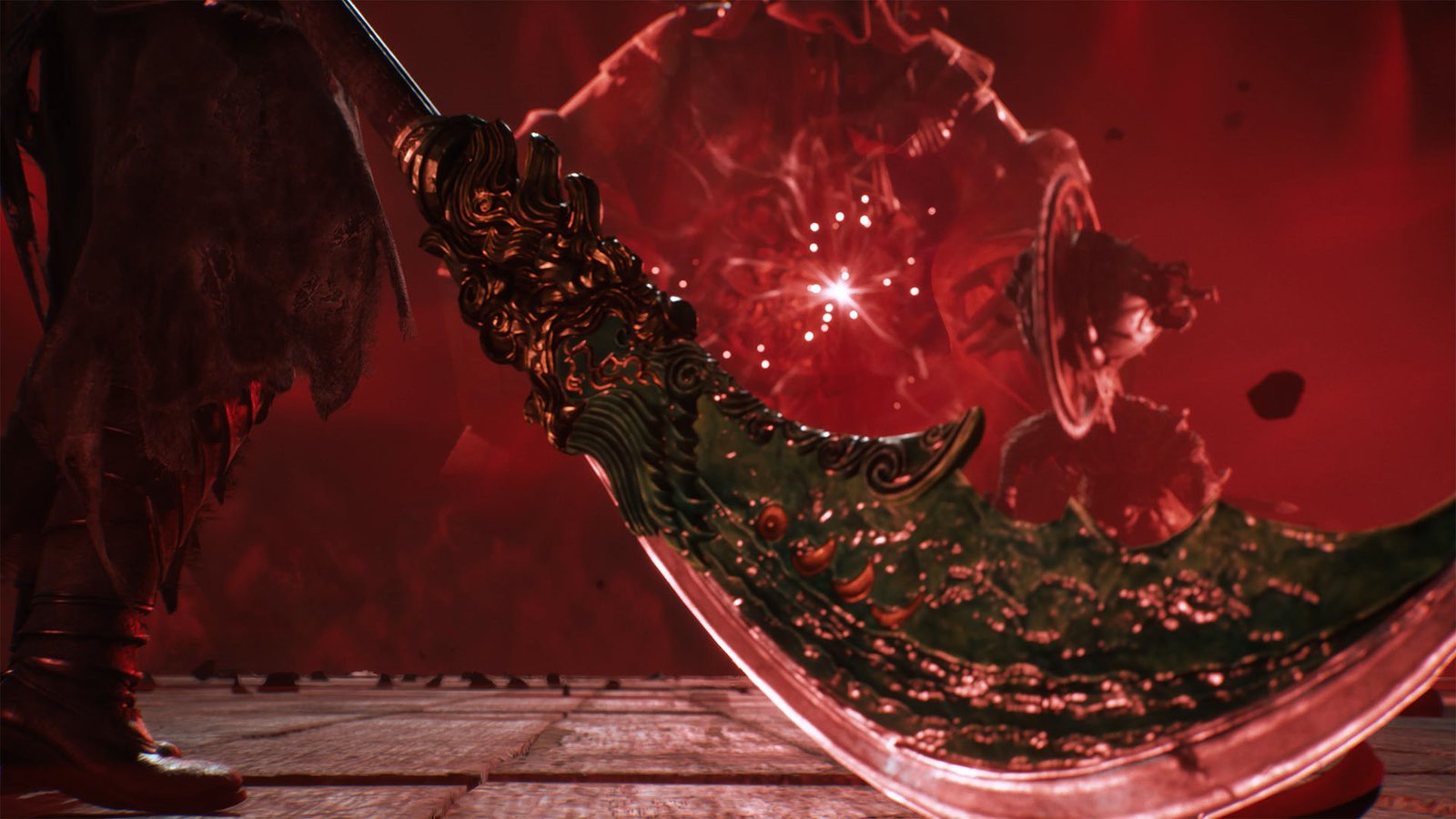
Finding a new Phantom Edge doesn’t just add another icon to the equipment screen in Phantom Blade Zero. It can change how you see a place you have already visited. That feeling works especially well because the regions themselves are substantial, with side paths, secrets, optional encounters, and spaces that clearly invite a return visit. Other players from the same preview wave found themselves repeatedly backtracking after gaining new tools, and Liang has openly described Metroidvania influences on the world’s design.
The hand-painted maps deserve some credit here too. They fit the game’s overall aesthetic and usually give just enough information to roughly figure out where Soul is standing and where he should be heading. They are not, however, GPS systems disguised as old parchment.
Early on, I occasionally struggled to translate the illustrated map into the increasingly layered spaces around me. It got easier once I started recognising landmarks, but players used to following a precise marker may spend time genuinely finding their bearings. That slight ambiguity works both ways. You can get lost, but you can also stumble across something you weren’t looking for, and Phantom Blade Zero offers plenty worth finding.
Getting Stuck Means Rethinking the Fight, Not Grinding It Away
All those weapons, accessories and Phantom Edges become particularly important when Phantom Blade Zero decides to push back. S-GAME keeps insisting this isn’t a Soulslike, and after another extended session, that distinction makes more sense.
The game can absolutely be difficult. Even with multiple difficulty options, I can easily imagine players reaching certain bosses and finding themselves stuck. What Phantom Blade Zero does not offer is the familiar solution of repeatedly farming an area until enough additional levels eventually overwhelm the problem.
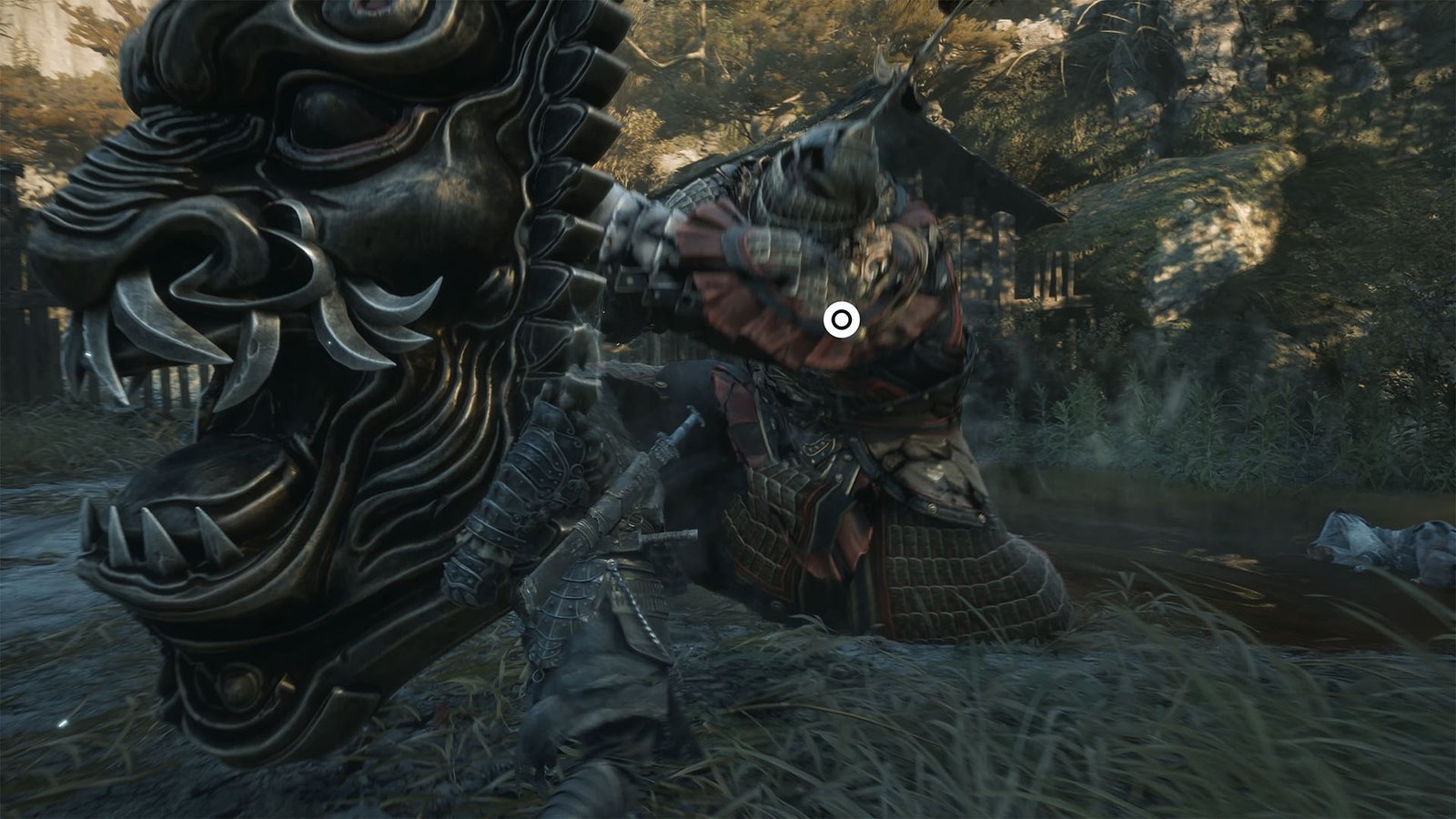
Defeated enemies don’t simply repopulate when you rest, and death doesn’t leave resources behind for recovery. Instead, S-GAME gives players plenty of upgrade materials and Remnant Dust, its principal currency, encouraging you to actually use the arsenal you have been collecting. That became one of the most satisfying parts of our time with the game.
If something wasn’t working, there was little reason to stay stubbornly attached to one weapon, accessory combination, or set of Phantom Edges. Change the loadout, upgrade something else, look more carefully at what the opponent is doing, and consider which tools already in your inventory might punish it. An enemy hiding behind heavy defence immediately makes a tool that can break that defence more attractive. Another encounter may reward reach, speed or a completely different Phantom Edge, like countering flame-spewing foes with a jetstream of water.
Getting stuck therefore becomes less about asking where can I grind? and more about what am I overlooking? That doesn’t necessarily make the boss easier; you still need to execute, but it means the answer may already be in your possession in Phantom Blade Zero.
Interestingly, Soul’s famous 66-day lifespan will not add another source of pressure during a first playthrough. Liang told us that S-GAME originally considered making the countdown mechanically restrict deaths, but moved that idea into a separate New Game Plus challenge because it made the initial experience “way too hardcore”.
In that later 66 Days mode, players are limited to 66 deaths. For the normal first run, the 66 days remain part of Soul’s story rather than a clock hanging over every detour. That feels like the right call for a game so eager to make you wander away from the obvious path.
S-GAME May Be New to This Scale, but China’s Developers Are Not
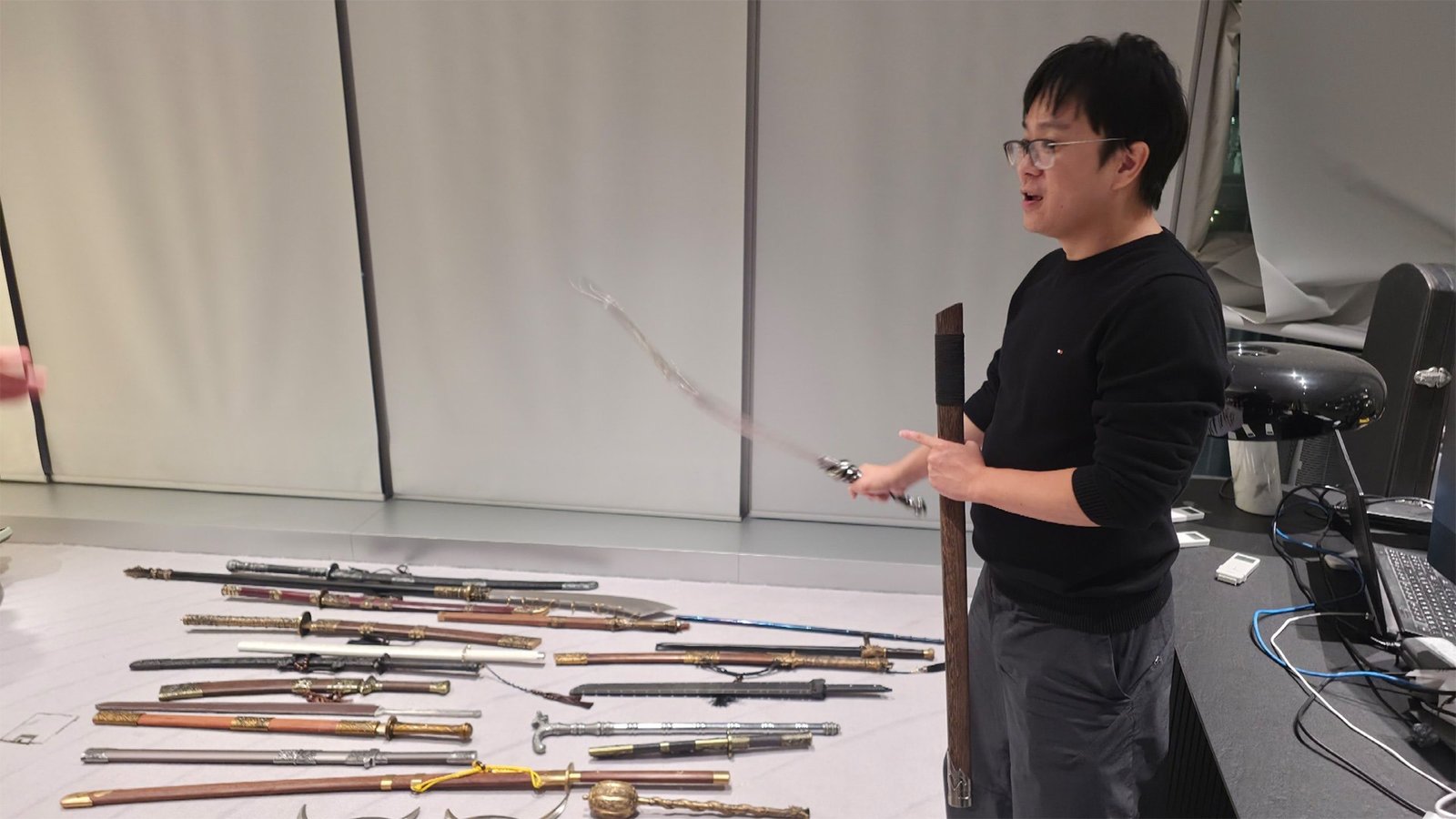
After six hours, the most striking thing about Phantom Blade Zero is how little it resembles a studio cautiously learning to build its first large-scale 3D action game. Soulframe has an explanation for that too.
He pointed out that China’s contribution to AAA development did not suddenly begin when games such as Black Myth: Wukong and Genshin Impact became global successes. Western and Japanese studios have relied on Chinese teams for 3D assets, scanning, motion capture, animation and other production work for around two decades.
He argues that when Chinese studios had the chance to build ambitious projects under their own names, much of that expertise was already in place.
“This is our first big title, a 3D title with Unreal Engine 5,” Liang told us, then explained that S-GAME could draw on experienced model makers, motion capture specialists, animators, and environmental artists from the surrounding industry. Phantom Blade Zero may be S-GAME’s first project at this scale, but calling the people behind it inexperienced ignores the production ecosystem it has drawn on.
Liang returned to that idea when discussing S-GAME’s future, describing the studio as the young martial artist entering the Wulin rather than the master who has already seen everything. He also pointed towards highly experienced collaborators, including Donnie Yen, as people helping the team on that journey. It is a fitting analogy for the game they are making.
Phantom Blade Zero Leaves Plenty Worth Returning For
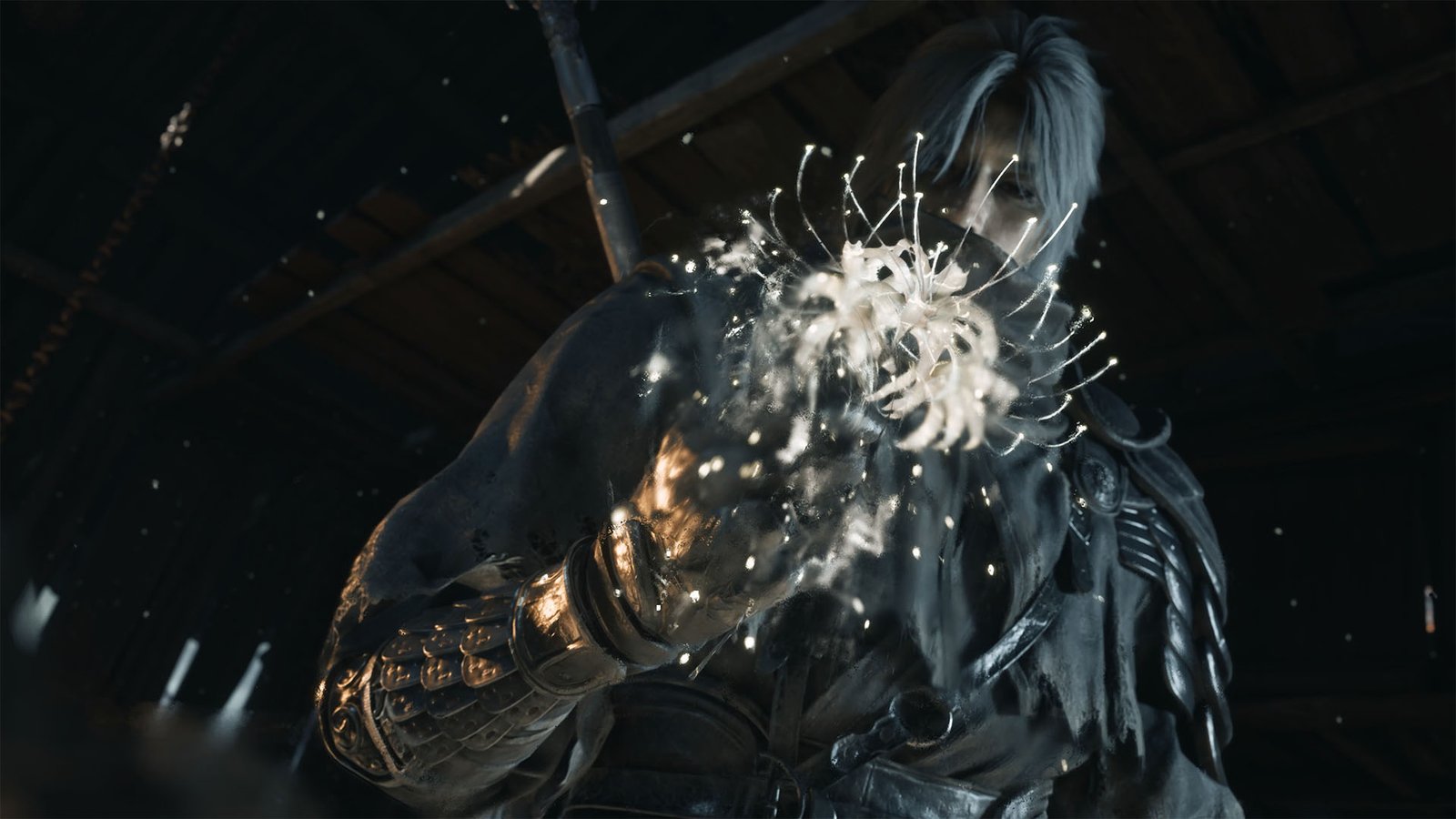
We already knew Phantom Blade Zero could fight. What these six hours changed was my understanding of everything surrounding those fights. The world has enough visual and cultural identity to pull you into it almost immediately. Its bosses aren’t merely elaborate skill checks, but characters whose stories, fighting styles, and sometimes weapons keep adding colour to Soul’s journey.
Exploration regularly gives equipment a second purpose, while the layered environments make gaining a new tool feel like an invitation to reconsider somewhere you have already been. However, the finished game still has questions to answer.
The illustrated maps took some adjustment, and players who hit a particularly stubborn boss cannot simply disappear for an hour and grind their way past it. The full adventure also needs to maintain the quality and variety of these encounters over considerably more than six hours.
But those concerns feel much smaller after seeing how well the individual parts feed into one another. S-GAME’s flashy combat will understandably continue dominating marketing for Phantom Blade Zero. After finally having enough time to properly explore its Wulin, however, the swordplay may not even be the most impressive thing about it.
Phantom Blade Zero launches on October 29 for PlayStation 5 and PC.
