

Table of Contents
Pocket Legend is a Roguelike Deckbuilder That Makes Inventory Space Part of the Build
Having the right weapon is only half the problem in Pocket Legend. Finding somewhere useful to put it might be just as important. South Korean three-person developer Shading Box, with Paras Games as co-publisher, launches its inventory-based roguelike deckbuilder for PC via Steam on November 10.
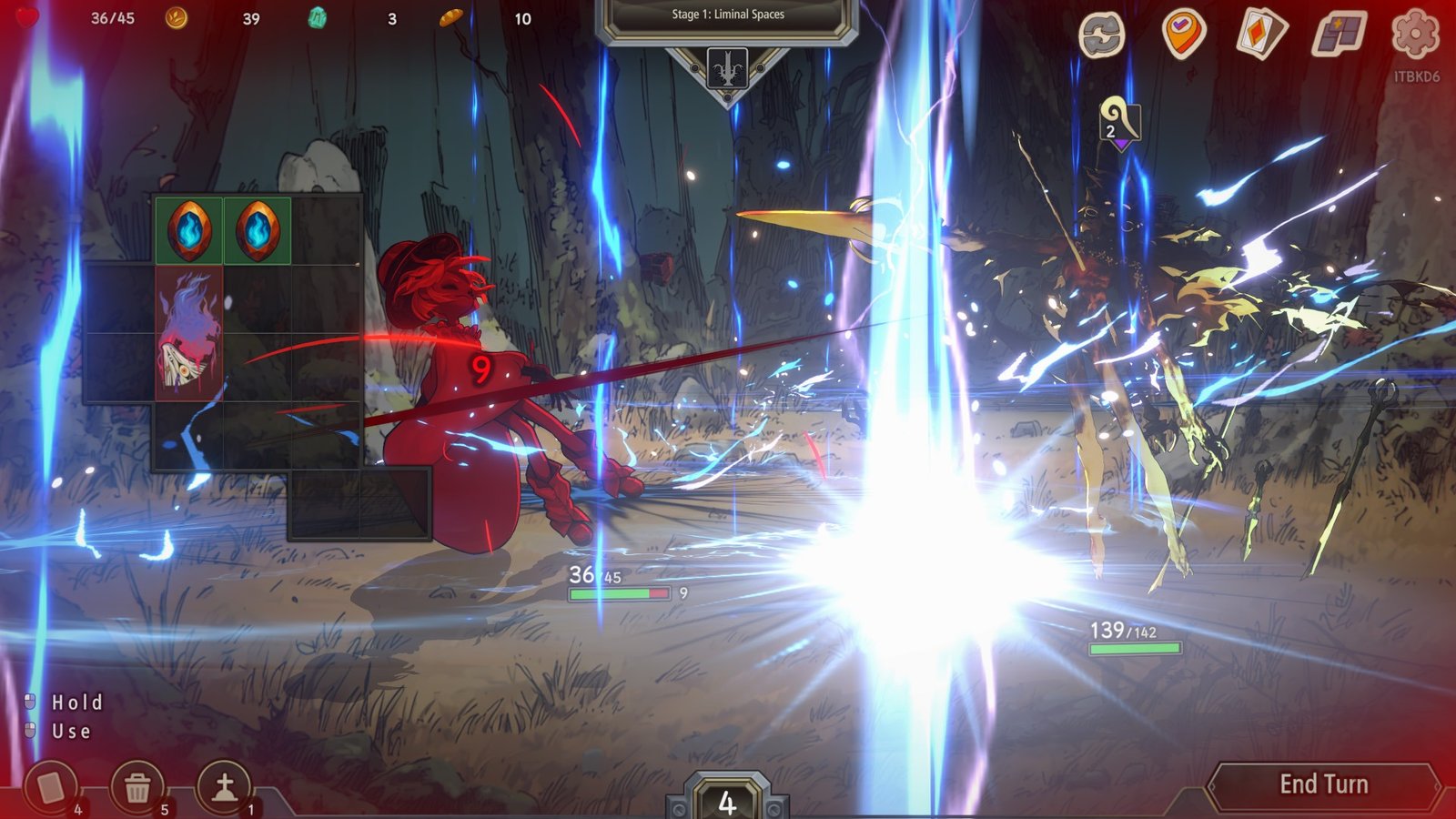
Rather than separating deckbuilding from inventory management, Pocket Legend turns the objects packed into a limited grid directly into cards used during turn-based battles. Position, neighbouring equipment and even deliberately empty spaces can alter an item’s effect, making the physical arrangement of a build part of the strategy.
It is another unusual twist on a crowded roguelike deckbuilding space. Earlier this year, Cupiclaw turned a claw machine into its central deckbuilding mechanic, while Malaysian indie Duo Quest built its cooperative strategy around how well two players know each other.
Inventory Placement Changes How Cards Behave
Finding stronger equipment does not automatically mean throwing out whatever came before. Some items become more powerful when placed beside particular equipment, while others benefit from having empty spaces around them. A new pickup can therefore force players to decide whether to preserve an existing combination or rearrange everything around a potentially stronger synergy.
Those setups then carry directly into combat. Players sequence attacks, defensive abilities and skills using the equipment currently packed into their inventory, while enemies and obstruction items can disrupt carefully planned layouts and force builds to change during a run.
Blitz, Gogo and Stack Build Their Inventories Differently
Three playable characters give those systems different starting points. Blitz, Gogo and Stack each use their own items and skills. Gogo leans on eggs, summons and magic stones, while Stack uses qi alongside sun-and-moon mechanics, changing which combinations players should prioritise during each run.
Between fights, players travel across Lumensia while managing food and visiting shops, forges, events and minigames. Resources spent upgrading existing equipment cannot necessarily be used on an enticing new item later, feeding those decisions back into the inventory puzzle.
The full version also contains seven stages, complete character storylines and Trial Mode, while Shading Box says further updates are planned after launch.
Pocket Legend Launches With 20 Supported Languages
The wider adventure takes place in Lumensia, where beings known as Lumen can move between human and tool forms, tying the setting directly into the game’s fixation on the objects players collect and use.
Pocket Legend launches on PC via Steam on November 10, with support for 20 languages, including English. Steam also lists a playable demo for anyone who wants to see just how much trouble a badly packed backpack can cause before committing to the full journey.
