

Table of Contents
Exploring What Makes Failure Feel Fair in Shadowstone
The Oathless has already ended roughly one in every three attempts made against it in Shadowstone. That sounds brutal, particularly when Secret Door readily admits its upcoming tactics roguelite expects players to lose considerably more often than they win. Yet the number itself is not what game designer Kara Centell-Dunk appears particularly concerned about. The more revealing question is whether those losses feel deserved.
“Players generally expect to lose more rather than win,” Centell-Dunk tells us, reflecting on the response to the recent Steam Next Fest demo. “But I think they still have expectations on what feels good or fair to lose, and we’re not hitting that yet!”
Secret Door has plenty of data to work with. Players logged more than 12,000 hours during Next Fest, cleared over 60,000 rooms and killed upwards of 200,000 monsters, while the Oathless emerged as the demo’s deadliest encounter. The demo has since been extended towards the end of November while the team continues working through feedback ahead of Early Access.
That feedback is helping Secret Door answer a deceptively difficult question: how do you build a game around failure without making failure feel like wasted time?
It is an especially interesting challenge because Shadowstone is deliberately asking more of players than Sunderfolk, the approachable co-operative tactics game that established this corner of the Sunderlands. When the standalone roguelite was first announced, we explored its move towards procedural runs, party synergies and a darker version of the Sunderfolk universe. Speaking with game director Shane Dabiri and Centell-Dunk reveals how much thought is now going into the decisions players make between those rooms.

A Rough Fight Follows You Into the Next Room
Dabiri draws a clear line between what Sunderfolk asked of its audience and what Shadowstone is prepared to demand. The former was designed around the couch and needed to accommodate players who may never have touched a tactics game. Shadowstone assumes its audience is willing to accept greater consequences, including choices made early in a run that can make everything afterwards substantially harder.
Corruption is the clearest example. Every additional round spent in combat increases it, eventually applying persistent effects that follow the party through the rest of the run. The official Shadowstone demo breakdown details effects such as Shame, Guilt and Paranoia, the latter causing a hero to damage adjacent allies after their turn.
Dabiri sees that persistence as one of the fundamental differences between the two games.
“In Sunderfolk, a rough fight was over once it ended. In Shadowstone, it follows you into the next room.”
Corruption turns something as simple as hanging around for another chest into a strategic decision. You might gain something capable of transforming the run, but doing so can make every subsequent encounter more dangerous.
That pressure could easily become irritating if every additional round simply punished players for taking their time. Secret Door instead wants the cost to create choices worth debating.
“An extra turn should always feel like a trade, never a tax.”
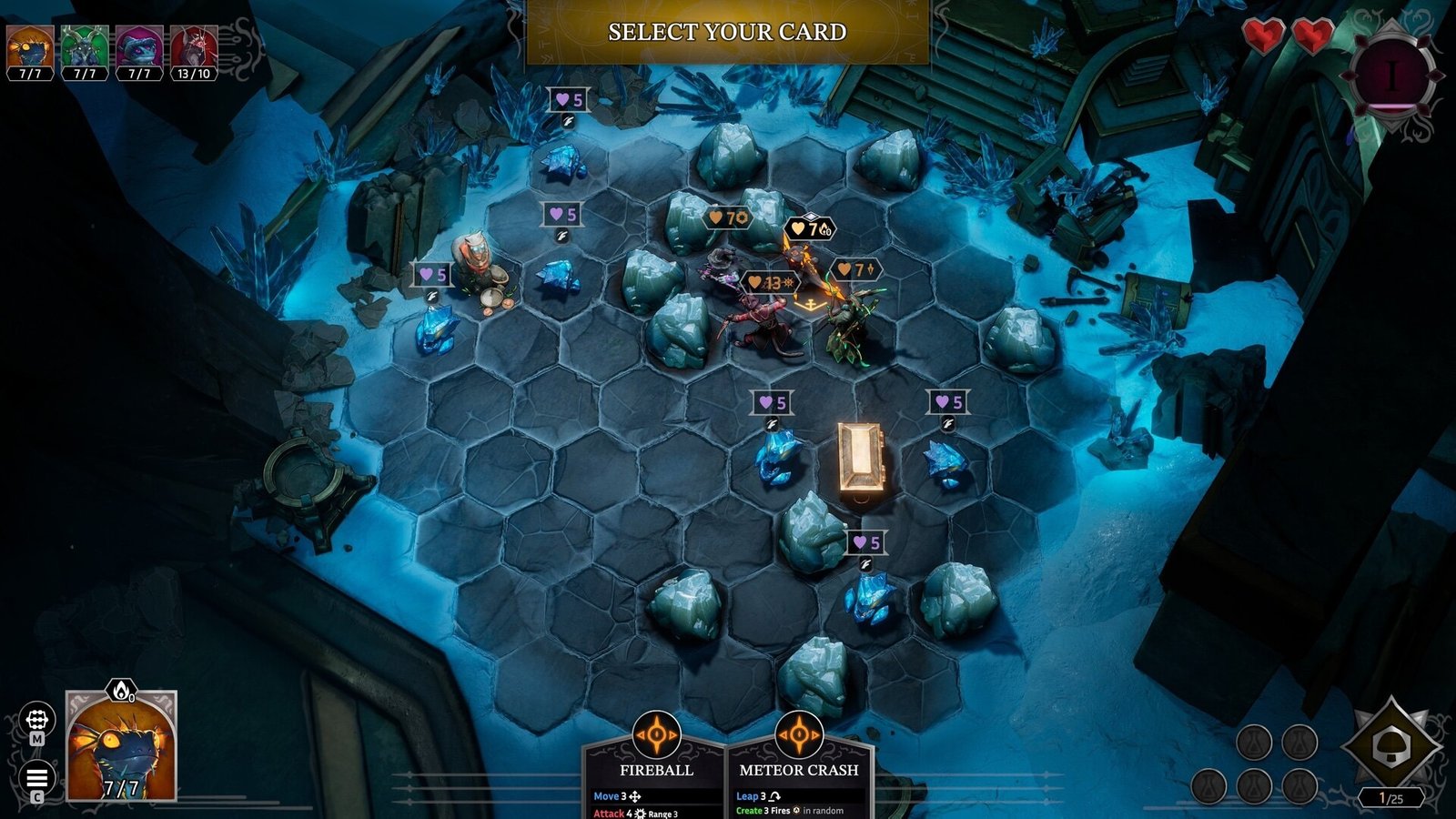
The question Dabiri wants players asking is whether whatever they are about to gain is worth carrying more Corruption into the next fight. Sometimes another round secures an important chest. Sometimes it creates the opportunity for a kill that prevents more damage later. A sufficiently powerful build might even make higher Corruption manageable enough that accepting it becomes the right strategic call.
There is no universal answer because the run itself changes the value of the risk. That is where Dabiri sees the roguelite heart of Shadowstone. A decision that ruins one attempt might be precisely what another party needs.
Secret Door Wants You to Break Shadowstone
If Corruption encourages calculated risk, Centell-Dunk sounds considerably less restrained when discussing what players should eventually be able to do with their heroes.
“Combos, combos, combos: we don’t want any single component to feel overpowered when it stands alone, but when combined with other pieces of your or another player’s kits, that’s when you launch into the stratosphere.”
Secret Door actively wants players assembling combinations that feel excessive. The trick is deciding how much work someone should have to put in before the game allows them to become ridiculous.
Centell-Dunk describes an individual ability as something that should already feel useful before upgrades begin stretching what it can accomplish. From there, designers look at how many other pieces have to fall into place before a combination becomes genuinely outrageous. The more elaborate the setup, the more comfortable the team becomes leaving that power in the player’s hands.
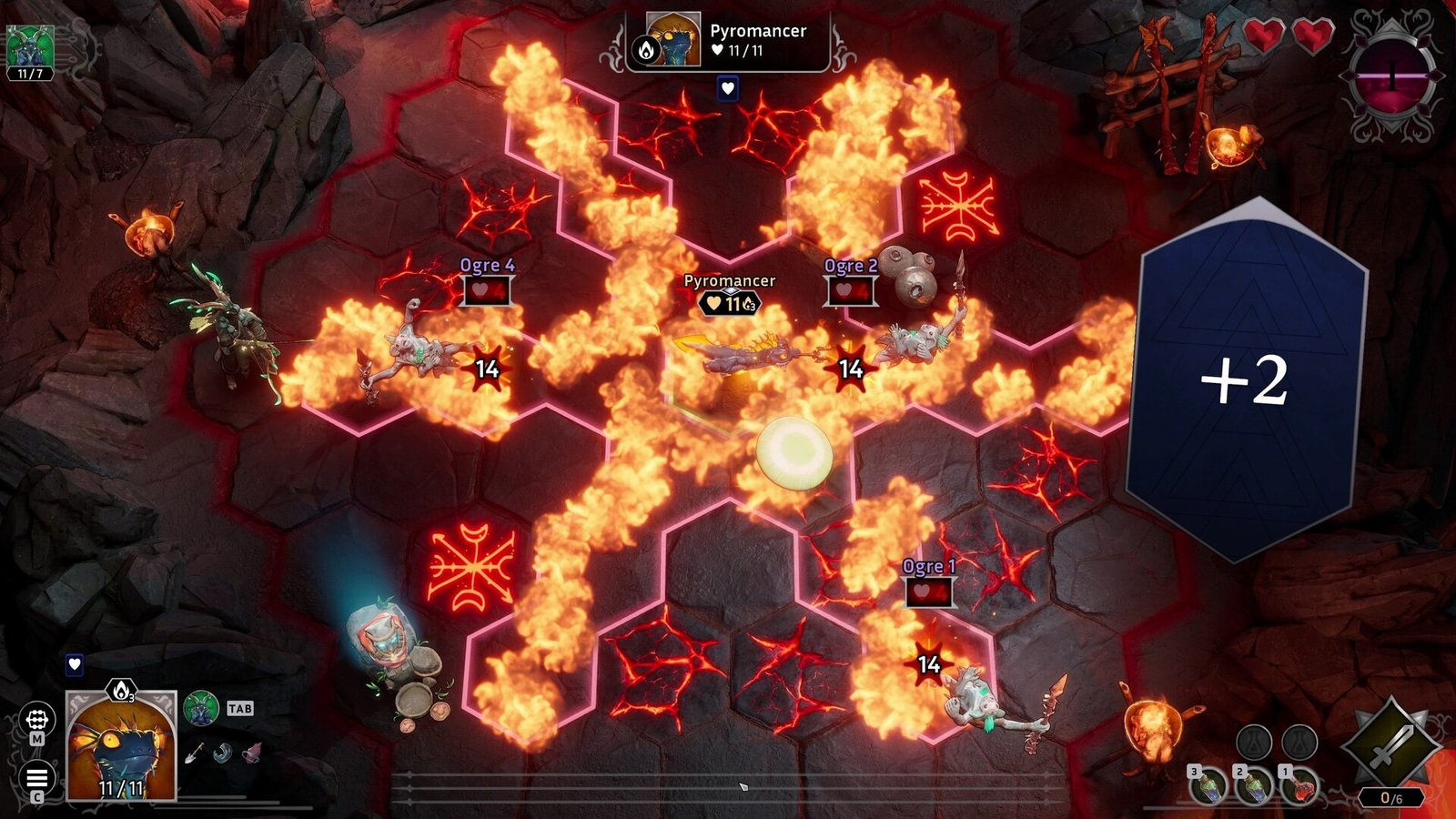
A devastating interaction built across several upgrades, heroes and complementary abilities represents successful experimentation. If a similarly dominant strategy only requires one or two easily obtained pieces, that is where Secret Door starts questioning whether it crowds out everything else.
“We want kits and players to be in dialogue with each other,” Centell-Dunk explains. Intriguingly, the team currently believes players may not be reaching that upper level of combo potential often enough, and is investigating ways to introduce more mechanical hooks earlier within runs.
The goal is not perfect balance in the sense that every possible build should produce approximately the same result. Shadowstone wants you to discover something broken, and it simply wants you to earn the pleasure of breaking it.
Co-Op Works Best When Nobody Owns Someone Else’s Turn
That philosophy becomes more complicated when several players share the battlefield. Tactics games lend themselves naturally to one experienced player becoming the unofficial commander. They see the optimal move, explain it to everyone else and, before long, three friends are effectively moving pieces for one person.
Secret Door is trying to create opportunities for expertise without surrendering individual agency. Each player completely owns their hero. Nobody else chooses their talents or moves their character, while co-operative advantages emerge through combinations that one hero could never perform alone.
Dabiri gives the example of one player pulling enemies together so someone else can hit the entire group with an area attack, or leaving bounce-shrooms that allow an ally to reach an otherwise inaccessible enemy. A knowledgeable player can identify that opportunity, but the other person still decides whether to take it.
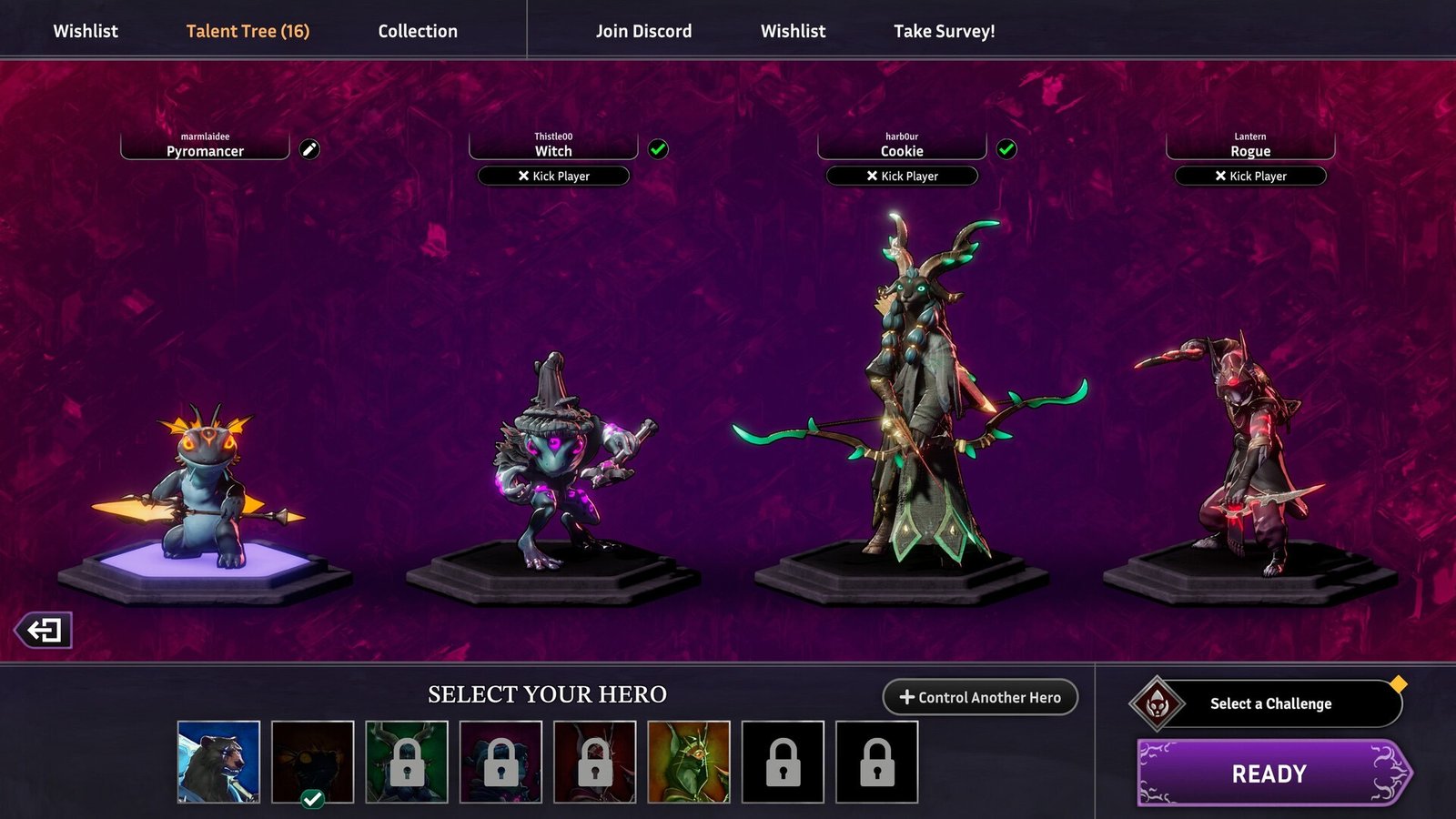
Dabiri says some of the team’s favourite moments occur when a newcomer lands a combination because somebody else created the opening for them. That relationship keeps cooperation from simply becoming instruction.
The idea sits naturally alongside the studio’s wider interest in shared experiences. Secret Door describes itself as a studio focused on games that bring people together, something Sunderfolk expressed through its distinctive phone-controlled couch setup. Shadowstone has complicated that multiplayer-first assumption in an unexpected way.
Solo Became Shadowstone’s Front Door
Dabiri has spent much of his career working on games where playing with other people was fundamental. His credits stretch from producing StarCraft: Brood War to World of Warcraft, so approaching Shadowstone as a co-op game with solo play attached probably seemed entirely reasonable.
Players disagreed, as most apparently begin alone. That has been influential enough to change how Dabiri now thinks about the game.
“The game is still at its best with friends, but now we think of solo as the front door.”
A single player has considerably more information to manage because they are controlling an entire party rather than one member of it. Secret Door has responded by removing some of that unnecessary overhead.
Players no longer need to hit End Turn between each hero, and hovering over an enemy immediately shows the area it threatens. Dabiri describes those as examples of changes intended to make controlling several heroes less cumbersome without reducing the tactical decisions themselves. It also makes Shadowstone‘s structure particularly interesting alongside Sunderfolk.
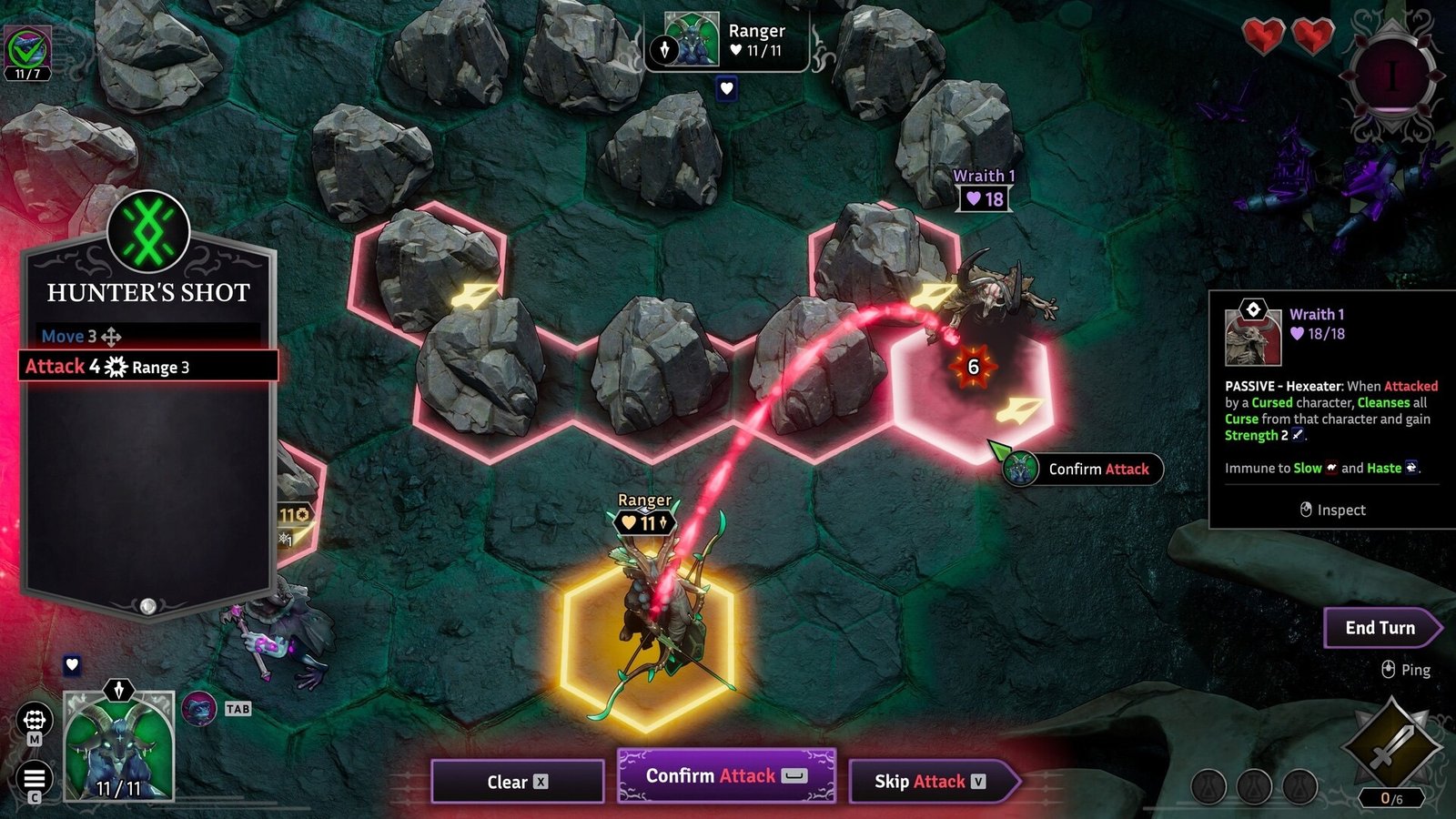
The current Steam demo supports solo play and online co-op, while Secret Door still intends to add its phone-controlled couch multiplayer later. That functionality isn’t planned for the initial Early Access launch, with the studio saying a single control scheme currently lets it iterate more quickly. For a developer so closely associated with social play, that means the first person Shadowstone now needs to convince may be the one playing alone.
Getting Stronger Should Give Players More Room to Make Mistakes
Repeated failure inevitably creates another problem for a roguelite: how much easier should the game become simply because somebody has been playing longer? Centell-Dunk does not pretend every talent-tree reward in Shadowstone is merely another interesting option.
When designing the trees, she placed upgrades along a spectrum running between variety and power. Starting a run with Potions or a Talisman sits firmly on the power sidem, additional health does too. Fate card improvements become more complicated because the deck itself grows stronger, but random draws mean extra power doesn’t necessarily appear when you need it.
Centell-Dunk is comfortable with some of those permanent advantages because progression can create room for players to make mistakes while they continue learning. A highly skilled player may theoretically complete a run without spending a single talent point. Someone repeatedly getting “their world rocked every time they step into the dungeon” deserves a system that still recognises their effort, particularly if they are trying to keep playing alongside a much stronger friend.
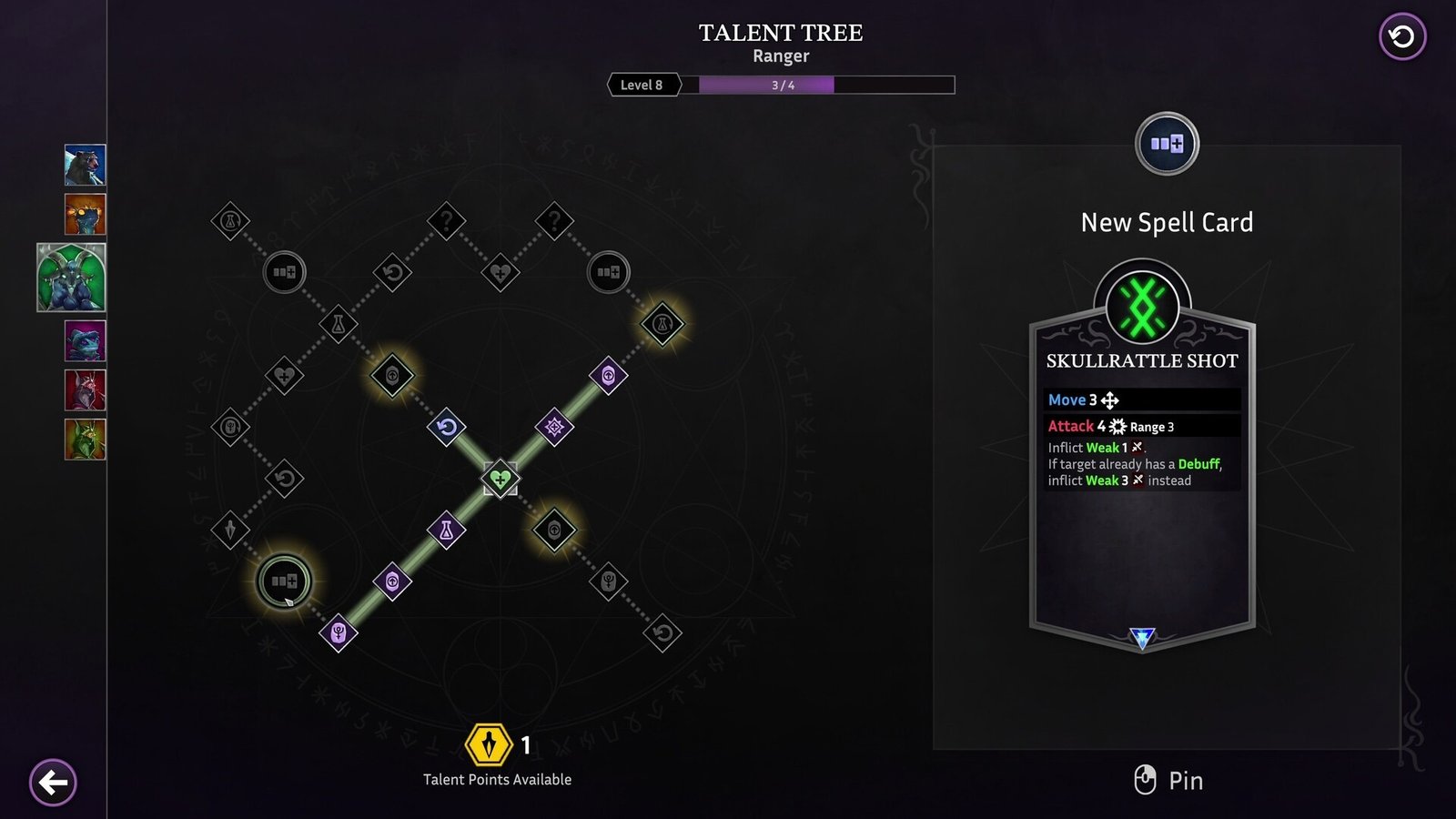
There is something appealing about that distinction. Progression does not have to eliminate the value of getting better. It can reduce how brutally the game punishes somebody while they are getting there. Centell-Dunk also has some advice for anyone stubbornly protecting consumables until a hypothetical future emergency.
“Stop hoarding potions! drink them!”
Shadowstone’s Darkness Is Reaching Its Heroes
The darker tone surrounding Shadowstone isn’t limited to architecture, monsters, or the black material infecting the Sunderlands. Secret Door wants the effects of Corruption to say something about the heroes themselves.
Names such as Shame, Guilt and Paranoia are deliberate. Centell-Dunk describes the dungeon and its ever-present Corruption as wearing away at the party, bringing out feelings and impulses that are far less heroic than the characters players may remember. Paranoia is perhaps the clearest mechanical expression of that idea.
The afflicted hero can hurt somebody standing beside them. It turns an abstract status penalty into behaviour that affects the people supposedly working together to escape. The world is not simply becoming stranger around the heroes. They are becoming less reliable within it.
That gives Shadowstone another way of separating itself from the brighter adventure that preceded it without abandoning the same universe.
Video Games Let Kara Centell-Dunk Hide More Complexity
Centell-Dunk’s background brings another interesting perspective to the project. Before Secret Door, she worked on tabletop games including Descent and Mansions of Madness. Moving between tabletop and video games has forced her to reconsider how much underlying complexity a design can support.
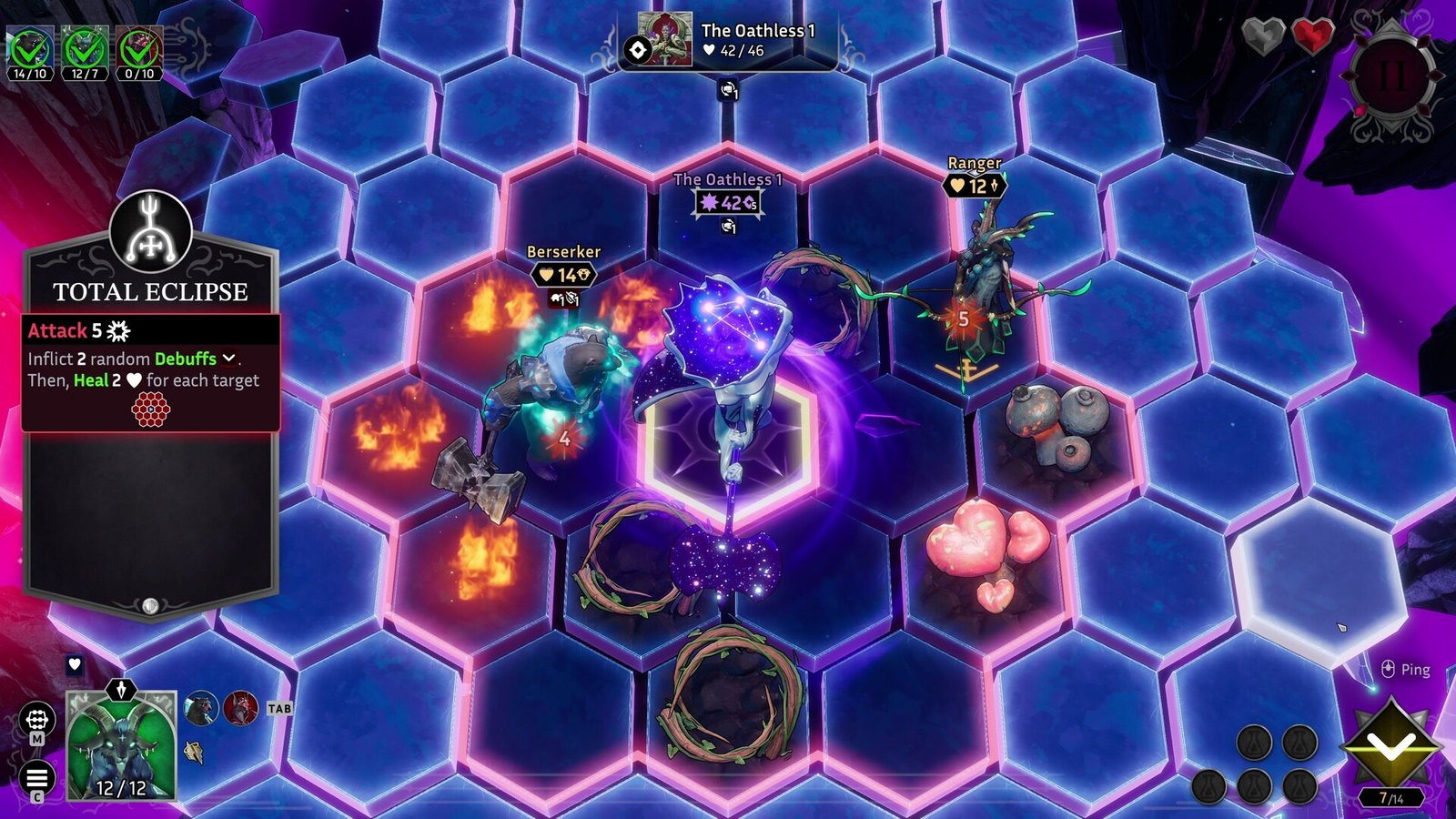
Board games ask players to operate much of the machinery themselves. Someone has to shuffle the cards, resolve a die roll, maintain the board state, and remember what happens next. Every additional rule adds something else the group has to understand and administer.
A video game can hide much of that machinery. Centell-Dunk points towards the rules governing Shadowstone’s map paths, room generation, layouts and rewards as systems that can become considerably more complicated beneath the surface without making the act of playing correspondingly cumbersome.
“As long as the play experience itself is smooth and fun, the ruleset that gets you there can have all sorts of layers of complication.”
It is a useful way of thinking about a game built around procedural variation. Players do not need to understand every equation that decides what appears in the next room. They need enough information to make an interesting decision once they arrive there.
Shadowstone Wants to Be Challenging Without Becoming Gruelling
The most revealing thing about speaking with Dabiri and Centell-Dunk is how rarely they discuss difficulty simply in terms of making numbers bigger. Shadowstone clearly wants to be harsher than Sunderfolk. Corruption follows players beyond individual encounters, failure is expected, and some enemies are already ending a considerable number of demo runs.
Secret Door’s more difficult task is ensuring those setbacks create another decision rather than simply another punishment. Corruption should follow a risk you knowingly accepted. An absurdly powerful combination should come from understanding how several pieces fit together. Talent-tree progression can make mistakes more survivable without making tactical understanding irrelevant, while co-op should allow a knowledgeable friend to create an opportunity without taking control away from the player who has to use it.
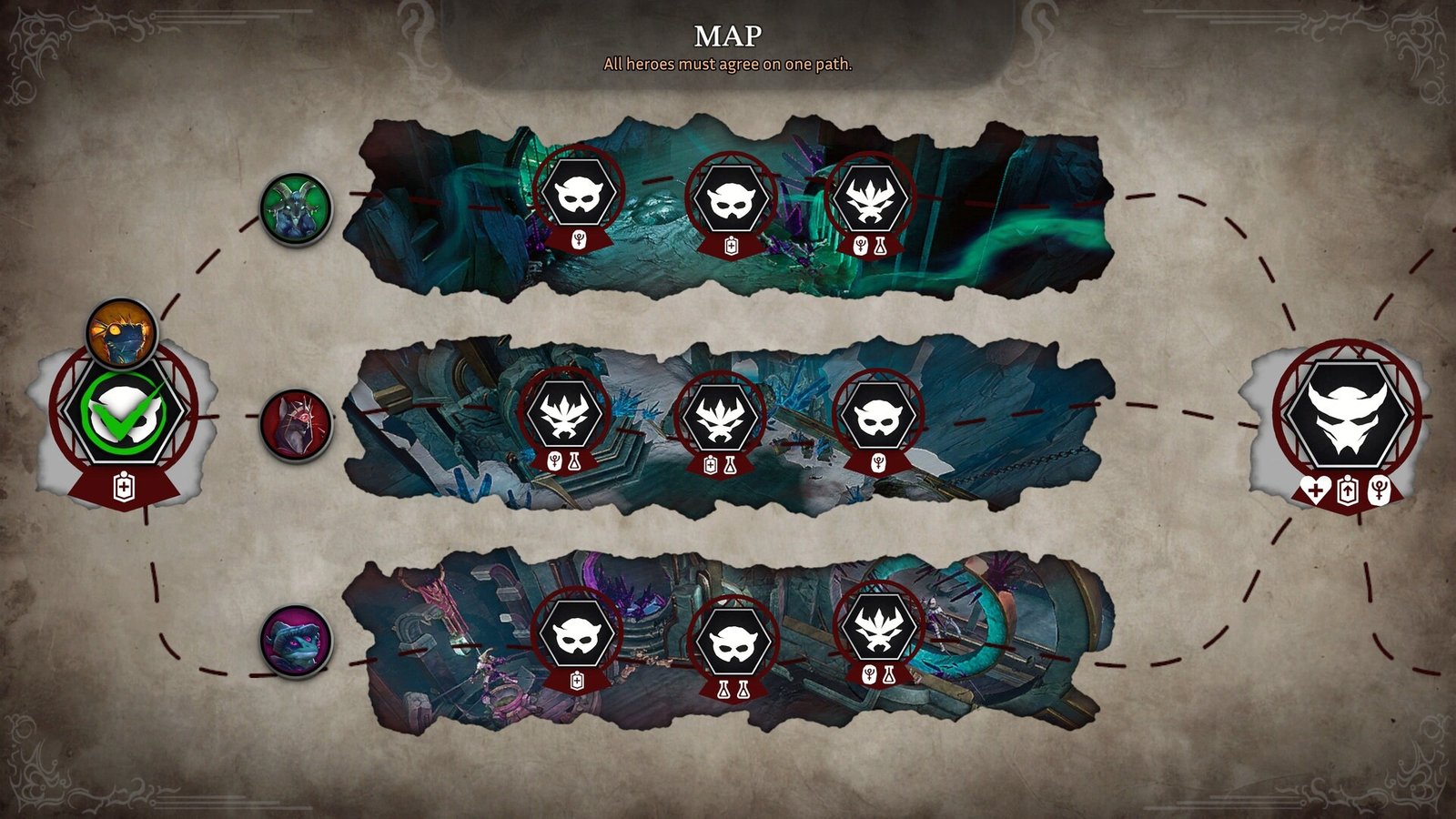
The team is also prepared to acknowledge when that balance is not there yet. Feedback from the demo has Secret Door reconsidering difficulty and fairness ahead of Early Access, because losing frequently and enjoying the process aren’t necessarily contradictory.
Centell-Dunk puts the target far more neatly:
“We want the game to be challenging, but not grueling.”
Finding that line may ultimately be as significant to Shadowstone as anything waiting at the end of its labyrinth.
Shadowstone is currently planned to enter Steam Early Access in 2026, with the free demo available on Steam.
