

Table of Contents
Resident Evil Requiem: Strength and Vulnerability in the Same Nightmare
With the highly anticipated Resident Evil Requiem set to unleash the latest biohazard horrors on an excited fanbase, it is a feeling the SavePoint team can relate to. After all, Capcom has been knocking it out of the park for quite some time now with the entire series, and this latest entry appears to have what it takes to surpass everything that came before. Thankfully, we had the opportunity to experience it firsthand during a media preview rather than speculate.
What was on show did not feel like a simple continuation of what we had already seen or played. Instead, it feels like the moment where Capcom’s intentions finally come into sharp focus. This is not a game trying to escalate endlessly, nor one content to rely solely on nostalgia. Resident Evil Requiem is about contrast, and more importantly, about what that contrast does to the player.
Our demo picks up directly from the end of the previous one, reframing events from the recently revealed perspective of Leon S. Kennedy before deliberately shifting gears. That transition is not just narrative. It is mechanical, tonal, and thematic, and it underpins everything this new entry is trying to achieve.
A Game Built on Deliberate Contrast
At its core, Resident Evil Requiem is structured around two very different approaches to survival. Leon and Grace are not simply two playable characters. They are two philosophies, designed to pull the player’s expectations in opposite directions.
As Producer Kumazawa Masato and Director Nakanishi Koshi explained during our interview, this contrast is intentional.
“In terms of identity of Resident Evil Requiem, the ability to play two completely different types of gameplay through Grace and Leon is in itself unique… This gap between tension and release, between horror and action, is what we envisioned.”
That gap is immediately apparent the moment we started taking control.
Leon and the Weight of Survival
Leon’s opening section leans hard into action, but not in a way that feels indulgent. Gunplay is punchy and deliberate, melee finishers are visceral, and the ability to parry all attacks gives Leon a sense of control that feels earned rather than excessive. This is a character who knows how to fight, and the game lets him demonstrate that competence clearly.
Yet Resident Evil Requiem is careful to ensure that this competence never becomes comfort. Leon’s enemies are aggressive and unrelenting. Zombies are aggressive and not afraid to use weapons and force constant repositioning, while later encounters introduce faster, more volatile threats that punish hesitation. Combat is less about domination and more about managing pressure.
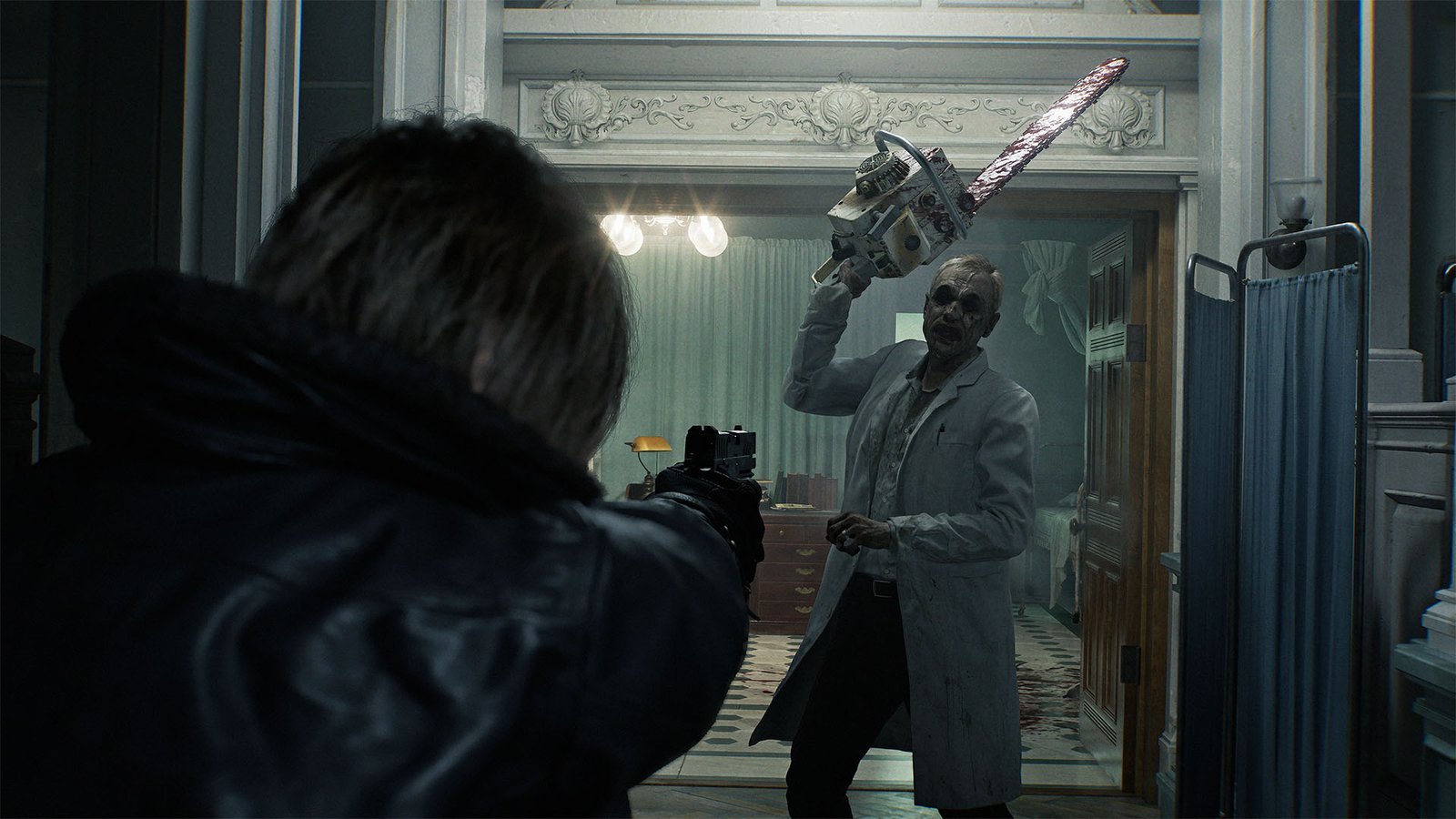
This version of Leon feels shaped by everything that came before him. Capcom acknowledges that directly.
“He’s 49 in Resident Evil Requiem… although he’s often portrayed as this really cool character with a particular sense of humour, actually he has a really heavy burden.”
That burden is felt in how Leon moves, fights, and endures. His sections are not about power for its own sake. They are about survival through experience, and the exhaustion that comes with it.
The introduction of enemies like the Blister Heads reinforces this. These mutated zombies are not simply tougher foes. If their heads or cores are not dealt with properly, their fluids can infect nearby bodies, accelerating further mutations. Clearing a room becomes a temporary state, not a permanent victory.
Grace and the Return of Vulnerability
Leon’s momentum is deliberately interrupted when he meets Grace. The moment is brief and understated, but it carries significant weight. Before any sense of partnership can settle in, a certain Victor Gideon intervenes, forcibly separating the two.
This is where Resident Evil Requiem pivots. From action into vulnerability. From release back into tension.

Taking control of Grace immediately reshapes the experience. She is not designed for combat, and the game never tries to disguise that. Every sound feels dangerous. Every space feels hostile. Fear comes not from constant pursuit, but from the knowledge that confrontation is rarely the right answer.
Grace’s gameplay is rooted in classic survival horror principles. Progression comes from environmental puzzles, careful exploration, and observation. Finding the correct tools, interpreting visual clues, and determining the right sequence of actions form the backbone of her sections. Silence becomes oppressive, and even familiar spaces feel unsafe.
Capcom positions Grace as both an emotional and mechanical entry point.
“Grace is a medium to which newcomers can experience the game and learn about the Raccoon City tragedy… she learns everything from zero.”
That learning process is reflected directly in how the game plays.
Blood, Crafting, and the Cost of Survival
One of the most striking additions in Grace’s sections is the new crafting system built around infected blood. Using the Blood Collector tool, Grace can harvest blood from defeated enemies or from the environment itself, including buckets of viscera scattered throughout the area.
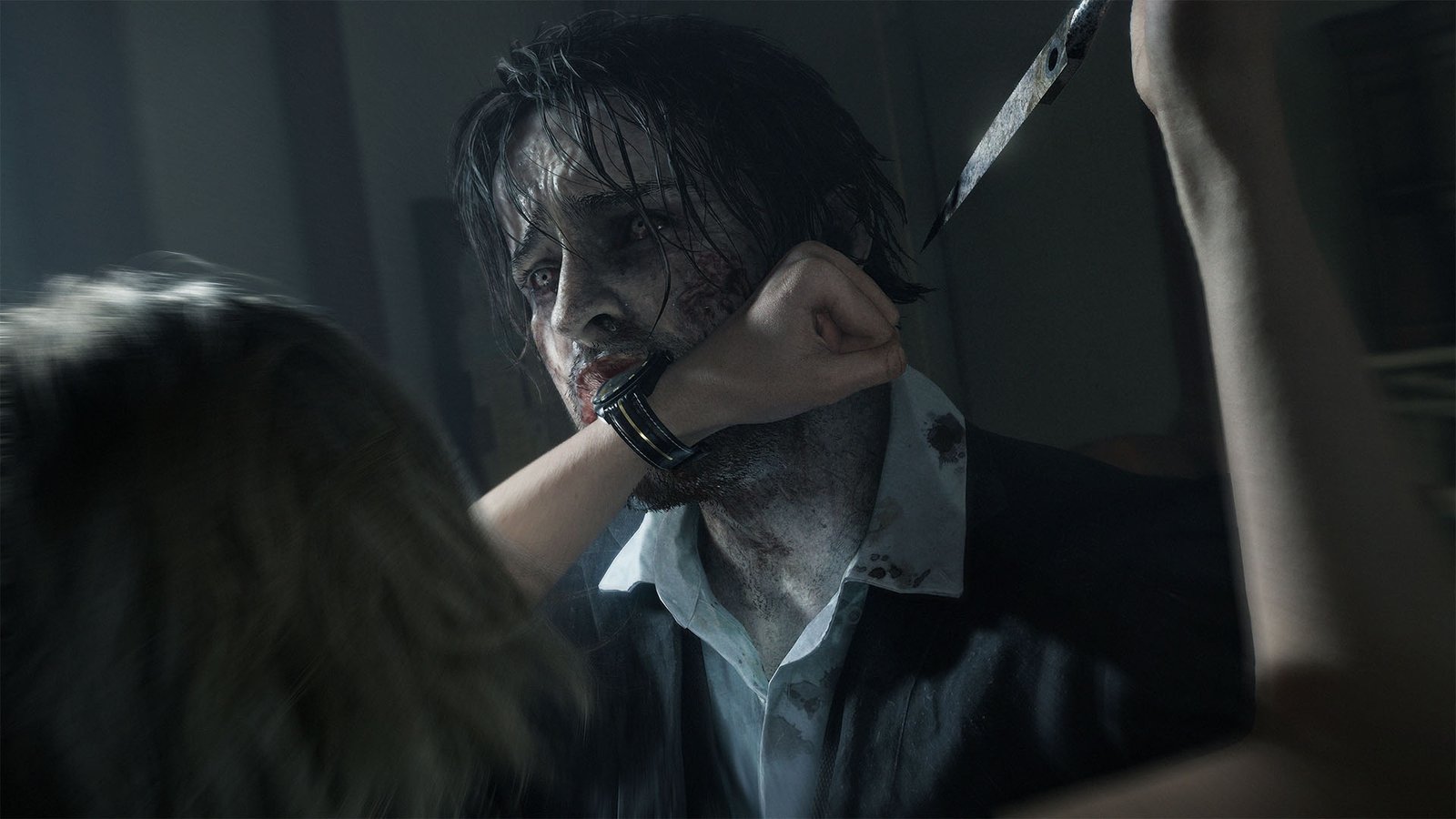
Crafting is not immediate. Blood samples must first be analysed using a laser microscope, unlocking new recipes through a focused mini game that involves activating atoms in sequence. It is a small but effective system that reinforces Resident Evil Requiem‘s emphasis on patience and observation.
The rewards are meaningful but never abundant. Ammunition, healing items, and tools like the Hemolytic Injectors provide moments of relief, but resources remain scarce. Used in stealth, these injectors allow for satisfying kills that cause enemies to rupture violently. Used carelessly, they can leave you exposed.
Mutation That Refuses to Stay Quiet
Resident Evil Requiem‘s most unsettling idea is how it treats death as unfinished business. Enemies do not simply disappear once defeated. Bodies left unattended can mutate over time, turning previously cleared areas into new hazards. Heads that are not destroyed properly may give rise to faster, more aggressive Blister Heads.
This transforms backtracking into a genuine risk. Areas you thought you understood can evolve in your absence, forcing you to rethink routes and priorities. Capcom describes this unpredictability as central to the experience.
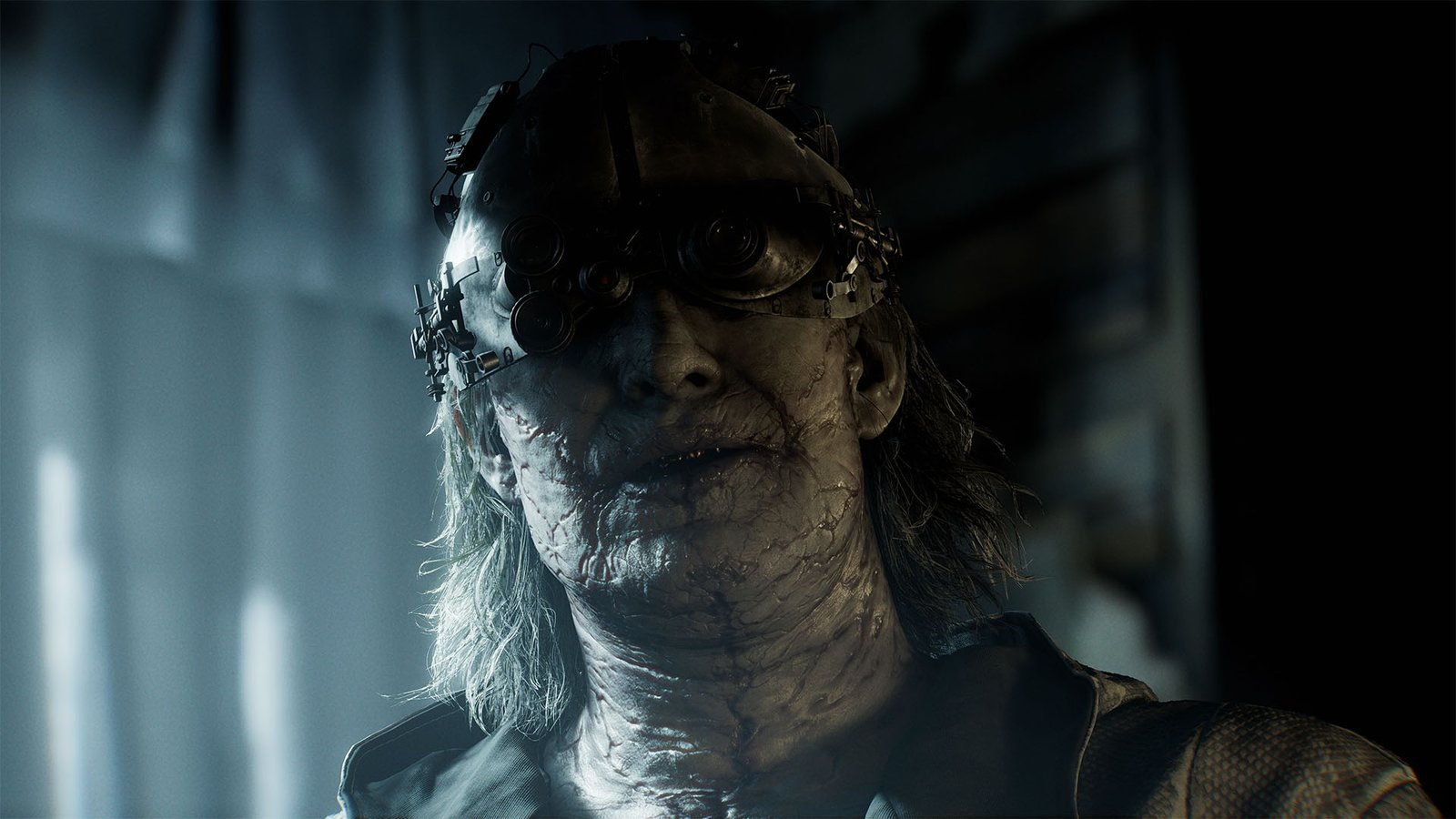
“When we add this bubble of unpredictability… users cannot just blindly rush zombies… they have to actually think what each zombie does and sometimes be scared about some of the things they are doing.”
Fear in Requiem lingers because the world remembers what you leave behind.
Behaviour Driven Horror and Environmental Control
Adding to this tension is how enemies behave. Zombies are governed by routines that echo fragments of their former lives. Cooks continue working in kitchens. Cleaning staff obsessively scrub floors. These behaviours are unsettling, but also exploitable.
Noise, light, and environmental interaction all influence enemy movement. Breaking objects, turning on lights, or shifting obstacles can redirect threats without direct confrontation. Special variants, such as massive, bulbous creatures capable of smashing through doorways or becoming stuck in tight spaces, further complicate navigation and force improvisation.

The environment itself becomes a tool, but one that demands restraint.
Two Paths, One Unforgiving World
What ultimately defines Resident Evil Requiem is how these systems intersect. Leon and Grace are not playing separate games. They are navigating the same world under different constraints, with consequences that persist.
Leon’s power feels earned because Grace’s vulnerability exists. Grace’s fear feels sharper because players understand what strength looks like and what it costs. Together, they form a cohesive vision of survival horror that values restraint as much as action.
Capcom’s intent is not to abandon what Resident Evil has become, but to refocus it.
“For Resident Evil Requiem we actually thought, let’s take a step back and retrace our original steps.”
A Confident Step Forward
This latest taste of the adventure makes it clear that Resident Evil Requiem is not chasing spectacle. It is refining the series’ foundations, grounding its horror in systems that demand attention, patience, and consequence.
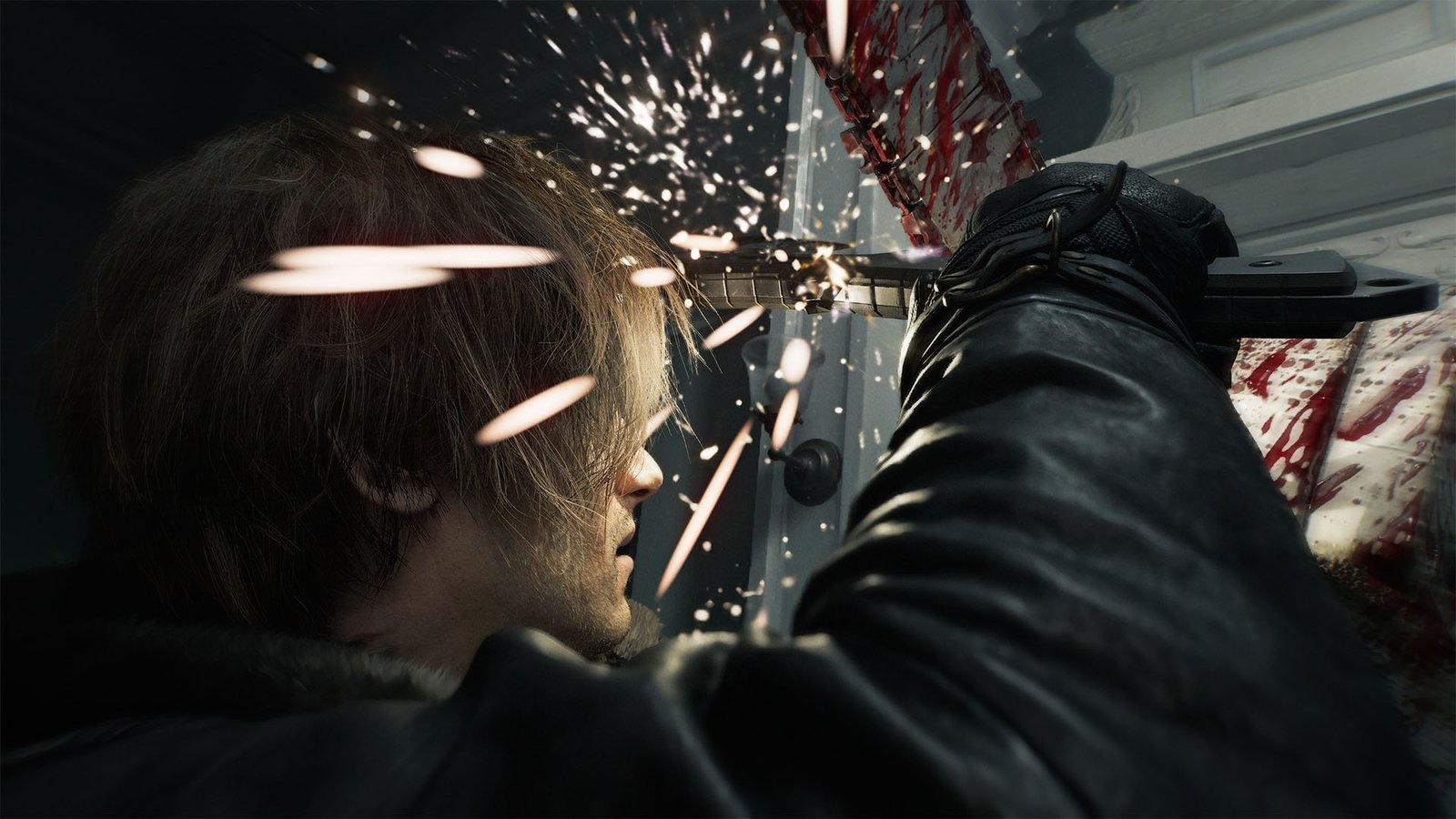
For Leon, survival is about control under pressure. For Grace, it is about perception and restraint. For the player, it is about understanding that safety is always temporary.
If this build is any indication, Resident Evil Requiem is shaping up to be one of the most thoughtful entries the franchise has produced in years, and one that places survival horror firmly back at its centre.
Resident Evil Requiem launches on February 27, 2026, for PlayStation 5, Xbox Series X|S, Nintendo Switch 2, and PC.
