

Table of Contents
Return of the Ancients Brings a Major Endgame Reset to Path of Exile 2
Grinding Gear Games is treating Return of the Ancients as a structural endgame overhaul rather than a seasonal refresh for Path of Exile 2. Launching May 29, the update combines a new league, a rebuilt Atlas flow, and a sizeable batch of bosses and storylines that are meant to make endgame progression feel more intentional.
The biggest promise is friction reduction without flattening complexity. Path of Exile’s endgame has always rewarded planning, but it can also bury players under layers of randomness and hidden requirements. Return of the Ancients aims to maintain depth while making the path to key fights and long-term goals easier to understand, especially for players stepping into the endgame loop for the first time.
There is also an explicit content claim here: more than 50 hours of new endgame content, six storylines, and 15 bosses. Even allowing for marketing optimism, the scope reads like a true “season headline” update rather than a typical balance-and-loot pass.
Runes of Aldur Turns Crafting Into a Risk Loop You Have to Survive
The new league, Runes of Aldur, is built around Ezomyte Runesmithing in Path of Exile 2. The core idea is not simply crafting more items, it is crafting an encounter. Players inscribe runes into Remnants to generate gear, then the game spawns undead that are empowered by those same runes, effectively turning your crafting choices into the combat modifiers you must overcome.
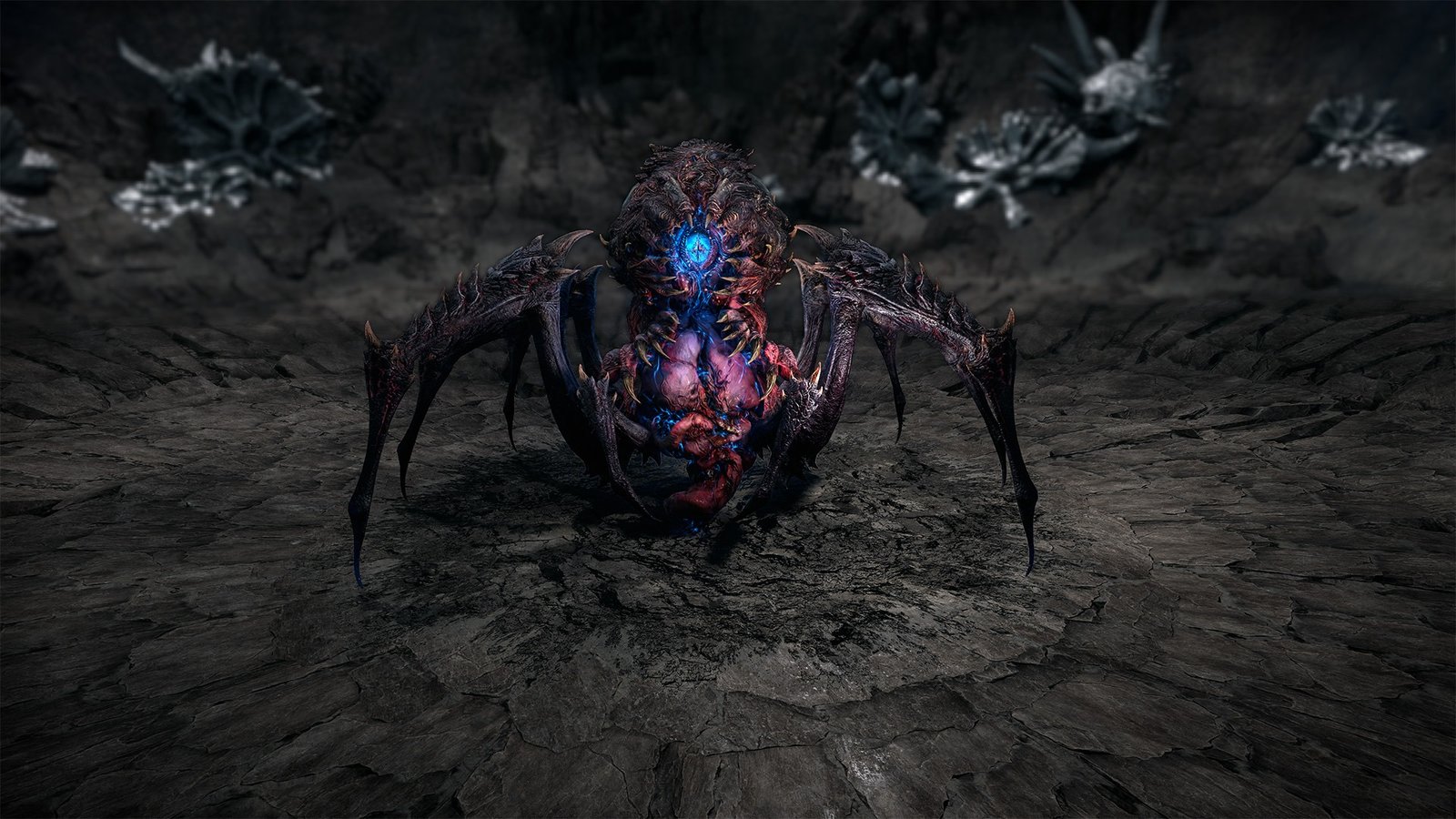
That design has two implications. First, it pushes players to think about crafting as a build decision rather than a slot machine. Second, it makes “going bigger” carry an immediate risk. More ambitious crafts can escalate into additional waves and stronger effects, creating a loop where pushing for better outcomes also makes failure more expensive.
Runesmithing also introduces Verisium and a defensive layer called Runic Ward. Certain Kalguuran skills spend Runic Ward rather than mana, which opens up build options for characters that normally struggle with resource management. The intent is to make the new league mechanic feel usable across a wide range of playstyles, not just a narrow set of meta builds.
The Atlas Becomes More Legible, With a Fortress That Changes the Map
Return of the Ancients also rethinks how the Atlas communicates goals. Instead of feeling like a wide-open system that requires external knowledge to navigate efficiently, the update aims to make endgame direction clearer through fixed points of interest and more structured objectives.
The major set-piece is the Fortress. When players begin moving toward towers, a massive fortress rises from the ground, opening a new storyline about disarming precursor weapons and pushing deeper into the endgame’s most dangerous content. The goal here is to give the Atlas a narrative spine that sits alongside the farm loop, so progression does not feel like pure spreadsheet optimisation.
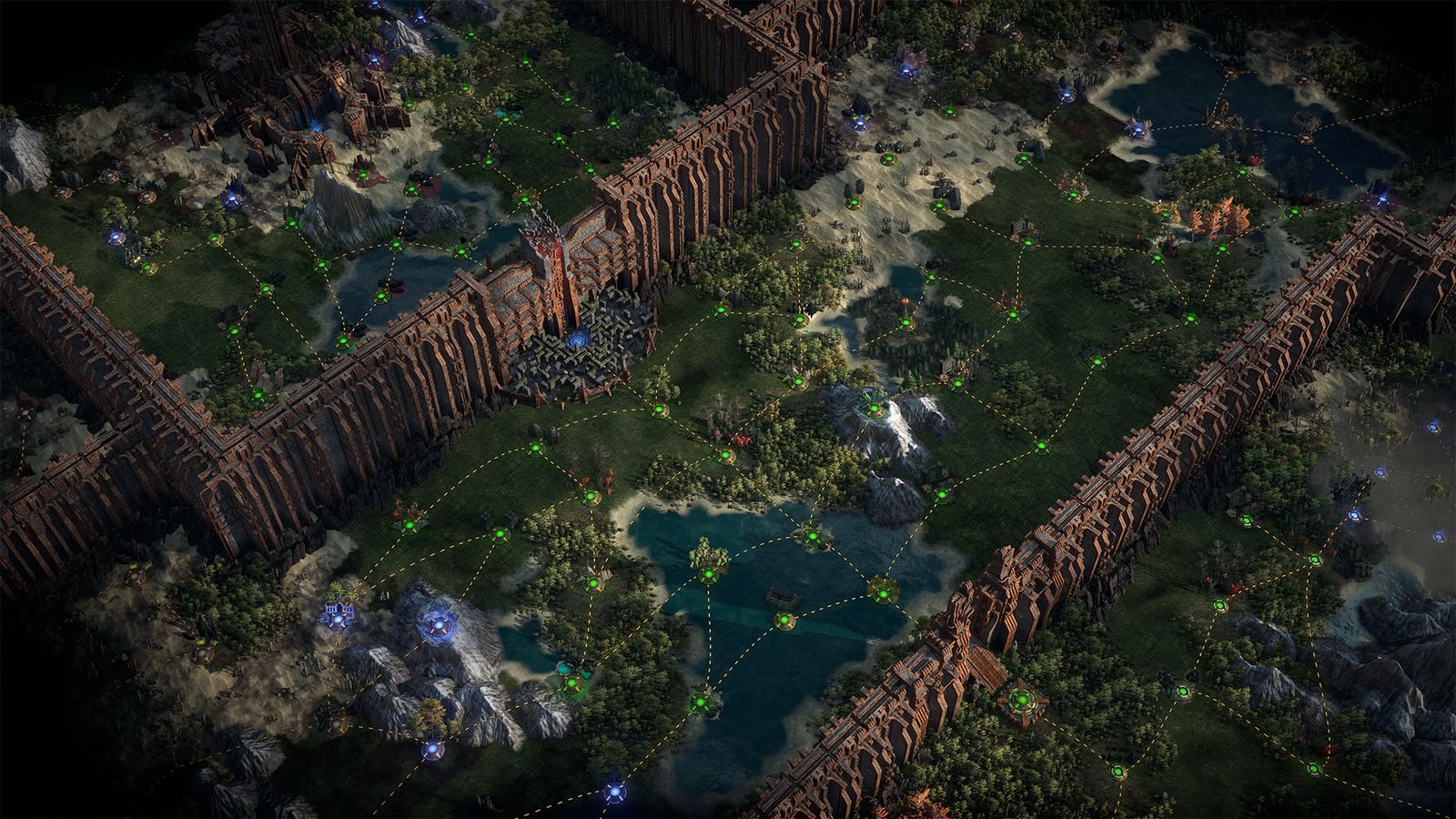
This is also where the update for Path of Exile 2 aims to address a long-standing pain point: access to marquee content. A clearer map and stronger quest framing mean players can understand what to do next without relying on out-of-game guides for basic direction.
Boss Questlines Replace the “Did You Get the Drop” Problem
One of the most meaningful changes is how players first encounter bosses. Return of the Ancients ties endgame bosses to dedicated questlines rather than expecting players to randomly acquire specific keys or access items just to see the fight once.
This does not remove farming. Keys still matter for repeat attempts, higher tiers, and harder variants. What changes is the first-time experience. Players can now learn the fight, understand its mechanics, and build confidence through a clear progression track before the endgame expects them to grind for access.
It is a small philosophical shift with a big impact. It keeps the chase intact for long-term players, but removes the sense that endgame bosses are locked behind opaque randomness before you even know what you are chasing.
A Reworked Atlas Tree and a New “Masters” Layer for Endgame Builds
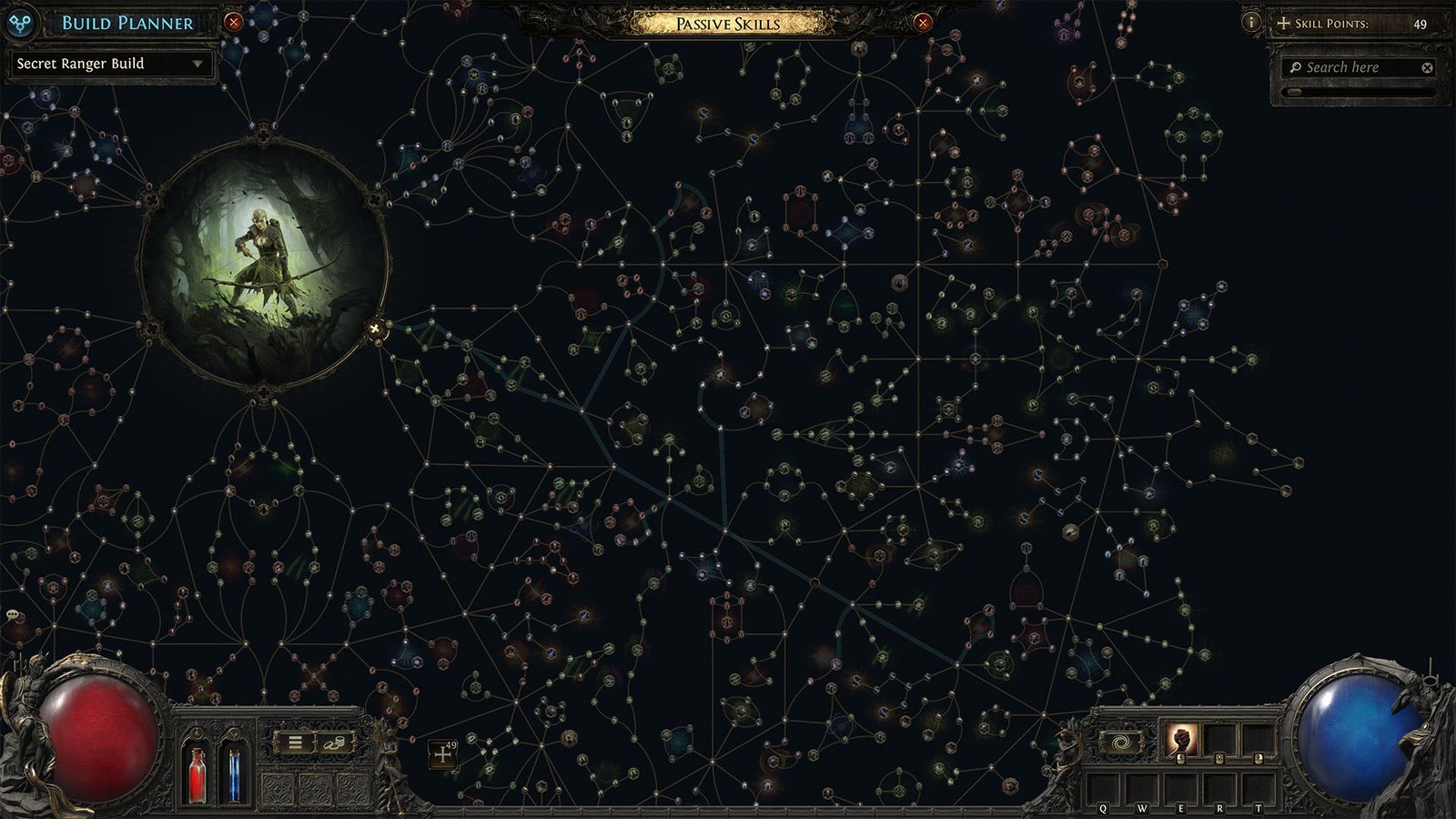
Return of the Ancients also refreshes the Atlas passive tree and the way it is allocated. Progression is tied to the fortress, and many nodes move toward multi-choice decisions rather than linear upgrades. This gives players more agency to shape the endgame they want, without constantly respecing to follow seasonal trends.
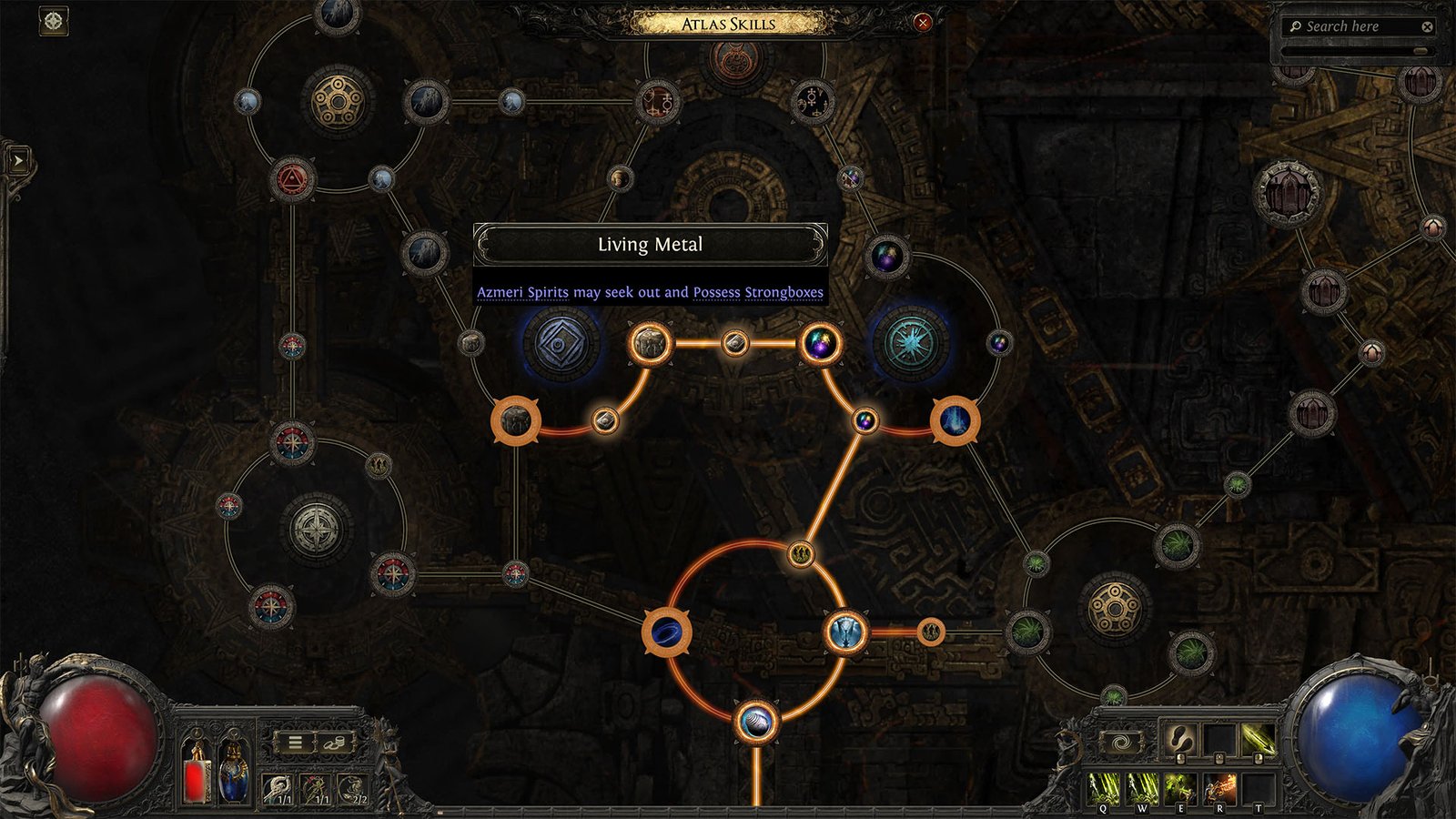
More interesting is Masters of the Atlas, a second progression layer that functions like an endgame Ascendancy system. It is designed to be swappable between maps, enabling quick pivots between strategies depending on what you want to farm. That flexibility is important for modern ARPG pacing, where players often switch between loot goals rather than locking into a single method for an entire season.
If it lands as intended, Masters could reduce the sense of wasted time when players want to change direction. Instead of rebuilding the entire setup, you can shift your endgame bonuses to match a new loop and keep moving.
Two New Ascendancies Add Identity, Not Just Power
The character side of the update is anchored by two new Ascendancies. Spirit Walker is a Huntress Ascendancy built around Azmerian spirit attunement and the ability to tame certain beast bosses. That is a strong identity feature because it changes the relationship between combat and progression. If taming is meaningful and not just cosmetic, it becomes a build-defining mechanic rather than a passive bonus list.
Martial Artist is a Monk Ascendancy with a different flavour: illusions, bells, runic tattoos, and glove transformations through Way of the Stonefist. The kit suggests a more expressive combat identity and signals that GGG wants Ascendancies to feel like gameplay changes, not just numbers.
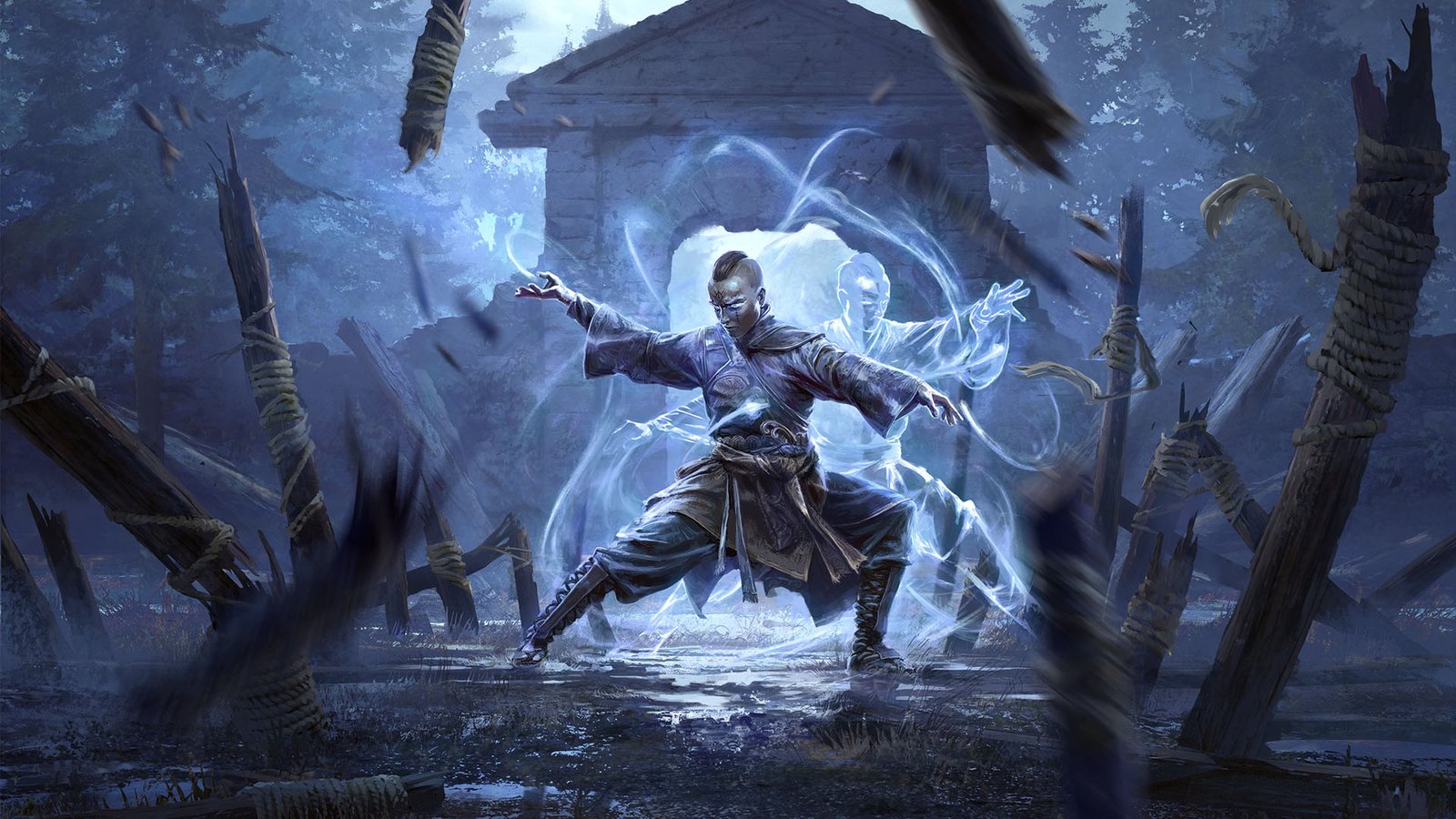
Ascendancy additions matter most when they widen viable playstyles, not when they add a new best-in-slot option. The real test will be whether these two paths open new builds without collapsing into a single dominant route.
Quality of Life Changes Target Real Pain Points
Return of the Ancients also includes quality-of-life improvements that suggest GGG has been paying attention to the practical friction that adds up during long sessions.
A native in-game Build Guide format aims to make builds more accessible without forcing players to third-party sources. Instant price checking via a Shift-Alt click reduces trade friction. Campaign navigation cues and a live-search Atlas map are both aimed at keeping momentum high, especially for players who do not want to spend half their time scanning menus.
There is also an eight-step Challenges track that rewards a cosmetic armour set, giving players structured milestones that sit alongside the broader endgame chase.
Release Date and What This Means for the Endgame Loop
Path of Exile 2: Return of the Ancients launches May 29. The headline is not one feature; it is how the features connect. Runesmithing introduces risk-based crafting encounters. The Atlas becomes more readable with a Fortress-driven spine. Bosses become reachable through questlines rather than luck. Masters gives endgame builds a second layer of flexibility.
If those parts work together, Path of Exile 2’s endgame could feel less like an endurance test of hidden requirements and more like a system that still rewards knowledge but respects the player’s time.
