

Table of Contents
Diablo IV: Lord of Hatred on PS5 Pro
Diablo IV has never lacked atmosphere, weight, or demonic spectacle. What it has occasionally struggled with is making all that suffering feel like it is building towards something truly conclusive. The Diablo IV: Lord of Hatred expansion from Blizzard Entertainment arrives with that burden on its shoulders.
It is not merely another expansion filled with more loot, more monsters, and another region to carve through. It has to answer the lingering promise of Vessel of Hatred, bring Mephisto’s long shadow into sharper focus, and give players a reason to believe Diablo IV’s live service journey has found a stronger rhythm.
For the most part, it does exactly that. Diablo IV: Lord of Hatred feels like the addition that the developers have been circling for some time, one that understands both the theatrical grandeur of the series and the practical needs of players who return for builds, loot, and endgame progression. It is not flawless, and not every new system feels equally essential, but it is focused where it matters most.
The campaign has urgency, the new classes feel immediately meaningful, and the broader systems refresh gives Diablo IV a healthier foundation than it had at launch.
A Darker Road To Closure

Diablo IV: Lord of Hatred works because it understands the value of finality. The series has always been comfortable with eternal conflict, but endless escalation can become numbing if the story never allows its characters to reach a meaningful breaking point. This expansion gives the current arc that sense of destination. Mephisto’s presence is not treated as just another demonic threat waiting at the end of a checklist.
His influence presses into the world, its people, and the uneasy relationships that have carried Diablo IV from its original campaign through Vessel of Hatred. The result is a campaign that feels more direct and emotionally legible. It still trades in gothic excess, corrupted faith, ruined sanctuaries, and impossible bargains, but Lord of Hatred is strongest when it pulls those ideas back towards its characters.
Lorath, Neyrelle, Lilith, and the Wanderer are not merely dragged through another set of apocalyptic errands. Their histories and failures matter here, and the expansion benefits from letting that accumulated tension surface rather than simply gesturing towards lore. The story also lands because it does not forget the human cost beneath the cosmic mythology.
Mephisto’s manipulation of belief, devotion, and desperation gives Diablo IV: Lord of Hatred a more unsettling texture than another straightforward invasion from Hell. Sanctuary has always been a miserable place to live, but here that misery becomes fertile ground for false salvation. The campaign is at its best when it lets that idea breathe, showing how hatred can wear the mask of hope before revealing its teeth.
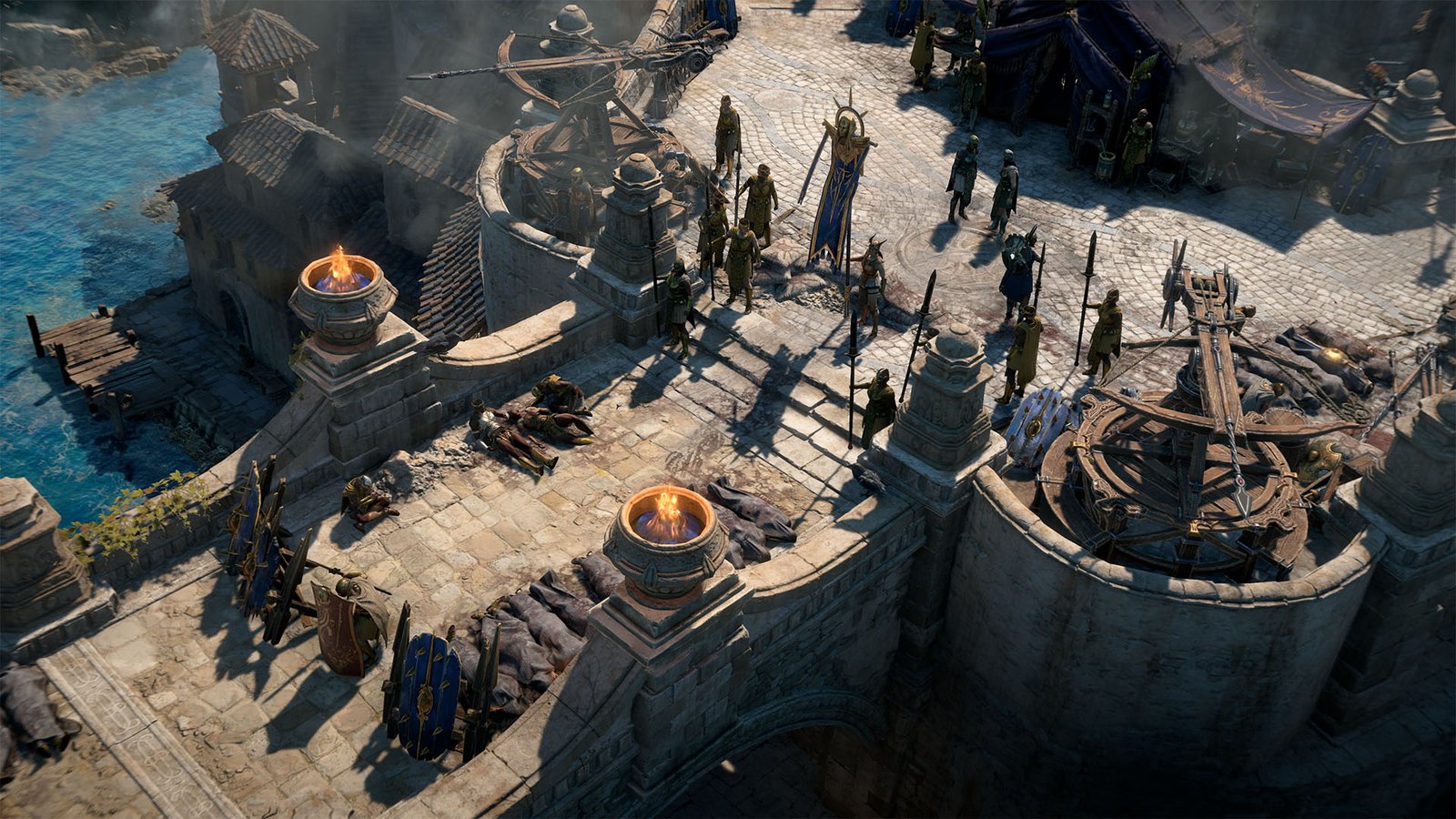
It is not entirely immune to unevenness. A few turns feel like they move too quickly, and some story beats would benefit from more room to settle. Even so, Lord of Hatred feels more complete than Vessel of Hatred. It has the confidence of an expansion that knows what it is resolving, and while Diablo IV will almost certainly continue in some form, this chapter does not feel like it is merely holding the next one hostage.
Skovos Brings Beauty To A Rotting World
Skovos is an important addition because it gives Diablo IV: Lord of Hatred a different visual temperature without losing its sense of decay. Sanctuary’s familiar gloom can still be powerful, but over time, its snowbound misery, ruined chapels, and mud-soaked roads risk blending into one oppressive smear. Skovos brings sunlight, coastline, temples, forests, and Mediterranean-inspired architecture into the frame, creating a setting that feels brighter on the surface yet no less poisoned underneath.
That contrast gives the expansion some of its strongest visual storytelling. Diablo IV: Lord of Hatred does not simply use beauty as relief from darkness. It turns beauty into something vulnerable. Clear waters, warm stone, and sacred spaces become disturbing precisely because they feel worth protecting. When corruption spreads through this region, it registers differently from another plague pit or battlefield. There is a sense of violation to it, as though the world is losing one of its last places that remembered how to breathe.
The region also gives combat a fresh sense of place. Fighting through Skovos in Diablo IV: Lord of Hatred has a different rhythm from pushing through older zones, partly because the environment feels less visually exhausted. There are still familiar demonic patterns, but the expansion’s use of sea-born horrors, corrupted wildlife, ancient ruins, and sacred spaces helps the journey avoid feeling like a simple reskin of the mainland.
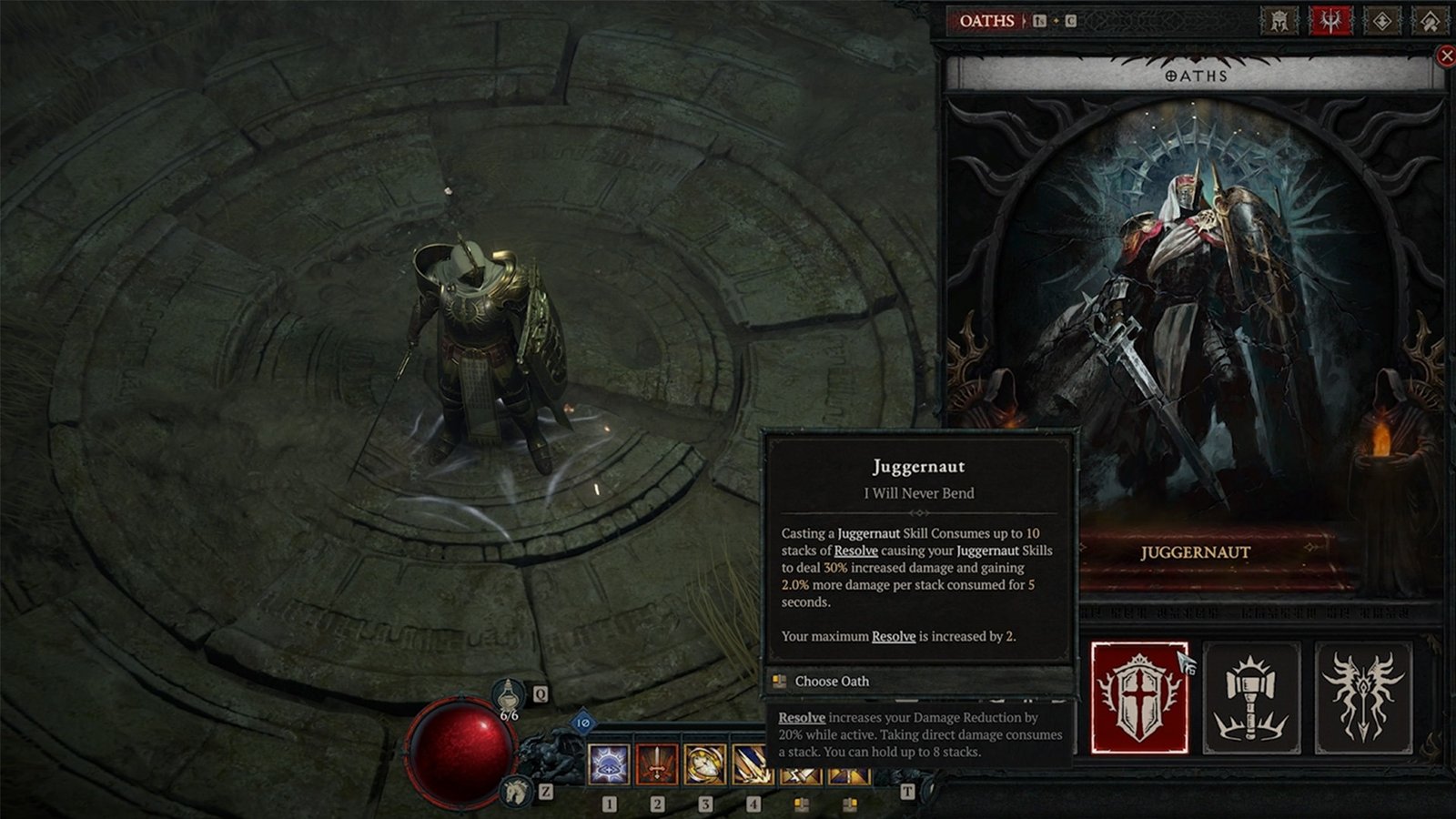
Still, Skovos is stronger as a mood piece than as a fully living region. Some settlements and spaces could use more texture, more incidental life, and more reasons to linger beyond the demands of the campaign or endgame loop. It looks memorable and often feels distinct, but it does not always feel as socially lived-in as Diablo IV’s best towns and hubs. That does not break the expansion, yet it does keep Skovos from reaching its full potential as one of the series’ most important locations.
Warlock And Paladin Give The Fight New Shape
The two new classes are Lord of Hatred’s clearest mechanical win. The Paladin arrives with the immediate pull of legacy, bringing divine violence, shields, auras, and righteous spectacle back into the centre of Diablo’s class fantasy. It is the kind of return that could have coasted on nostalgia, but Diablo IV: Lord of Hatred gives the class enough flexibility to feel modern within the current build ecosystem. Whether leaning into defence, holy damage, aggressive melee pressure, or support flavoured survivability, the Paladin has a satisfying identity from the start.
Warlock is the more interesting thematic addition. It gives Diablo IV: Lord of Hatred a class built around forbidden control rather than simple corruption. The fantasy of weaponising Hell against itself fits neatly into Lord of Hatred’s larger concerns about power, belief, and moral compromise. The class has shades of familiar archetypes, particularly in its relationship to summoning and spellcasting, but it has enough personality to stand out as its demonic tools shift toward a more aggressive build.
What matters most is that both classes benefit from the broader skill tree improvements. Diablo IV: Lord of Hatred makes experimentation feel less dependent on waiting for a specific piece of gear to rescue a build. Abilities have more room to evolve, and the process of shaping a character feels more immediate during the campaign. That is a major improvement for Diablo IV, where the early and mid-game could sometimes feel like a holding pattern before the real build identity arrived much later.
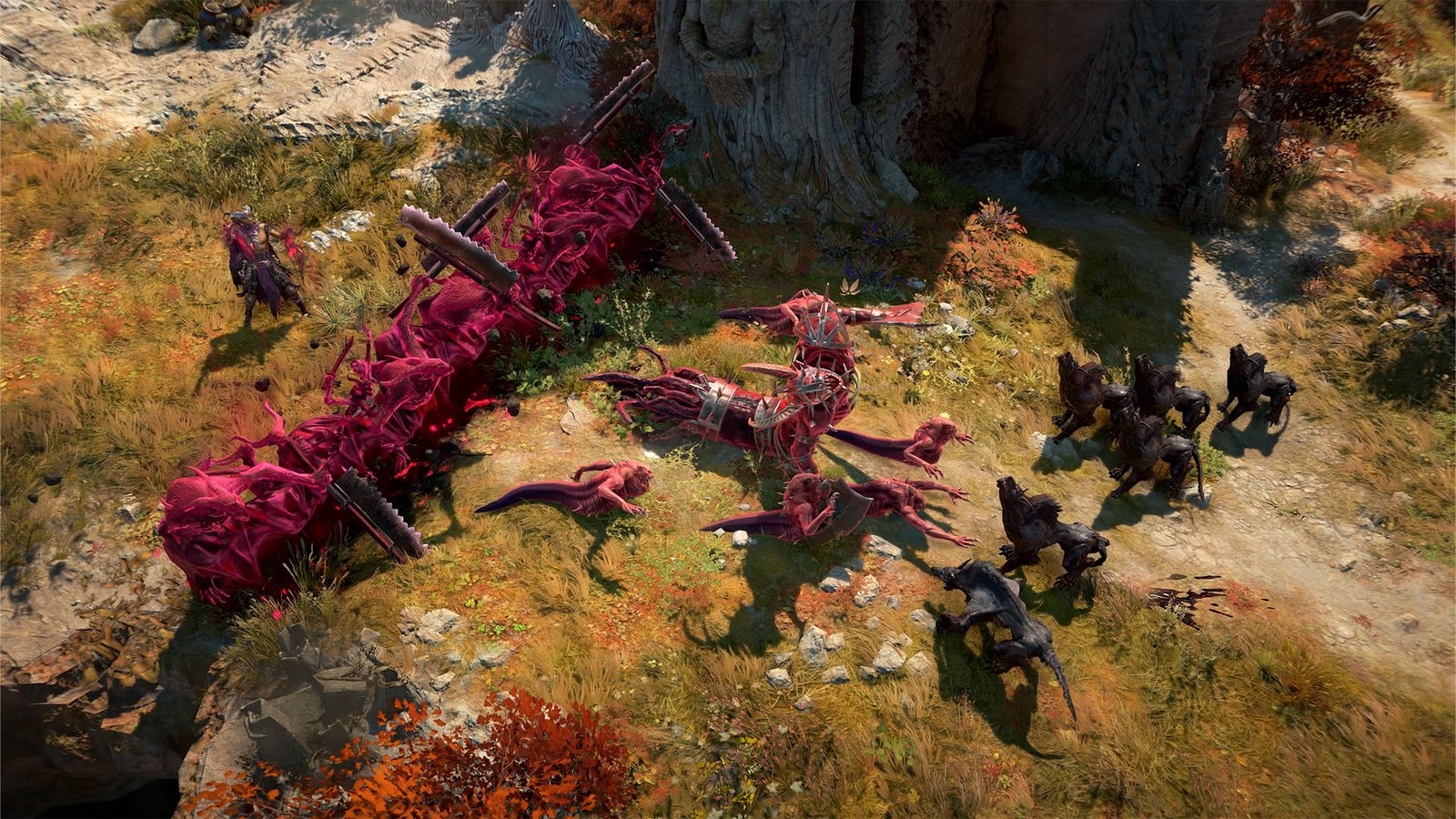
This shift makes levelling more engaging. Instead of treating the campaign as a scenic route towards the actual game, Diablo IV: Lord of Hatred allows the build crafting to begin earlier and feel more expressive along the way. For returning players, that matters. For new players entering through the expanded Diablo IV package, it helps the game make a stronger first impression. The endgame still matters, of course, but the road there is no longer as dependent on deferred satisfaction.
Stronger Systems, Smarter Friction
Diablo IV: Lord of Hatred’s systems refresh is less flashy than its campaign or classes, but it may be just as important for the game’s long-term health. The loot filter, skill tree changes, Talismans, Horadric Cube-style crafting, level cap increase, and wider build options all point to a game that is becoming more comfortable with depth without sacrificing accessibility. Diablo IV does not need to become Path of Exile to satisfy its audience. It needs enough meaningful choices for players to feel that their builds are authored rather than assembled from obligation.
Talismans fit neatly into that philosophy. They add another layer of customisation without requiring the entire game to be rebuilt around them. The system gives players more to consider when fine-tuning a character, especially once set bonuses and charm combinations begin to matter. It is not the sort of addition that will instantly change how every player thinks about Diablo IV, but it deepens the already satisfying loop of chasing the next small improvement.
War Plans are similarly practical. Rather than functioning as a wholly new form of endgame content, they organise existing activities into a cleaner and more directed structure. That may sound modest, but Diablo IV: Lord of Hatred has accumulated enough overlapping endgame systems that clarity is now a feature in itself. Being able to move through preferred activities with clearer progression and rewards makes the post-campaign experience less scattered.
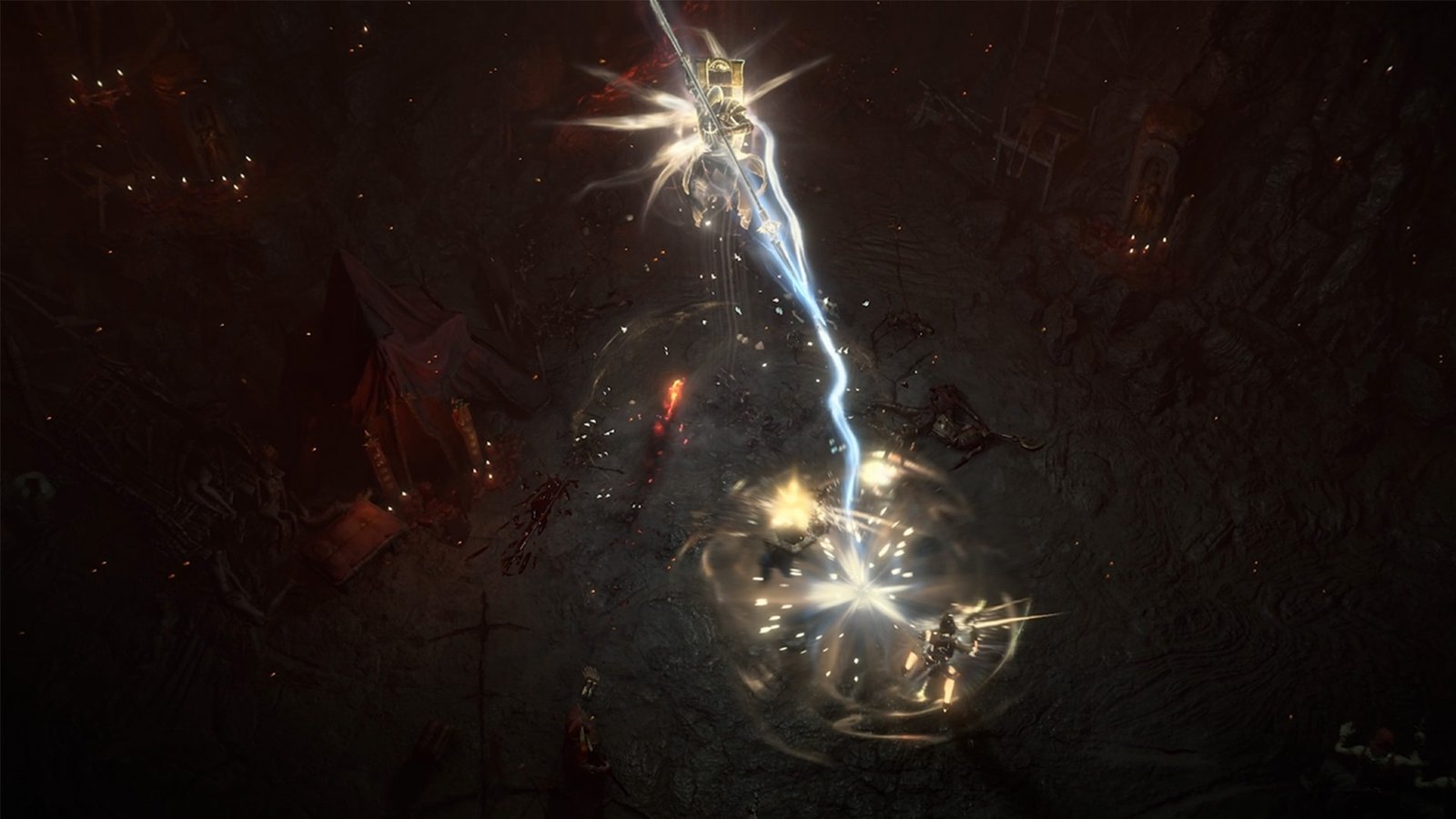
The limitation is that War Plans do not fully escape the feeling of being a management layer. They help players engage with the endgame, but they do not radically reinvent it. Echoing Hatred and fishing also sit in that space between welcome and essential. They add variety and texture, but they are not the reasons Diablo IV: Lord of Hatred succeeds. The real strength is that the expansion makes the whole game feel less messy, less hesitant, and more confident in how it wants players to keep returning.
A Fierce Expansion That Finds Its Finish
Lord of Hatred is not just more Diablo IV, it is Diablo IV with a clearer sense of purpose. The expansion brings the current saga to a satisfying close, gives the game two strong classes, and strengthens the systems that determine whether players will stay after the credits. That combination matters because the journey thus far has not been perfectly smooth. The game has had to grow in public, respond to criticism, and rework major parts of itself while still maintaining the weight of a premium action RPG.
The Diablo IV: Lord of Hatred expansion suggests Blizzard has found a much better balance. There are still small cracks. Skovos could feel more alive, some secondary systems are lighter than expected, and War Plans are more useful than thrilling. Yet these issues sit around the edges of an expansion that gets the central things right. It understands spectacle, but it also understands pacing. It offers nostalgia, but not as a substitute for design. It expands Diablo IV, but more importantly, it refines it.
For players who drifted away after the base game or felt short-changed by Vessel of Hatred’s cliffhanger, Diablo IV: Lord of Hatred is the strongest argument yet to return. It gives Sanctuary a chapter worth remembering, and it makes the act of building, fighting, and chasing power feel more rewarding along the way. This may still be a game about endless darkness, but Lord of Hatred finally provides that fire and I dare say, more than a sliver of hope.
Diablo IV: Lord of Hatred launches on April 28 on PlayStation 4, PlayStation 5, Xbox One, Xbox Series X|S, and PC.
SavePoint Score
Summary
Diablo IV: Lord of Hatred is the kind of expansion that fans needed, pairing a stronger campaign with meaningful class and systems changes that make Sanctuary worth returning to and continue fighting for.
