

Table of Contents
Football Manager 27 on PC
The promise of a new season starts long before the first ball is kicked. There is a squad to assess, a transfer budget to stretch, and a tactical idea that looks convincing on paper, even if the players tasked with carrying it out have other ideas. Somewhere in the middle of all that planning is the joy that has kept football fans returning to the dugout for decades: the possibility that, given enough time and a little ingenuity, a club can become something special.
For Football Manager 27, that promise comes with added pressure. Sports Interactive and publisher SEGA have spent the past few years rebuilding the series, with the cancelled Football Manager 25 giving way to a divisive Football Manager 26 and its transition to a new engine. The result was an ambitious fresh start, but one that left plenty of managers wondering when their favourite simulation would feel fully settled again.
This year’s entry takes meaningful steps towards answering that question. More accessible tactical information, a tidier interface, and a quicker route between fixtures make running a club easier to follow, without abandoning the depth that gives those decisions their weight. However, with awkward match behaviour, some missing features and an increased emphasis on training, the road back to the top still has a few obstacles.
Turning Ideas Into Action
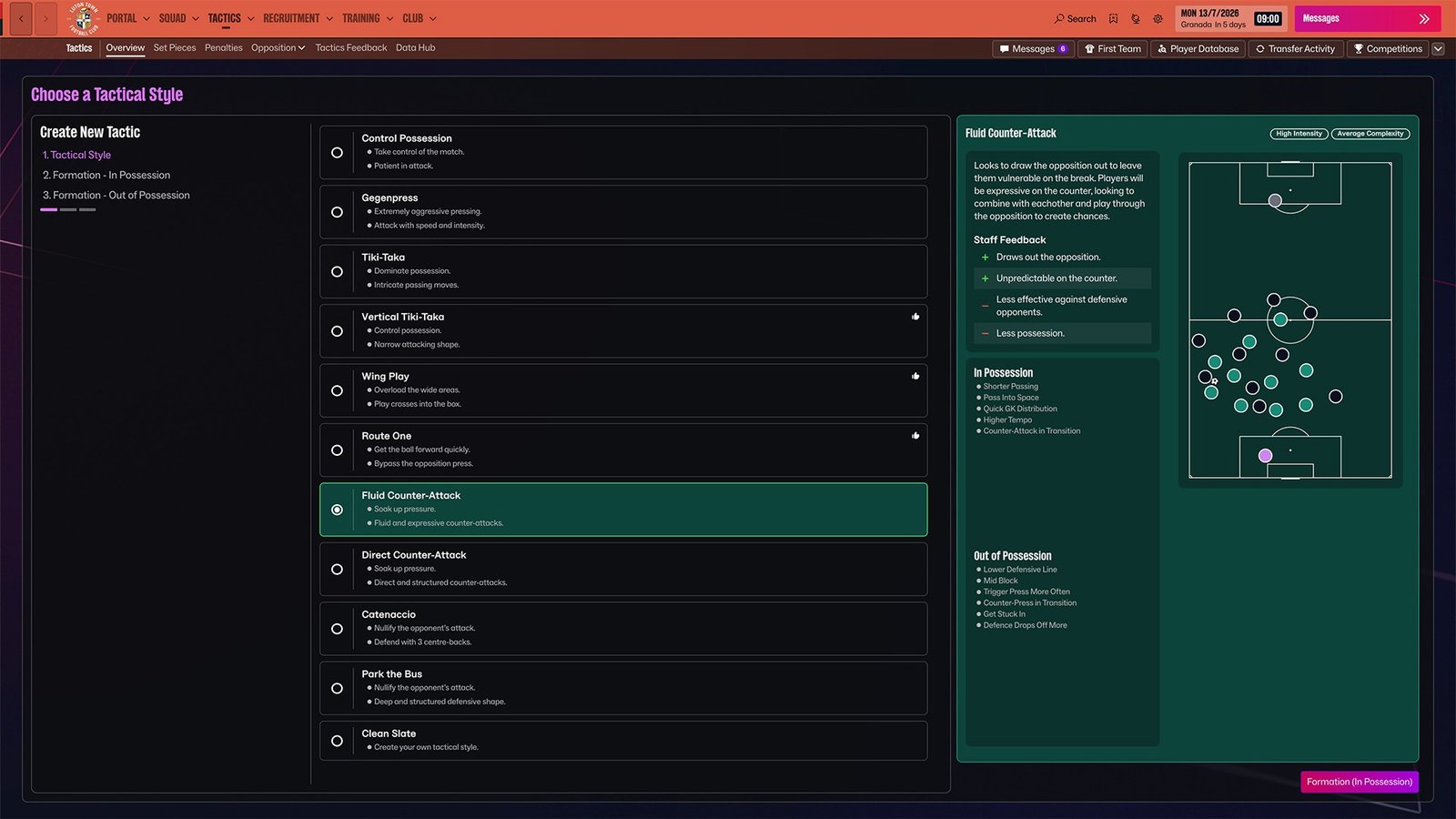
A good tactical plan is about more than choosing a formation and asking everyone to run harder. A manager might want a high defensive line, aggressive pressing and quick passing, but those instructions are only as useful as the players’ ability and willingness to carry them out. Football Manager 27 puts that relationship at the heart of its approach through Tactical Effectiveness, a system designed to show how prepared a team is to execute its manager’s ideas.
Rather than treating tactics as a collection of isolated instructions, the game connects them to the squad’s abilities, their understanding of the system, their buy-in, and the preparation taking place during training. The official tactical breakdown describes a measure that can change as those factors develop, encouraging managers to think about whether their ambitions suit the players at their disposal.
That distinction gives disappointing results a more useful context in Football Manager 27. If a side struggles to press cohesively or move the ball with purpose, there is now a clearer route towards considering whether the plan is too demanding, the players are poorly suited to it, or the team simply needs more time on the training ground. It will not identify one magic fix for every defeat, but it gives managers more to work with than an instinctive scramble through instructions.
The system also makes the connection between a manager’s philosophy and the wider work of running a club more convincing. A demanding style might be attractive, but a lower-league side with limited technical ability and little time to prepare may need something more modest. Equally, a talented team cannot be expected to absorb a complicated new approach immediately, regardless of how impressive the names look on the team sheet.
The trade-off is that Tactical Effectiveness can feel like an unusually powerful force in Football Manager 27, where many factors are meant to influence the outcome. When poor familiarity appears to translate into players making conspicuously basic mistakes, the result can look less like an imperfect tactical fit and more like professional footballers forgetting how to play. Greater visibility is welcome, but the system’s effects are not always expressed with the nuance the idea deserves.
Building a Team That Believes
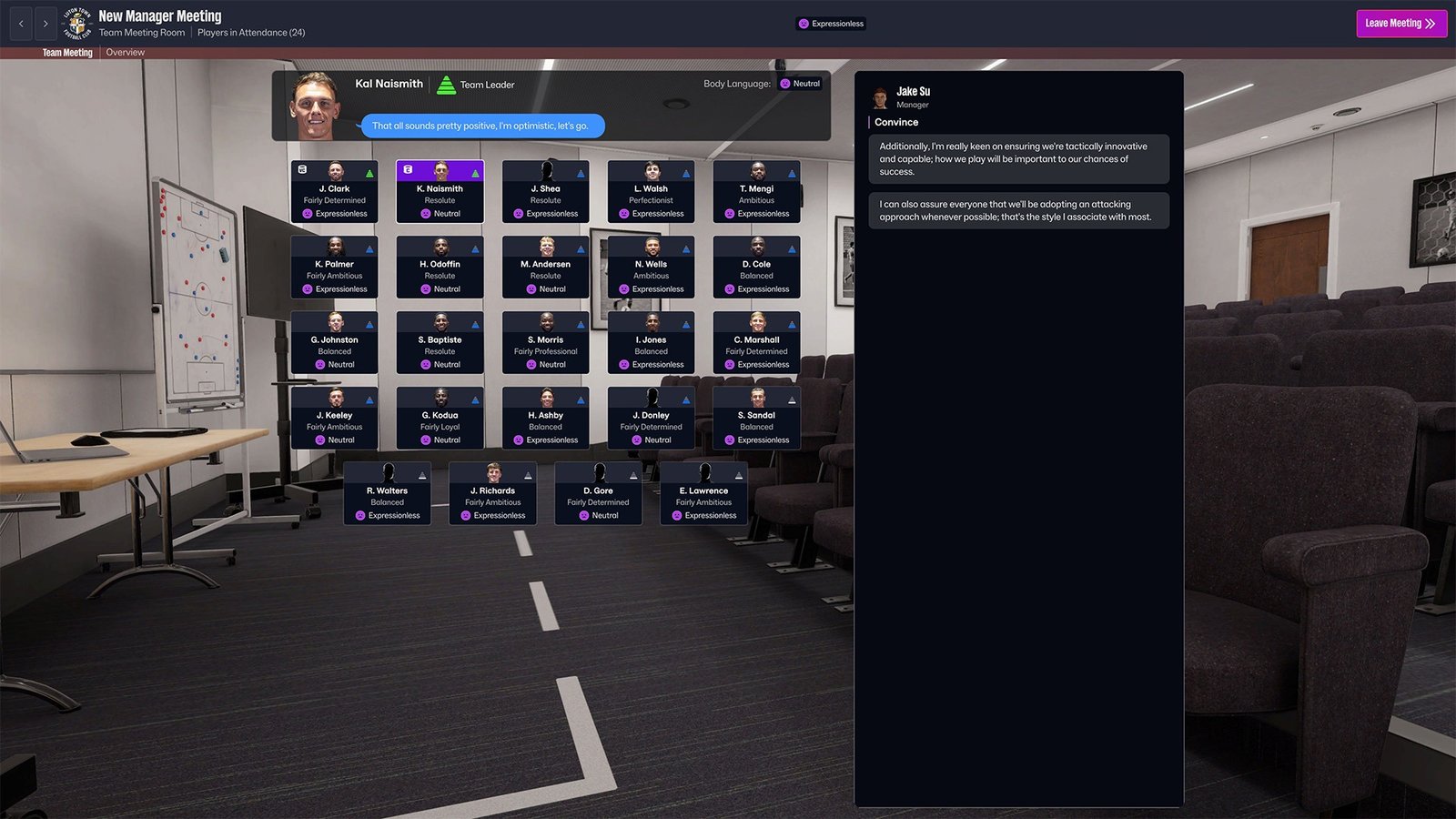
Recruitment also demands an eye for tactical fit. A signing’s suitability for the existing approach sits alongside price, wages, age and whether the board will approve the deal. That gives squad building a stronger sense of purpose in Football Manager 27.
A manager seeking to press from the front must think about whether an attacker can contribute without the ball, while a side looking to play through midfield needs players comfortable with the demands placed on them. In both cases, the appeal lies in assembling a group whose individual strengths support a shared idea, rather than collecting the highest-rated names available.
There is pleasure in allowing that plan to develop over several seasons in Football Manager 27. A promising youngster can grow into a role, a budget signing can become indispensable, and a tactical compromise made during a difficult first year can eventually give way to something more ambitious. The series has always excelled at creating those personal stories, and Football Manager 27‘s clearer connections between recruitment, preparation and performance give them an appealing structure.
Training, meanwhile, becomes harder to ignore. Giving the squad time to understand an approach and prepare for matches can make a tangible difference, lending weight to a part of management that some players may previously have handed to their staff. The extra involvement can be satisfying when improvements on the pitch appear to reflect the work put in during the week.
However, a more hands-on approach is not equally appealing to everyone. Building tactical understanding can demand sustained attention, and managers who prefer to delegate may find that the relationship between preparation and results leaves them feeling obliged to revisit schedules more often than they would like. The added depth of Football Manager 27 creates worthwhile decisions, but it can also turn an area some players consider routine into another persistent obligation.
A Smoother Route Through the Season
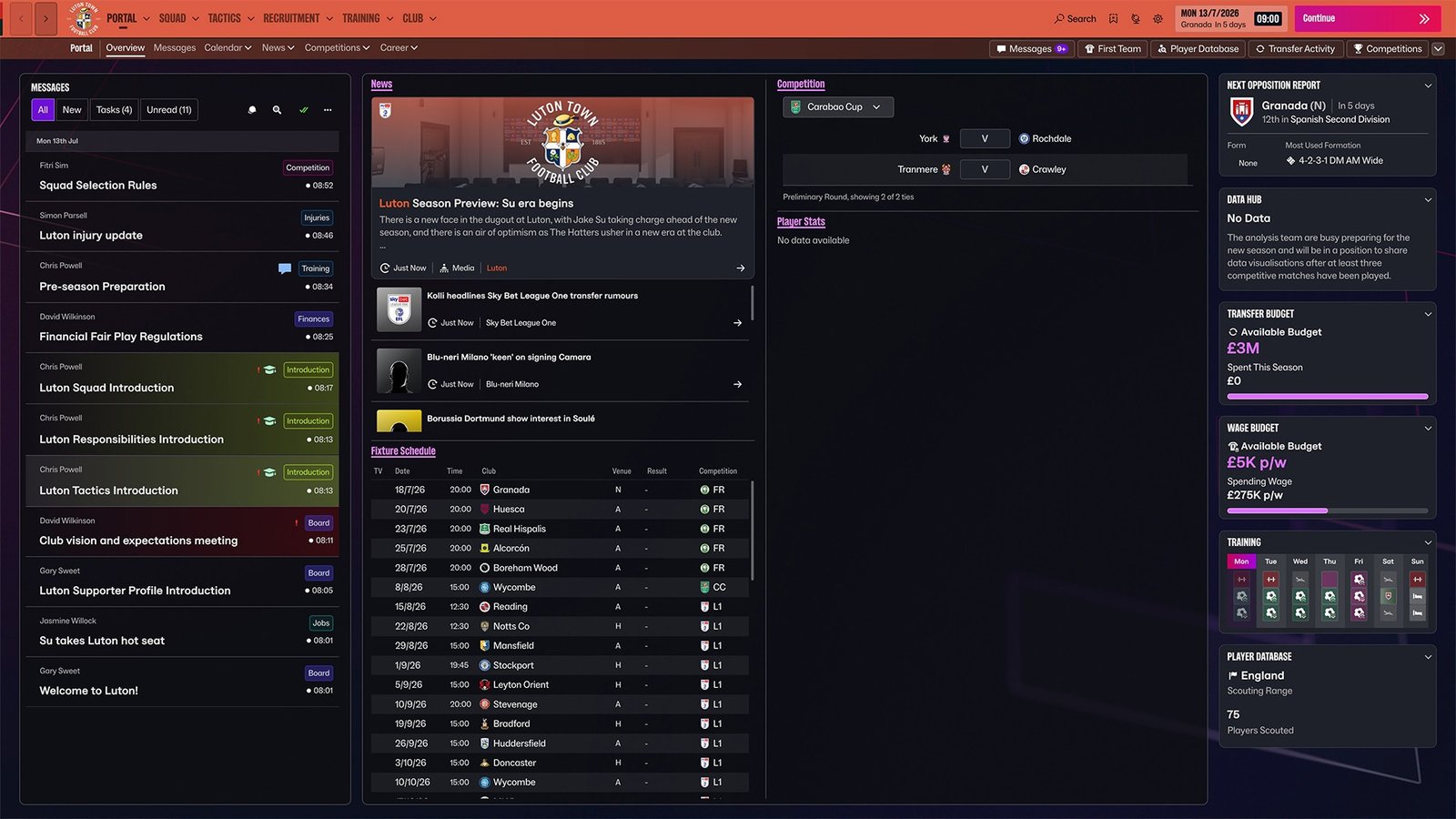
Much of a manager’s time is spent away from the touchline, moving between reports, player profiles, messages and tactical screens. The best interface lets those decisions take centre stage; the worst makes finding the relevant information feel like an administrative task in itself.
Following the mixed response to the previous game’s redesign, Football Manager 27 makes a welcome effort to reduce that friction. Screens are generally easier to navigate, information is more clearly presented, and the interface feels less dominated by the large tiles that made FM26 cumbersome for some players. The changes follow the priorities outlined in Sports Interactive’s earlier navigation plans, and their value becomes clearer the longer a save continues.
There is also more control over how the game moves between fixtures. The Continue Flow options let managers adjust how often progression pauses for inbox items and other events. Those who enjoy reviewing every update can take a more deliberate route, while players eager to reach the next match can choose a more streamlined rhythm.
It is an understated improvement, but an important one in Football Manager 27. A management career finds its greatest rewards over time, whether that means bringing an academy graduate into the first team or steering a struggling club towards promotion. Reducing unnecessary interruptions helps those longer arcs maintain their momentum, particularly for players who already know which responsibilities they want to handle personally.
The interface is still not entirely free of clutter, though. Some actions remain buried deeper than seems necessary, and the wealth of information on certain screens can make it difficult to focus on the details that matter most. Customisation helps, but it does not always provide enough control to make every panel feel useful or every routine task convenient.
The return of cup draws and Transfer Deadline Day also gives the wider football calendar a little more character. These moments are unlikely to transform a save by themselves, yet they help remind managers that their club exists within a larger sporting world. At the same time, players attached to features from older entries may still notice gaps, including the absence of some analytical views, which makes the rebuild of Football Manager 27 feel ongoing rather than complete.
Watching the Plan Unfold
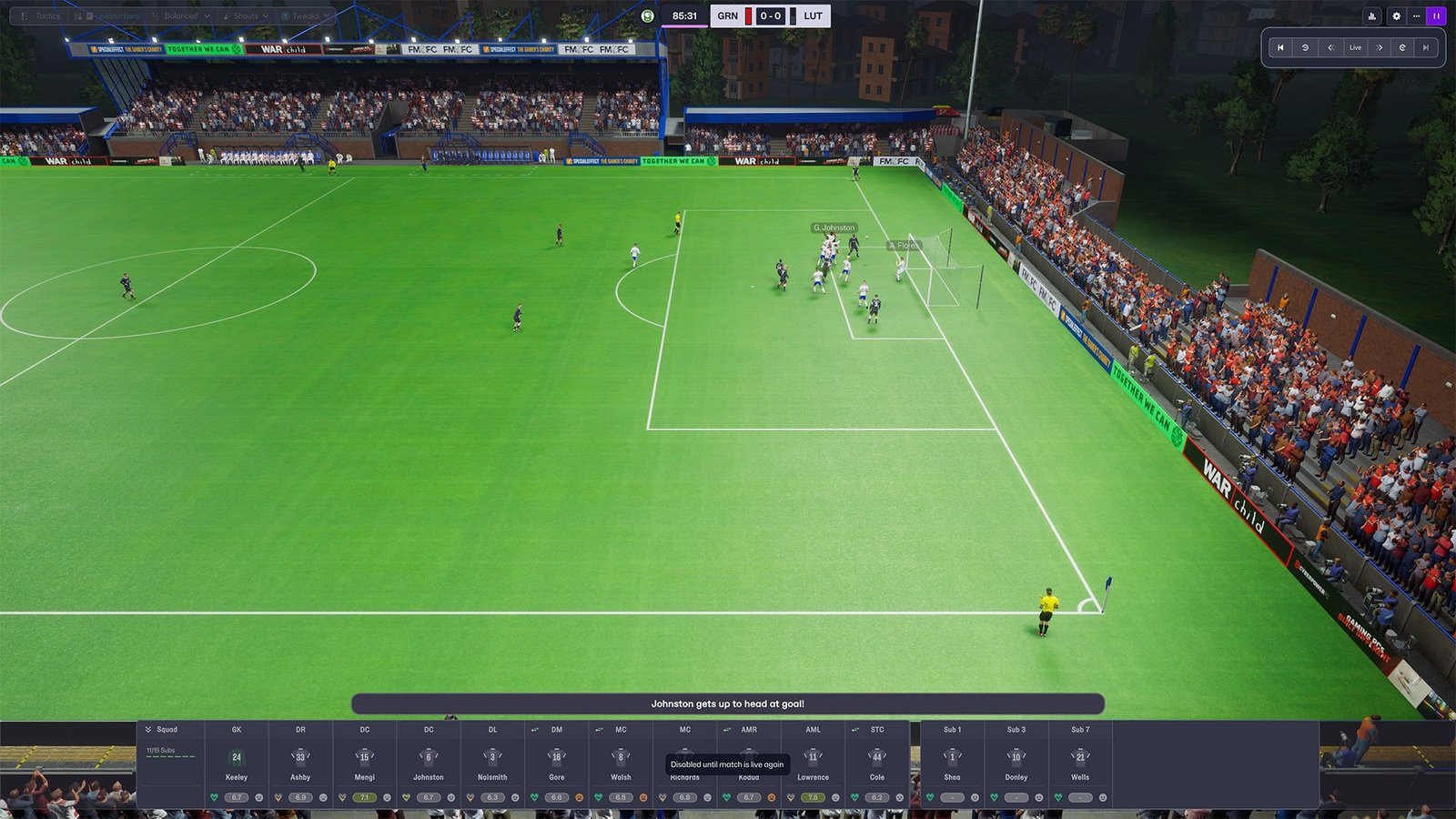
All of that work eventually leads to matchday, when a manager has to discover whether the carefully assembled pieces fit together. Football Manager 27‘s changes to presentation and animation help give those fixtures more character, with players’ movements and the surrounding atmosphere contributing to a more convincing sense of an occasion.
The visualisation matters beyond spectacle. In a game built around tactical adjustments, being able to see a player find space, struggle with an opponent or react to a change in shape helps connect what happens on the pitch to the decisions made elsewhere. New animations add useful touches, even if the presentation remains primarily a tool for understanding the simulation rather than a rival to games where players control the action directly.
There is also room to respond as matches change in Football Manager 27. Tactical Tweaks offer a way to make more targeted adjustments without rebuilding an entire setup, allowing a manager to react to the shape of a contest while keeping a broader philosophy intact. It is a useful idea for those moments when a match requires a change in emphasis, rather than wholesale tactical surgery.
Yet matchday is also where the simulation’s rough edges are most visible. Strange defensive decisions, awkward goalkeeping, and other unconvincing sequences can undermine the feeling that the game faithfully shows the consequences of a plan. An occasional mistake is part of football; repeated or particularly implausible behaviour makes it harder to distinguish a genuine tactical problem from an issue with the simulation.
The developers have addressed issues through updates, and Sports Interactive has identified defensive behaviour and attacking patterns among areas targeted for improvement for Football Manager 27. That ongoing work is encouraging, but it also means the match experience may change as patches arrive.
A Club Worth Sticking With
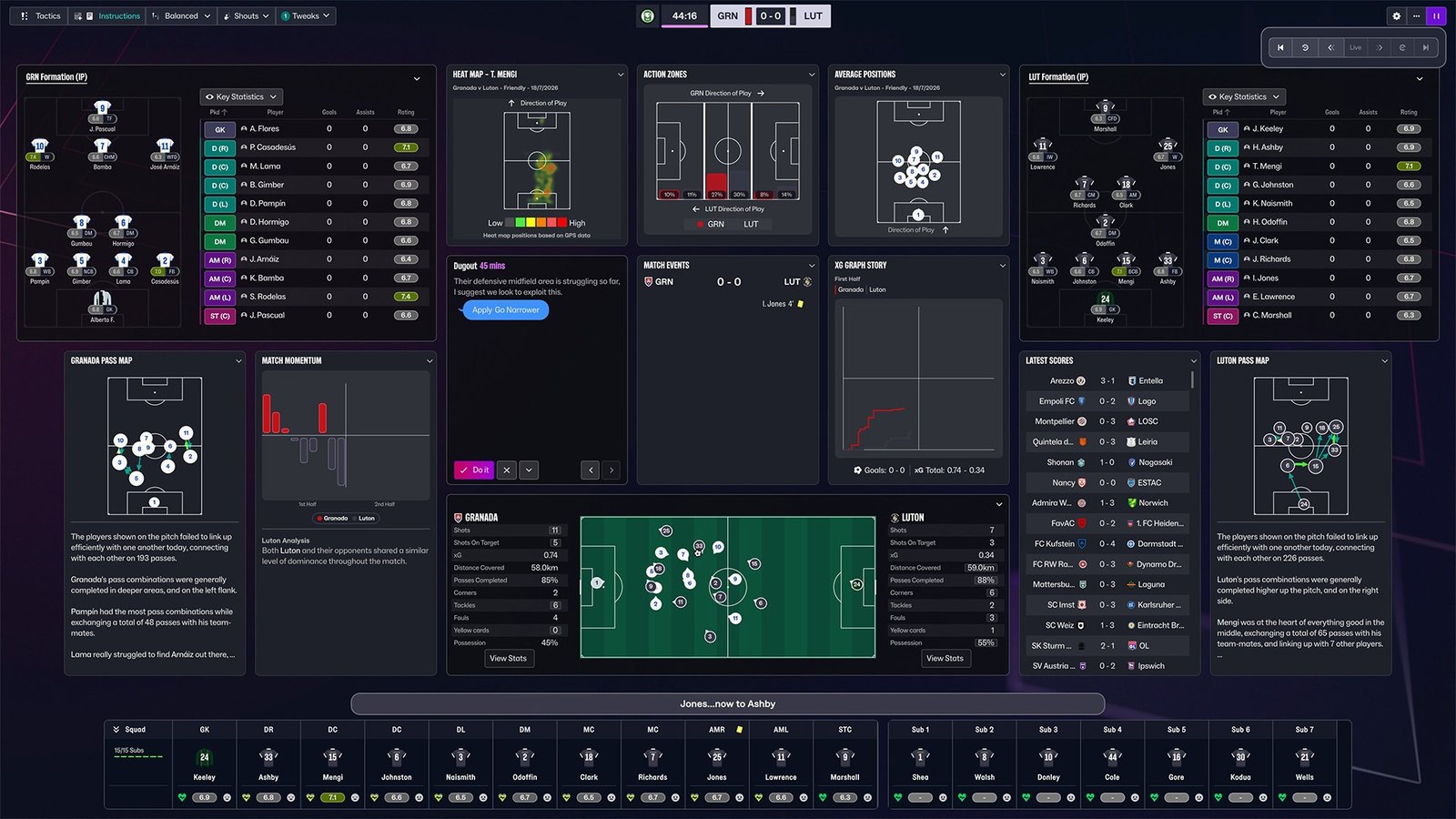
For all its remaining frustrations, Football Manager 27 understands the appeal of giving a manager a footballing problem and the tools to tackle it. Working out how to make a promising squad function, finding the player who fits a system, and seeing a long-term project gradually take shape are still compelling reasons to return for another season.
Its improvements are particularly welcome for players who found the previous game’s interface obstructive or wanted clearer feedback from their tactical decisions. Those returning from older entries should be aware that not every favourite feature has made the journey, while newcomers will still need patience to become comfortable with the sheer amount of information on offer.
There is progress here, and it reaches into the parts of the game that matter most: planning, preparation and the passage of time. But with match behaviour that can still pull managers out of the moment and a few too many rough edges around the details, Football Manager 27 feels like a team moving up the table rather than a finished title contender. The foundations are stronger, and the next season is already tempting; there is simply more work to do before everything clicks.
Football Manager 27 is available now on PC, PlayStation 5, Xbox Series X|S, and mobile.
SavePoint Score
Summary
Football Manager 27 makes building and developing a team more rewarding through clearer tactical feedback and improved navigation. Lingering match-engine inconsistencies, missing features and a demanding training system keep its comeback from reaching the top of the table.
