

Table of Contents
Silent Hill: Townfall on PS5 Pro
For a series bearing the name of one very specific place, Silent Hill is becoming increasingly comfortable travelling elsewhere. After Silent Hill f demonstrated that its particular brand of psychological horror could find fertile ground far beyond the fog-covered American town, Screen Burn Interactive‘s Silent Hill: Townfall heads in another direction entirely.
This time, the destination is St Amelia, a remote Scottish island in 1996, where protagonist Simon Ordell has been summoned back to “put things right”. What that means is predictably unclear, and what is immediately apparent is that something has gone terribly wrong.
Fog hangs over empty streets and waterfronts. Everyday homes feel unnaturally still, ageing technology flickers into life, and a strange CRTV pocket television appears to know more about Simon’s surroundings than he does. It’s an impressively miserable place to be, which naturally makes it an excellent setting for Silent Hill.
Silent Hill: Townfall does not completely escape the shortcomings of its new ideas. Stealth can go from nerve-shredding to aggravating, while its signature CRTV never quite maintains the importance suggested by its introduction. But when Screen Burn focuses on atmosphere, psychological unease, and the uncomfortable truths buried beneath St Amelia, this particular adventure makes a persuasive case that Silent Hill no longer needs a single address to feel like home.
There Are Other Roads to Silent Hill
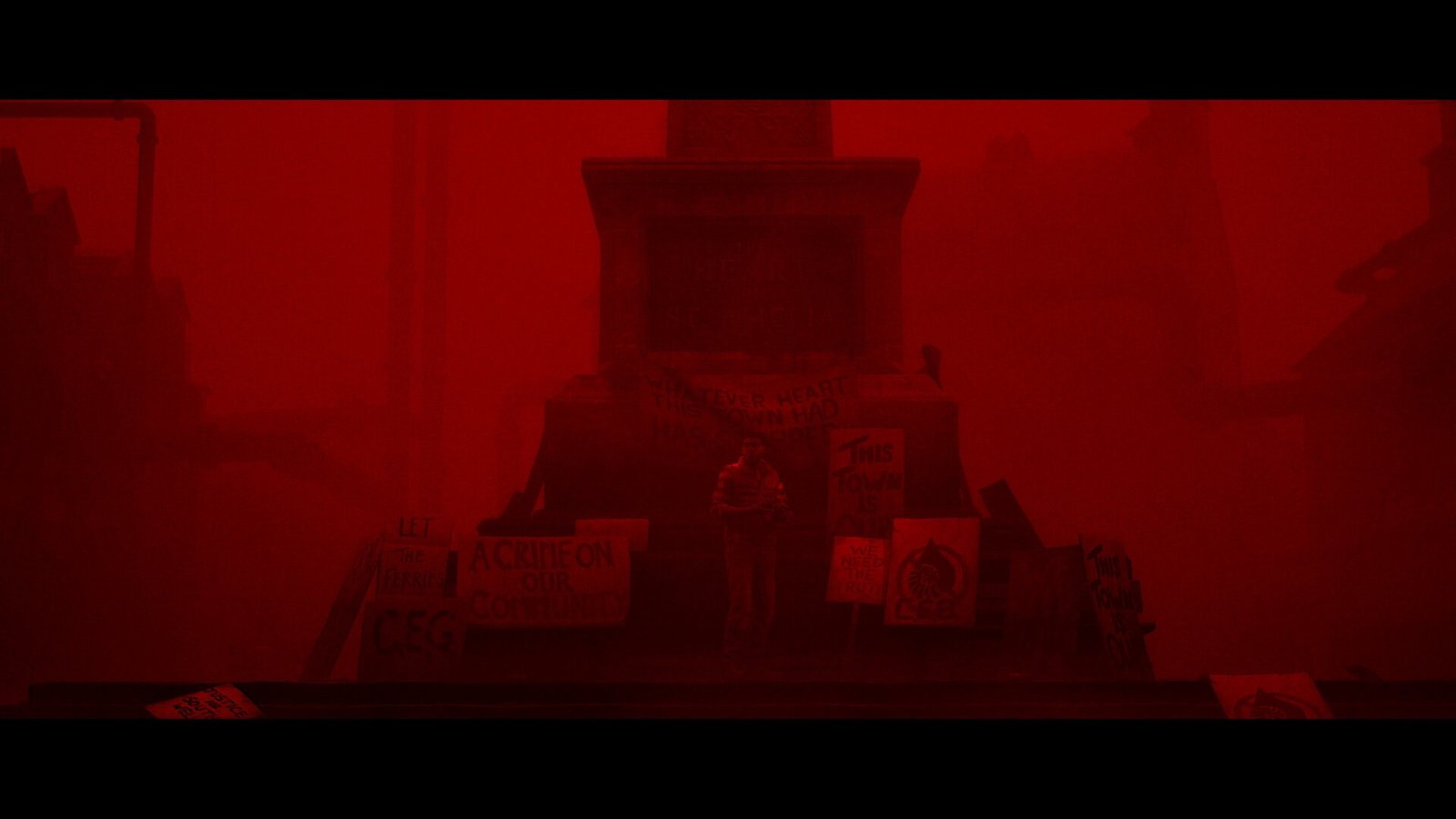
Relocating the franchise to Scotland could easily have amounted to little more than exchanging one foggy town for another. Instead, St Amelia feels fundamentally shaped by where and when it exists. Its 1990s setting is especially important.
There is something inherently unsettling about wandering through a world of old televisions, telephone boxes, modest homes and analogue technology without the modern conveniences that would normally make isolation slightly less intimidating. Screen Burn understands the value of this familiarity, letting the town’s ordinary character settle in before steadily twisting it into something much less comfortable.
That grounded quality makes St Amelia one of Silent Hill: Townfall‘s most effective creations. The environments aren’t terrifying because every room has been engineered around a scare. They work because these spaces look as though people should still be living in them, except they aren’t.
Simon arrives with precious few answers about why he has returned or what exactly happened here, leaving the mysteries of St Amelia and his own connection to it intertwined. The story gradually expands beyond a straightforward search for answers, touching on tragedy, guilt, and the consequences that linger long after the initial damage is done.
It is familiar thematic territory for Silent Hill, but the Scottish setting gives those ideas a different texture. More importantly, Silent Hill: Townfall largely resists explaining itself too eagerly. Fragments of information arrive through environments, conversations and increasingly disturbing discoveries, allowing the truth to emerge slowly rather than reducing the mystery to a trail of convenient exposition.
At times, the narrative threatens to become almost too opaque for its own good, especially as reality becomes increasingly unreliable. Yet its strongest emotional beats work precisely because St Amelia has been given enough character to matter beyond Simon himself. This isn’t simply a place where terrible things happen, and by the time its history starts surfacing, the town feels inseparable from them.
Something in the Static
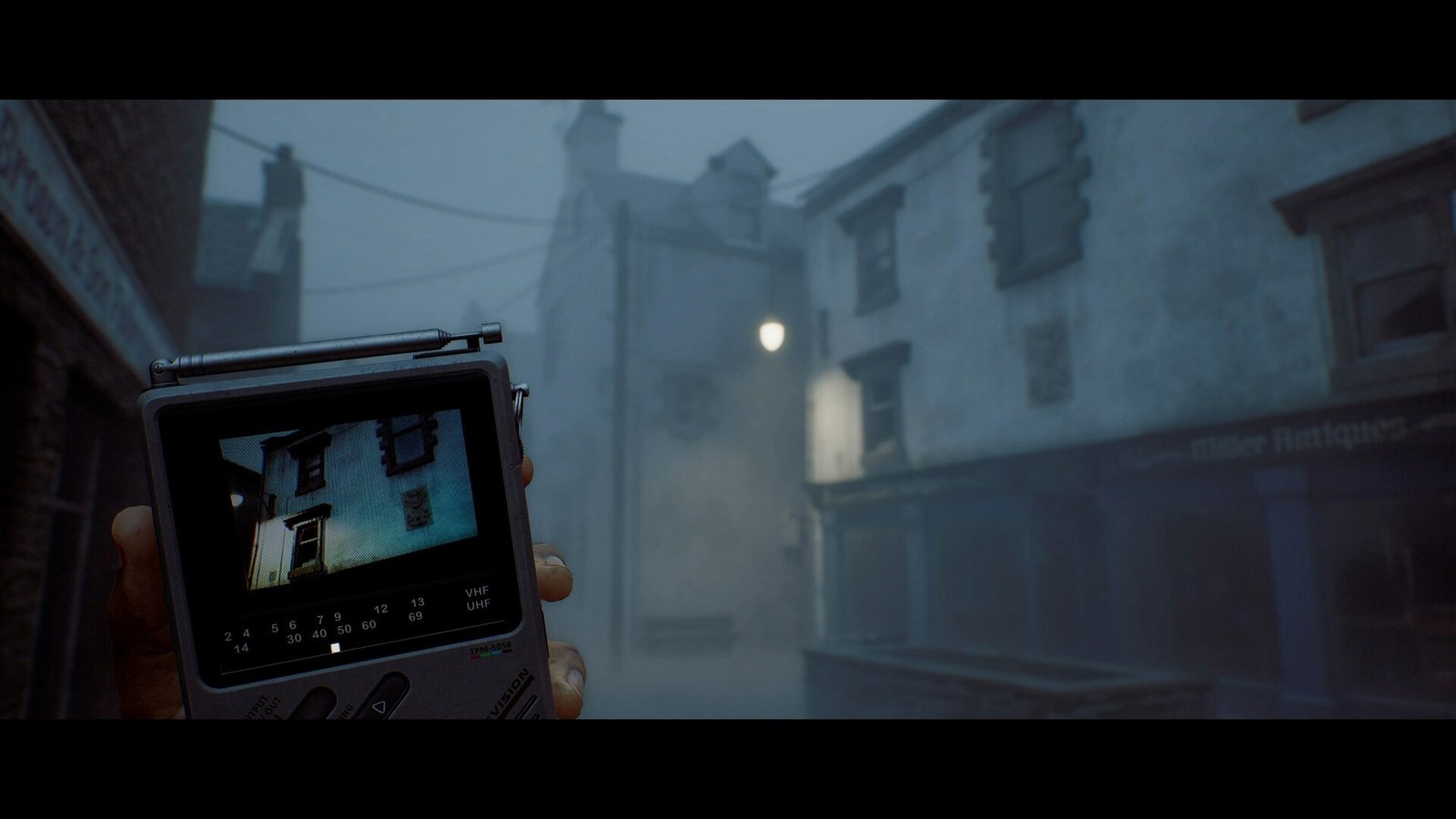
Nothing represents Silent Hill: Townfall‘s identity better than the CRTV. The pocket television takes one of the series’ oldest sources of anxiety, electronic static signalling that something unpleasant is close, and turns it into something the player actively uses. Different frequencies reveal information, provide clues and help identify threats, transforming what could have been another horror-game scanner into something far more appropriate for Silent Hill.
There is an inherent discomfort to staring into its tiny screen while knowing that something may be moving nearby. That makes the CRTV valuable not simply because of the information it offers, but because using it demands attention that would otherwise be focused on the environment.
At its best, the device ties exploration, puzzles and survival together. Signals can point towards something significant without directly providing the solution, while narrative sequences found through the device further blur the distinction between Simon uncovering the past and being dragged unwillingly into it.
The puzzles surrounding all of this suit Silent Hill: Townfall similarly well. Rather than relying constantly on abstract riddles, many challenges feel anchored to the places being explored and the histories contained within them. There is enough lateral thinking involved to make discovering an answer satisfying without every obstacle feeling deliberately constructed to stop progress.
Unfortunately, the CRTV’s importance isn’t maintained equally throughout the game. Once Silent Hill: Townfall establishes its rules, environmental awareness, Simon’s map and more conventional exploration begin shouldering more of the workload. The device never becomes irrelevant, particularly for narrative information, but its presence gradually feels less transformative.
For something positioned as the defining mechanic, that is a missed opportunity. Screen Burn comes remarkably close to becoming a tool as synonymous with this entry as the radio is with classic Silent Hill, only to become increasingly comfortable letting players navigate without it.
When Fear Becomes Frustration
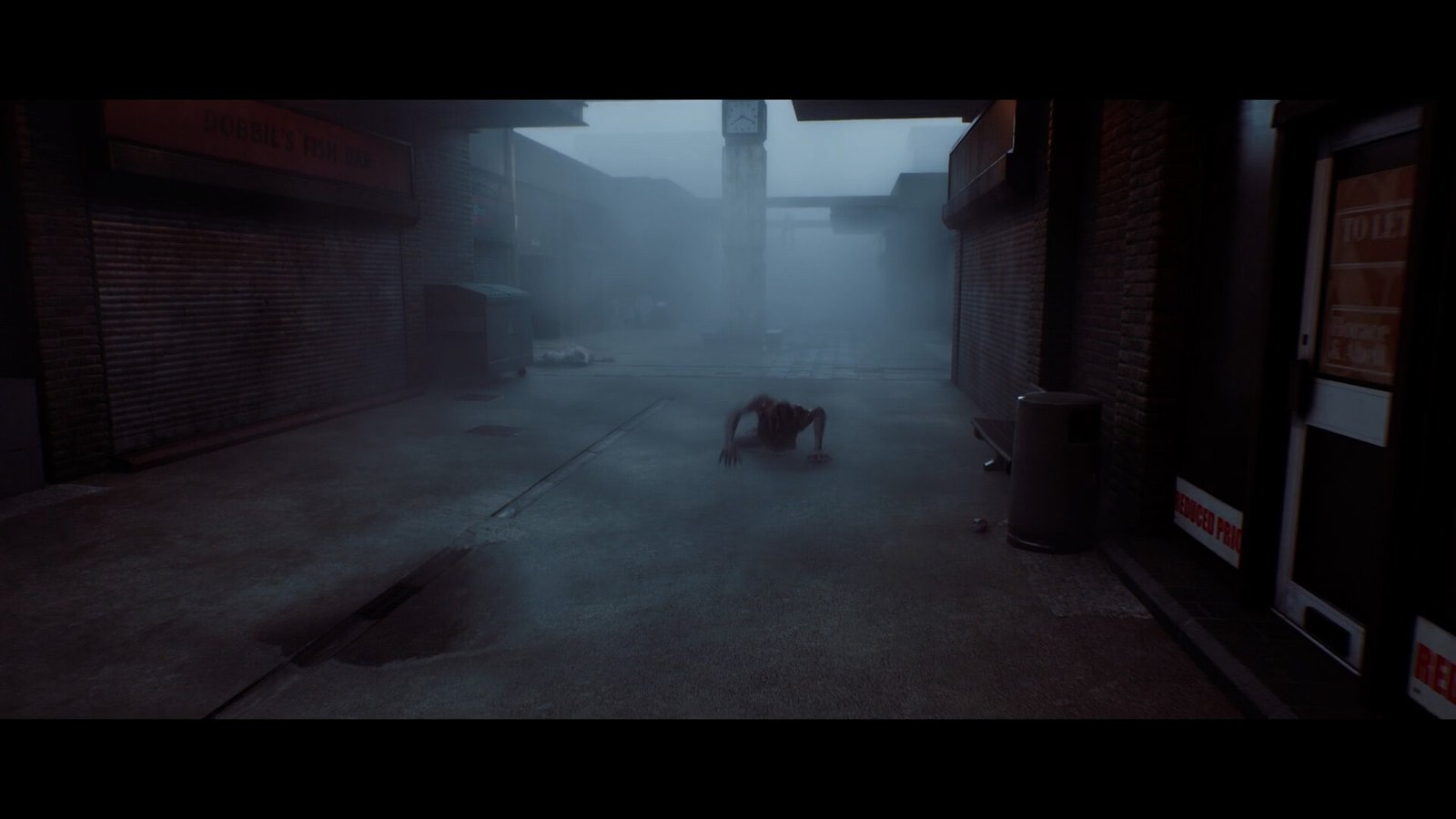
That inconsistency becomes more damaging when Silent Hill: Townfall asks players to avoid rather than understand what is hunting them. Combat exists, but resources are deliberately limited, and fighting is rarely the comfortable solution.
Avoidance naturally becomes important, forcing Simon to hide, move carefully and use whatever information is available to keep something horrible at a manageable distance. Initially, that vulnerability is extremely effective.
Being chased is much more frightening when turning around and eliminating the problem isn’t always realistic. Confined environments leave little room to manoeuvre, while the first-person perspective makes it difficult to maintain a complete picture of what is happening around Simon.
When everything works, getting past a creature feels less like completing an encounter and more like surviving one. The problem is what happens after failure. Certain stealth sequences are tightly constrained enough that repeated attempts gradually expose the logic underneath the horror of Silent Hill: Townfall.
An enemy that was terrifying on first contact becomes a patrol route to memorise. Hiding spots become checkpoints in a solution. Instead of worrying about what the creature is, attention shifts towards working out precisely what the game expects. It is the classic danger of scripted horror: fear struggles to survive repetition.
This doesn’t undermine every stealth encounter, nor does it make Silent Hill: Townfall an ineffective horror game. Far from it, but these moments stand out because the rest of the experience is so good at letting tension develop organically. Combat fares somewhat better as an occasional release valve precisely because it never becomes the default answer.
Weapons offer reassurance without turning Simon into an action hero, and scarcity keeps deciding whether something genuinely needs to die meaningfully. That balance between helplessness and resistance mostly works. The cracks appear when Silent Hill: Townfall becomes too insistent about exactly how helpless Simon must be.
Scotland Was Made for Silent Hill
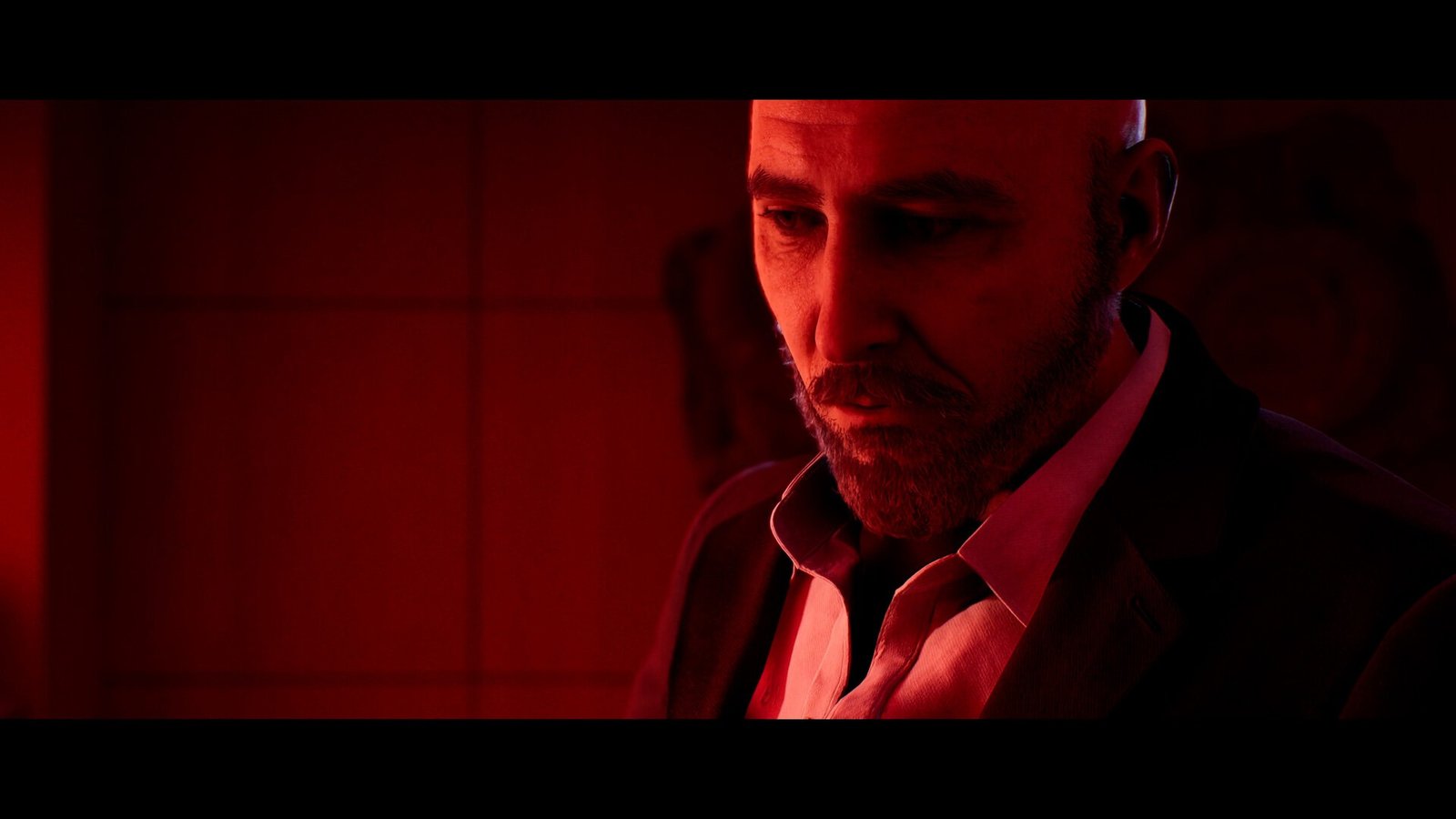
Thankfully, Silent Hill: Townfall makes those cracks easy to forgive once another layer of fog rolls across St Amelia. The first-person perspective could have been treated as little more than a way to modernise the presentation, but it proves particularly effective at communicating the oppressive scale of the environment.
Corridors feel tighter, darkness obscures more of the surroundings, and encounters become harder to read without a third-person camera providing convenient situational awareness. Screen Burn also knows when not to overwhelm the screen.
St Amelia frequently looks cold, empty and thoroughly miserable without requiring excessive visual noise to announce that this is a horror game. Its more disturbing imagery therefore carries additional impact when normality finally gives way. Sound may be even more important.
Static, distant movement and noises without obvious sources ensure that apparently empty locations rarely feel safe in Silent Hill: Townfall. The soundtrack knows when to intrude and when allowing environmental audio to breathe is more uncomfortable. Together with the CRTV’s distorted signals, it produces a soundscape that keeps attention strained even when very little is visibly happening.
This is where the game feels most confident. Screen Burn isn’t simply reproducing the aesthetic language associated with Silent Hill; it understands why mundane places, uncomfortable sounds and personal tragedy are more effective than relentlessly throwing monsters at the player. Scotland doesn’t feel like a novelty setting pasted onto an established formula; instead, it feels like somewhere Silent Hill should have visited years ago.
The Fog Doesn’t Need an Address
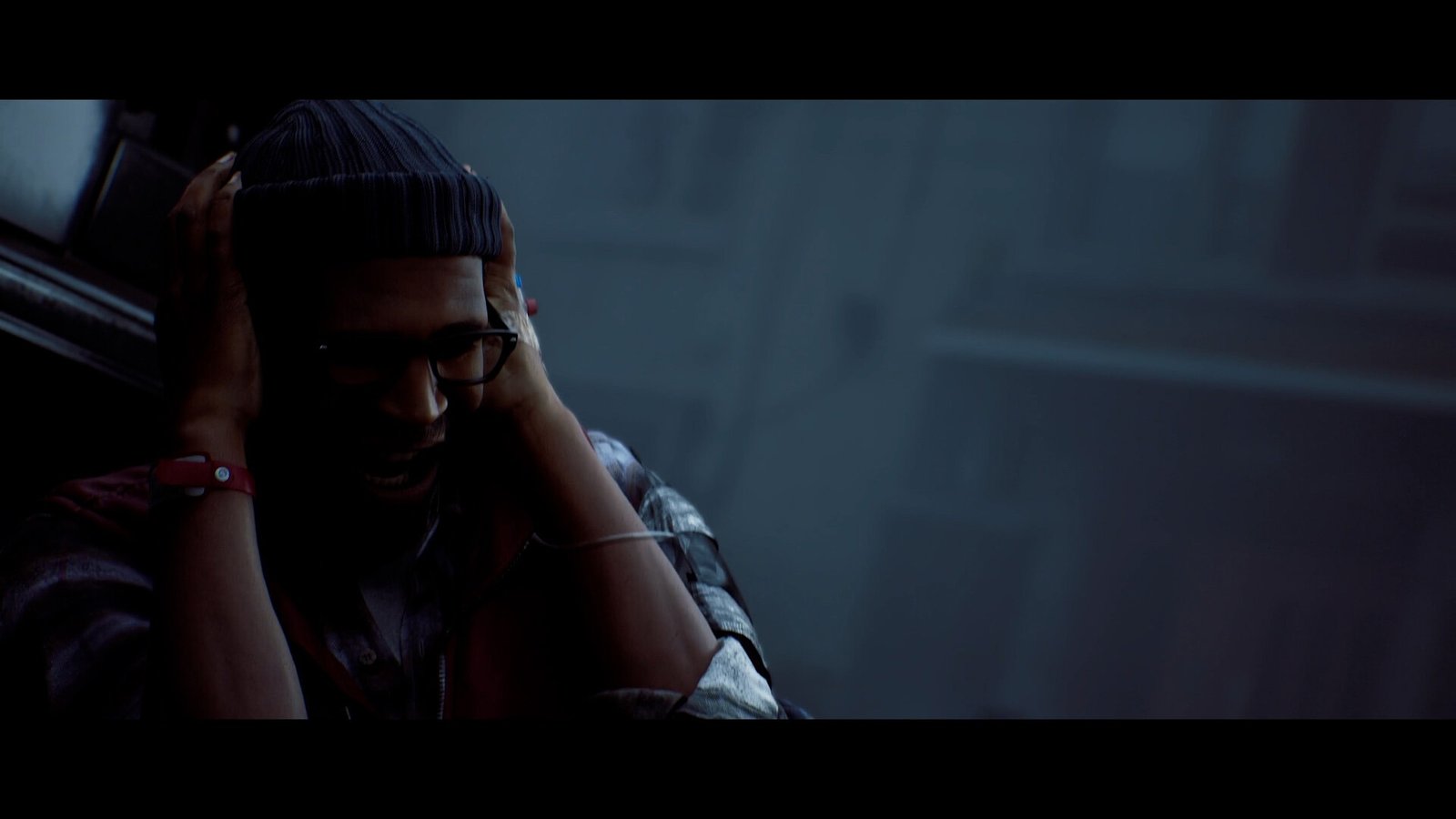
An interesting future is emerging for Silent Hill. Rather than continually finding new excuses to return to the same streets, Konami’s willingness to let different developers interpret what the series represents has opened the door to something far more interesting. Silent Hill: Townfall demonstrates that cultural specificity doesn’t weaken that identity. It can strengthen it.
St Amelia works because Screen Burn commits to making it Scottish first and a Silent Hill location second. The result is a place with its own history, character and trauma rather than an imitation of somewhere players already know.
Not everything surrounding it reaches the same standard. The CRTV starts as a wonderfully distinctive addition before surrendering some of its relevance, while forced stealth can occasionally transform carefully manufactured dread into the irritation of another failed attempt. Those issues prevent the mechanics from consistently matching the brilliance of the setting built around them.
Yet Silent Hill: Townfall remains difficult to shake. Its strongest moments come not from what lurks in the fog, but from slowly understanding why the fog is there at all. St Amelia carries its scars quietly, letting ordinary places and ordinary lives become something increasingly difficult to look away from.
Perhaps that is the most important lesson Silent Hill: Townfall offers the series going forward: Silent Hill was never frightening simply because of where it was, because fear can find a new home almost anywhere.
Silent Hill: Townfall is now available on PlayStation 5 and PC.
SavePoint Score
Summary
Silent Hill: Townfall makes a convincing case for psychological horror beyond familiar ground, pairing a superb Scottish setting with strong atmosphere and storytelling. Frustrating stealth and fading reliance on the CRTV keep an otherwise memorable descent from reaching greater heights.
