

Table of Contents
Tekken 8 Season 3 Backlash Escalates After March Update
Tekken 8’s Season 3 update, released on March 17, has sparked renewed backlash and pushed the game into a difficult public moment. The controversy is not simply about a single balance choice. It reflects a broader trend since Season 2, in which post-launch changes have steadily chipped away at the goodwill Tekken 8 built in its early months.
Bandai Namco entered Season 3 with a clear opportunity to stabilise sentiment. Messaging around refinements and adjustments suggested a course correction was coming. Instead, the patch has been received as a continuation of the same direction, and for some segments of the audience, an acceleration of it.
Offensive Balance and System Direction Are Core Complaints
The loudest criticism has centred on how the game’s offensive pacing is being shaped. Community discussion has framed the Season 3 adjustments as pushing Tekken 8 further toward aggressive advantage states and away from the measured decision-making that many associate with the series at its strongest.
It is important to separate the two things. First, Tekken 8 has always had an identity distinct from older entries, and some level of system evolution is expected. Second, Season 3 appears to have reopened the argument about whether the current balance philosophy is serving competitive integrity and match variety, or narrowing outcomes into repetitive pressure sequences.
That is why the reaction has been so sharp. When balance complaints focus on direction rather than numbers, they are harder to address with small tuning passes.
Steam Review Trends Make the Backlash Visible
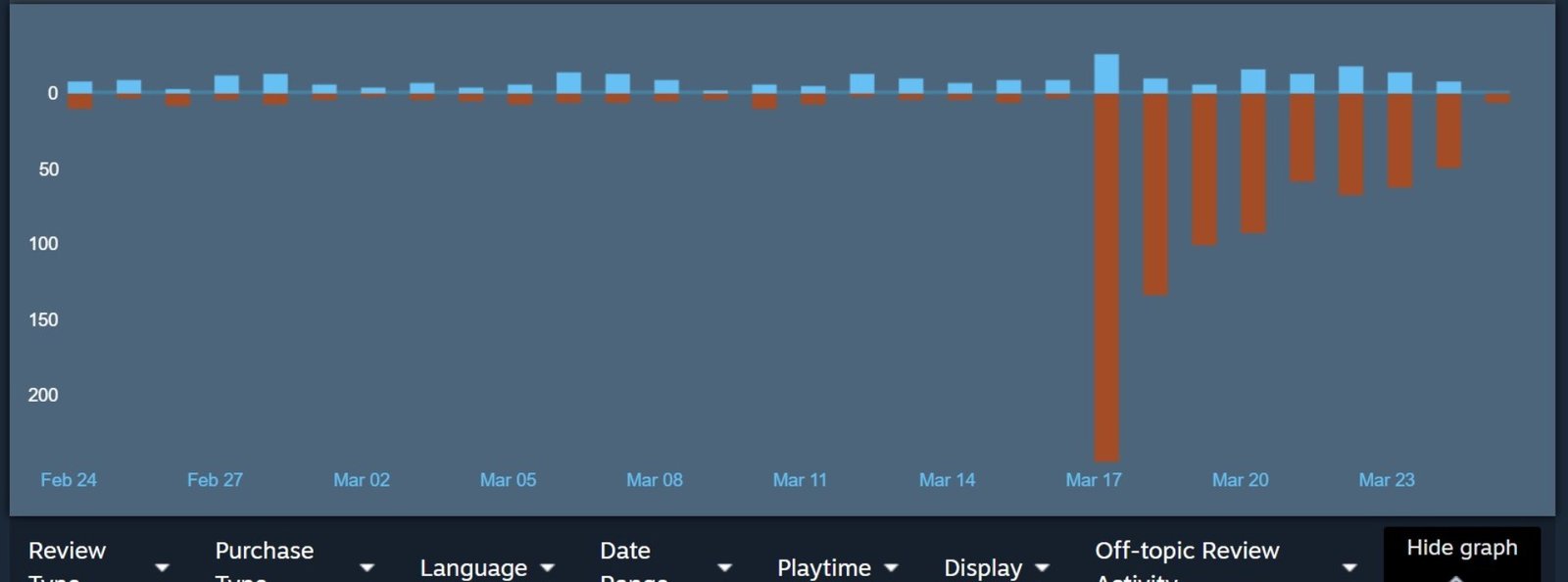
The most obvious signal of the mood shift is on Steam. In the days following the Season 3 rollout, Tekken 8 has seen a surge of negative user reviews, pulling its recent review rating down to “Mostly Negative.” Review bombs are not a perfect measurement of gameplay quality, but they are a strong indicator of friction, especially when the complaints cluster around the same themes.
For a flagship fighting game, that kind of public rating swing matters. It shapes perception for potential buyers, affects platform visibility, and adds pressure on the studio to clarify what it is trying to achieve.
Bandai Namco’s Silence Is Becoming Part of the Story
So far, Bandai Namco has not issued a formal response to the Season 3 backlash. The lack of communication is amplifying uncertainty, particularly after Season 2’s turbulence, when the franchise’s leadership acknowledged community frustration more directly.
The current dynamic leaves the game in a holding pattern. Without a public roadmap, a stated philosophy, or even a short-term plan for follow-up adjustments, the debate is filling the vacuum. The loss of the series’ figurehead, Katsuhiro Harada, is not helping matters either.
Season 3 is a credibility test as much as a balance patch. Tekken 8 still has the fundamentals to remain a major competitive title, but the next few weeks will likely determine whether Bandai Namco can rebuild trust through clarity and iteration, or whether the gap between studio intent and community expectations widens further.
