

Table of Contents
Hozy on PC
Some games are built around momentum. Others are built around mastery. Hozy, from Come On Studio and tinyBuild, is built around a feeling. From the moment it asks you to clean, paint, and decorate neglected spaces one room at a time, it becomes clear that this is not a game chasing difficulty or spectacle.
It wants to create a calm, inviting rhythm where restoration itself becomes the reward. That sense of purpose is what makes it so easy to fall for. The premise is simple, but the execution is full of warmth, tactile detail, and quiet confidence.
What makes Hozy stand out is that cleaning is only part of the appeal. The more time you spend with it, the more the act of furnishing each room starts to feel like interpretation rather than arrangement. You are not simply placing a sofa because the space needs one. You are deciding what kind of room this should be, what kind of person might live here, and what details would make it feel complete.
That creative satisfaction gives the game its identity. A lot of cosy titles can capture relaxation, but Hozy goes further by making that relaxation feel expressive.
Relaxation Is The Whole Point
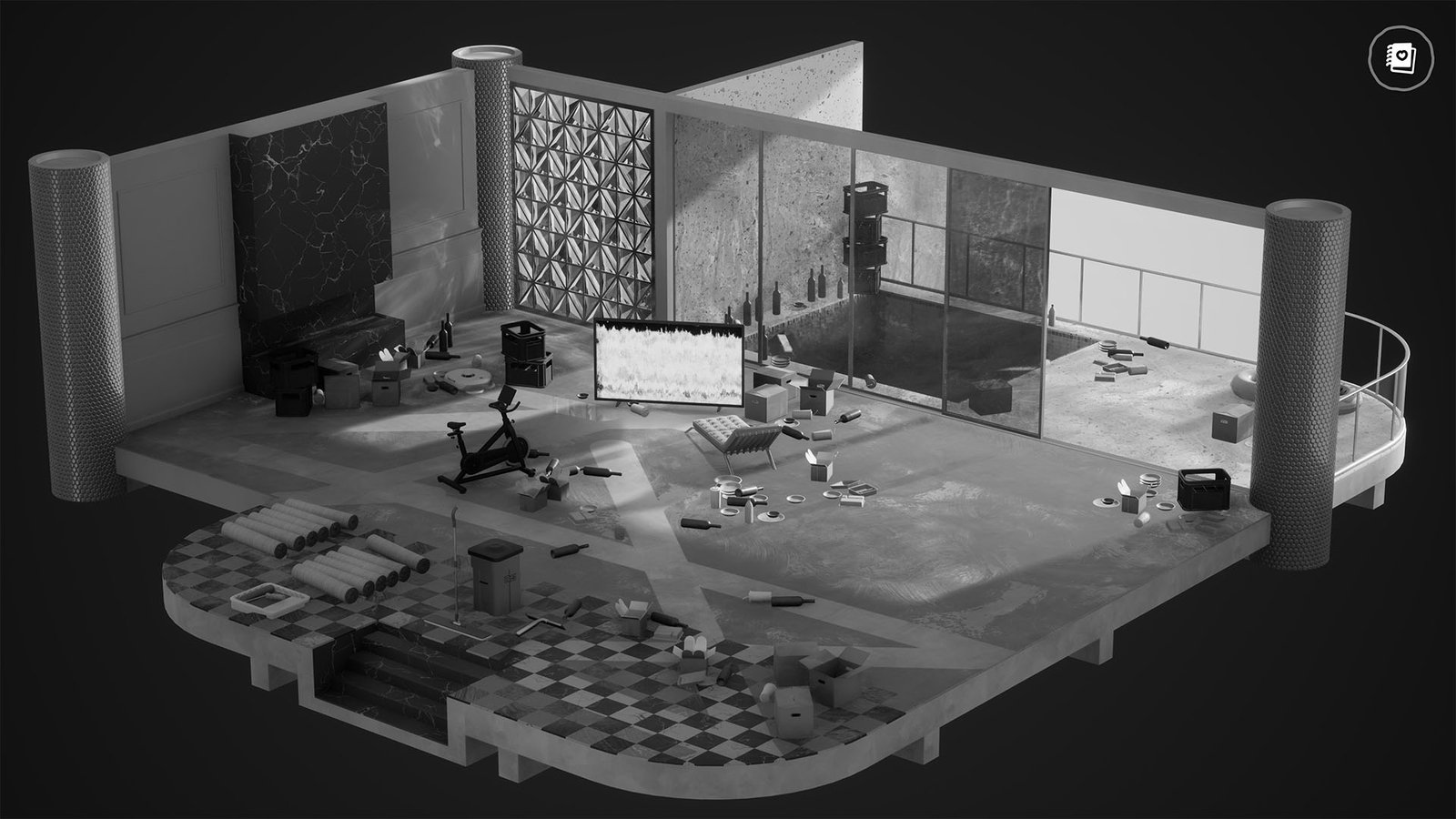
The restorative loop is Hozy’s foundation, and it works because the game understands how satisfying small acts can be when they are given enough room to breathe. Sweeping up debris, cleaning windows, repainting walls, and gradually reclaiming forgotten corners all offer a pleasing sense of progress. Nothing feels overcomplicated. You move from task to task with a gentle sense of flow, and that is exactly what makes the experience click.
The best thing the game does is refuse to turn that process into busywork. There is no aggressive push to rush through jobs or optimise every second. Instead, the game encourages you to settle in. Restoration is not an obstacle before the fun begins. It is part of the fantasy. Making a room feel cared for is every bit as rewarding as deciding how it should look afterwards.
That slower rhythm is what gives Hozy its sense of comfort. There is a lovely lack of friction to most of what you do, and because the tasks are tactile and readable, the game quickly slips into that comforting state where one small job naturally leads to another. Clean this patch. Repaint that wall. Move on to the next surface. Step back and appreciate the change.
It is a familiar satisfaction for anyone who enjoys cleaning or renovation games, but Hozy packages it with enough softness and charm that it never feels mechanical. Instead, it feels intimate. You are not just resetting a space. You are making it feel livable again.

Decorating Turns Rooms Into Personal Expressions
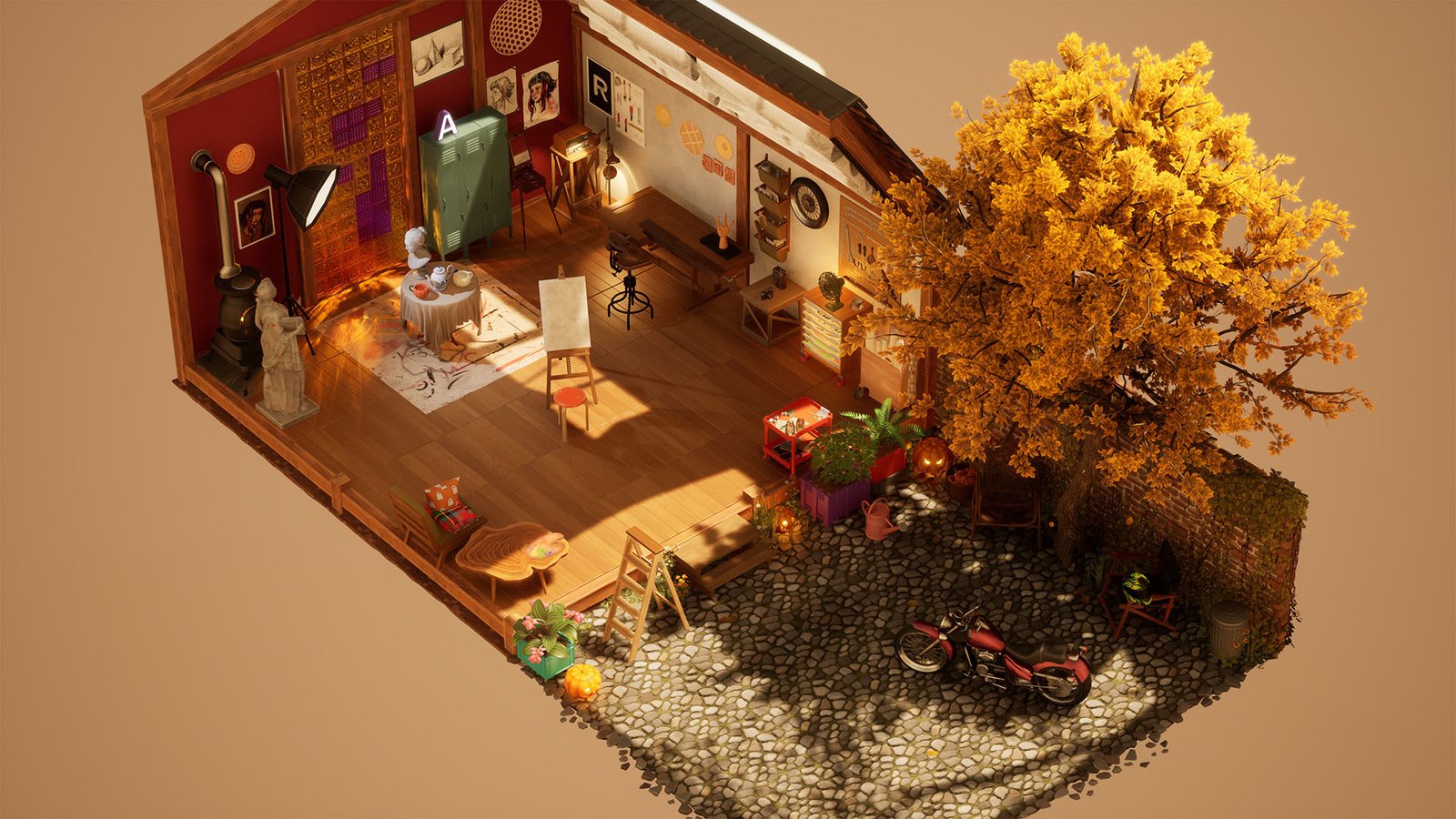
Once the rooms are ready to be furnished, Hozy reveals its strongest idea. Decorating is not treated as the final checklist item after the practical work is done. It is where the game’s emotional texture really comes through. The available furniture, decorative objects, lighting, and smaller details are not just there to fill a floor plan. They become prompts. You start imagining the habits, tastes, and moods of the person who belongs in that space, and your choices begin to reflect that. This is where Hozy becomes more than a relaxing tidying sim. It becomes a game about interpretation.
That creative satisfaction is central to why the experience lands so well. The game gives you enough guidance to understand the flavour of a room, but not so much that the process becomes prescriptive. One space might invite something soft and youthful. Another might call for something moodier or more elegant. Even within the boundaries of each level’s catalogue, there is a real pleasure in making those judgment calls and seeing a room slowly turn into a coherent vision.
The range of spaces helps keep that process fresh. You are not endlessly decorating slight variations of the same layout. Each new room asks a slightly different question, and that gives your creativity a different target. The result is a game that makes decoration feel personal without making it intimidating.
Perhaps the best compliment to pay Hozy is that it makes you care about how a room feels, not just how it looks. Many decorating games can encourage players to chase tidiness, symmetry, or an idealised image of good design. This experience is more interesting than that. It encourages mood. You are building a sense of character through furniture placement, colour, and spacing. That is why even relatively small design decisions can feel so rewarding. Put a chair in the right corner, match a lamp to the rest of the room, leave a little more space open, and suddenly the whole place starts to make emotional sense.
Charm Carries Everything
Charm is often treated as a bonus, something nice to have once the systems are already in place. In Hozy, charm is the glue holding everything together. It is the reason the cleaning feels warm rather than routine, and the reason decorating feels inviting rather than sterile. The rooms do not simply function as puzzle boxes waiting to be solved. They feel lovingly observed and softly stylised, which makes every small transformation more pleasing.
That attention to detail matters because it helps each room feel alive rather than staged. It makes the space feel like a place you can inhabit for a while, not just a project to complete and leave behind. That is a huge part of why the game leaves such a cosy afterglow. Even when you are doing something simple, it rarely feels plain. There is care in how the spaces are framed, how the furnishings are grouped, and how the tone of each area comes across.
This is also why the game’s smaller scope does not feel like a problem for most of its running time. Hozy is not trying to overwhelm players with endless complexity. It is trying to make a compact experience feel memorable and restorative. By the time you finish a room, satisfaction does not come just from ticking off jobs. It comes from the feeling that you have cared for a place and shaped it into something with personality. That emotional clarity is what makes the whole thing so endearing.
Small Limits In A Cosy Package
That said, Hozy is not limitless, and it is worth acknowledging where its boundaries show. The same curated approach that keeps it approachable can also leave some players wanting more flexibility. At times, the available options can feel a little too narrow, particularly if you enjoy endless experimentation or like pushing decorating systems to their furthest extremes. There is enough freedom to make rooms feel personal, but not always enough to make them feel entirely your own.
There are also moments where the controls and flow could be a little smoother. None of these frustrations are severe enough to drag the game down, but they do occasionally remind you that Hozy is working within a modest scale. It is a smaller, more curated experience rather than a giant creative sandbox, and some players will probably reach the end wishing there was a little more of everything.
Even so, those limitations never outweigh what the game is actually trying to do. They are real, but they feel secondary. The game succeeds because it is so consistent in its mood, charm, and ability to make simple acts feel soothing. The goal is not to become the biggest or deepest decorating game around. The goal is to create a space where cleaning and furnishing feel comforting, personal, and expressive. On that level, it is remarkably successful.
Hozy understands that comfort can come from the smallest acts. Tidying a corner, repainting a wall, and finding just the right spot for a chair all become part of a gentle, creative rhythm that is difficult to resist. More importantly, it makes decorating feel personal. Every room invites you to imagine the life that belongs inside it, and the game’s charm is strong enough to make that invitation feel natural. It may be modest in scale, but it is full of warmth, and that warmth carries it a long way.
Hozy is available now on PC via Steam.
SavePoint Score
Summary
Hozy turns cleaning and decorating into a soothing little ritual, and its real magic lies in shaping each room around your own sense of who belongs there. It may be small in scale, but the game is overflowing with charm and knows exactly how to win you over.
