

Table of Contents
Xbox Game Studios Closures Reports Point To A Turbulent Reset
Xbox Game Studios is facing another unsettled week, with multiple reports pointing to closure risks, spin-off talks, and senior departures across Microsoft’s gaming division.
The biggest names currently linked to the shake-up include Ninja Theory, Compulsion Games, and Double Fine. While the exact status of each studio remains fluid, the reports arrive shortly after Xbox leadership described the business as entering a major reset, with difficult decisions expected over the coming months.
Microsoft has not formally confirmed the reported studio changes at the time of writing, but it is uncertain times as some reports describe planned closures, while others point to ongoing negotiations that could allow affected teams to continue independently.
Ninja Theory, Compulsion Games, and Double Fine Face Uncertain Futures
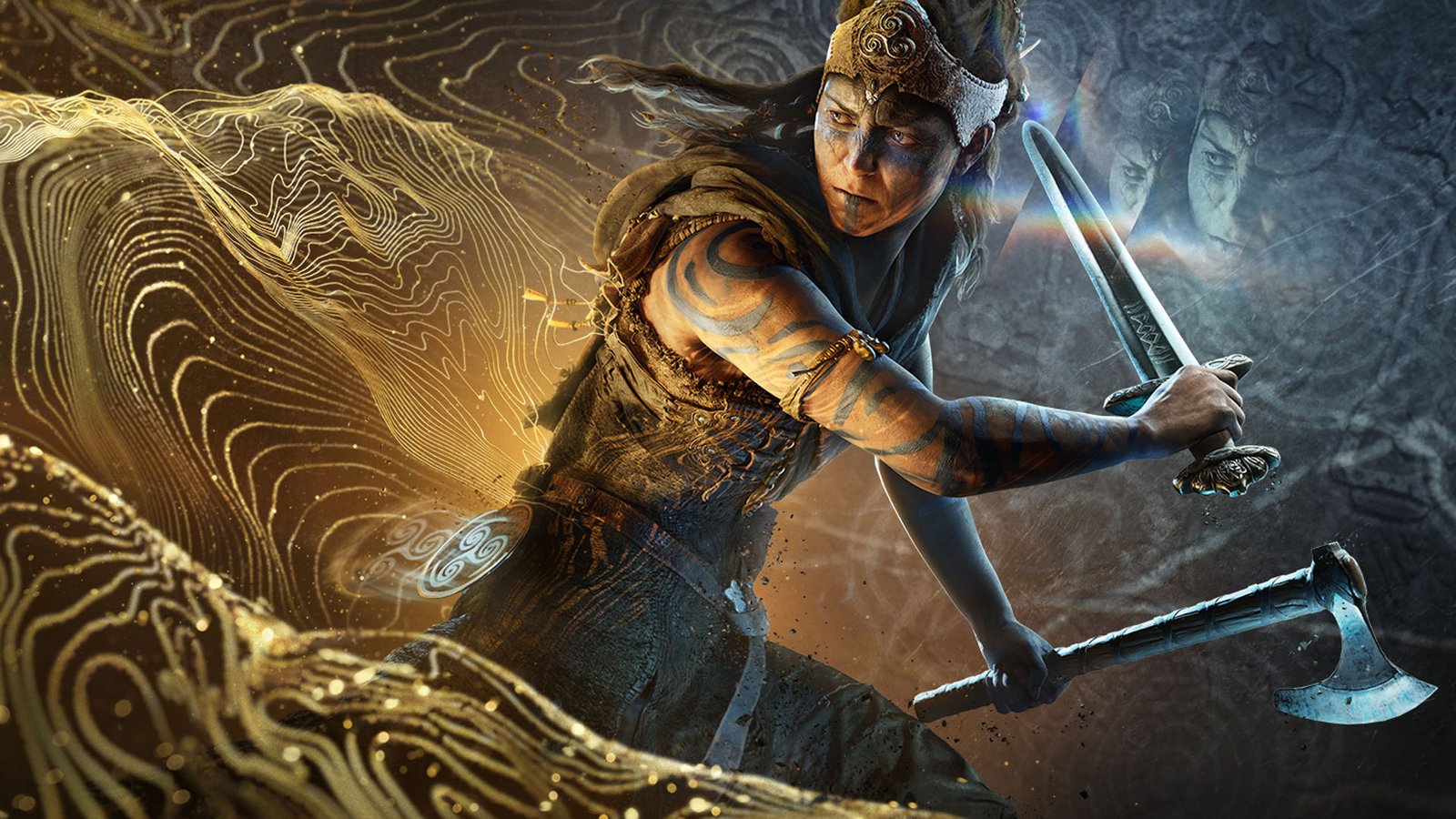
Ninja Theory is reportedly being shut down, with staff reportedly informed of the decision earlier this week. The Cambridge-based studio is best known for the Hellblade series, including Senua’s Saga: Hellblade II and the recently announced Senua.
That makes the timing particularly striking as Senua was only shown during the latest Xbox Games Showcase, but its future now appears unclear if the reported closure proceeds or if the studio is unable to find a buyer.
Compulsion Games is also at the centre of the reports. The Montreal studio, known for Contrast, We Happy Few, and South of Midnight, has reportedly been facing closure, although recent reporting suggests studio leadership may be negotiating a path away from Microsoft.
Double Fine has also been named in reports around active spin-off talks. The Psychonauts studio has long been one of Xbox’s more distinctive creative teams, making its inclusion another sign that Microsoft’s reset may not affect only underperforming or inactive projects.
Craig Duncan And Louise O’Connor Leave Xbox Game Studios
The reported studio uncertainty is arriving alongside senior leadership changes. As reported by GamesIndustry.biz, Craig Duncan, head of Xbox Game Studios, has stepped down after taking on the role in late 2024. Duncan was previously the head of Rare, where he oversaw the studio during the growth of Sea of Thieves. His exit adds another layer of instability to Xbox Game Studios at a point where several teams may be waiting to learn how they fit into the next version of Microsoft’s gaming strategy.
Xbox Game Studios chief of staff Louise O’Connor is also leaving the company. Together, the departures mark a notable shift at the top of the first-party organisation, especially as Xbox leadership weighs where to invest across its large studio portfolio.
For players, the question is not only which teams remain under Xbox, but whether Microsoft can still support smaller, more experimental projects alongside its biggest franchises.
What The Xbox Reset Could Mean For Players
The wider context is Xbox’s public reset memo, which acknowledged that the company had become overextended across studios, platforms, subscriptions, and hardware. The memo also suggested that Xbox had not funded some of its biggest franchises strongly enough to compete.
Major layoffs are reportedly expected after Microsoft’s fiscal year closes on June 30, with the exact scale still unknown. Marketing and other budgets are also expected to face cuts, making this more than a straightforward studio-by-studio issue.

If everything plays out as described, Xbox may be moving toward a leaner-first-party structure built around clearer priorities. That could mean greater investment in pillar franchises like Halo, Gears of War, Forza, Minecraft, and Call of Duty.
The cost, however, could be felt most by the teams responsible for Xbox’s more unusual creative swings. Studios like Ninja Theory, Compulsion Games, and Double Fine helped give the Xbox portfolio variety beyond blockbuster sequels. Losing or spinning off those teams would mark a major shift in what Xbox Game Studios looks like heading into the next few years.
For now, much of the situation remains developing. Until Microsoft makes a public comment or the affected studios confirm their next steps, the clearest takeaway is that Xbox’s reset is no longer just a memo; it is beginning to look like a major restructuring of its first-party future.
