

Table of Contents
Assassin’s Creed Black Flag Resynced on PS5 Pro
Few Assassin’s Creed games have aged in memory quite like Black Flag. For many, Edward Kenway’s adventure was not just another chapter in Ubisoft’s long-running conflict between Assassins and Templars, but the moment the series briefly became the pirate fantasy players had always wanted. The Jackdaw, the shanties, the Caribbean, the open sea, and the thrill of turning a distant sail into a prize worth chasing gave Assassin’s Creed IV: Black Flag an identity that still feels distinct more than a decade later.
That makes Assassin’s Creed Black Flag Resynced a tricky remake to assess. It is not enough for the game to look better, sound richer, or run more smoothly, as those things are expected. The harder question is whether it makes Black Flag feel worth returning to for veterans who already know its waters, while giving newcomers a version that does not feel too visibly anchored to the 2013 design.
On that front, Assassin’s Creed Black Flag Resynced largely succeeds. This is not a dramatic reinterpretation of Edward’s journey, nor does it try to fold Black Flag into the mould of newer, larger, more RPG-heavy Assassin’s Creed entries. Instead, it preserves the shape of the original while giving it better presentation, more flexible stealth, refreshed combat, added story texture, and a more seamless sense of place. It is still very much Black Flag, for better and occasionally for worse.
The result is a remake that works best when it understands restraint. Assassin’s Creed Black Flag Resynced does not need to convince veterans that the original mattered. It needs to remind them why it mattered, then smooth out enough of the friction to make the return feel worthwhile. While not every old frustration has been left behind, the pull of the Jackdaw remains hard to resist.
The Caribbean Still Carries The Fantasy
The first time the crew breaks into song again, Assassin’s Creed Black Flag Resynced knows exactly what it is doing. Sailing on the Jackdaw remains the heart of the experience, and there is an immediate nostalgic pleasure in hearing shanties rise over the waves as the Caribbean opens up around you. The improved visuals and audio do plenty of heavy lifting here, not because the original lacked atmosphere, but because the remake makes it easier to sink into that atmosphere.
The sea looks richer, the weather hits harder, and the sense of movement across open water feels more cinematic without losing the original’s familiar rhythm. There is still a particular joy in spotting an enemy ship in the distance, cutting across the waves, lining up a broadside, and turning a routine journey into a fight for supplies. It remains one of the clearest reasons why Black Flag continues to occupy such a fond place in the series.
That said, nostalgia does not erase everything. Assassin’s Creed Black Flag Resynced is nowhere near as sprawling as some modern Assassin’s Creed games, and that is part of its appeal, but there is still a lot of time spent travelling from one location to another. The Jackdaw could stand to be faster during general exploration, especially when points of interest sit far apart, and there is not always something meaningful to do between them. The shanties help, the scenery helps, and the Padre’s Ram-Dash (more on that later) even becomes useful as a small speed boost when the sea starts to feel too wide, but over longer sessions, slower sailing can take its toll.
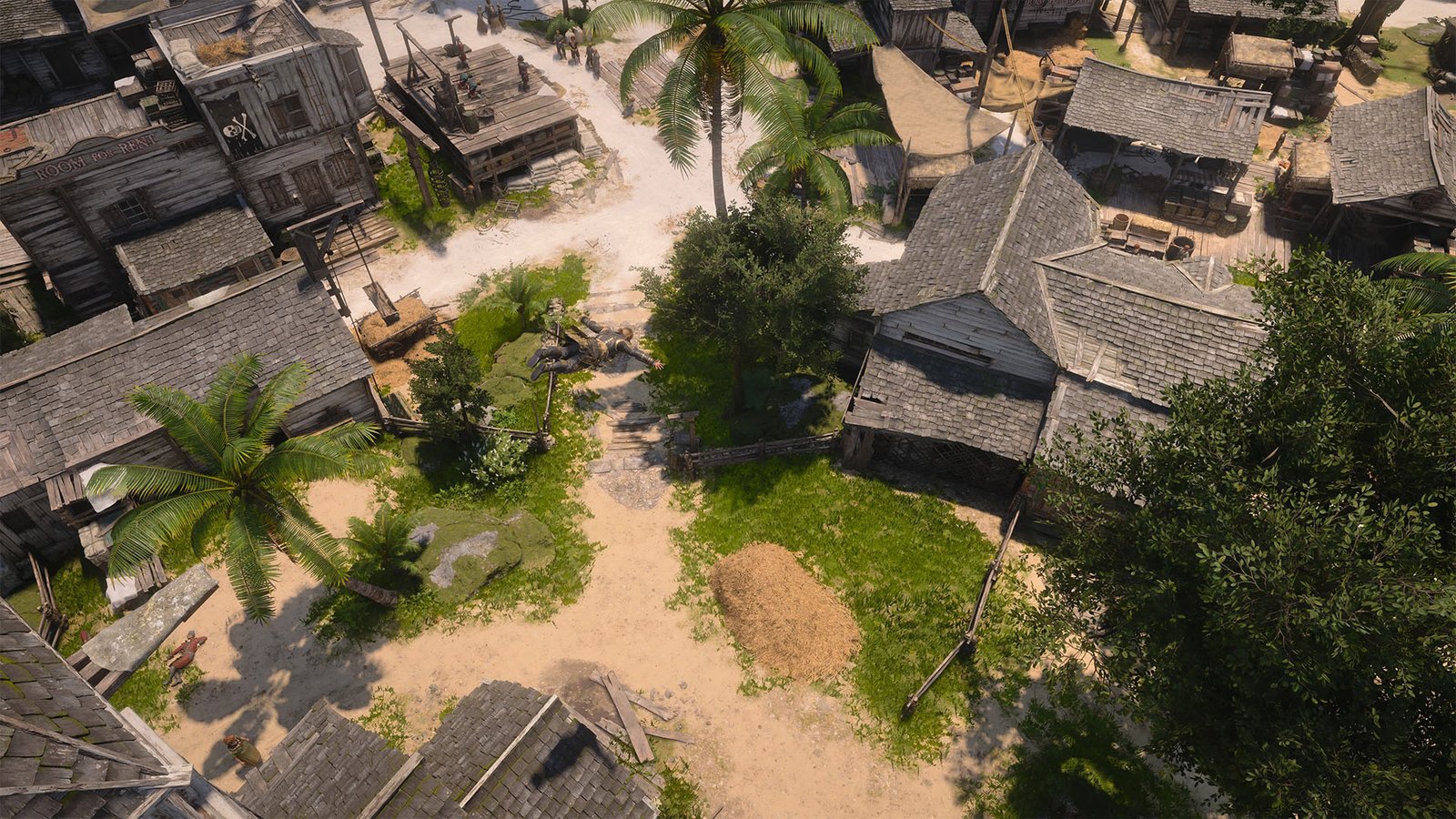
Edward Kenway, thankfully, remains as charming as ever. He is still the cunning rogue whose selfishness, humour, and gradual growth give Black Flag its emotional shape. Assassin’s Creed Black Flag Resynced does not dramatically alter his story, and it is better for it. The ending still works because Edward’s arc still works, and the remake’s additions are at their best when they simply give him more room to breathe.
The new story content and officers add colour rather than major plot movement. They are not woven into the original narrative so seamlessly that they feel essential to its structure, but across the journey, they give players more chances to see Edward through the people around him. For veterans, the main story may be familiar, but these added moments help the return feel less like a straight replay and more like a slightly fuller voyage.
Balanced Mode Bridges Beauty And Responsiveness in Assassin’s Creed Black Flag Resynced
Assassin’s Creed Black Flag Resynced offers the usual choice between prioritising visual fidelity or smoother performance, but the Balanced mode ends up feeling like the natural fit. Fidelity mode has the clearest eye-candy appeal, especially when the game leans into its lighting, water, foliage, and cinematic vistas. Performance mode gives players the cleanest smoothness. Balanced mode, however, finds the best bridge between the two.
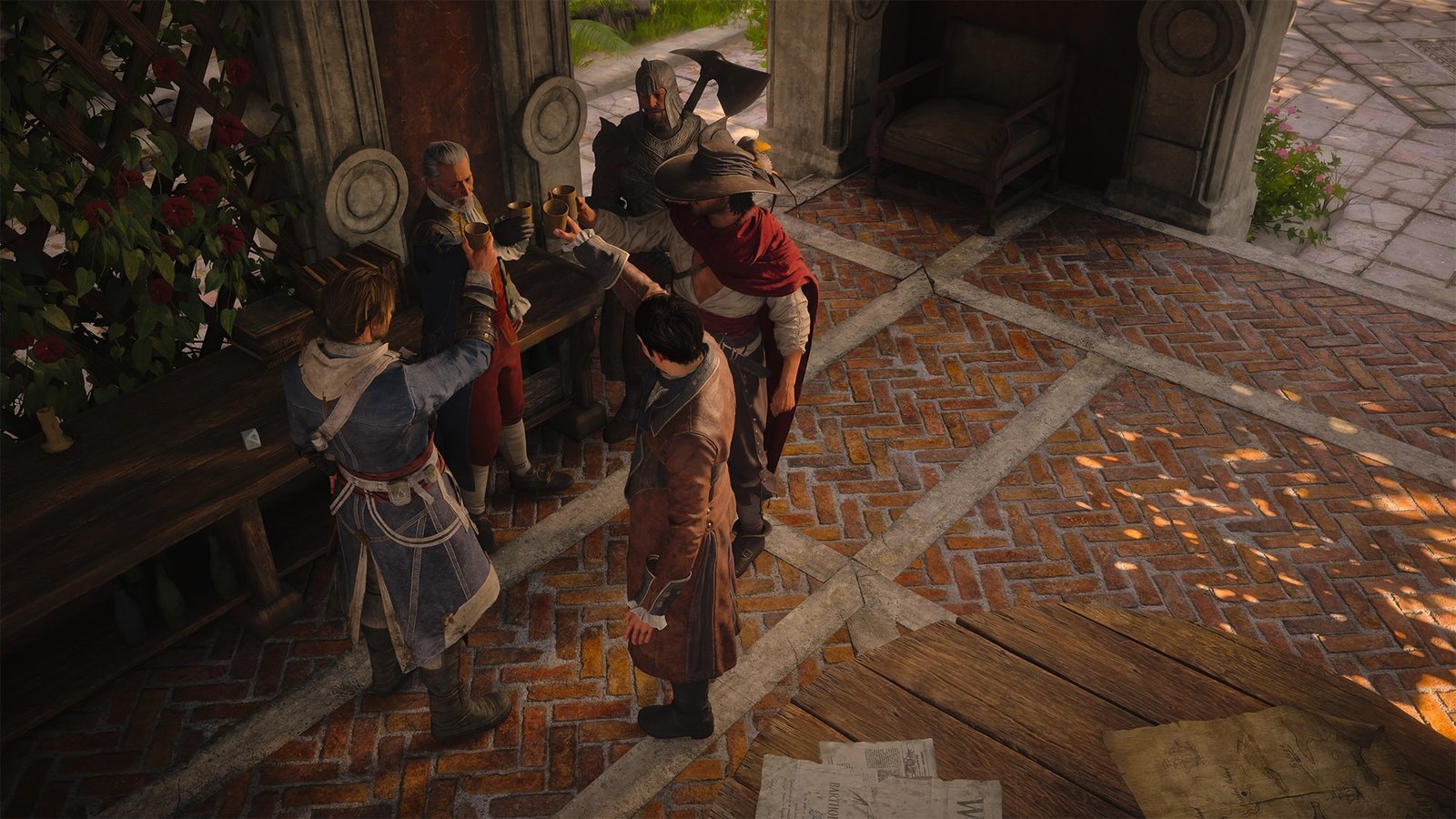
That matters because Assassin’s Creed Black Flag Resynced needs both spectacle and response. The Caribbean has to look alive, especially when storms roll in, moonlight catches the water, or the Jackdaw tears through cannon smoke. At the same time, Edward still needs to move with enough immediacy to sell the assassin fantasy, whether he is climbing across rooftops, slipping through restricted areas, or parrying attacks in the middle of a cramped deck fight.
Balanced mode keeps the world vibrant without making gameplay feel sluggish. It helps the remake look modern while still feeling responsive enough during stealth, combat, and naval encounters. HDR does take some tweaking, particularly for night-time scenes, where brightness can need adjustment to avoid crushing detail. Storms can also affect screen readability when the weather, waves, and combat chaos all converge at once.
The 3D audio in Assassin’s Creed Black Flag Resynced also deserves mention, especially with headphones. It adds presence to sea battles, where cannon fire, splintering wood, shouting crew members, and shifting enemy positions create a convincing sense of chaos. On land, it also helps combat and stealth feel more spatially readable. It is not the kind of feature that changes the game on its own, but it strengthens the overall illusion of being surrounded by the world rather than simply moving through it.
New Additions Enrich The Voyage
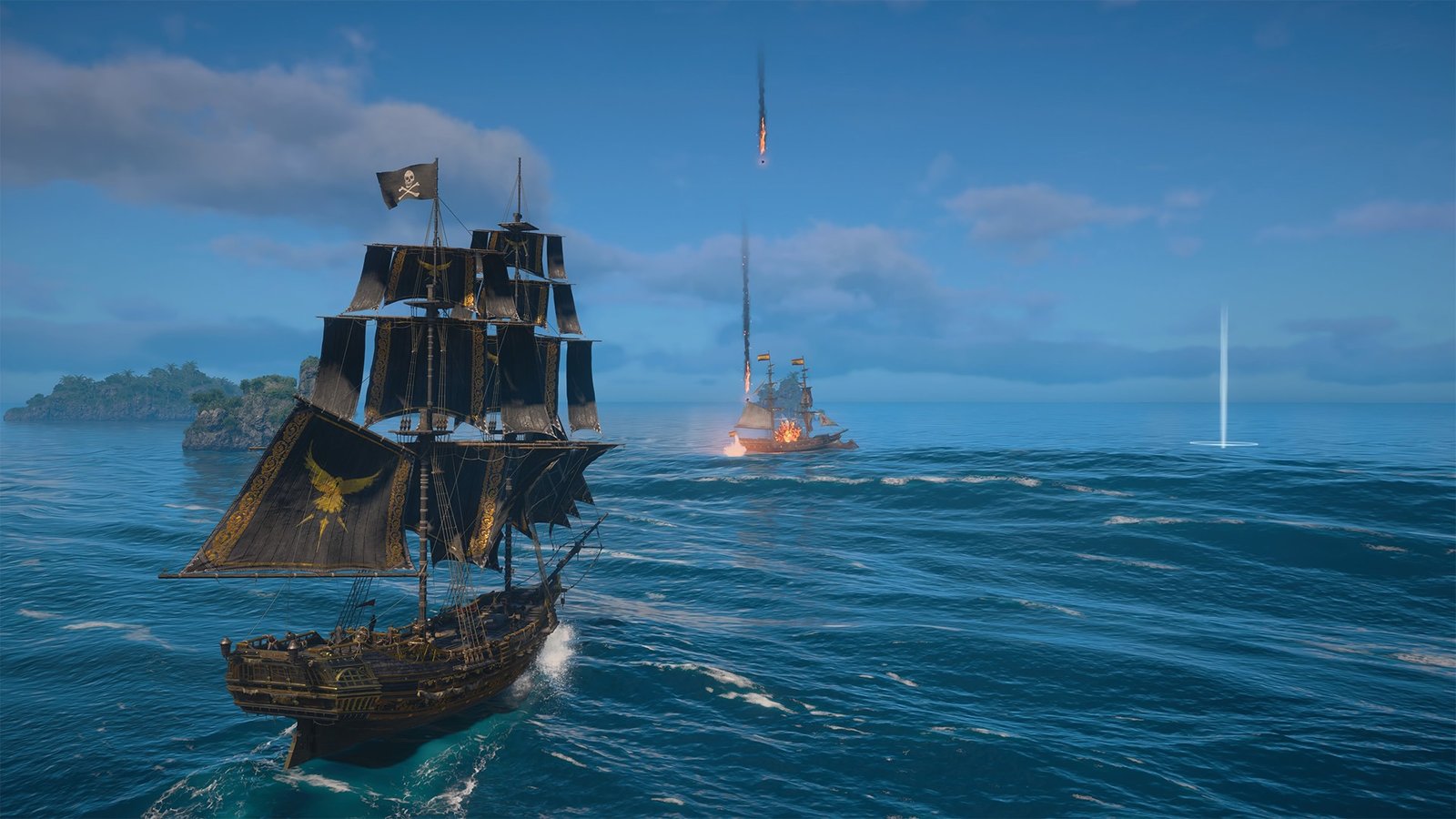
The new additions to Assassin’s Creed Black Flag Resynced are meaningful but not groundbreaking, and that is not necessarily a criticism. In a remake of a game this beloved, additions can sometimes do more harm than good if they pull too aggressively against the original’s rhythm. This remake avoids that by making its new content feel more like enrichment than replacement.
The officers are the clearest example, as their stories add more colour to Edward’s journey, while their abilities provide extra gameplay options without redefining how the game works. Padre’s Ram-Dash is one of the more useful additions, especially because it has value beyond direct combat. As a burst of speed, it helps break up slower stretches at sea, giving it a practical role that players may appreciate more and more over time. Lucy Baldwin’s Perfect Brace similarly adds another defensive consideration, making naval engagements feel slightly more tactical. And with Tobias Smith, it is always a pleasure for a double broadshot volley to sink your enemies faster.
These abilities are good to have rather than transformative. They give the Jackdaw more tools, but they do not radically change its identity, which feels appropriate. Over an 18- to 25-hour journey in Assassin’s Creed Black Flag Resynced, the officers do not come across as padding, even if they do little to reshape the wider narrative. Instead, they sit comfortably alongside the voyage, giving veterans something new to engage with and newcomers a fuller first experience.
The What If rifts are more uneven. As a replacement for the original’s modern-day Abstergo material, they are not especially compelling from a veteran perspective, and they do not feel like a like-for-like substitute. Still, their optional nature prevents them from becoming a real issue. Unless players are chasing completion, they sit more like side curiosities than major interruptions.
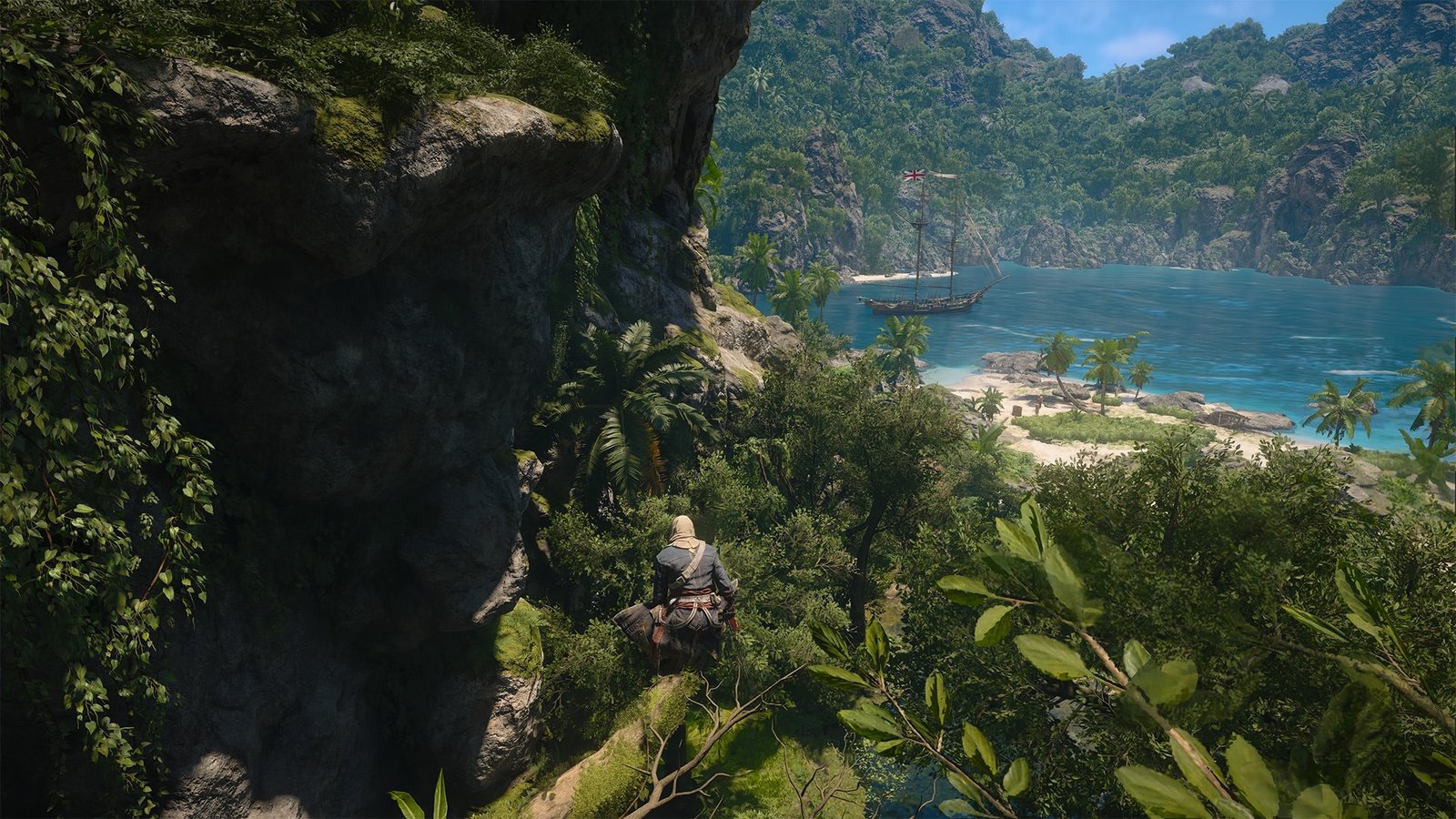
That optional approach helps the remake maintain focus. Assassin’s Creed Black Flag Resynced is at its strongest when it keeps Edward, the Jackdaw, and the Caribbean at the centre. The new material works because it supports that fantasy rather than trying to overpower it.
Sharper Combat, Same Old Rhythm
Combat has clearly changed in Assassin’s Creed Black Flag Resynced, but different does not always mean better. Compared to newer entries like Assassin’s Creed Shadows, this remains a much simpler action system. Edward has access to quick moves such as pistol shots, kicks, sweeps, and the rope dart, but they mostly serve a functional purpose: break an enemy’s defence, create an opening, and move towards the takedown.
On paper, that gives combat more texture than the original’s familiar counter-heavy flow. In practice, fights often settle into a similar rhythm. Against multiple enemies, the safest approach is still to wait for an attack, parry it, go for the takedown, chain as many finishers as your equipped weapon allows, and then repeat the cycle. Aggressive repeated strikes are rarely the answer, since enemies are quick to defend, shrug off pressure, and counter your attempts to force an opening.
This makes combat more deliberate, but also repetitive. There is satisfaction in landing a clean parry or using Edward’s tools to interrupt an enemy, yet the system does not quite escape the feeling that many encounters are asking for the same solution in Assassin’s Creed Black Flag Resynced. It is not shallow enough to ruin the game, but it is not deep enough to become one of the remake’s strongest pillars either.
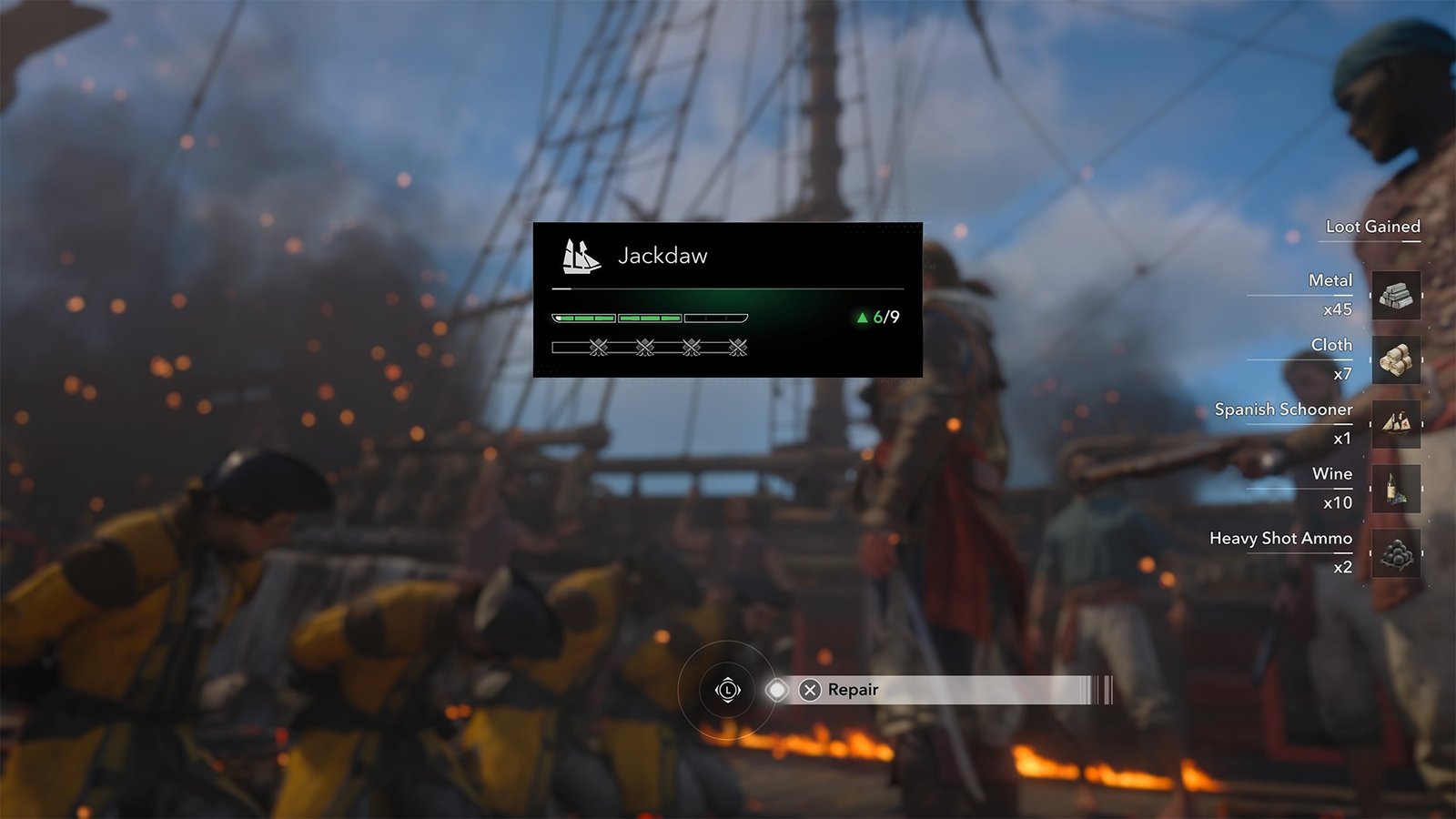
The camera can also become a problem, especially in tight spaces. Ship boarding sequences frequently place Edward in cramped fights where enemies surround him, the deck limits visibility, and off-camera attacks can feel frustrating. It is here that the remake’s combat changes feel most strained. The system wants players to read, react, and control space, but the environment does not always make that easy.
Stealth Is More Flexible, But Not Much Smarter in Assassin’s Creed Black Flag Resynced
Stealth fares better than combat in some ways, though it still carries old Assassin’s Creed habits. Tailing and eavesdropping missions remain present, but they feel more organic than before. Objectives are less rigid, and the game is better at giving players room to adapt when things go wrong. That alone makes a noticeable difference for veterans who remember how punishing and restrictive some of the original’s mission structures could be.
Even so, these sequences can still take too long. Following NPCs while conversations play out remains one of those inherited design choices that feels hard to fully modernise without changing the shape of the game. Assassin’s Creed Black Flag Resynced makes it less frustrating, but not always more exciting.
General stealth is more feasible thanks to more generous hiding options and greater flexibility in how players approach enemy areas. Being able to exploit different routes and spaces makes infiltration feel smoother, and Edward has enough tools to make silent play enjoyable. However, the enemy AI still struggles to uphold the fantasy. It is no exaggeration to say that players can pile up bodies and still lure enemies into the same killzone with a whistle, often without anyone becoming meaningfully wiser.
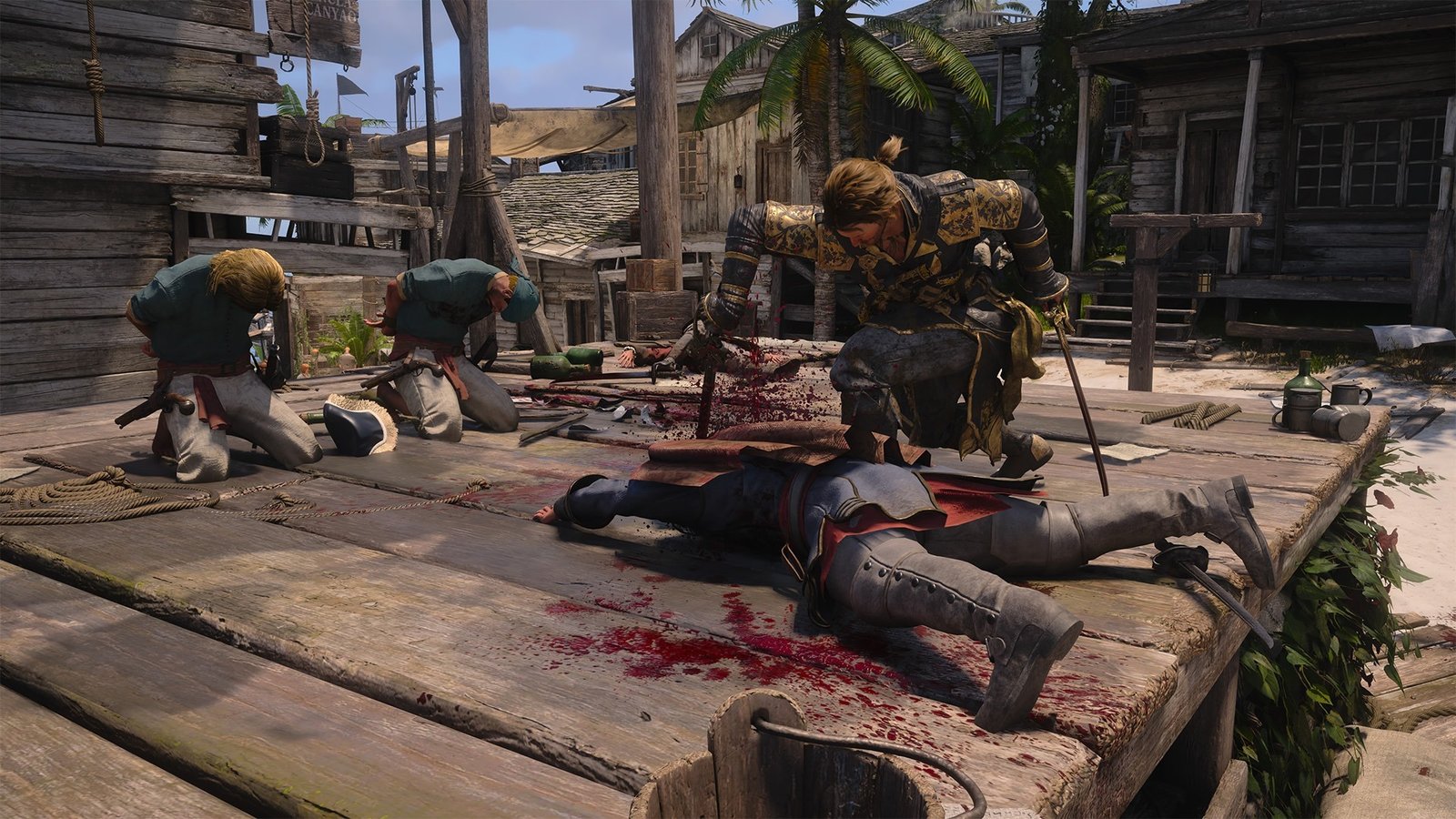
That keeps stealth enjoyable, but rarely tense. It is more flexible than the original and certainly easier to recommend to newcomers, but it does not turn Assassin’s Creed Black Flag Resynced into a smarter stealth sandbox. The remake gives players better tools and a less rigid design; it just does not always give enemies the awareness needed to match them.
The Jackdaw Still Owns The Horizon
For all the changes on land, Assassin’s Creed Black Flag Resynced still belongs to the Jackdaw. Ship combat remains the highlight, and the remake’s new officer abilities and secondary weapon options make naval encounters more exciting. There is more to consider now, especially when facing tougher opponents, and the game rewards a more strategic approach rather than simply charging into a fleet and hoping raw aggression carries the day.
That added challenge is welcome. Whether it is convoys, forts, hunters, or legendary ships, the best naval encounters remind players that the Jackdaw is not just transport but the core of the game’s progression. Upgrading it remains deeply satisfying because every improvement has a visible impact on survival. Better weapons, sturdier defences, and smarter use of abilities can be the difference between confidently taking on a threat and watching the sea swallow your ambition.
The naval rhythm is not flawless the second time around with Assassin’s Creed Black Flag Resynced. The Jackdaw can feel heavier to manoeuvre, even as combat itself can sometimes move a little too quickly compared to normal exploration sailing. That contrast takes getting used to. When fights become chaotic, aiming, defending, repositioning, and using abilities effectively require more thought than veterans may remember.
Boarding is also still a chore. The fantasy of pulling alongside an enemy vessel and leading the charge remains strong in theory, but in practice, waiting for ships to line up and close enough can drag on. Once aboard, fighting across cramped decks becomes repetitive, and the camera issues from regular combat become more pronounced. Boarding is still an important part of the loop, but it is rarely the best part even if you gain more loot from doing it successfully.
Checkpointing at sea can also be frustrating during extended naval sessions. It is not a constant issue, but players who spend long stretches attacking ships and forget to save manually may find themselves pushed further back than expected by a death without a recent autosave. It is the sort of friction that will not affect everyone equally, but when it does, it runs counter to the freedom the game otherwise encourages.
Even with those frustrations, the Jackdaw remains the reason Assassin’s Creed Black Flag Resynced works. The ship still gives the game its identity, and when everything clicks, there are few Assassin’s Creed experiences as immediately satisfying as turning the open sea into your hunting ground.
Exploration Feels Seamless, But Familiar
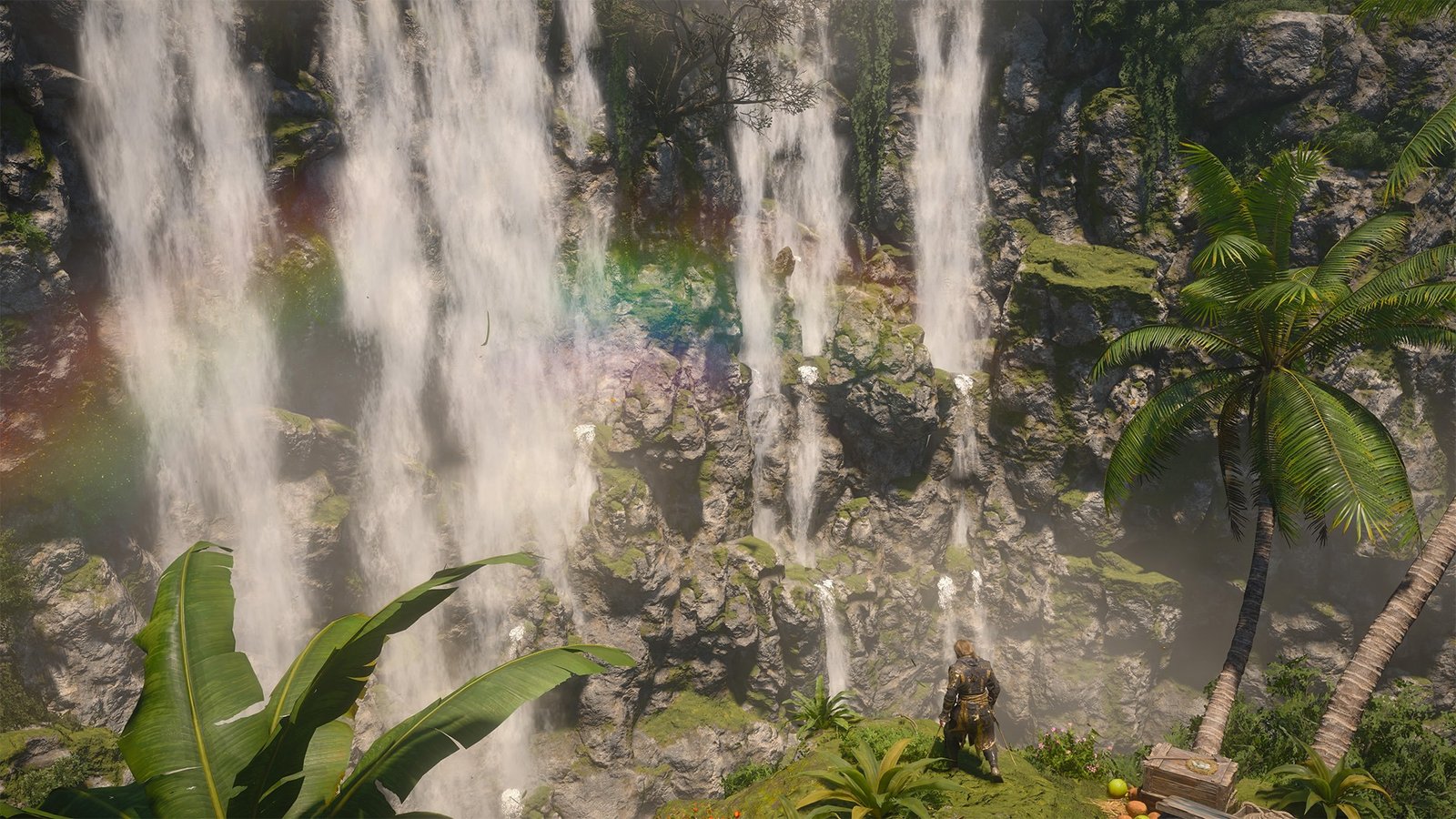
The Caribbean feels more lived-in and seamless in Assassin’s Creed Black Flag Resynced. Being able to dive anywhere adds welcome freedom, and the world benefits from feeling less segmented than before. Moving between activities, docking, sailing, diving, and exploring generally feels smoother, which helps the remake feel more modern without changing the basic structure of the base experience.
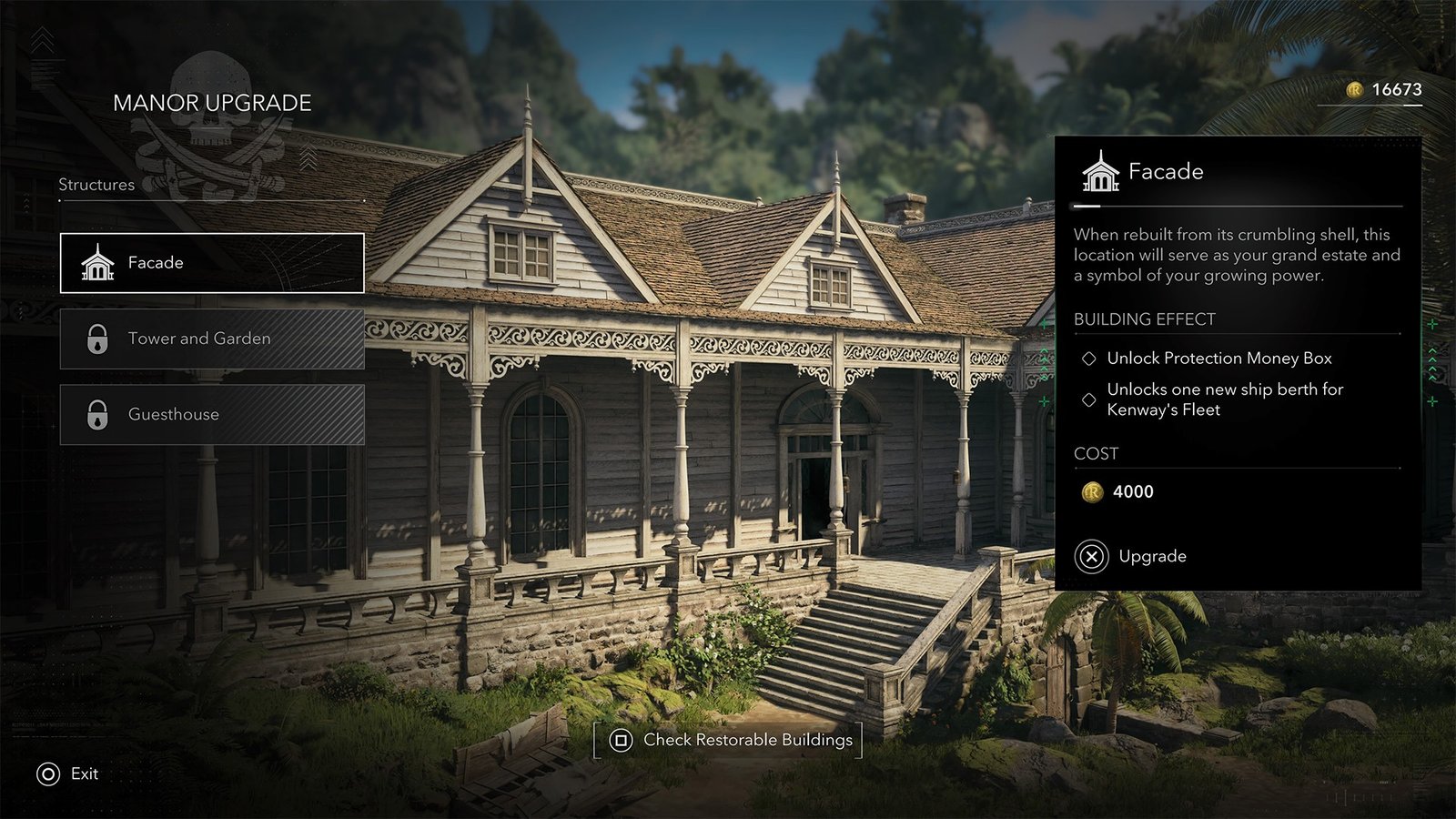
However, smoother does not always mean frictionless. The world still carries familiar open-world habits, and beyond treasure hunting, collectibles, and side objectives, there are times when the distance between points of interest feels more noticeable than the activity waiting at the end. Combined with slower exploration sailing, this can make some stretches feel longer than necessary.
On land, traversal has improved, but it is still not as smooth as in modern entries. The pathfinder mechanic helps, though getting to a specific point can still be more awkward than expected. Parkour remains subject to the classic series problem of Edward not always moving exactly where players intend. One wrong angle, one misread input, or one awkward climb can send him in the wrong direction, sometimes straight off a structure and into a needless death.
These issues do not undo the appeal of exploration, but they do remind players of the foundation beneath the remake. Assassin’s Creed Black Flag Resynced can look and feel significantly more modern, yet it still inherits parts of the original’s (and the series’) movement language. For players coming back, that will be familiar, and for newcomers, it may be one of the clearer signs that this is a lovingly rebuilt older game rather than something designed entirely to meet today’s expectations.
A Return Worth Taking
Assassin’s Creed Black Flag Resynced does not escape every old current, but it does understand why players wanted to return to these seas in the first place. The Jackdaw still owns the horizon, Edward Kenway still carries the story, and the Caribbean remains one of the most compelling settings the series has ever offered.
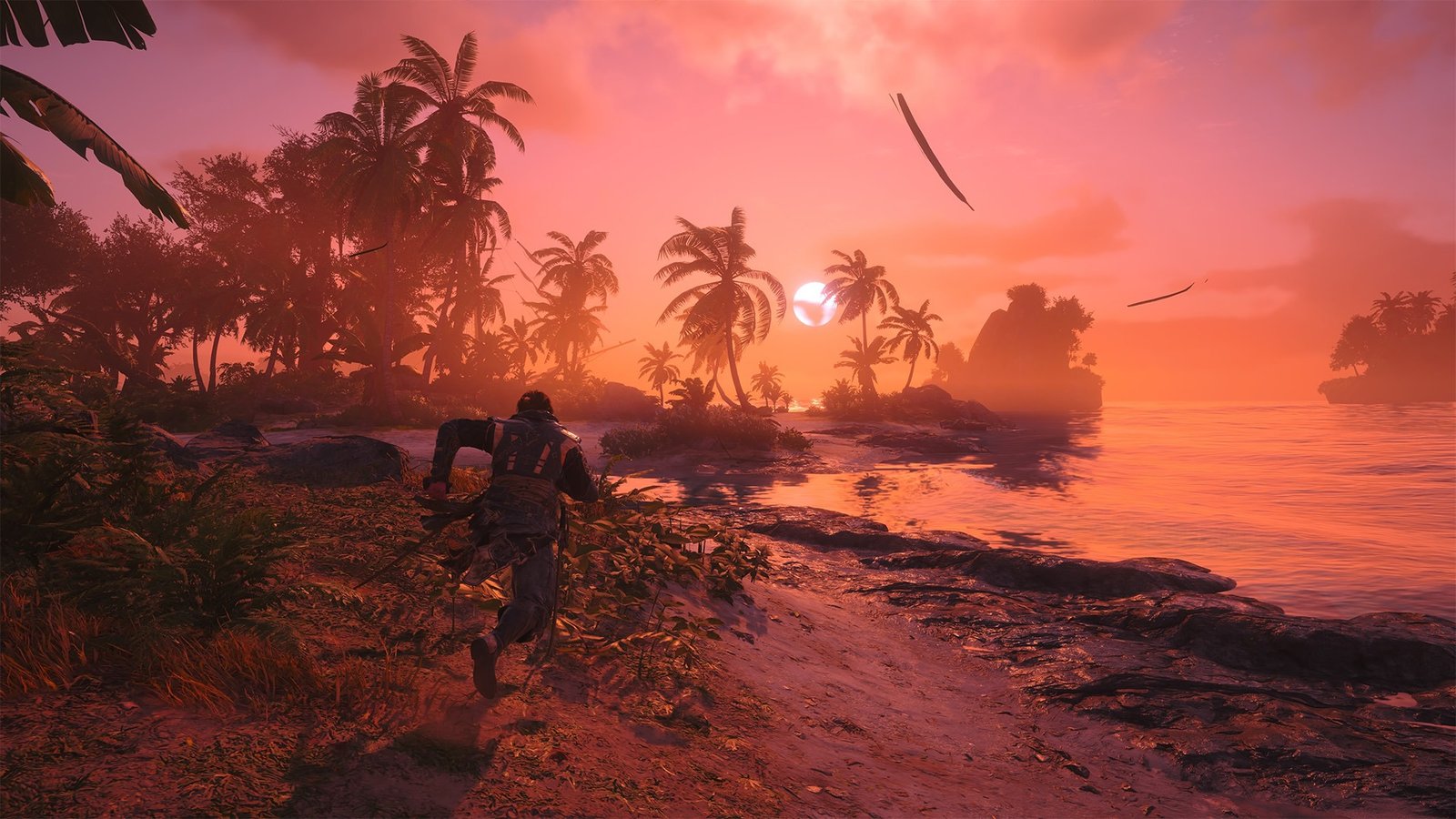
For veterans, enough time has passed for Assassin’s Creed Black Flag Resynced to feel fresh again, and the remake adds just enough through improved presentation, officer abilities, more flexible stealth, and extra story texture to make the return worthwhile. It is not a radical reinvention, and those expecting every old flaw to be fixed may be disappointed, but it is easily the strongest way to experience Edward’s journey today.
For newcomers, this remake is even easier to recommend. It provides the most polished and accessible version of one of Assassin’s Creed’s most beloved adventures, without demanding the 60-to-70-hour commitment associated with some newer entries. Its older mission design, repetitive combat rhythms, and occasional traversal frustrations may still show through, but the core fantasy remains powerful enough to carry the voyage.
Assassin’s Creed Black Flag Resynced is richer, sharper, and more alive, even when the familiar flaws of the series rise back to the surface. It may not fully reinvent Edward Kenway’s adventure, but it gives the classic enough new wind to make sailing with the Jackdaw feel worth it all over again.
Assassin’s Creed Black Flag Resynced launches on July 9 for PlayStation 5, Xbox Series X|S and PC.
SavePoint Score
Summary
Assassin’s Creed Black Flag Resynced is the strongest way to experience Edward Kenway’s adventure, refreshing the Caribbean with richer visuals, expanded content, and stronger naval play. Some old mission design, uneven combat, and traversal frustrations remain, but this remake is still a worthwhile dive into the past.
