

Table of Contents
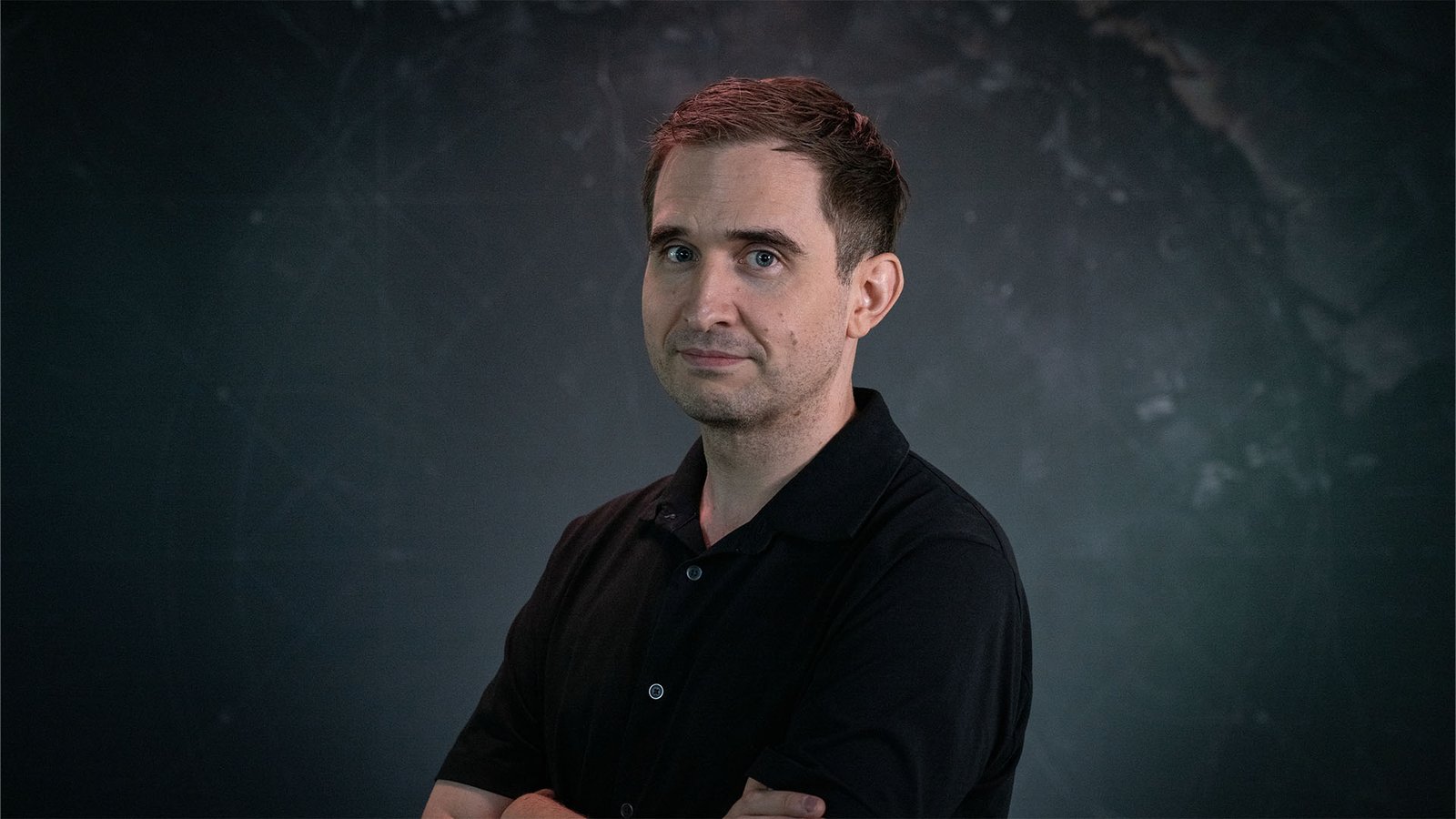
Richard Knight on Why Assassin’s Creed Black Flag Resynced Had to Stay Action-Adventure
One of the most interesting things about Assassin’s Creed Black Flag Resynced is that Ubisoft Singapore is not treating modernisation as a synonym for expansion at all costs. For game director Richard Knight, the challenge was never simply to rebuild Black Flag with newer technology.
It was to make the game feel modern in a way that still made sense for Edward Kenway, the story around him, and the kind of adventure the original was always trying to be. As Knight puts it, the goal was for Assassin’s Creed Black Flag Resynced to feel like the next Assassin’s Creed after Shadows, not just an exact recreation of what came before.
That framing is important because it immediately explains why this remake is not chasing the same shape as the series’ RPG-era entries. Knight is very clear on this point: Assassin’s Creed Black Flag Resynced was always going to remain an action-adventure game. Not because Ubisoft is turning away from what games like Shadows do well, but because Edward himself is built for a different rhythm. He is impulsive, constantly rushing forward, and always throwing himself into the next piece of trouble. That momentum defines his story, so the remake has to preserve it too.
That is one of the smartest arguments Assassin’s Creed Black Flag Resynced has in its favour. In a modern Assassin’s Creed landscape split between large-scale RPGs and more contained action-led entries, Black Flag may actually feel fresher by not trying to be something bigger. Knight’s point is not that RPG design is wrong for the series. It is that players respond best when character, story, and gameplay all say the same thing. For Edward Kenway, that means a forward-driving action-adventure structure remains the best fit.
Combat Is Being Rebuilt Around Expression, Not Numbers
If the action-adventure identity had never been in question, the team still knew some systems needed more work. Knight says naval combat could stay relatively close to its original spirit, but ground combat had to be rebuilt from the ground up. That is one of the clearest ways Assassin’s Creed Black Flag Resynced is trying to feel modern without simply feeling larger.
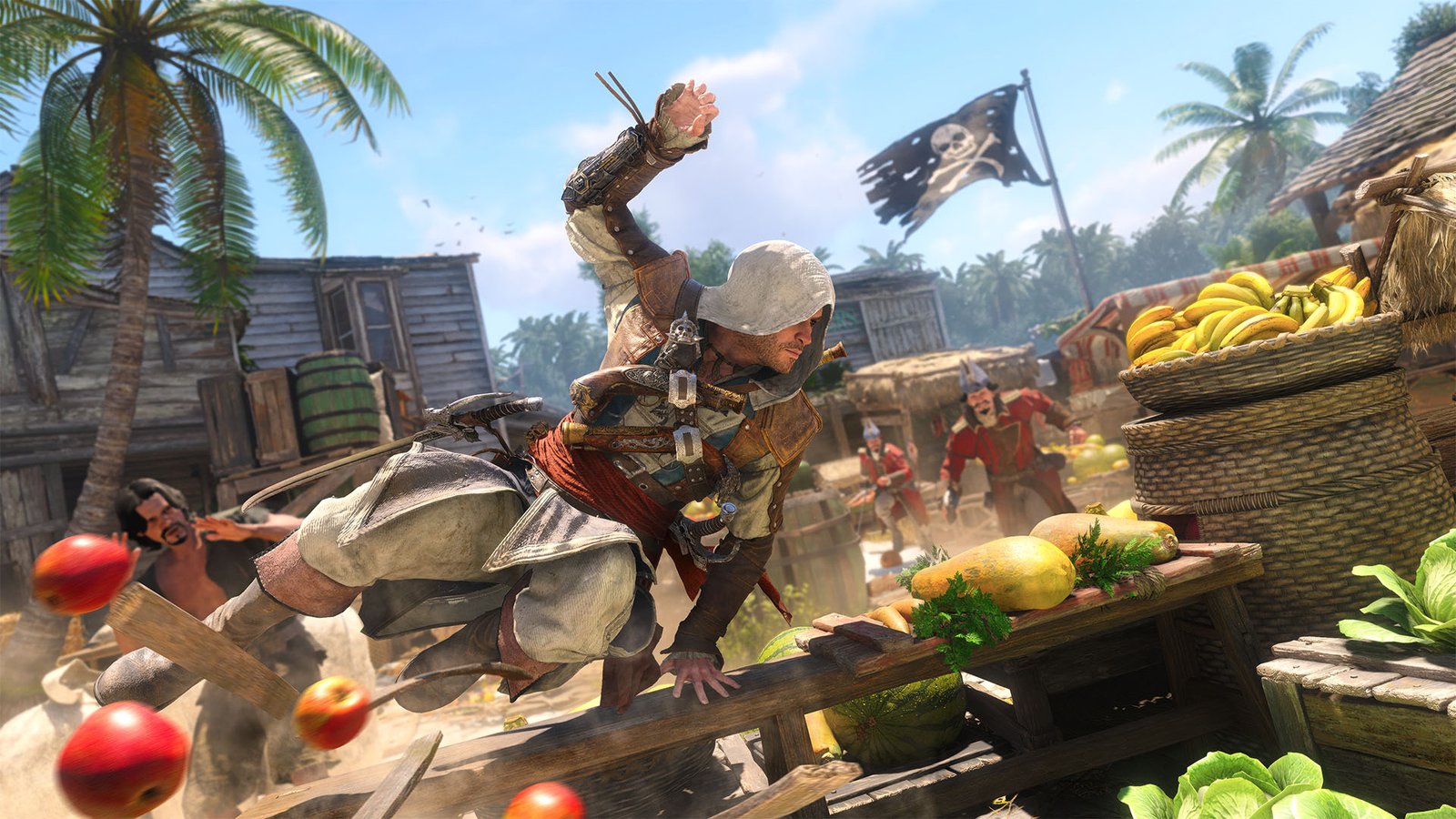
Knight describes the original combat as a kind of “judo” system, where players often waited for an enemy to attack, counterattacked, and won enormous fights with little real threat. In Resynced, Ubisoft Singapore wants more risk, more timing, and more player expression. Parry and dodge now matter far more, not because Edward is any less capable, but because the game wants players to actively decide how to use his wide toolset. He still has pistols, rope darts, kicks, sweeps, and lethal follow-ups. The difference is that the game is asking players to think about which move fits the situation, not simply whether they can overpower it.
That is where Knight’s most interesting point comes in. The combat is not built around gear numbers or RPG-style statistical escalation. Instead, it is built around reaction, flow, and situational choices. Enemy AI watches what players are relying on. Lean too heavily on the same tactic, and enemies start dodging, countering, or forcing a new approach.
The game is not trying to punish experimentation. It is trying to stop players from becoming one-trick ponies. That feels like a particularly elegant answer to a long-running Assassin’s Creed tension. How do you let the player feel stylishly overpowered without letting the action collapse into monotony?
Knight’s answer is expression. Edward can still look devastating, but the most satisfying path is variety. The more you mix pistols, takedowns, rope darts, environmental kills, and movement, the more dynamic the fights become. It is a more deliberate system, but not a slower one.
The Little Changes Matter Too
For all the attention on combat, Knight also makes a strong case that some of Assassin’s Creed Black Flag Resynced‘s most important improvements are quieter. These are the kinds of changes players may not immediately list in a feature comparison, but will feel the moment they pick up the controller.
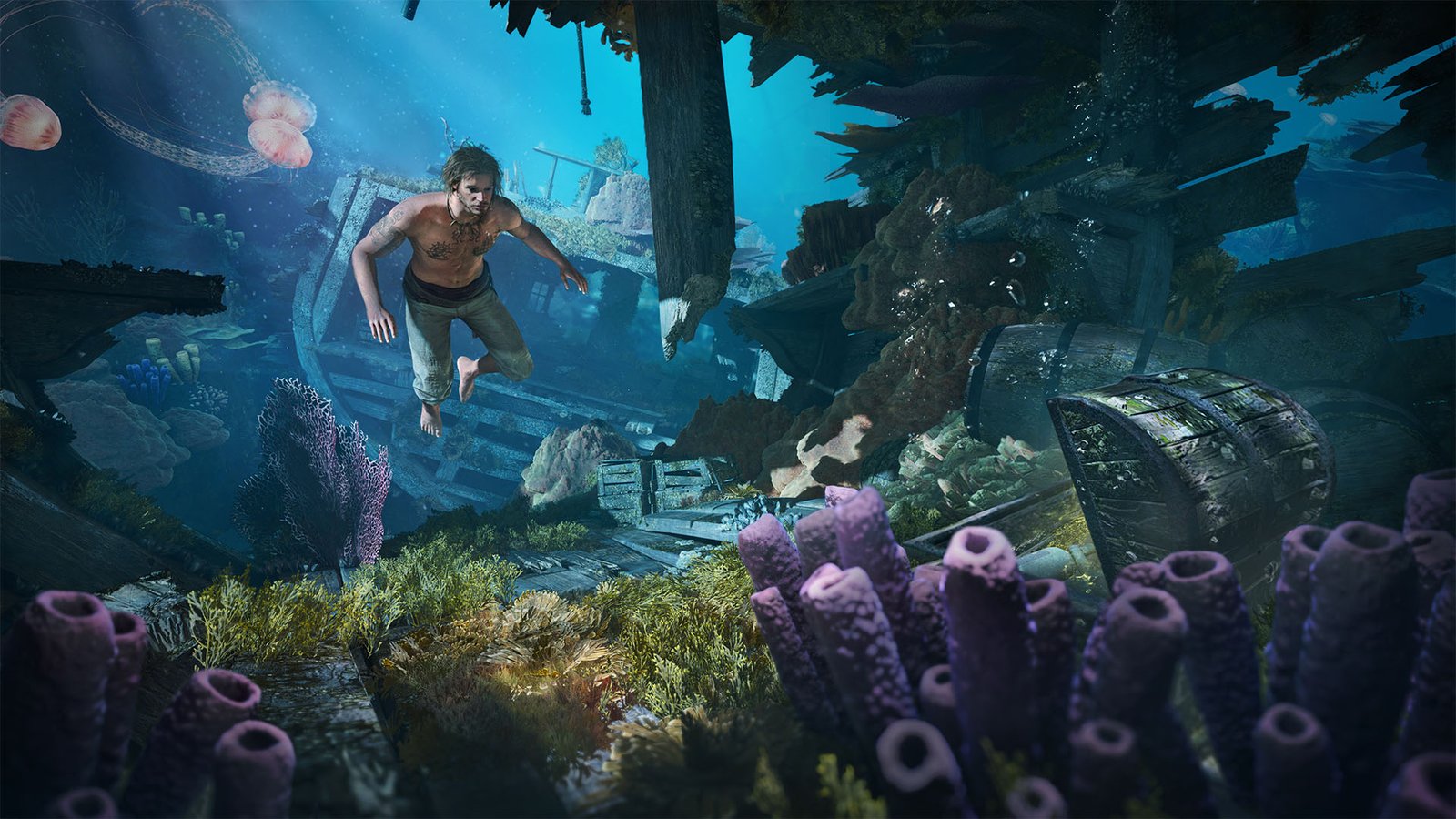
The hood toggle is one example. In the original, it was contextual. Here, it becomes something the player controls directly, a tiny role-playing touch that quietly changes how Edward feels in the world. Are you moving through Havana like a pirate or slipping into a mission like an assassin? The game now lets you decide. Likewise, crouching whenever you want, a seamless Havana without loading delays, and being able to move fluidly from beach to sea all help Black Flag feel like a game brought up to contemporary standards rather than merely re-rendered.
That kind of modernisation may sound ordinary on paper, but it matters because it supports the core fantasy rather than distracting from it. A remake does not always need to reinvent its most visible parts to feel new. Sometimes it simply needs to remove the friction that players no longer expect to tolerate. Knight’s comments suggest that Ubisoft Singapore clearly understands that.
Why the Non-RPG Approach Feels Refreshing Now
In some ways, Assassin’s Creed Black Flag Resynced arrives at a useful moment for Assassin’s Creed. The series has already shown it can thrive as a sprawling RPG. But that also means there is something quietly refreshing about a game that chooses not to stretch in that direction.
Knight does not frame this as a rejection of the RPG era. He worked on some of those games himself and clearly respects them. But Assassin’s Creed Black Flag Resynced is arguing for something different. It argues that a more contained structure, a more deterministic combat system, and a more propulsive story can still feel modern if handled with enough confidence. That feels especially true for a character like Edward, whose entire appeal rests on movement, momentum, and the sense that the next problem is always just around the corner.
That is why the non-RPG direction feels like a strength rather than a compromise. It allows Assassin’s Creed Black Flag Resynced to lean into what made the original so compelling without simply freezing it in time. The systems are fresher, the controls more expressive, and the world more fluid. But the identity remains recognisable.
For returning fans, that should make the remake feel validating. For newer players, it may be a reminder that modern does not always mean bigger. Sometimes it means more focused, more confident, and more willing to trust the shape of the adventure it already has.
For more on how Ubisoft Singapore is expanding Edward Kenway’s story and building new characters around his growth, read our interview with creative director Paul Fu. And for a hands-on look at how the new combat, stealth, and world improvements come together, check out our gameplay preview of Assassin’s Creed Black Flag Resynced.
Assassin’s Creed Black Flag Resynced launches on July 9 for PlayStation 5, Xbox Series X|S, and PC.
