

Table of Contents
Super Nintendo: The Game Changing Company That Unlocked the Power of Play by Keza MacDonald
Nintendo is one of the few names in entertainment that feels larger than any one console, mascot, or generation. For some, it is childhood. For others, it is design purity. For many, it is one of the last major game companies still closely associated with surprise, delight, and a kind of sincerity that the rest of the industry often struggles to protect.
We do not usually review books here, but when a title promises to unpack Nintendo not just as a company, but as a creative force that helped define how the world understands play, it becomes far too interesting to ignore.
That is what makes Keza MacDonald’s Super Nintendo: The Game Changing Company That Unlocked the Power of Play such an easy sell for anyone invested in games as culture. This is not merely a timeline of hardware launches and famous mascots. It is an attempt to explain why Nintendo has remained so emotionally resonant across decades, why its games continue to endure, and why the simple act of play still matters in an era increasingly shaped by friction, noise, and endless digital distraction.
Understanding Why Nintendo Endures
The greatest strength of Super Nintendo is that it understands the company’s appeal is not just historical. It is philosophical. MacDonald writes with clear affection for the company, but more importantly, she seems to understand what sets Nintendo apart from many of its peers.
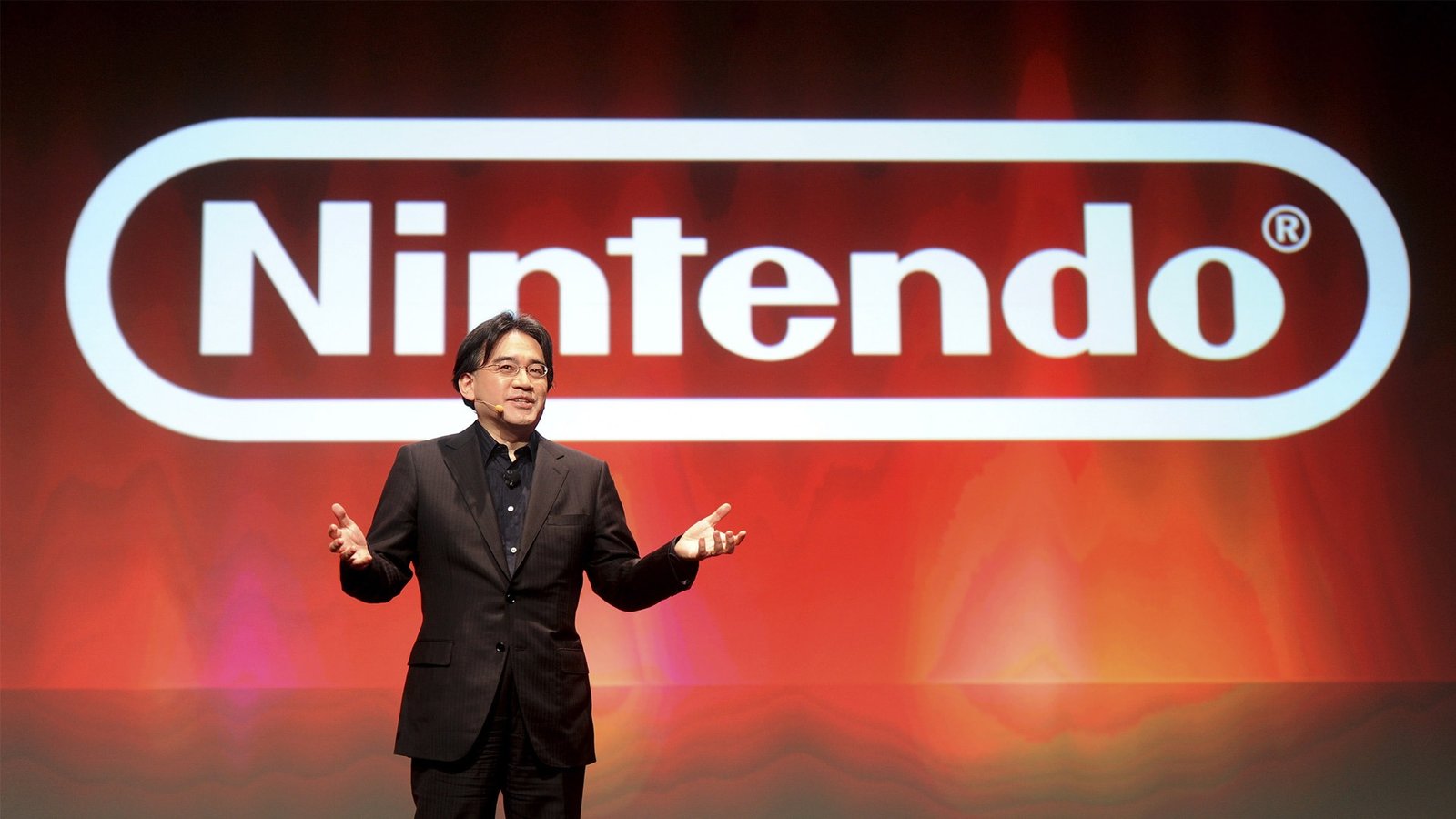
While others chased technical dominance, cinematic scale, or prestige by association, Nintendo often succeeded by staying closer to the feeling of a toy maker. Its best games are elegant in concept, precise in execution, and rooted in curiosity rather than excess.
That idea runs through the book with confidence. Nintendo is presented not as a myth that arrived fully formed, but as a company whose identity was shaped through experimentation, risk, instinct, and an unusually firm belief that fun is not a secondary concern. In the wrong hands, that argument could feel shallow or nostalgic. However, in this title, it generally lands with genuine conviction. MacDonald treats play as something meaningful, not childish. She treats Nintendo’s history as part business story, part design study, and part cultural reflection.
That balance is where Super Nintendo feels strongest. It appears to have the confidence to speak to readers who already know the landmarks of Nintendo history, but it also seems interested in why those landmarks matter beyond brand recognition.
Mario, Zelda, Donkey Kong, Pokémon, the Game Boy, the Wii. These are not simply products in a timeline. They are symbols of a particular creative worldview, one built around accessibility, tactility, invention, and delight. MacDonald’s triumph lies in making that worldview feel coherent not just for gamers, but for everybody, and something worth closer examination.
Where Admiration Softens the Harder Questions
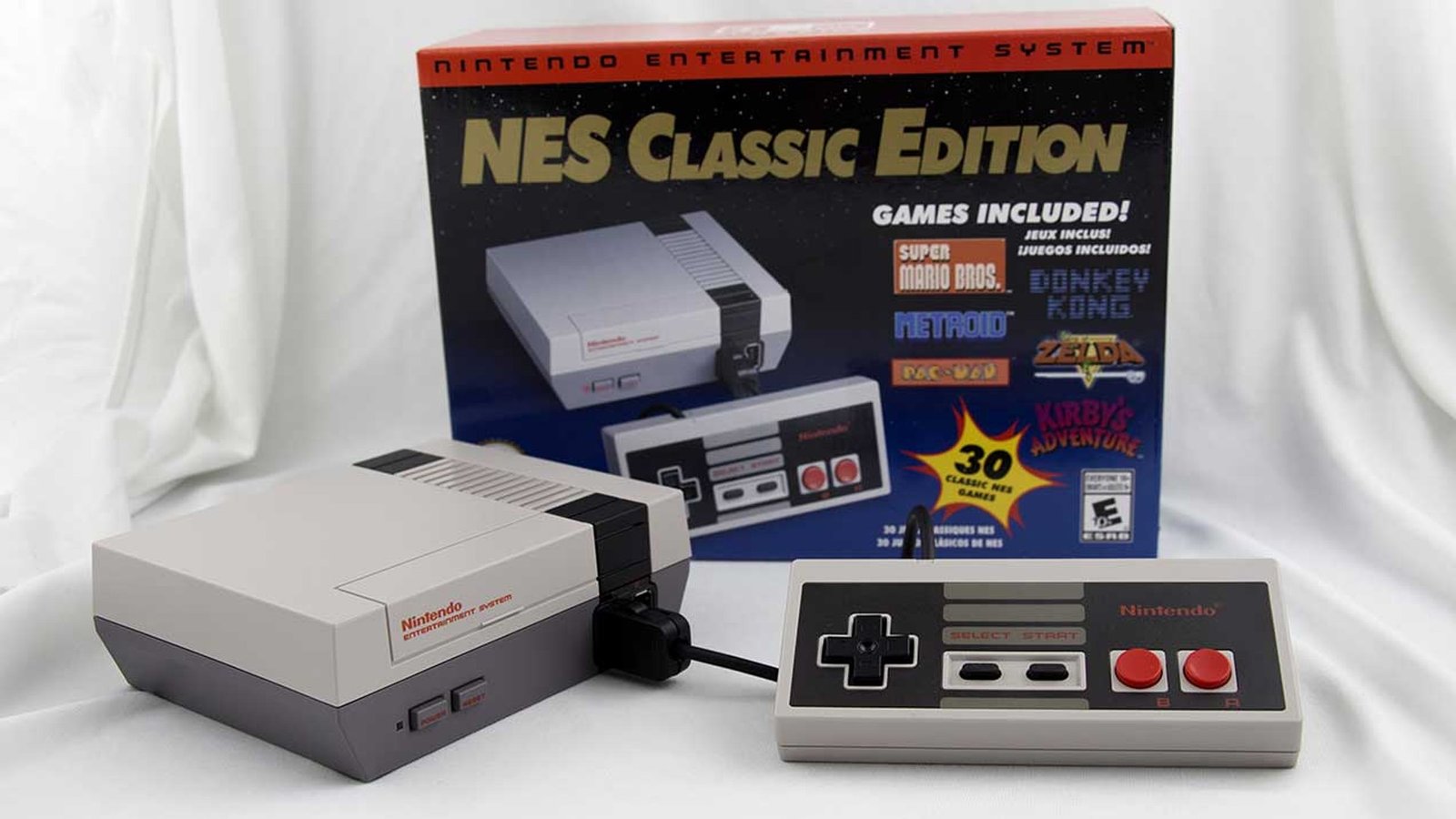
That warmth, however, is also where Super Nintendo finds its clearest limitation. On the one hand, MacDonald’s admiration for Nintendo gives the book energy and readability, but on the other hand, it also makes it feel more celebratory than interrogative.
That does not mean the book lacks substance. Far from it. It means the lens appears more interested in explaining Nintendo’s magic than in dismantling the contradictions around it. For many readers, that may not be a problem at all. A book like this does not necessarily need to be hostile in order to be worthwhile. Still, there is a difference between insight and scrutiny, and the very best company histories tend to have both.
Nintendo is an easy company to romanticise because its successes are so closely tied to joy. But it is also a global corporation with its own blind spots, tensions, and contradictions. When a book is this invested in the beauty of its subject, there is always the risk that some of the rougher contours are sanded down. That seems to be the case here, at least in part.
The result is a book that sounds consistently engaging and often perceptive, but perhaps not as probing as the sharpest long-form criticism might have been.
More Than Nostalgia, Even If Nostalgia Hovers Nearby
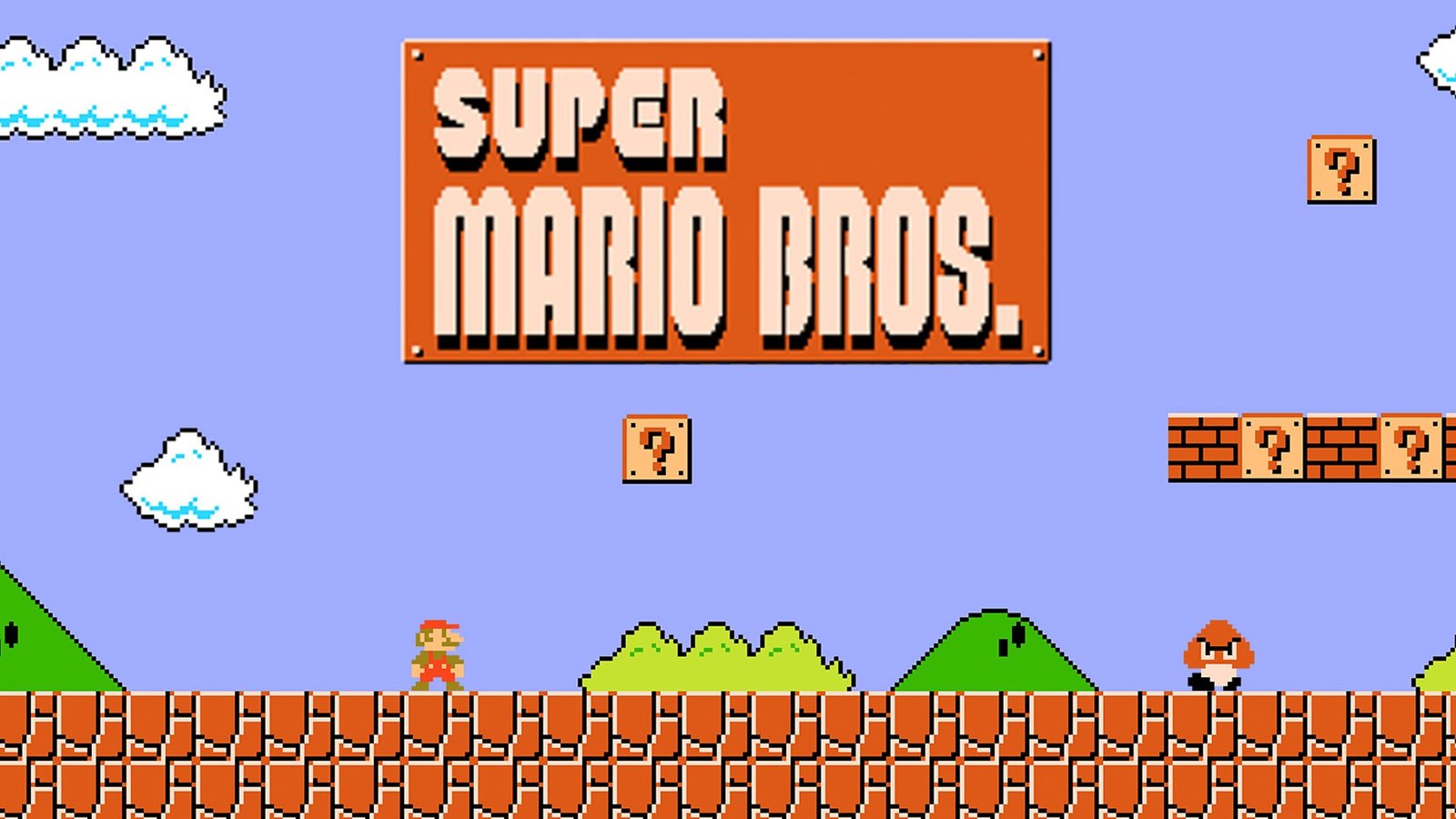
To the book’s credit, it does not seem content to survive on nostalgia alone. That matters because a project about Nintendo could very easily have settled into the familiar rhythm of remembered consoles, beloved franchises, and sentimental recollection. Instead, MacDonald appears to use nostalgia more as an entry point than a final destination in Super Nintendo.
That distinction makes a real difference. Nostalgia is limited only when it asks the reader to admire the past without considering why it endures. Here, the larger question seems to be why Nintendo’s games continue to feel distinct in the present, why they remain legible across generations, and how they still communicate a kind of design confidence that many bigger, louder productions cannot always match.
The best parts of Super Nintendo: The Game Changing Company That Unlocked the Power of Play appear to answer those questions not by flattening history into reverence, but by treating Nintendo’s legacy as something that has to be earned repeatedly.
Why This Detour Feels Worth Taking
What makes Super Nintendo: The Game-Changing Company That Unlocked the Power of Play worth recommending is not simply that it tells a familiar story well. It is that it treats games with seriousness without draining them of joy. It recognises that play is not frivolous, and that Nintendo’s place in games history is not just about commercial success, but about shaping how generations interact with worlds, systems, and each other.
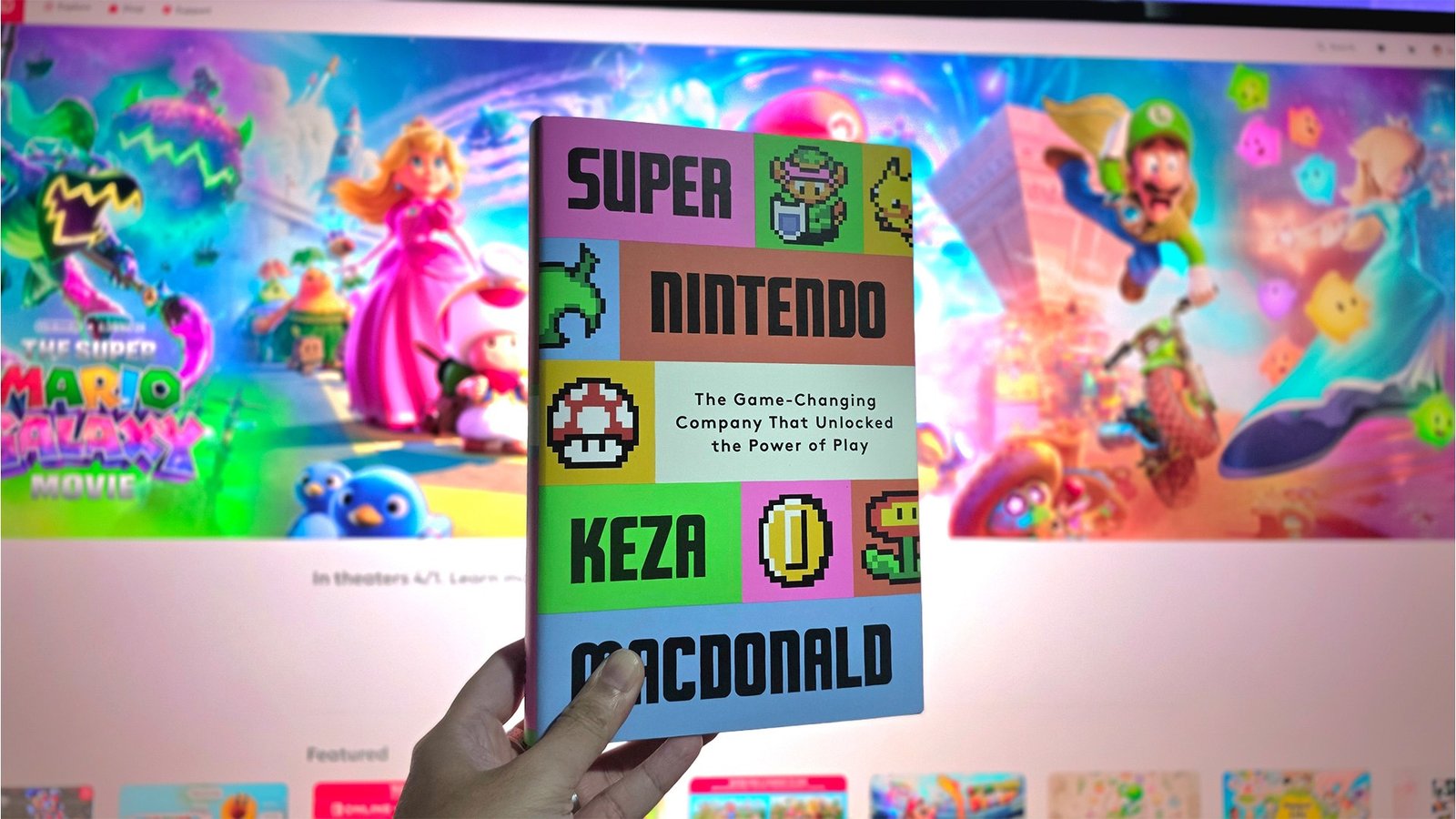
For us, that is more than enough to justify stepping outside our usual lane. We do not often stop for books, but this title about games seems to understand why games simply matter. Even if it occasionally stops short of its hardest critical opportunities, it offers something thoughtful, readable, and genuinely relevant to anyone interested in Nintendo’s legacy and the wider cultural force of play.
Super Nintendo may not be the final word on the company, but it sounds like the kind of work that reminds readers why Nintendo still inspires that search in the first place.
Super Nintendo: The Game Changing Company That Unlocked the Power of Play is available both in physical stores and online book retailers.
SavePoint Score
Summary
We do not usually review books, but Super Nintendo: The Game-Changing Company That Unlocked the Power of Play earns the exception. Keza MacDonald delivers a warm, intelligent exploration of Nintendo’s history and philosophy, capturing why the company still matters to generations of players, even if the book’s admiration sometimes leaves its sharpest questions only lightly touched.
