

Table of Contents
Ratatan on PS5 Pro
It is not everyday that you get to control an army whose battle plan involves singing its way through danger. Ratatan takes that idea and fills the screen with excitable creatures, musical instruments and enemies that look ready to join a particularly unruly parade. Its appeal starts with personality, though sustaining that enthusiasm is more complicated than finding a catchy tune.
Developed by Ratata Arts, and published by Game Source Entertainment, this spiritual successor to Patapon brings familiar musical army management into a roguelite structure. Rather than progressing through a conventional sequence of bespoke stages, players repeatedly venture out, collect rewards and strengthen their forces for another attempt. It is an understandable framework for encouraging experimentation, but it puts considerable pressure on how differently each expedition unfolds.
The adventure starts in Rataport, where its peculiar inhabitants dream of reaching the Everafter and meeting the Goddess said to reside there. This suitably fanciful motivation fuels an equally unusual journey, establishing a world held together by collective hope and cheerful eccentricity. The destination gives the march direction, but the relationship between the player and the army supplies the strongest reason to keep fighting in Ratatan.
An Army That Follows Your Rhythm
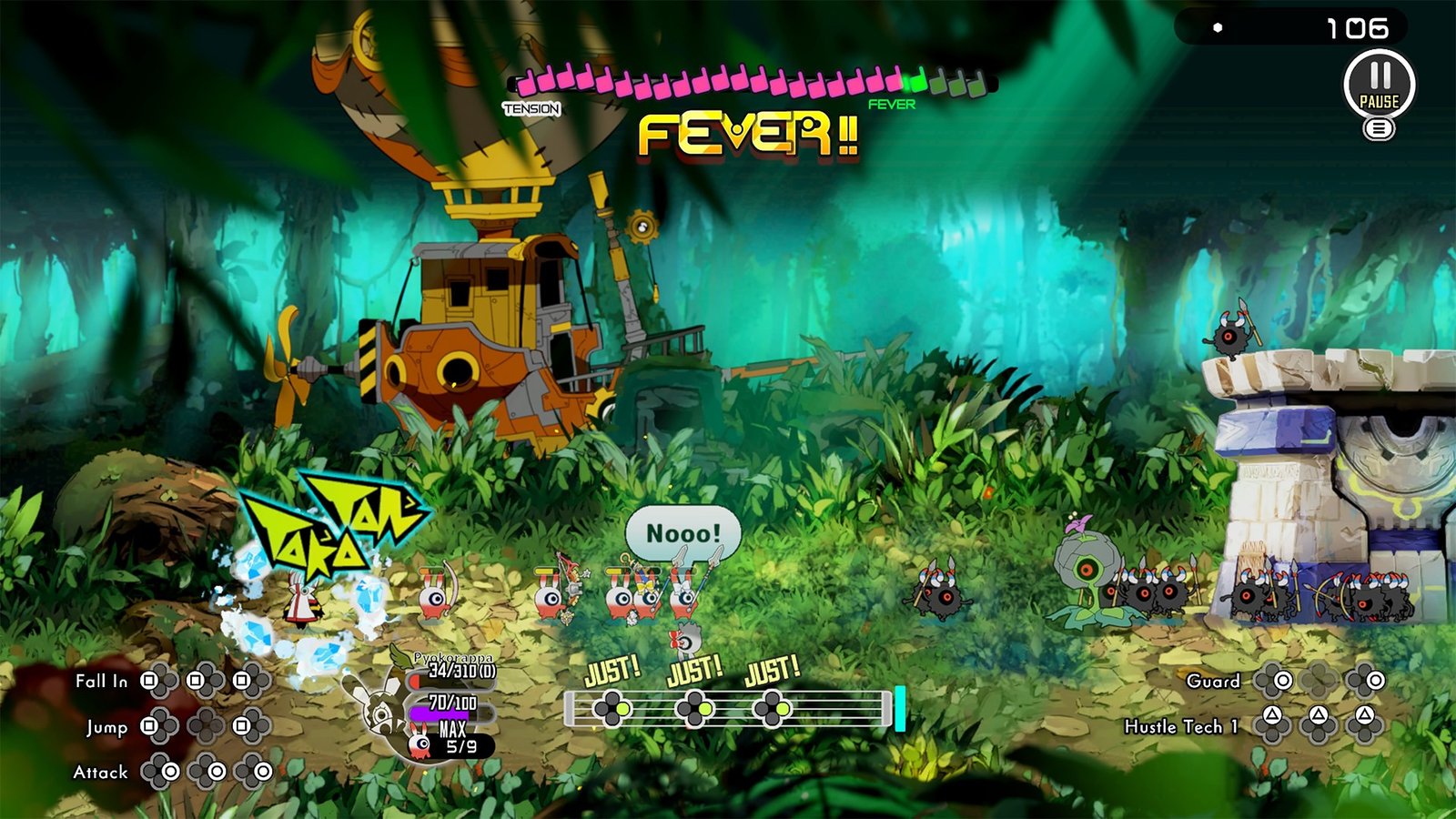
Players directly control a musical leader while issuing rhythmic orders to accompanying troops called Cobun. Button combinations instruct the army to attack, guard, jump or regroup, turning familiar battlefield decisions into phrases that must fit the beat. Success therefore depends on understanding both what the situation requires and how to communicate that instruction.
That connection gives the combat its distinctive appeal. An attack command becomes part of an exchange with the creatures behind, making the army feel like a chorus that participates. Different leaders bring their own vocal character to proceedings, while the Cobun’s enthusiastic responses give even straightforward encounters a playful energy. Learning the musical language helps you form an attachment to this strange little expedition.
However, the combination of direct movement and rhythmic leadership also divides attention in Ratatan. Positioning the leader, remembering an appropriate sequence and watching an approaching threat all compete for concentration. Knowing a defensive response is needed doesn’t automatically mean delivering it cleanly, especially while still learning the commands.
There is worthwhile tension in that gap between intention and execution. The challenge becomes less inviting when remembering the musical vocabulary occupies more attention than making a tactical decision. Ratatan asks for patience before its systems become comfortable companions, and its welcoming appearance can disguise how much coordination the battlefield demands.
Another Run, a Familiar Refrain
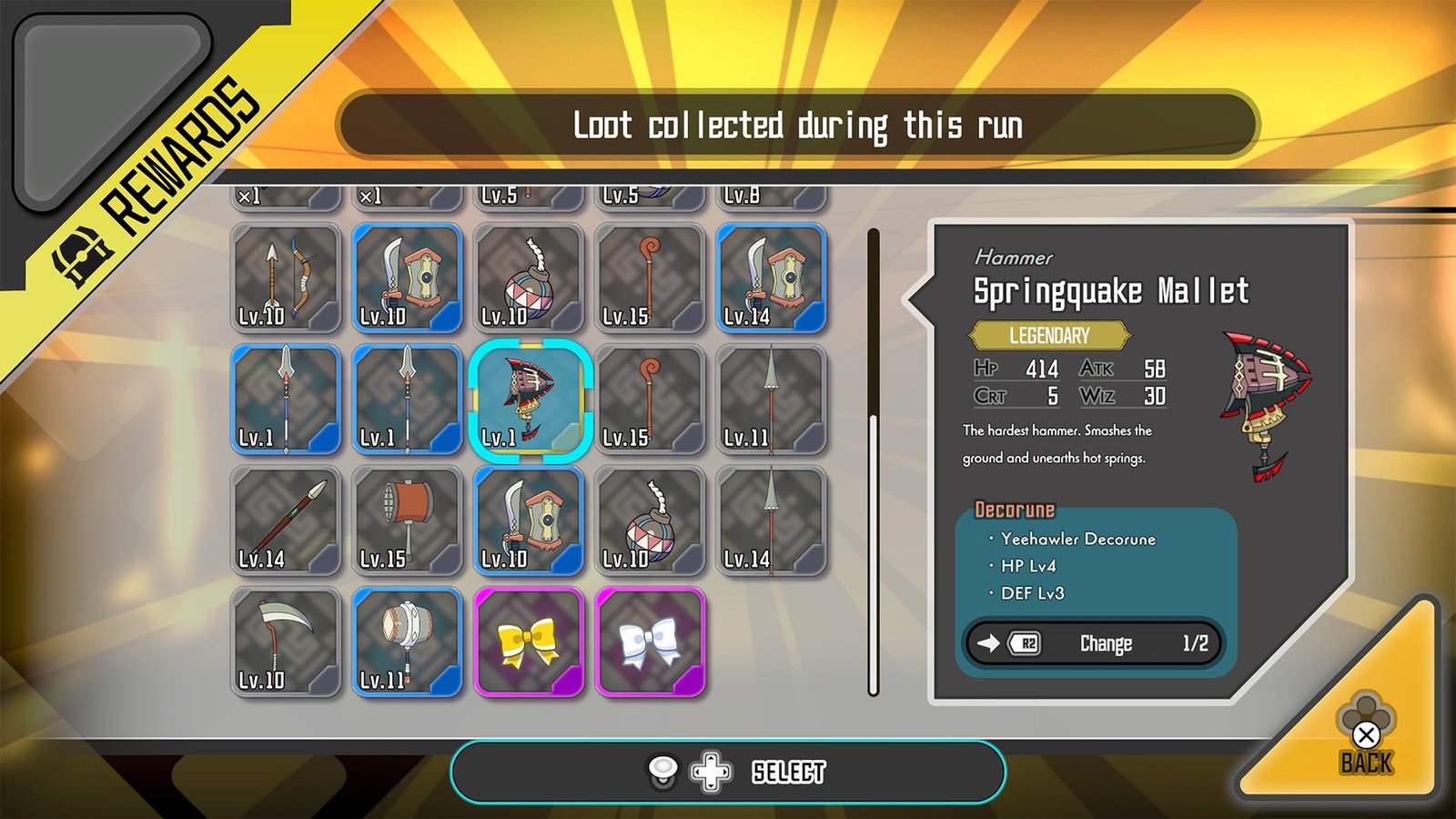
The roguelite structure extends that learning process across repeated expeditions. Encounters lead to rewards, temporary powers shape the current attempt, and resources brought back support lasting improvements. Defeat then feeds into preparation, giving the next departure a purpose beyond simply retrying the same challenge.
The idea of pairing musical practice with incremental progress is appealing. Familiarity should make issuing commands more natural, while upgrades help the army push further. Ratatan‘s opening can still feel slow before those improvements begin to accumulate, delaying the point at which repetition becomes rewarding rather than preparatory.
Progression does improve that momentum, but greater strength and greater variety are different achievements. Choosing another reward or changing a leader can alter an expedition without substantially changing the decisions driving each battle. When reliable attack commands and sensible avoidance remain central, the surrounding upgrades don’t always create a fresh tactical identity.
That is where the framework feels stretched. A rhythm game already encourages repetition through the pleasure of improving execution; a roguelite also needs return visits to offer discovery. Ratatan offers more reasons to get stronger consistently than to rethink your approach. Players who enjoy steadily building an army may find reassurance in that familiarity, although those expecting dramatic transformations between attempts could find the march wearing thin.
A Colourful Chorus Worth Hearing
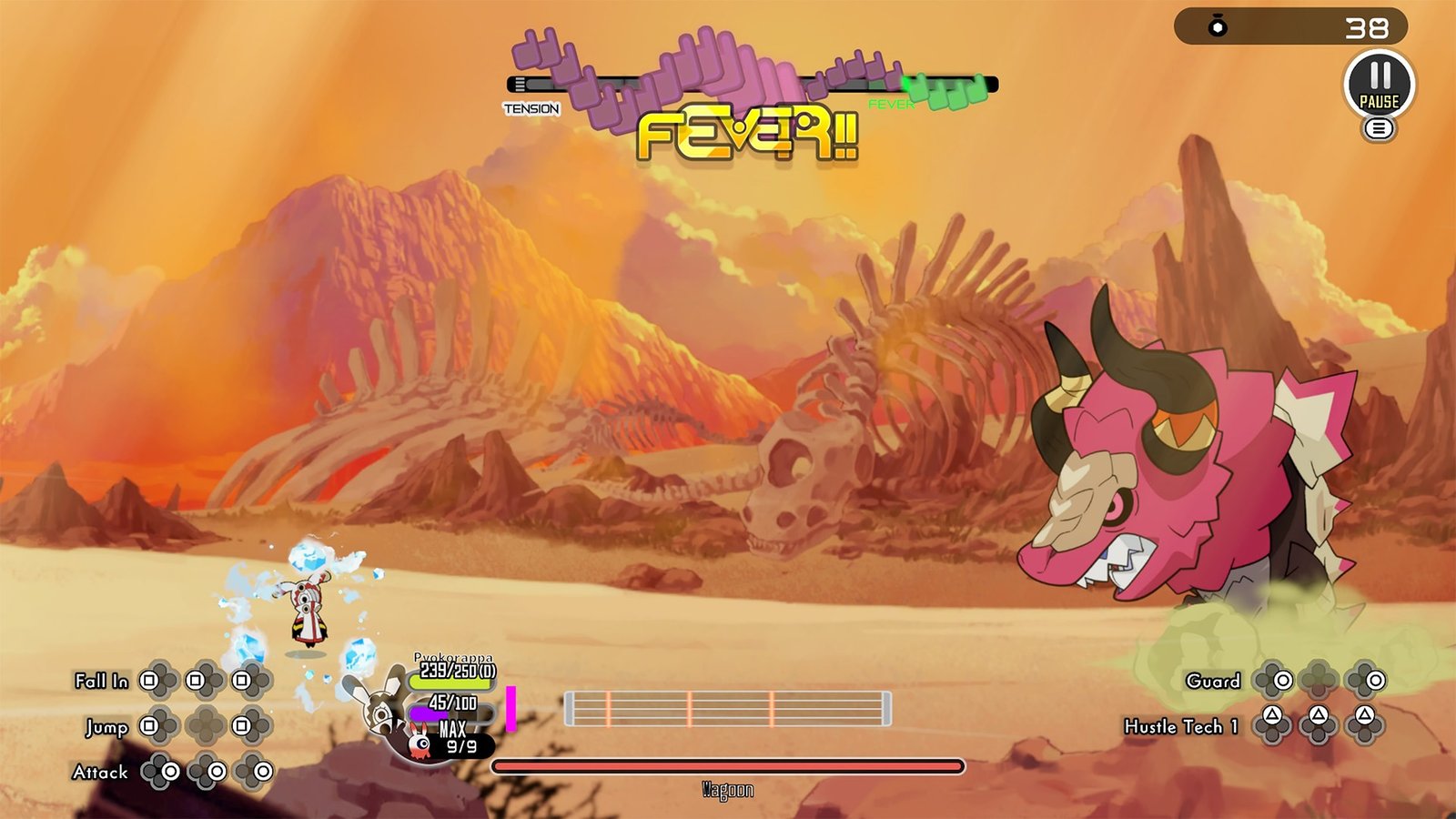
The music does a lot to keep that journey inviting. Catchy vocal phrases and lively accompaniment make issuing orders an expressive part of the adventure in Ratatan, rather than a functional layer placed over conventional combat. The army’s personality comes through its sound as much as its appearance, giving the central mechanic an emotional warmth that upgrades alone could never provide.
Its colourful presentation complements that energy, though the elaborate scenery and crowded battles can make it harder to track the leader and troops. Reading the battlefield and maintaining the rhythm are inseparable tasks: time spent locating a unit is attention diverted from the next command. Visual exuberance brings character, but clearer emphasis on essential information would better support the action.
Support for up to four players online offers another way to assemble the expedition. The attraction is easy to understand for a game built around collective musical action, though its inclusion alone cannot settle questions about the lasting variety of the underlying loop.
Ratatan ultimately has a stronger identity in its musical exchanges than in the progression surrounding them. For rhythm enthusiasts willing to learn its commands and embrace familiar encounters, the singing army offers an unusual companionship. Its heart remains easy to hear, even when the adventure struggles to give every return journey a sufficiently different tune.
Ratatan is available now on PlayStation 5, Xbox Series X|S, PC and Nintendo Switch 2.
SavePoint Score
Summary
Ratatan’s musical battles and exuberant creatures give its adventure an irresistible personality. However, demanding command inputs, crowded encounters and a repetitive progression loop prevent that promising foundation from becoming a consistently compelling rhythm adventure.
