

Table of Contents
Marvel Tōkon: Fighting Souls Preview Shows a Fighter Growing in Confidence
The first thing Marvel Tōkon: Fighting Souls does well is remove fear from the first button press. That matters more than it may sound. Fighting games often struggle to welcome casual players while still giving experienced players enough room to dig deep, but after 90 minutes with the latest build, the Marvel Games and Arc System Works fighter feels increasingly confident in how it wants to bridge that gap.
Our session was split between about 45 minutes of AI opponents and local versus matches with other attendees. There were no tutorials in this build, which meant jumping straight in and learning through command materials, in-game references, and immediate experimentation. That could have been rough. Instead, the game’s accessibility does a lot of heavy lifting.
Quick Skill inputs make complicated commands much easier to execute, especially for players who are less comfortable with precise D-pad or stick motions. Easy chains also mean that newcomers are rarely left completely helpless. Even when you do not fully understand every system, you can still move, attack, call assists, build combos, and deal damage.
What keeps it interesting is that accessibility does not appear to flatten the ceiling. The more we played, the clearer it became that Marvel Tōkon: Fighting Souls is not just a flashy button-masher wearing a Marvel skin. Defensive options, parries, dodges, counters, punishes, assists, positioning, and character-specific mechanics all suggest a game with real competitive legs.
Magneto Adds Control, Weight, and Threat
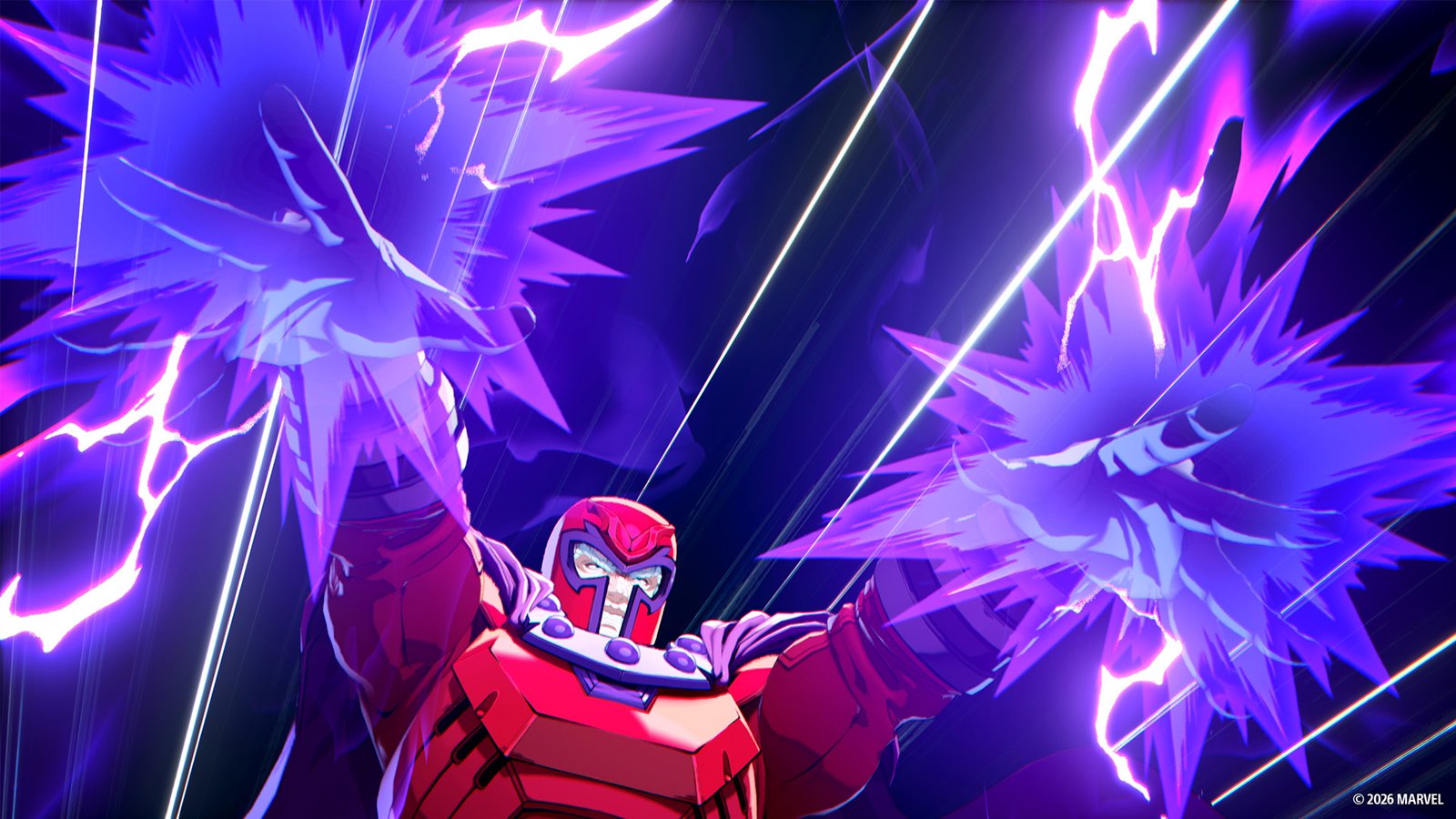
The major new attraction in this build was Magneto, and he immediately feels like one of the more interesting characters on the roster so far. Magneto sits in a compelling space between mid-range control and close-range punishment. He can keep opponents at bay with projectiles and grabs, but he is also dangerous when the fight sits just outside close quarters. Anyone defending too comfortably at mid-range can quickly find themselves pulled into trouble, especially when assists are layered into their pressure.
He does move more heavily than some of the faster characters, and that weight is noticeable. Magneto does not zip around the screen with the same immediate speed as Spider-Man or the same forward aggression as Wolverine. Instead, his strength comes from controlling space, setting up pressure, and making the opponent think carefully about where they are allowed to stand.
His debris mechanic helps sell that fantasy beautifully. Visually, it is a lovely touch. Seeing debris floating in the background and starting to glow gives the fight a sense that Magneto’s influence is building around the battlefield. Functionally, it matters too, because debris can enhance his attacks and make him more threatening as the match develops.
That combination gives Magneto an identity that feels faithful without being overly complicated on the surface. Newer players can understand that he controls space. More technical players will likely find far more to explore in how debris, assists, combo routes, and positioning all connect.
The 4v4 System Is Starting to Show Its Depth
The playable Marvel Tōkon: Fighting Souls roster in this build included Iron Man, Captain America, Storm, Ghost Rider, Spider-Man, Doctor Doom, Ms. Marvel, Star-Lord, Magik, Wolverine, Danger, Peni Parker, Black Panther, and Magneto. That range already gives the game a healthy spread of archetypes, even before the full launch roster comes into play.
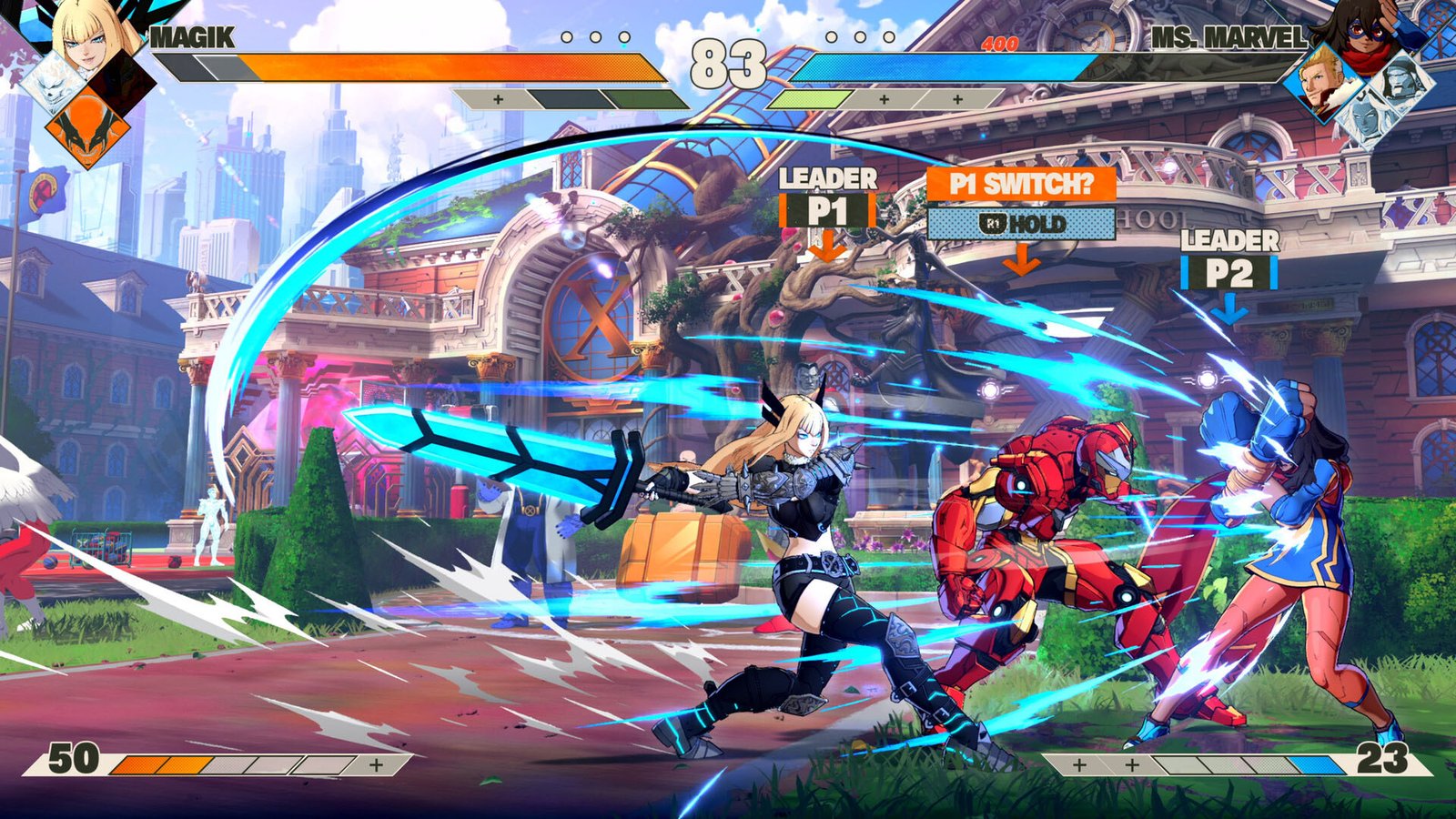
What stands out most is how much team composition seems likely to matter. Magneto becomes more effective when assists help extend pressure or hold opponents in place. Rushdown characters benefit from tools that help them get in safely. Projectile-heavy characters can shape the screen in ways that force mistakes. Characters like Magik, meanwhile, show how much long-term learning may be required.
Magik is a good example of the game’s split personality. In the hands of a newer player, her portals may feel awkward or even useless if the spacing and timing are not there. In the hands of a stronger player, those same tools could become terrifying. That is exactly the kind of design space a competitive fighter needs. The mechanics are approachable enough to try, but not so simple that mastery feels shallow.
That is also where Marvel Tōkon: Fighting Souls begins to feel most promising. The game lets casual players do cool things quickly, but it does not seem afraid of making its most interesting tools take time to understand.
Accessibility Does Not Remove the Fighting Game Wall
That said, this is still a fighting game. Accessibility helps, but it does not remove the genre’s natural barrier. If you are playing against another casual player, the game feels immediately fun. You can throw out attacks, call assists, chain together stylish sequences, and enjoy the spectacle without fully understanding the deeper systems. Against someone who knows what they are doing, however, that gap becomes obvious very quickly.
That is not necessarily a flaw. In fact, it is probably a good sign for the game’s long-term health. The ceiling looks high, and with a varied roster, that bodes well for the eventual meta. The important thing is that Marvel Tōkon: Fighting Souls gives new players enough tools to enjoy themselves before they hit that wall.
Quick Skill inputs are a smart part of that equation. They do not make the game play itself, but they reduce the initial friction of special moves and let players focus more quickly on spacing, assists, defence, and team rhythm. For a Marvel fighter that wants to welcome both comic fans and fighting game players, that balance is essential.
The Screen Gets Busy, but It Remains Manageable
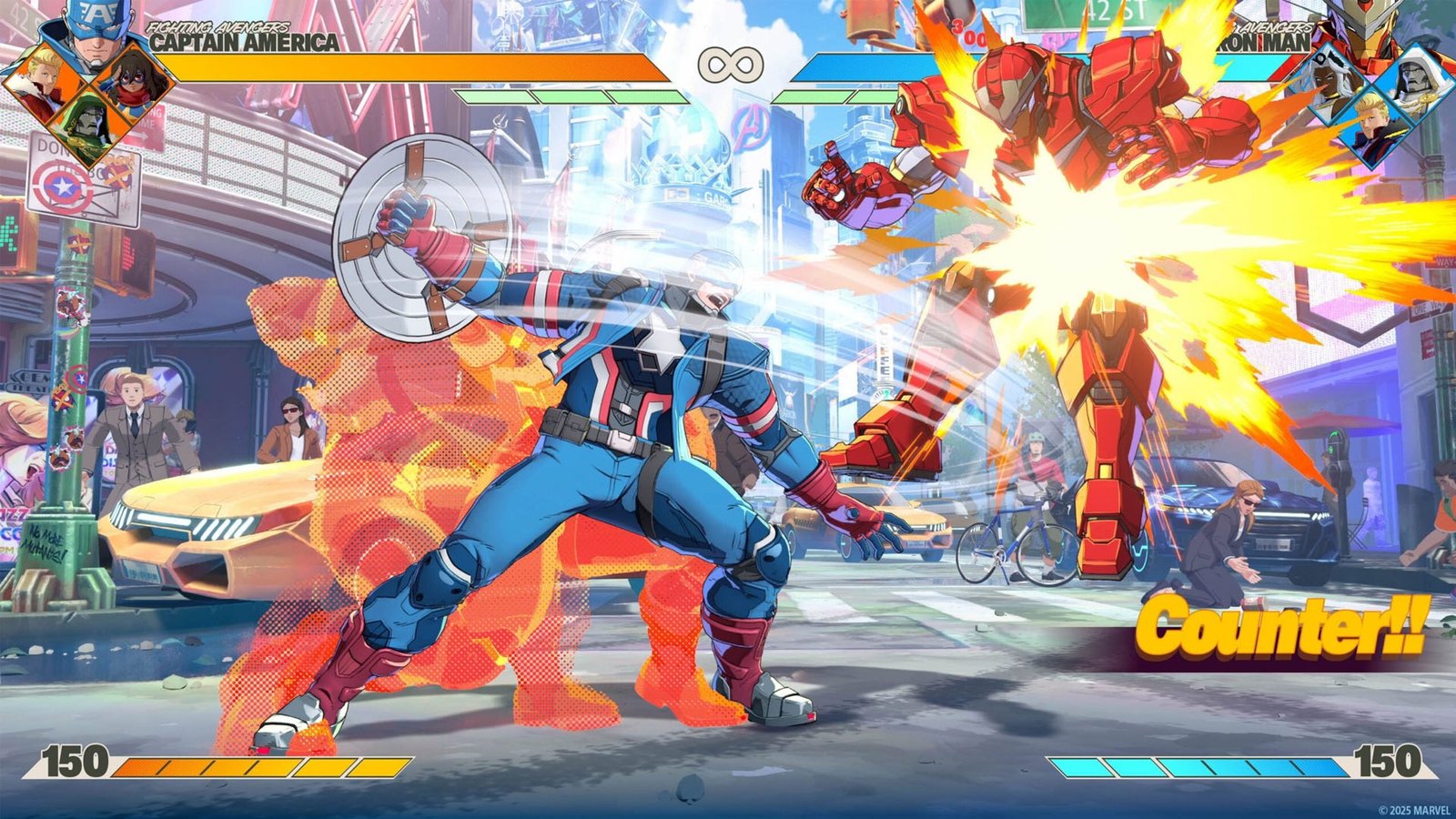
The biggest concern remains visual chaos. As rounds progress, the screen can become extremely busy. Assists, assisted combos, projectiles, character effects, stage movement, and Marvel spectacle all start stacking on top of one another. With Magneto in particular, the added debris and projectile pressure can make the screen look even more crowded.
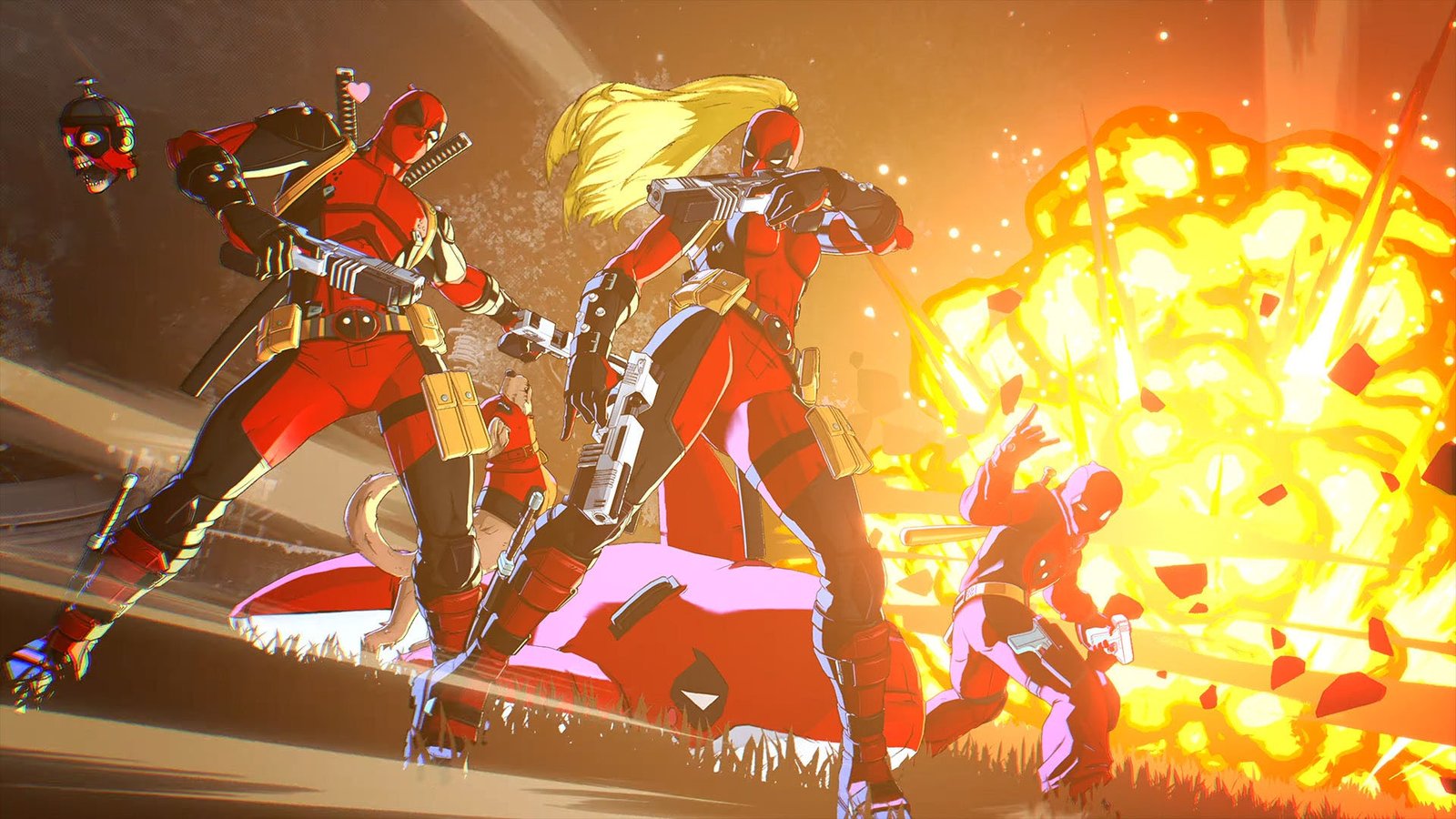
At first, that can be daunting. There are moments where the sheer volume of effects makes it hard to process everything happening at once. But the game does become more readable once you understand one simple thing: know who your active fighter is, and know who your opponent’s active fighter is.
Once that mental anchor is in place, the chaos starts to make more sense. Assists and effects still flood the screen, but the fight becomes easier to follow because your attention has a centre. It may still be overwhelming for newcomers, especially in faster matches, but it does not feel unreadable.
Marvel Tōkon: Fighting Souls should look wild, it should feel explosive, and it should carry the oversized energy of Marvel comics filtered through Arc System Works’ visual language. The challenge is making sure spectacle does not drown out decision-making. From this latest build, the balance is not effortless, but it is more manageable than it first appears.
Magneto Makes the Competitive Future More Exciting
After this latest session, Marvel Tōkon: Fighting Souls feels more convincing than before. Magneto helps a lot. He adds a heavier, more technical flavour to the roster, expands the importance of space control, and shows how individual character mechanics can reshape the flow of a match. He feels like a character built to test how far the game’s systems can stretch, and if everyone else is on or near the same level, that can only be a good thing.
More broadly, the latest build reinforces the game’s biggest strength. It is accessible without feeling empty. It is chaotic without becoming completely unreadable. It is flashy enough for Marvel fans, but mechanically layered enough to suggest real competitive potential.
There are still questions to answer. How will the full roster balance out? How strong will the narrative thread be in Episode Mode? Will casual players stick around once they start running into stronger opponents? And will the visual chaos stay readable when the meta becomes more advanced?
Those questions matter, but they are good questions to have. They are the kind of questions that come from a fighting game with ambition, identity, and enough mechanical texture to be worth watching closely.
Based on this latest round, Marvel Tōkon: Fighting Souls looks like it has the right ingredients to go far. The look is there. The mechanics are there, the roster variety is starting to show, and with Magneto now in the mix, the game feels one step closer to proving that Marvel’s next big fighter can be more than just spectacle.
Marvel Tōkon: Fighting Souls launches August 6 on PlayStation 5 and PC.
