

Table of Contents
Onimusha: Way of the Sword Hands-On Preview Reveals a Wider Kyoto
The public demo for Onimusha: Way of the Sword concentrated on putting a katana into Miyamoto Musashi’s hands and teaching players to respect it. Every swing carried commitment, mistimed attacks invited punishment, and the climactic battle against Ganryu offered an early measure of how far its defensive systems could be pushed.
Our latest hands-on session started immediately after that confrontation. Across around 90 minutes of play on PlayStation 5 and Nintendo Switch 2, Capcom revealed that the swordplay is only one part of a much broader adventure.
Beyond the demo lies a version of Kyoto filled with branching paths, optional encounters, upgrade materials, side quests and places that Musashi cannot initially access. It is not an open world, nor does it abandon the directed progression associated with Onimusha. Instead, the game opens into a wider space where almost every detour feeds back into Musashi’s development.
That distinction could prove important. Capcom is not expanding Onimusha simply by providing more ground to cover. It is attempting to make exploration, combat and progression work as parts of the same cycle.
Oni Vision Makes Exploration Part of Musashi’s Growth
The hands-on initially followed a more traditional route through ruined terrain and spaces warped by the Genma. New mechanics arrived steadily, starting with Oni Glyphs and the ability to use Oni Vision. Oni Vision reveals what is hidden within the environment, including obscured paths, treasure and other points of interest that would otherwise be easy to overlook. It gives exploration a supernatural layer without reducing every discovery to following a glowing trail towards the next objective.
Musashi also obtains the Oni Bow during this portion of Onimusha: Way of the Sword. Its unlimited ammunition means it can become a regular part of his combat options rather than something held back for emergencies. Shots can be charged for greater power, while later upgrades promise to expand its effectiveness.
The bow is useful outside direct combat as well. Certain areas contain floating rock cores that can be shot to bring parts of the environment crashing down onto nearby enemies. Musashi may still be defined by his sword, but the best answer is not always to stand directly in front of a threat.
The Daidara boss fight reinforces this through its use of souls. Bosses can absorb loose souls or sacrifice some of their health to strengthen themselves, creating a contest over the resources scattered around the arena. Absorbing them first heals Musashi or fuels his abilities, but it also denies the enemy an opportunity to escalate.
Ignore this warning and enemies enter a Blazing State, gaining additional abilities and dealing more damage. Soul absorption therefore becomes part of the active rhythm of a battle, rather than something performed only after every Genma has stopped moving.
Kiyomizu-Zaka Introduces a Broader Quest Structure in Onimusha: Way of the Sword
After Daidara falls, the structure changes noticeably. Musashi arrives at the Kiyomizu-Zaka Slope settlement, where the immediate objective is to close the Genma rifts spreading throughout the area.
This is where Onimusha: Way of the Sword begins to resemble a semi-open adventure. The main story remains clearly signposted, but players can explore different streets, speak with residents, accept quests and pursue optional encounters. A Johari Shard helps guide Musashi towards destinations throughout eastern Kyoto without removing the incentive to investigate the areas between them.
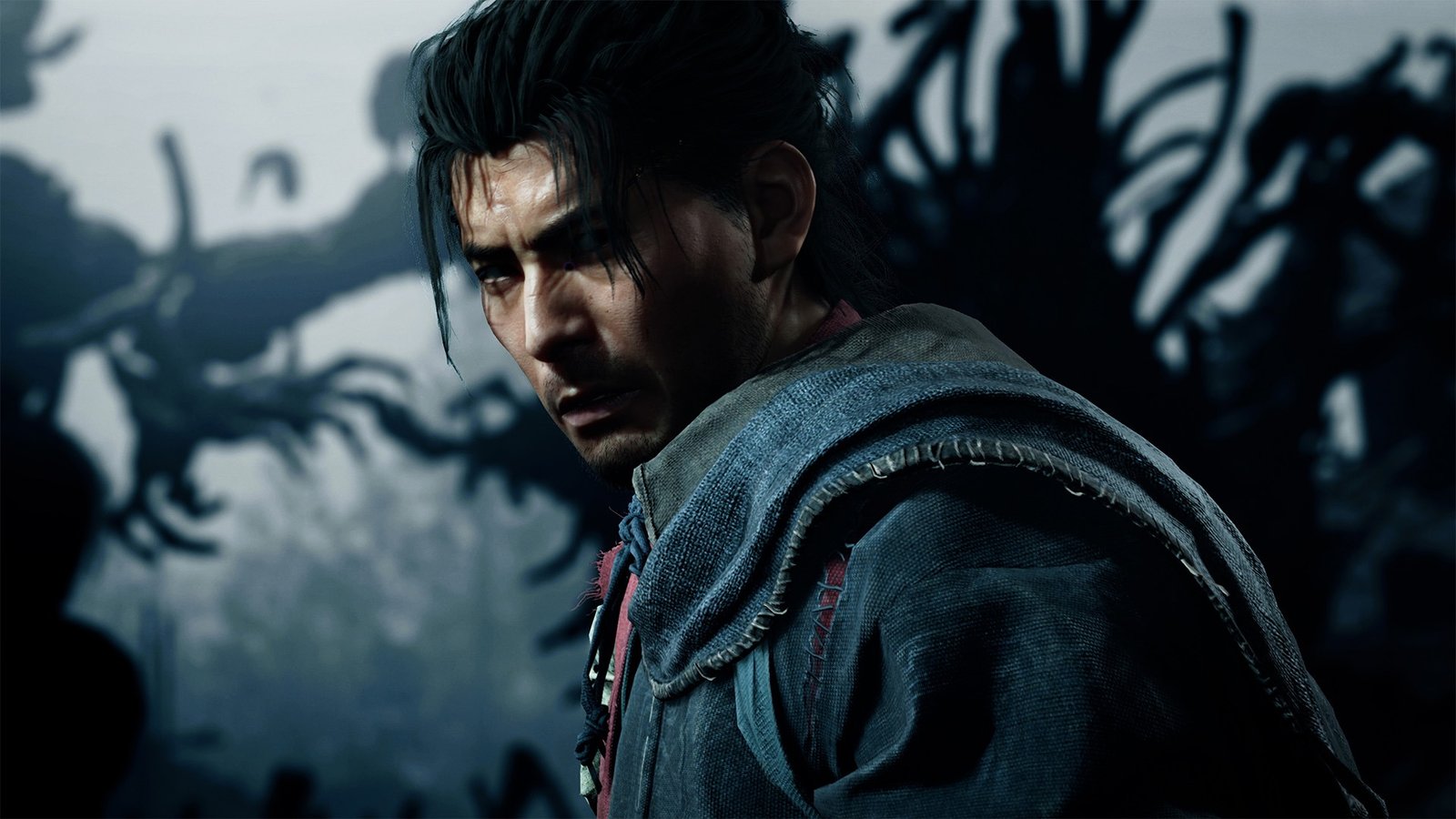
Closing a rift requires defeating the enemies protecting it before absorbing its energy. Doing so rewards Malacite, one of several materials used to strengthen Musashi.
Producer Akihito Kadowaki and director Satoru Nihei explained that this wider portion of Kyoto will initially be limited, but expand as players advance through the story.
“The scope of the area you can explore at the beginning of the game will actually be quite limited,” the developers said. “But as you progress through the story, that’s going to open up.”
New areas will bring additional NPCs, items and quests, alongside bosses that sit outside the main narrative route. Players can still follow the story without completing every diversion, but those willing to explore should return with meaningful advantages inOnimusha: Way of the Sword.
A Single Katana Makes Every Decision Matter
One of the most substantial departures from earlier games is Musashi’s reliance on a single primary katana rather than a growing selection of conventional weapons. Capcom’s reasoning is straightforward.
The team wanted to broaden the expressive range of its swordplay, from blades colliding and forceful guards to carefully timed parries and deflections. More primary weapons may have created immediate variety, but concentrating on one allowed the developers to build greater depth into how Musashi moves and responds.
“We really wanted to focus on having that sole main katana that we could expand on and add a range of expression and dynamic gameplay with,” the team explained.
Oni Armaments fill the resulting gap. These supernatural weapons serve as special abilities suited to different combat situations without replacing the katana at the centre of every confrontation of Onimusha: Way of the Sword.
Deliberate Swordplay Punishes Careless Commitment
The longer hands-on made the consequences of that approach much clearer. Musashi cannot freely transition from one standard attack into another or abandon every poorly chosen swing with an immediate dodge. Certain abilities allow an attack to transition into a parry or deflection when timed correctly, but there is no universal escape from a bad decision. Players must consider when to attack and how long they can safely continue a combination.
“If it was possible to cancel into defensive manoeuvres in the middle of attacks at any time, it would diminish the risk-and-reward factor of the combat,” Capcom explained.
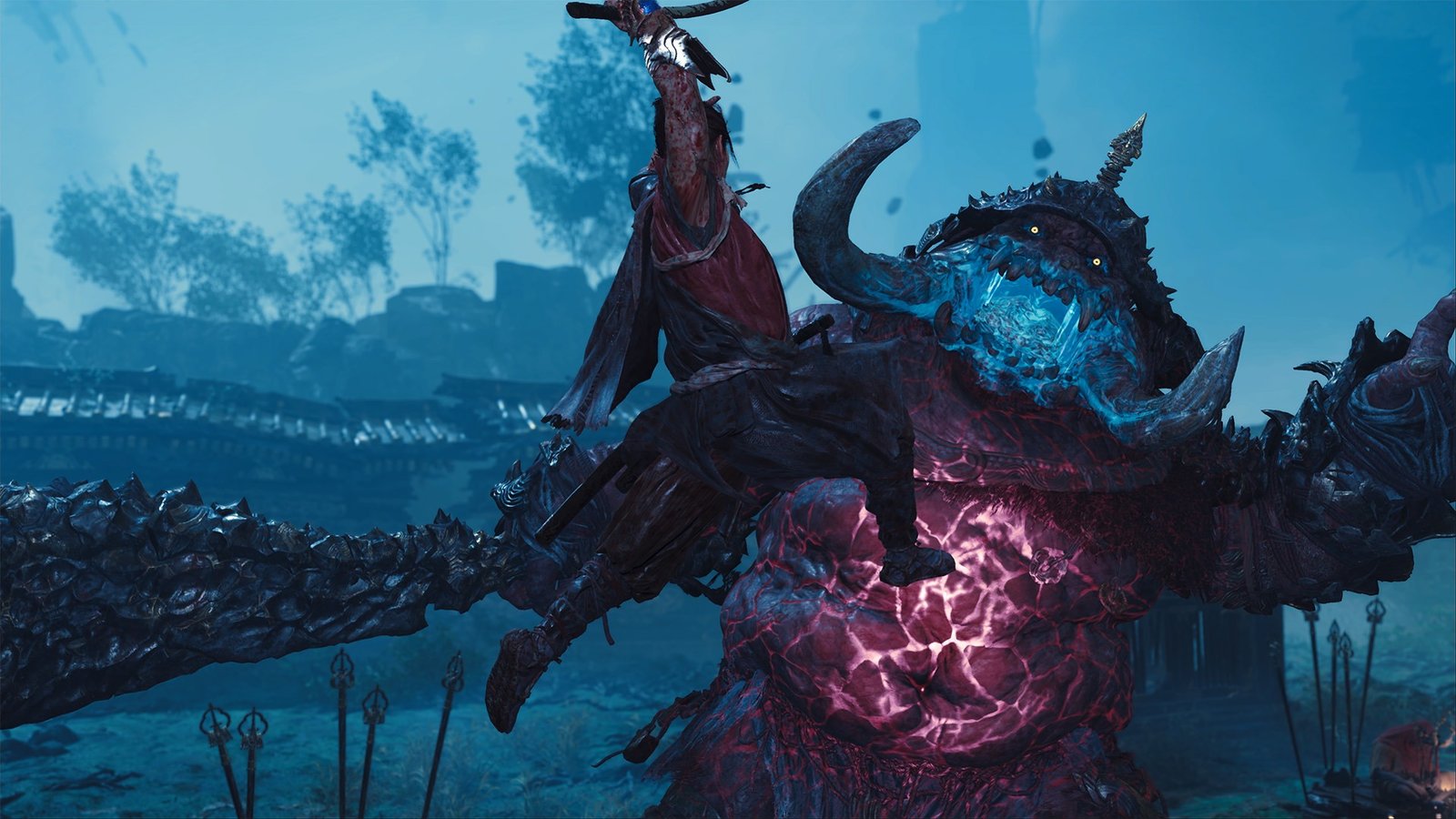
The distinction is important. Musashi can cancel specific attacks into defensive skills, but he cannot freely cancel one offensive animation into another. Those limited defensive windows reward anticipation without removing the danger created by overcommitting in Onimusha: Way of the Sword.
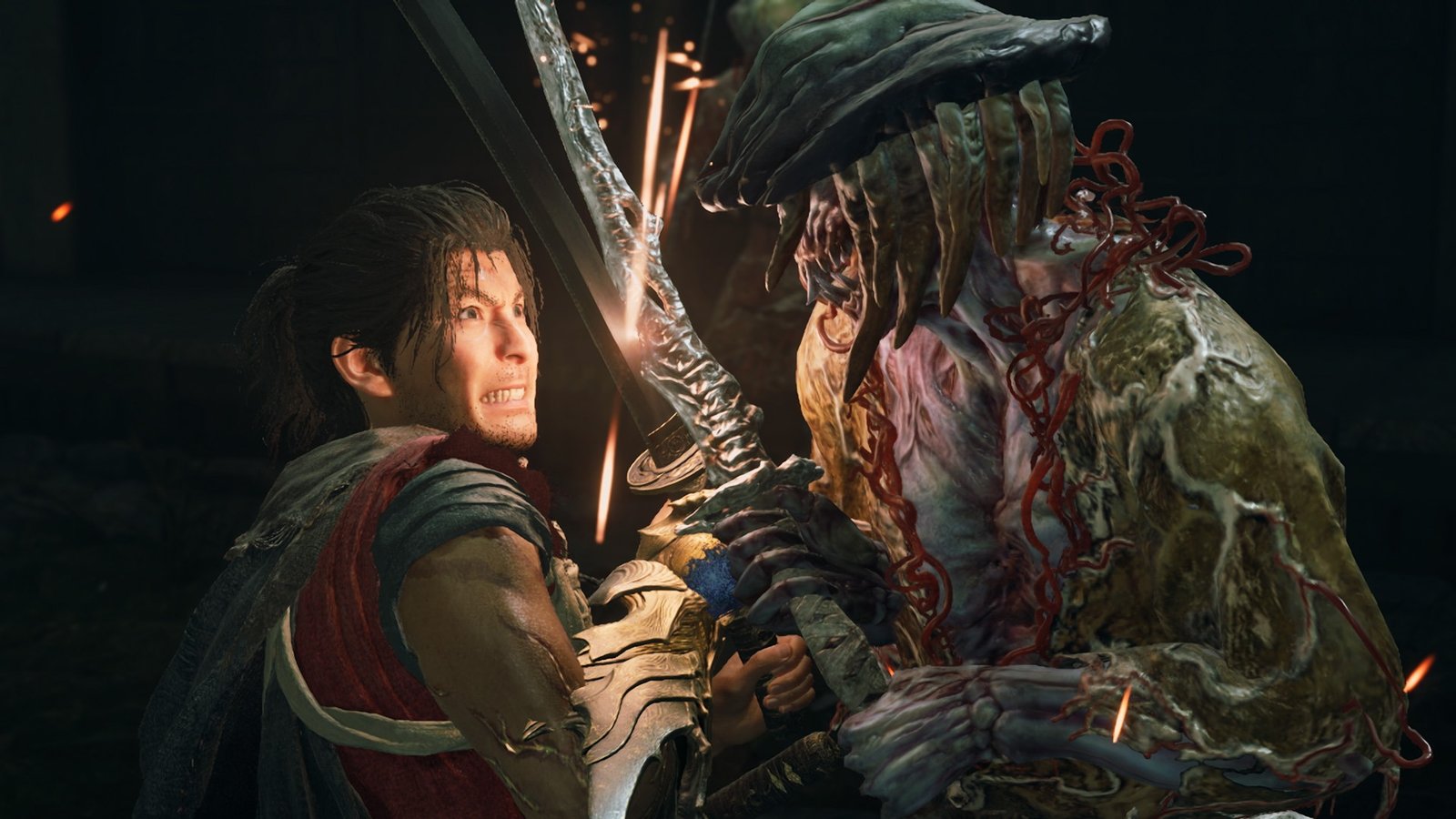
That sense of commitment is also visible in the animation. When Musashi blocks a heavy blow, he does not remain rigid while the attack bounces away harmlessly. His stance buckles under the force, making it feel as though he is redirecting something powerful rather than simply activating an invisible defensive state.
According to the developers, the apparent weight grew from a desire to make the swordplay believable. Blocking a giant enemy’s club should force Musashi into the ground, while redirecting an attack should require his entire body to move with it.
It makes reckless aggression dangerous in Onimusha: Way of the Sword, particularly against bosses with delayed attacks and additional phases. Repeated swings may dispatch weaker Genma, but stronger opponents quickly punish the assumption that Musashi can always act first and recover safely.
Rasho-Gan Forces Players to Read the Battlefield
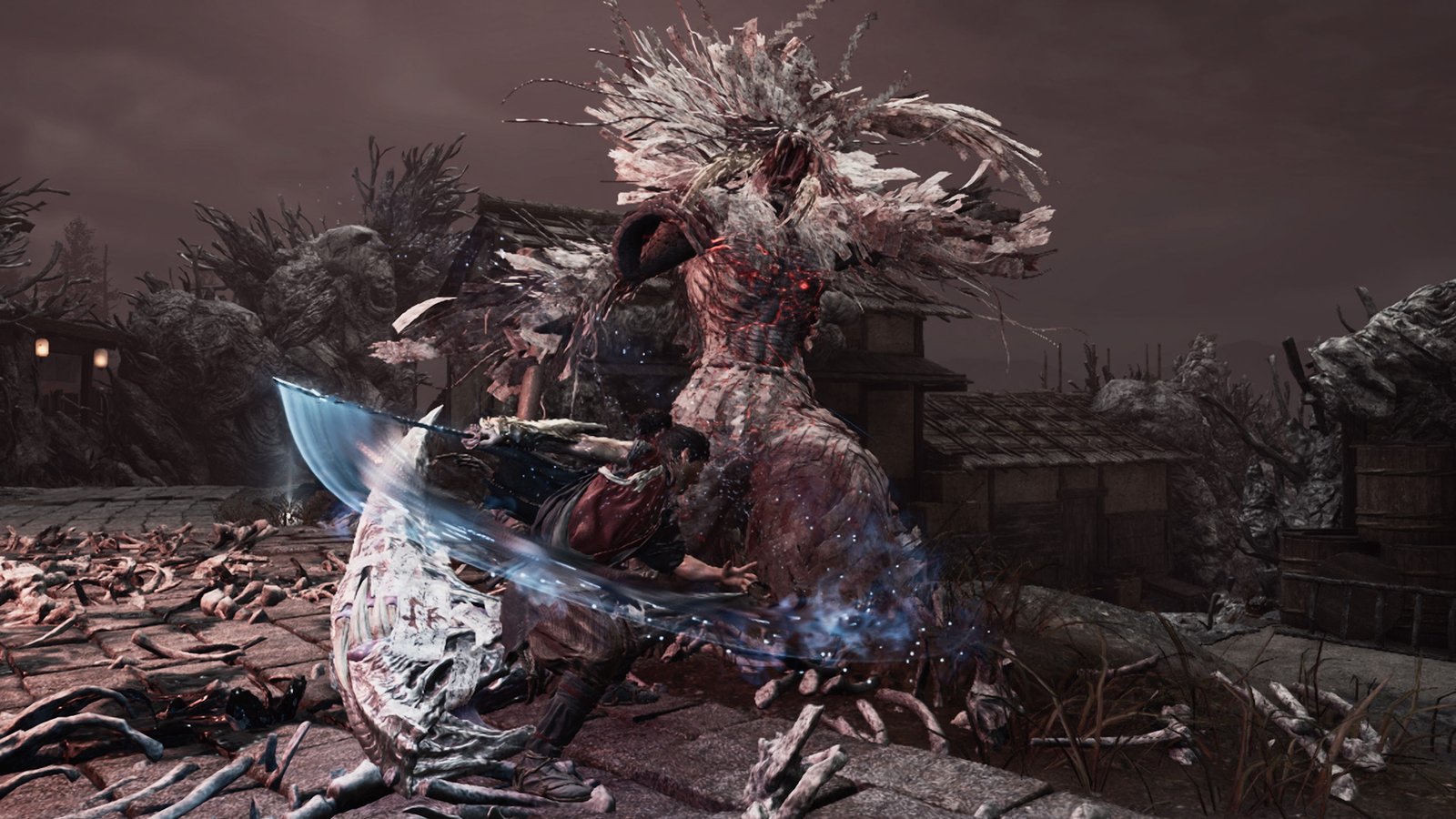
Rasho-gan the Wish Warper was the toughest opponent in the session and the best demonstration of Onimusha: Way of the Sword‘s broader combat philosophy.
The side-quest boss has multiple phases, varied attack patterns and enough aggression to punish repeated habits. My initial attempts were difficult because I continued treating the fight as a conventional duel. Waiting for openings and responding with standard sword attacks worked temporarily, but it did not engage with everything the arena was trying to communicate.
The breakthrough came when Rasho-gan began gathering environmental objects for a larger attack. Using the Oni Bow to sever his limbs interrupted the sequence, sending the objects crashing down and causing substantial damage. The lesson was not merely that the bow is powerful. It was that boss encounters appear designed around observation and adaptation. Players must recognise how their different abilities interact with an enemy instead of finding one safe response and repeating it in Onimusha: Way of the Sword.
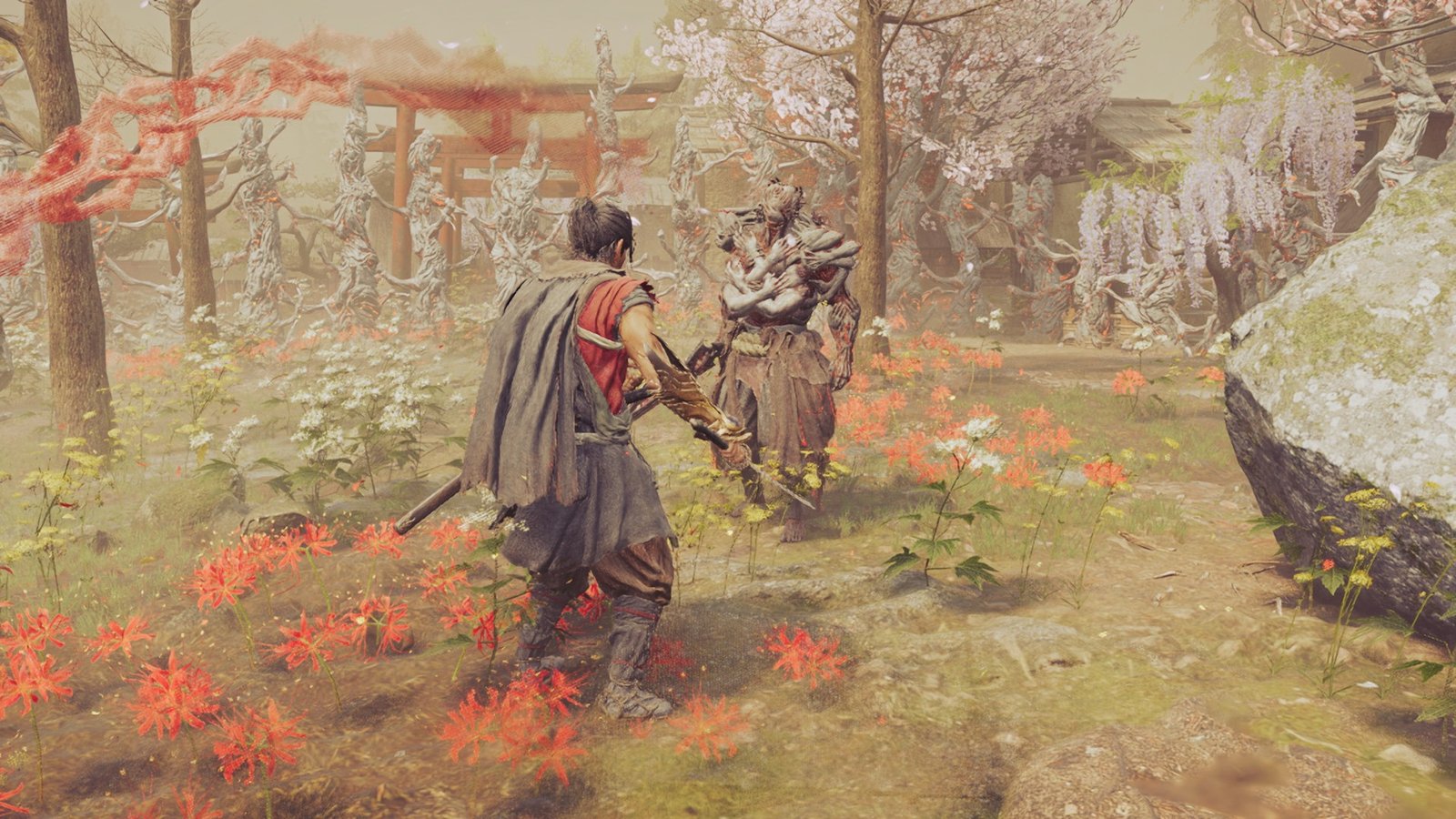
Rasho-gan attempts to escape after the battle, only for the heroic Oni Yorimasa to shoot him down. Yorimasa then grants Musashi the power of Oni Strength, giving him an armoured appearance and gauntlets capable of destroying Malice barriers or breaking enemy shields. It is both a combat reward and an exploration tool. Locations that seemed inaccessible earlier may become valuable once Musashi possesses the strength to break through them.
Yorimasa also acts as a merchant, allowing Red Souls to be traded for items. It is another indication that the souls collected during battle will have uses beyond immediate healing and supernatural attacks in Onimusha: Way of the Sword.
The number of upgrade materials introduced during the preview initially appears daunting. Souls, Favour, Malacite, Power Stones, Red Souls and Oni Stones all serve different purposes, while charms and equipment create additional layers of customisation.
What prevents the system from immediately feeling like a collection of disconnected currencies in Onimusha: Way of the Sword is that most upgrades can be traced back to exploration or combat. Optional activities do not simply provide more things to complete; they give Musashi more ways to survive.
Charms Let Players Adjust Musashi’s Strengths
Charms can alter core statistics or provide specialised effects, allowing players to shape Musashi around particular encounters. At Enma’s Hall within Rokudo Chinnoji Temple, charms can be exchanged using souls and Favour.
Favour is earned by offering collected items, giving otherwise unused discoveries a practical purpose in Onimusha: Way of the Sword. It also creates a choice between retaining a material and converting it into another progression route. Reuniting with Shizuka adds another upgrade path, allowing Musashi’s equipment and abilities to be enhanced using materials and souls.
Power Stones can unlock techniques such as Chain Issen, stronger deflections, extended combinations and improvements to the Blazing State. Red Souls and Oni Stones are used for special upgrades, including enhancements to Oni Vision and Musashi’s Oni Armaments.
Players will not be permanently locked into their early skill choices. Capcom confirmed that the skill tree can be reset in Onimusha: Way of the Sword, giving players the freedom to revise a build when a different approach becomes more useful. The developers did offer some guidance on where to begin.
“We definitely recommend people pick up the Deflect skill and also the skills related to the Blazing State,” the team said, describing them as core parts of the combat system.
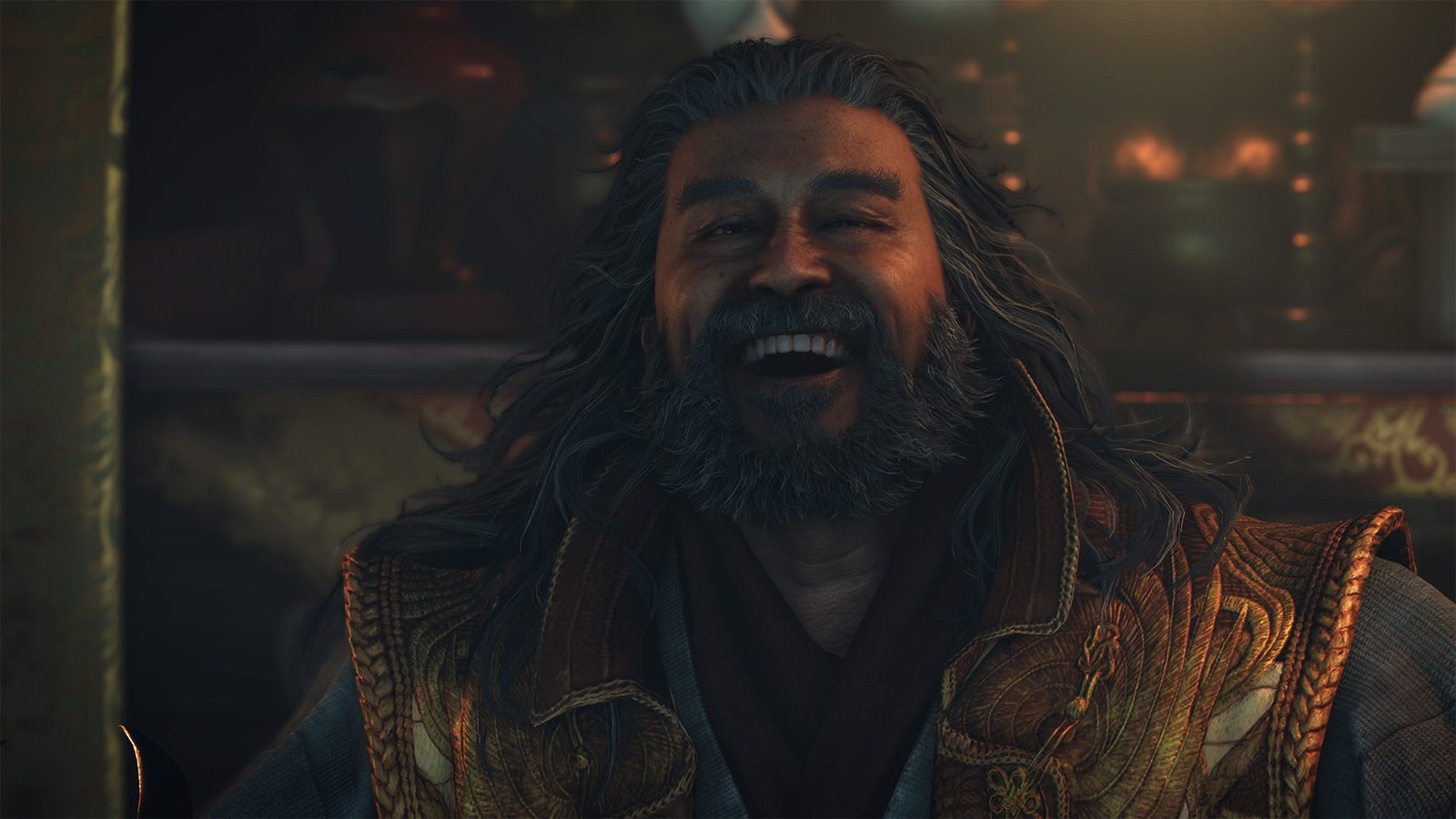
The Wind-Whipper Expands Musashi’s Supernatural Arsenal
The nearby practice ground provides a controlled space to test newly acquired techniques with Takamura. That facility is more important than it may initially appear. The public demo presents players with several combat systems at once, creating the possibility that newcomers will struggle to understand when each defensive response should be used.
In the full Onimusha: Way of the Sword experience, Capcom intends to distribute those abilities more gradually. Optional button prompts can identify the appropriate action during combat, while the practice ground gives players a place to develop familiarity without repeatedly failing an important encounter.
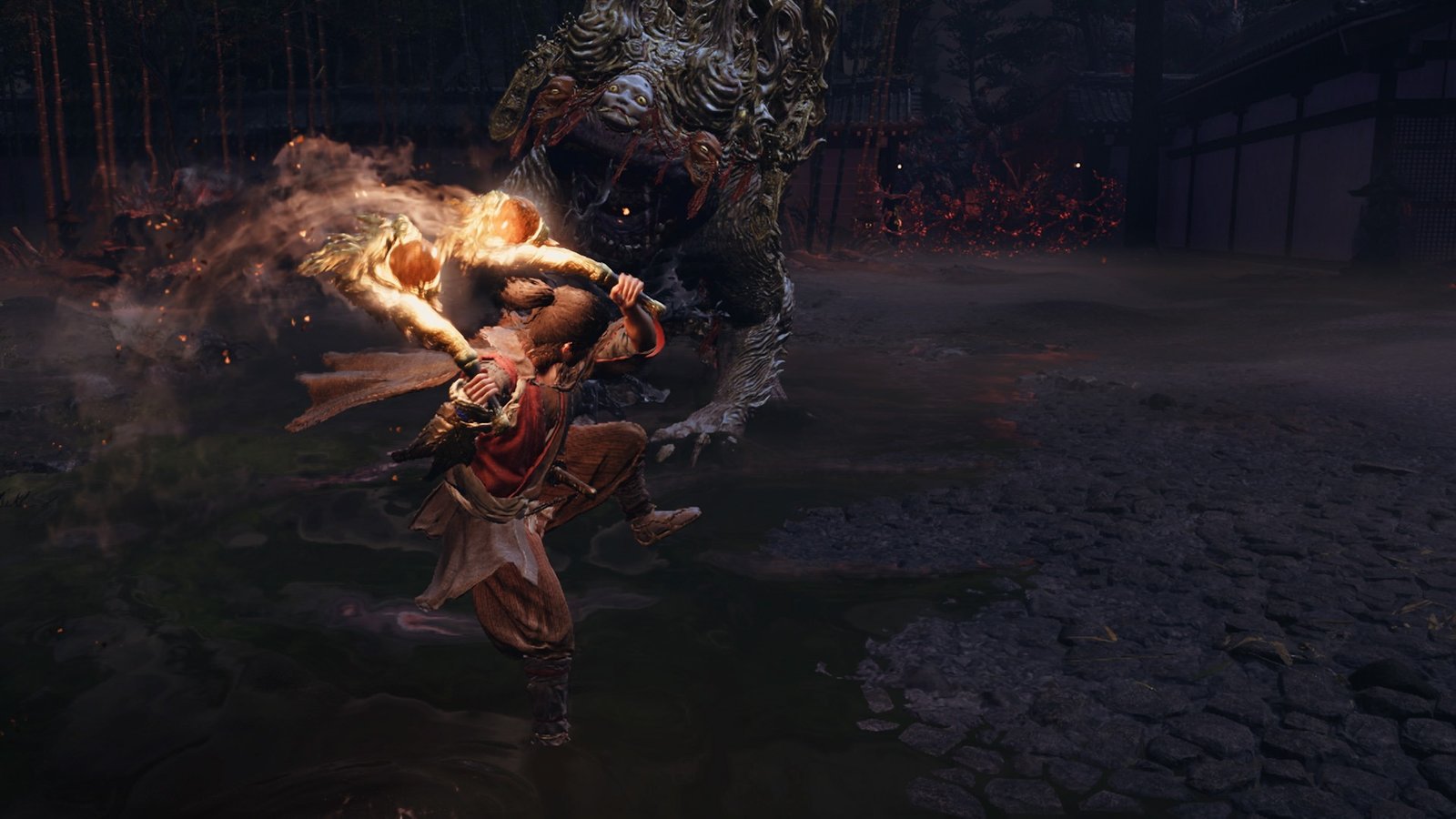
Takamura also grants Musashi the Wind-Whipper Oni Armament, a twin-bladed naginata that creates swirling winds across a wide area. Activating it close to a source of fire ignites the whirlwind, combining supernatural power with environmental awareness.
Long-time players may recognise similarities to Arashi from the original Onimusha. The difference is that the Wind-Whipper sits alongside Musashi’s katana as a situational ability rather than becoming a permanently equipped primary weapon.
Oni Strength Gives Backtracking a Clearer Purpose
Oni Strength completes the progression cycle demonstrated during the session of Onimusha: Way of the Sword. It improves Musashi’s ability to destroy shields in combat, while also breaking Malice barriers that previously blocked parts of the environment. Capcom confirmed that backtracking is encouraged but not required. Returning to earlier locations may reveal items and upgrades, but players who prefer a direct route through the story will not be forced to repeatedly retrace their steps.
“We’ve designed the game with the idea that you can just progress through the main story in a very linear fashion if you want to,” the developers explained. “But we want to reward players who explore and take the time to venture back.”
That balance matters. Ability-gated exploration can make a world feel interconnected, but it can also become tiring when every new power demands a lengthy return through familiar ground. Keeping those rewards optional allows Onimusha: Way of the Sword to encourage curiosity without turning exploration into an obligation. Players who seek out treasures, quests, new enemies and Oni Portals will gain access to more upgrades and skills, but the central story remains available to those who prefer momentum.
Capcom Is Building Difficulty Around Growth, Not Punishment
Difficulty was one of the central subjects during our accompanying interview, particularly following player responses to the public demo. Capcom received feedback that the demo was relatively easy, although its unusual structure partly explains that reaction. It takes place early in the story while giving Musashi access to abilities that he would not ordinarily possess at that point.
Onimusha: Way of the Sword will introduce those systems more gradually and build its difficulty curve around Musashi’s natural progression. The team did not interpret the response as a reason to make every encounter more punishing.
“We definitely want it to be a game that a lot of people from a wide range of experiences can come in and enjoy,” the developers said, adding that they did not want to increase the difficulty simply to cater to one part of the audience.
One reaction did catch the Onimusha: Way of the Sword team off guard.
“A lot of people found the Ganryu boss fight at the end of the demo to be quite difficult, which personally I wasn’t expecting.”
Capcom was also surprised by the number of players successfully performing Issen counters in the Onimusha: Way of the Sword demo. Together, those reactions suggest that the demo produced a broader range of experiences than its generous early-game balance might imply.
Regular Enemies Will Become More Aggressive
The standard Genma encountered during our session of Onimusha: Way of the Sword were rarely as threatening as the bosses. Most existed to let Musashi demonstrate his growing range of attacks, although larger groups could still become dangerous when different enemy types attacked together.
Capcom says that balance will change later in the story. Existing enemies will become stronger and more aggressive, while new variants and larger mixed groups will require players to prioritise individual threats. The portion shown during the preview represents roughly the first quarter or fifth of the game, according to the team. Musashi is therefore still relatively early in his development, and regular enemy encounters are intended to grow alongside him.
The key will be whether those later groups demand meaningful use of Musashi’s defensive options, Oni Armaments and environmental attacks. The boss fights already encourage that flexibility. Bringing the same pressure to ordinary encounters would help prevent the sections between major battles from becoming routine.
Accessibility Does Not Remove the Value of Mastery in Onimusha: Way of the Sword
Players who struggle with the timing-heavy combat of Onimusha: Way of the Sword will have several forms of assistance. Story difficulty provides a more approachable option, while optional button guides show when to evade, parry or use another defensive response. Musashi’s statistics and abilities can also be strengthened through exploration, quests and upgrades.
“We don’t really design our bosses to be these insurmountable challenges that you have to throw yourself at for hours,” Capcom explained.
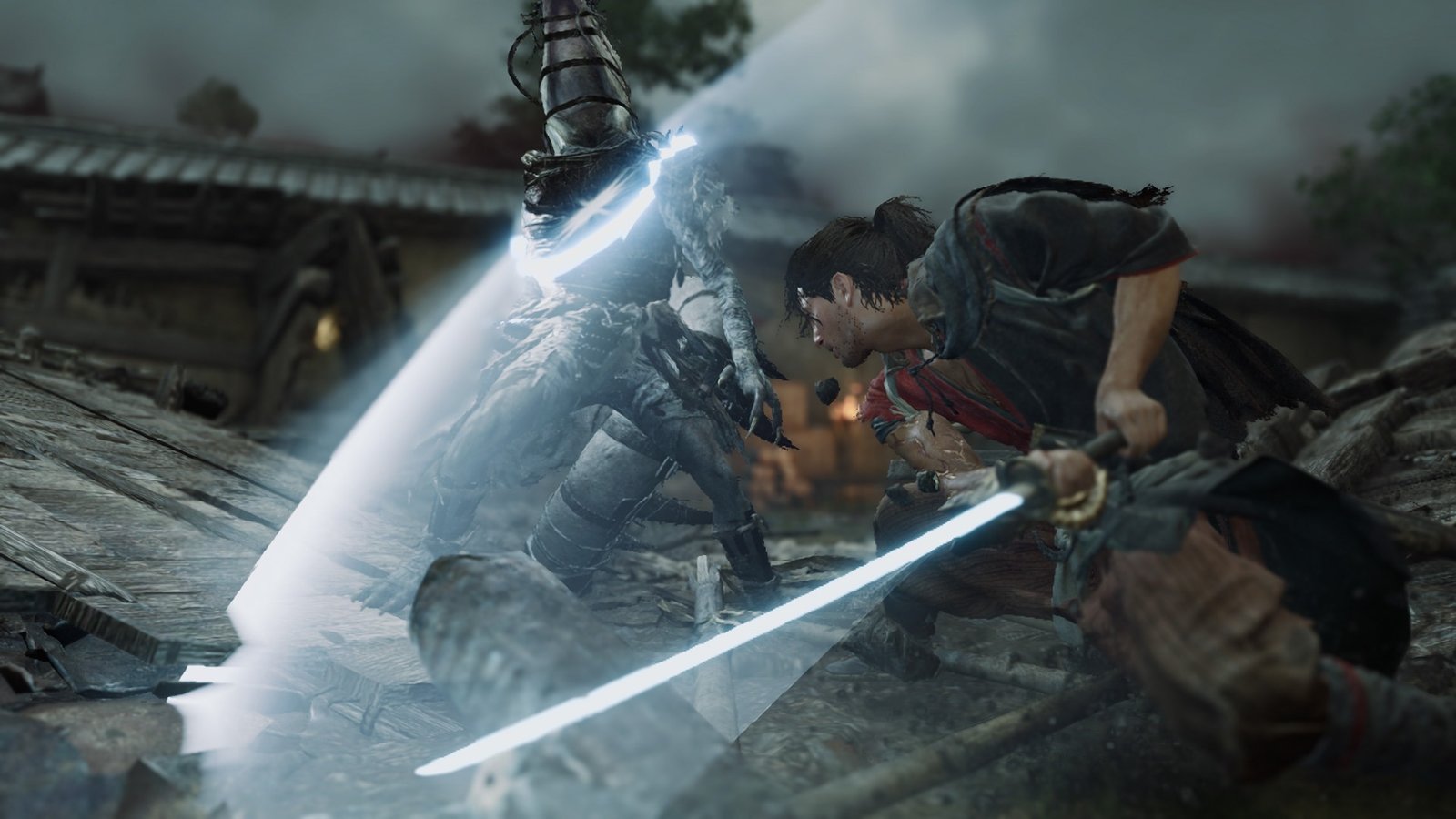
Issen counters remain rewarding rather than essential. Players who master their narrow timing windows can gain additional souls and finish fights more efficiently, but the main story will not require everyone to become an expert. Story difficulty also provides more forgiving timing, allowing newer players to experience the satisfaction of Issen without removing the higher-risk version available elsewhere.
That approach suits a series returning after a lengthy absence. Onimusha: Way of the Sword needs to reward long-time players who remember the precision of its counters without assuming that every newcomer arrives with the same history.
The Wider Game Has More to Prove Than Its Swordplay
The extended session addressed several of the uncertainties left by the public demo of Onimusha: Way of the Sword. Combat has more room to grow, Oni Armaments add variety around the central katana, and the broader Kyoto sections provide tangible reasons to explore beyond the next battle. Yet, there are still questions that cannot be answered after 90 minutes.
Repeated civilian rescue encounters began to feel familiar during the preview, although Capcom says the final game will include more variations. These events are optional and provide rewards, so players should be able to ignore them if the repetition begins to interrupt the journey.
The number of upgrade materials could also become cumbersome if each currency is not introduced and explained carefully. The underlying progression cycle is promising, but it depends on the game making each resource distinct enough to remember.
Our time across PlayStation 5 and Nintendo Switch 2 was better suited to understanding the game’s systems than drawing a definitive technical comparison. That said, the Switch 2 version was visually great, even if it will never be as smooth in terms of framerate, and optional motion controls aren’t exactly a big selling point.
Even with those reservations, this was a far more revealing demonstration. That first slice from the demo proved Capcom could make Onimusha’s swordplay work within a contemporary third-person action game. The extended hands-on showed how the team intends to sustain it across a full adventure.
Exploration uncovers materials and abilities. Those abilities open older paths. Side quests lead towards tougher enemies, while optional bosses force players to use mechanics they might otherwise overlook. Each part strengthens another.
The public demo showed that Onimusha: Way of the Sword understands the importance of the blade. The wider game may succeed because it also understands when Musashi needs to look beyond it.
Onimusha: Way of the Sword launches on September 4 for PlayStation 5, Nintendo Switch 2, Xbox Series X|S and PC.
