

Table of Contents
Dying Light: The Beast Restored Land Is More Than a Content Drop
Techland is not done just yet, with the newly revealed Dying Light: The Beast Restored Land being more than a refreshed edition or another post-launch content beat. Launching on March 26, the new version folds in the base game, prior improvements, and a substantial new mode built around permanence, scarcity, and survival pressure.
Existing owners of the Standard Edition will also receive a free upgrade, which makes this less of a relaunch in the traditional sense and more of a statement about where the game now wants to stand.
That matters because Dying Light: The Beast has already spent months evolving. Between additions such as New Game+, Legend Levels, Nightmare Mode, ray tracing, more finishers, and a long list of balancing and performance fixes, the game has been steadily pushed towards a more robust and reactive version of itself.
Restored Land now feels like the clearest expression yet of that trajectory, not because it is bigger than everything that came before, but because it sharpens the game’s identity into something more demanding and more deliberate.
Restored Land Makes the World Feel Less Disposable
The biggest change is also the simplest to understand. In Dying Light: The Beast Restored Land, the world becomes persistent. Kill a zombie, and it stays dead. Loot a container, and it stays looted. Resources become finite, shops become harsher, and activities such as Convoys, Dark Zones, and Hives only need to be completed once. Hunger management and depleted flashlight batteries add further pressure, transforming familiar exploration into something more anxious and more calculated.
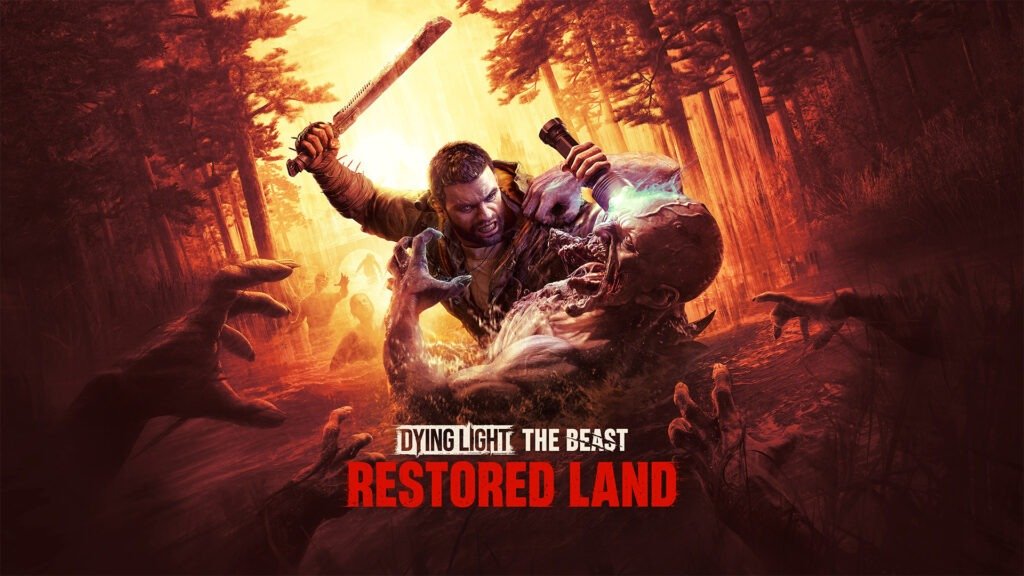
What makes that compelling is not just the difficulty, but the change in mindset it encourages. Open-world zombie games often train players to treat enemies, routes, and resources as endlessly renewable. Restored Land breaks that rhythm. It asks players to think in terms of consequences rather than repetition. Every risky detour, every bullet spent, and every scavenging run begins to matter more when the world is no longer quietly resetting itself in the background.
Techland also seems to understand that permanence alone is not enough. The more interesting part of the pitch is that clearing infected from regions allows life to return. Survivors begin reappearing, going about simple routines, gathering resources, and acknowledging the player’s impact.
The physical world does not transform at a global structural level, but its social texture changes, and that shift appears to be the emotional reward Dying Light: The Beast Restored Land is chasing. It is less about watching a city rebuild brick by brick and more about seeing human presence reclaim space once defined solely by danger.
One Life Pushes Dying Light Closer to True Survival
If Restored Land is the mode that introduces permanence, One Life is the option that weaponises it. Enabled as a switch within the game, One Life gives players a single attempt at the whole experience. Die once, and the save is wiped.
For a series that has always flirted with survival tension, this feels like a major line in the sand. Techland openly frames it as the most immersive and serious version of the concept, a solo-only mode designed to strip away distractions and make players sit with the consequences of their actions.
That solo-only focus is notable. In a game that also continues to support co-op, Techland is making a deliberate distinction between communal chaos and personal immersion. Restored Land with One Life is not trying to be a social sandbox. It is trying to be a survival ordeal. That will naturally narrow the audience, but it also gives the mode a stronger identity. Not every player will want a permadeath run, but the ones who do are being offered something far more committed than a simple difficulty bump.
The rewards are part of that appeal, too. Special cosmetics, weapons, and other unlocks can be carried across modes, which means the challenge is not sealed off from the rest of the game. Techland even highlighted a kind of social badge of honour for those who complete it, with a message announcing that an “ultimate survivor” has joined an online session. It is a playful touch, but also a smart one. It turns a brutal solo feat into something visible beyond the run itself.
Roadkill Rallies Keep the Update From Becoming Too Severe
If all of this sounds punishing, Restored Land is not the only addition arriving on March 26. Roadkill Rallies offer a very different flavour of play, leaning into vehicular mayhem with checkpoint-based races that ask players to balance route optimisation against zombie slaughter.
Techland itself pitched the mode as a kind of Carmageddon inside Dying Light, which is about as clean a read on the mode’s energy as you could ask for. Gold medals across all five races unlock the tougher Roadkiller vehicle, while leaderboards add a competitive layer for players more interested in chasing times and scores than surviving by the skin of their teeth.
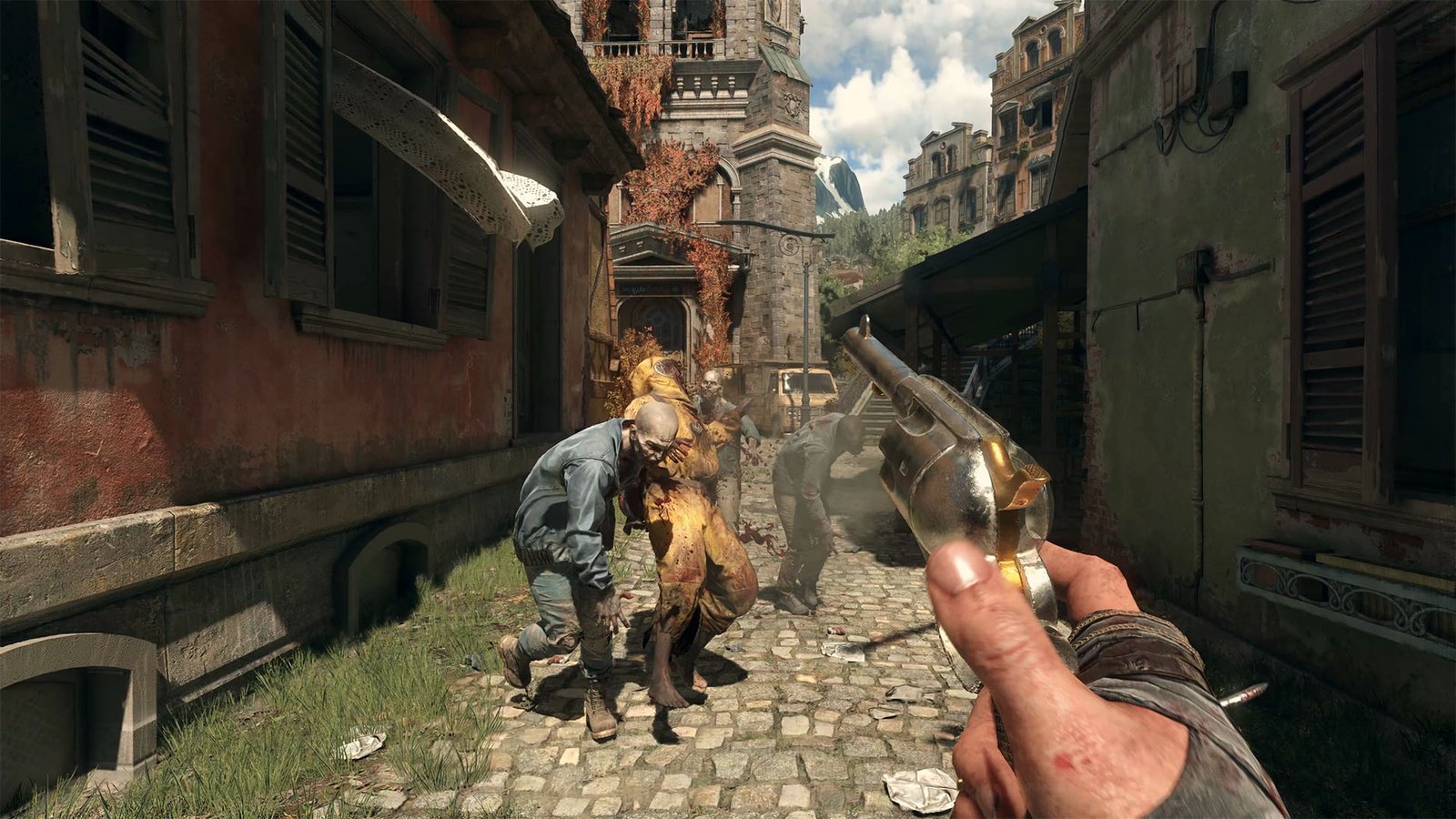
Restored Land may be the philosophical centrepiece, but Roadkill Rallies give the package a bloodier, more immediate counterweight. Together, they speak to the broader balancing act Techland appears to be aiming for: preserve the series’ action-forward appeal while giving its survival instincts room to breathe.
There is more around the edges as well. New quest encounters, fresh hidden stashes, new finishers for Special Infected, co-op improvements like a ping system, better loot incentives for online play, and further combat and performance polish all help round out the package. None of these would carry the announcement alone, but together they reinforce the idea that March 26 is meant to feel like a meaningful inflexion point rather than a routine patch day.
What Restored Land Means for Players
What makes Dying Light: The Beast Restored Land interesting is not just what it adds, but what it reveals about Techland’s priorities. The studio described this as part of a longer-held desire to push Dying Light further into survival territory. That explains why so much of the update is built around pressure, scarcity, and world state rather than spectacle alone.
For players, the result is a version of Dying Light: The Beast that seems more willing to ask for commitment. It rewards careful play, makes reclaimed territory feel earned, and gives experienced players a reason to re-enter Castor Woods with a different mentality. Even smaller details support that shift.
Volatile Hives destroyed in Restored Land do not respawn, meaning players can permanently reduce the number of roaming Volatiles at night. It is a subtle but important idea. Safety is never absolute, but progress is tangible.
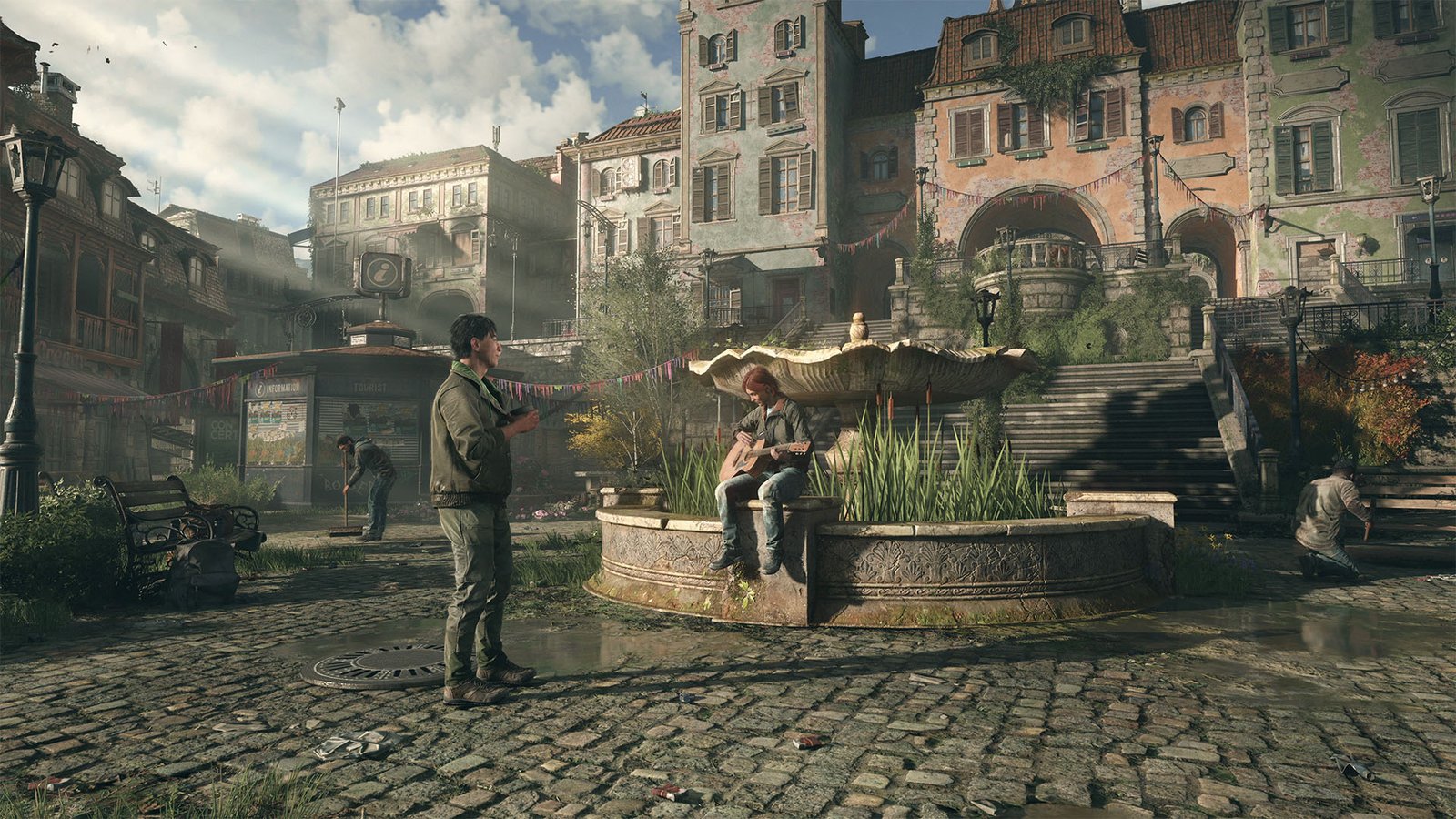
That, perhaps, is the most promising thing here. Restored Land does not sound like a mode built purely to punish. It sounds like one built to make the world feel less disposable and the player’s actions feel more permanent. For a series that has long thrived on momentum, improvisation, and danger, that is a meaningful evolution.
And for those who already liked what Dying Light: The Beast was doing, this update could be the moment where the game’s post-launch support stops feeling additive and starts feeling transformative.
Dying Light: The Beast Restored Land is available now.
