

Table of Contents
Devil May Cry Season 2 On Netflix
Netflix’s Devil May Cry has always worked best when it feels like it is sprinting directly out of the mid 2000s with a sword in one hand, a bad attitude in the other, and absolutely no interest in apologising for either. Season 1 was messy, juvenile, loud, and occasionally too pleased with itself, but it also had a very specific identity. It was not just another video game adaptation trying to prove that it respected the source material. It had its own strange pulse.
That makes Devil May Cry Season 2 a curious follow-up. On a technical and structural level, this is the cleaner season. The action is sharper, the character work has more room to breathe, and the show feels less like it is constantly throwing ideas at the wall just to see what looks coolest. There is more control here, and for fans who wanted the series to move closer to familiar Devil May Cry mythology, this season should feel more immediately satisfying.
The trade-off is that Season 2 also feels safer. Some of the first season’s rough edges have been smoothed out, and while that makes for a more consistent watch, it also means the show loses part of the chaotic personality that made it stand apart. Season 2 is more recognisably Devil May Cry in a franchise sense, but it is slightly less distinctive as a television season.
Vergil Gives The Story Its Strongest Pull
Devil May Cry Season 2 quickly establishes that this is Vergil’s season as much as Dante’s, if not more so. The first season was largely built around Dante’s swagger, trauma, and reluctant heroism, but the second season shifts much of its emotional weight towards the brother he lost and the history that shaped them both. That choice gives the season a clearer emotional engine, even when the wider political and supernatural conflicts begin to compete for space.
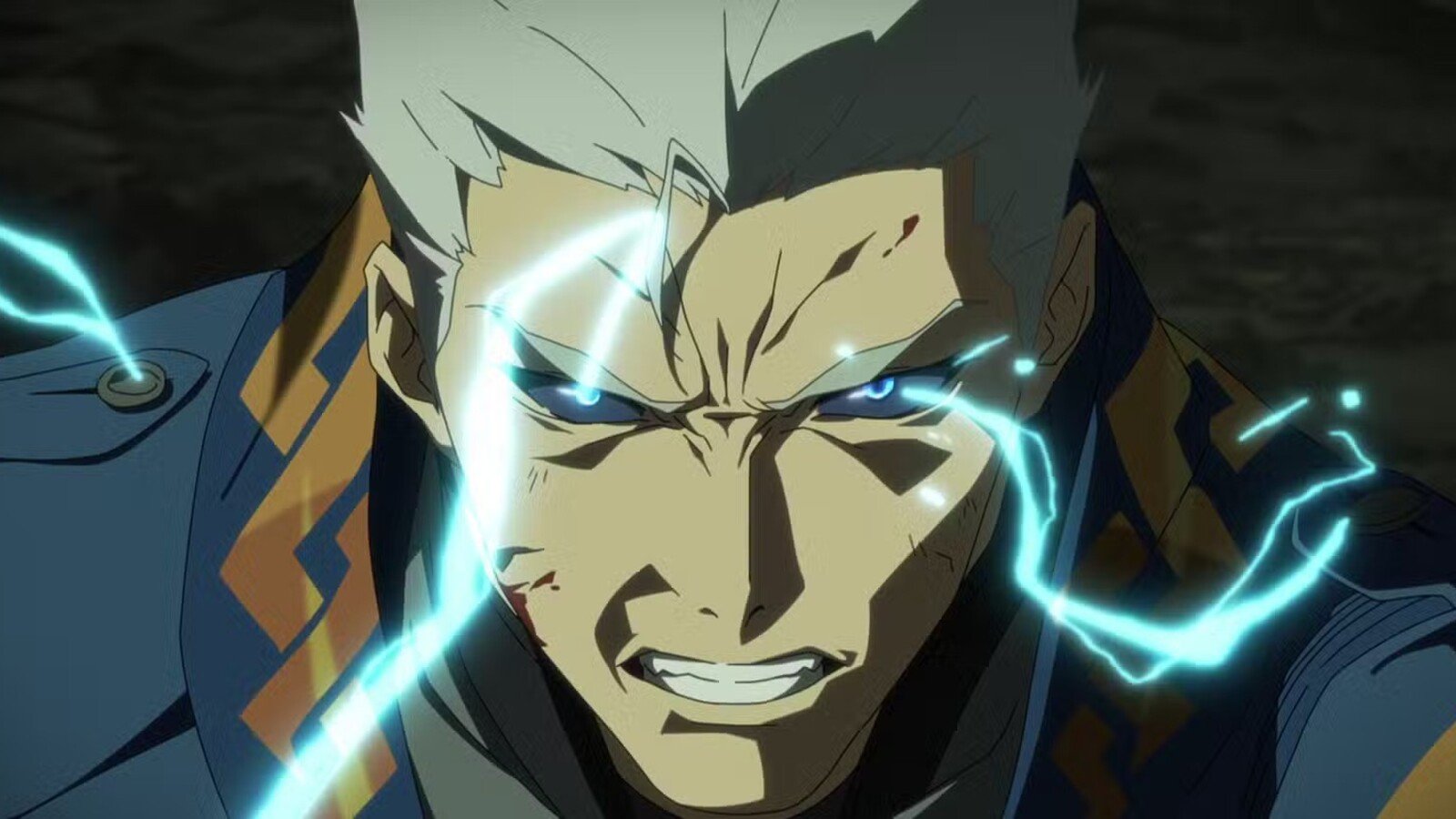
Vergil’s presence gives the story a natural dramatic tension, as he is not simply treated as a cool rival waiting to clash swords with Dante. The season spends meaningful time unpacking his past, his pain, and the way his worldview has been shaped by abandonment, loss, and manipulation. For viewers familiar with the games, none of this will feel entirely surprising, but the show does enough to make his role feel textured rather than purely obligatory.
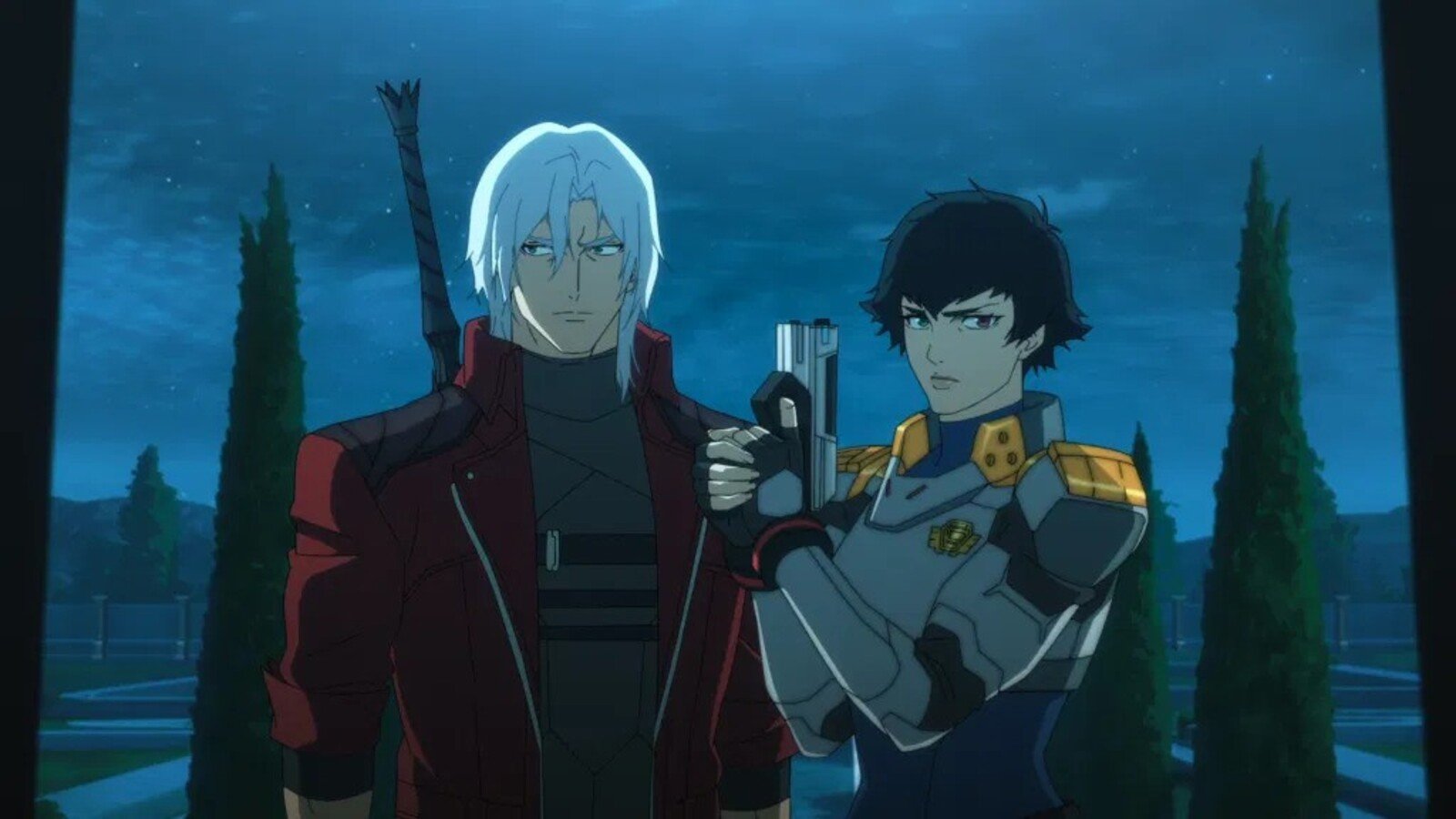
The downside is that Dante occasionally feels pushed towards the edge of his own show. He still has the attitude, the one-liners, and the flashes of reckless charm that define him, but his personal arc does not always feel as urgent as Vergil’s in Devil May Cry Season 2. His attempts to understand his power and his complicated connection with Lady are important, yet they can feel secondary beside the season’s larger focus on brotherhood, betrayal, and inherited grief.
Devil May Cry 2 Finds Better Shape On Screen
One of Devil May Cry Season 2’s more interesting achievements is how it draws from Devil May Cry 2, a game that has long carried a difficult reputation among fans. Rather than treating that material as a burden, the show finds value in its broader concepts. Arius, the corporate exploitation of demonic power, and the conflict surrounding Makai are given enough narrative shape to feel more compelling than they have any right to be.
Arius works because Devil May Cry Season 2 understands what kind of villain he needs to be. He is not the most original antagonist, but he fits the season’s larger concern with war, profit, propaganda, and control. The show is at its best when it links the human world’s appetite for power with the demon realm’s own fractured hierarchy. That gives the season a broader scope, even when the writing does not always explore those ideas as deeply as it could.
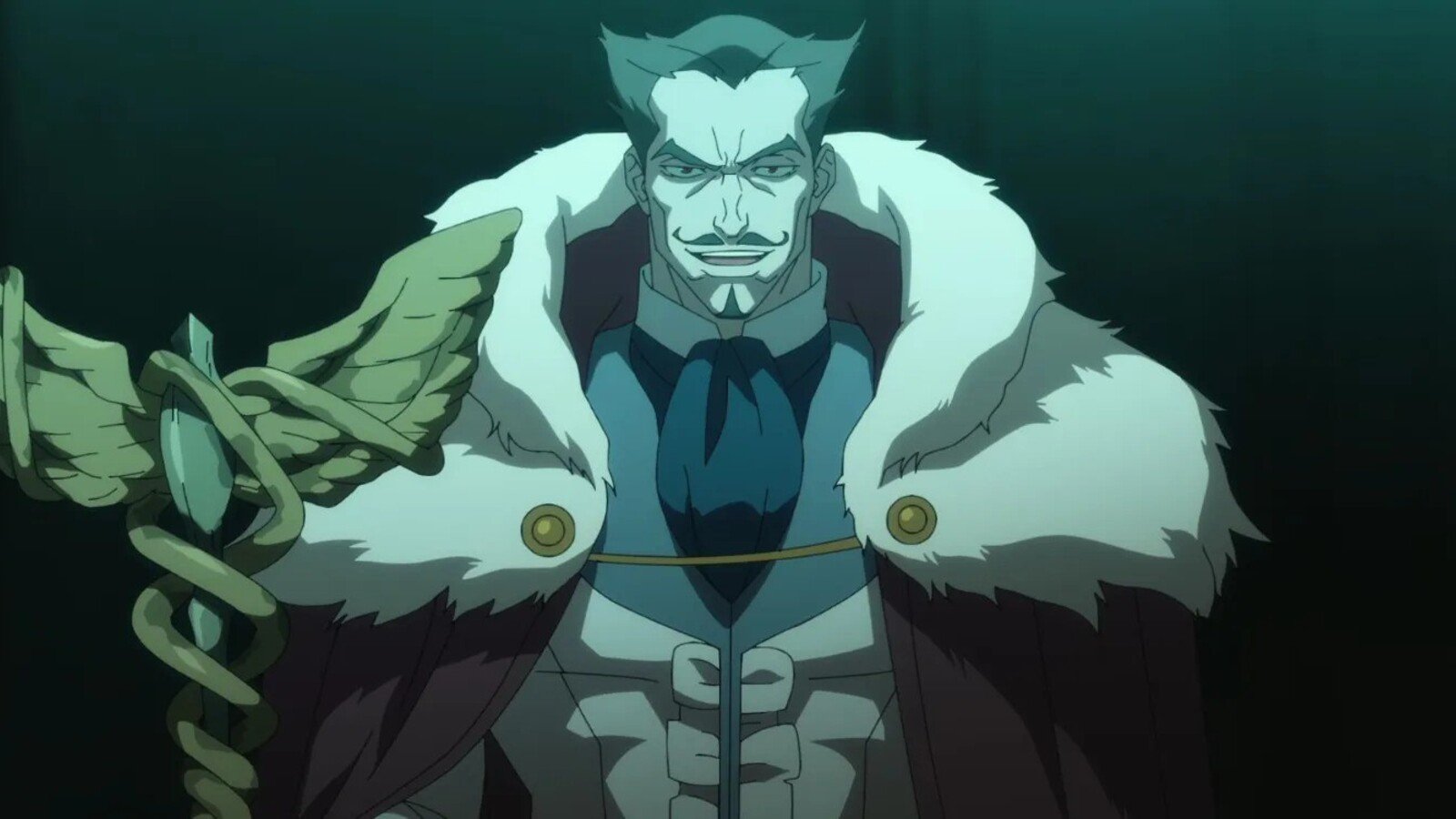
What is slightly frustrating is that Devil May Cry Season 2 gestures towards more provocative themes before narrowing its focus. The first season’s ending suggested a sharper critique of militarism, media spectacle, and state violence. Season 2 does return to some of those ideas, especially early on, but they gradually recede once the Dante and Vergil drama takes centre stage. That central relationship is strong enough to carry the season, but there is still a sense that the show leaves some of its more dangerous ideas behind.
The Action Still Carries The Show
For all its lore, family drama, and political texture, Devil May Cry ultimately has to move well. This is a franchise built on style as much as substance, and Netflix understands that. The action in Devil May Cry Season 2 is more confident than before, with clearer choreography, stronger rhythm, and a better sense of how each character should feel in motion. Dante fights with reckless improvisation, while Vergil’s movements are colder, sharper, and more controlled.
The best fights do not just function as spectacle; they express character. When Dante and Vergil clash, the action carries emotional weight because the viewer understands what sits beneath every strike. The show leans into that contrast well, letting the brothers’ different temperaments define the energy of their confrontations. These moments are easily among the season’s strongest, and they give longtime fans the kind of animated payoff they likely came to see.
Still, the action is not flawless in Devil May Cry Season 2. The finale has scale and ambition, but parts of it do not land with the same force as the season’s best earlier sequences. Some visual choices feel less seamless, and the show occasionally looks more impressive in concept than in execution. It remains stylish and entertaining, but not every major set piece has the same impact.
A Fan Focused Sequel With A Smaller Spark
Season 2 is at its most successful when it balances fan service with character-driven storytelling. It understands the appeal of Dante and Vergil, finds a stronger place for familiar mythology, and gives Devil May Cry 2 material a more convincing dramatic frame. As an adaptation, it feels more assured, and as a continuation, it is easier to recommend to fans who wanted the series to move closer to the games.
Yet that same focus makes the season feel a little less surprising. Season 1 may have been more uneven, but its highs were stranger and more memorable. Devil May Cry Season 2 rarely falls as low, but it also does not always reach the same wild peaks. Its soundtrack choices, political undercurrents, and worldbuilding still give it flavour, but they often sit behind a more conventional adaptation structure.
That leaves Devil May Cry Season 2 in a respectable but slightly complicated place. It is a better-built season in many ways, with stronger emotional focus and more satisfying franchise connections. It is also less daring, less messy, and less likely to linger in the memory with the same strange force as its predecessor. For fans, that may be enough. For everyone else, it is still a stylish ride, just one with a few of its sharpest edges carefully filed down.
Devil May Cry Season 2 is available now on Netflix.
SavePoint Score
Summary
Devil May Cry Season 2 is cleaner, sharper, and more emotionally focused, with Vergil giving the story weight. It still entertains as a fan-driven sequel, though its safer shape dulls the anarchic spark that once set it apart.
